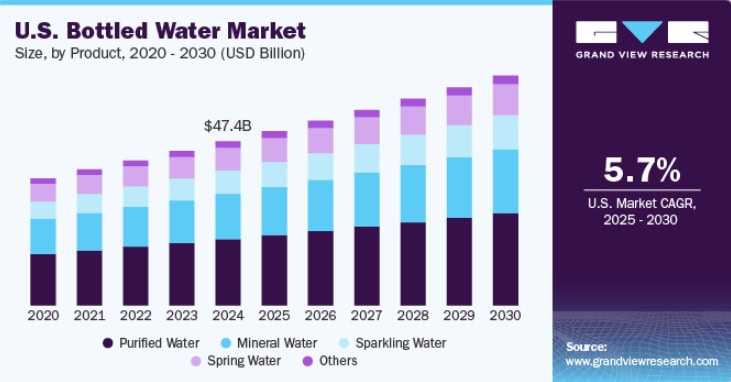
In this article, we will walk you through 8 essential tips to help you start a bottled water company, from conducting market research to selecting the right equipment and developing a strong brand presence. These tips will provide valuable insights into how to establish a successful water bottling plant, ensuring your venture meets industry standards while tapping into the booming bottled water market.
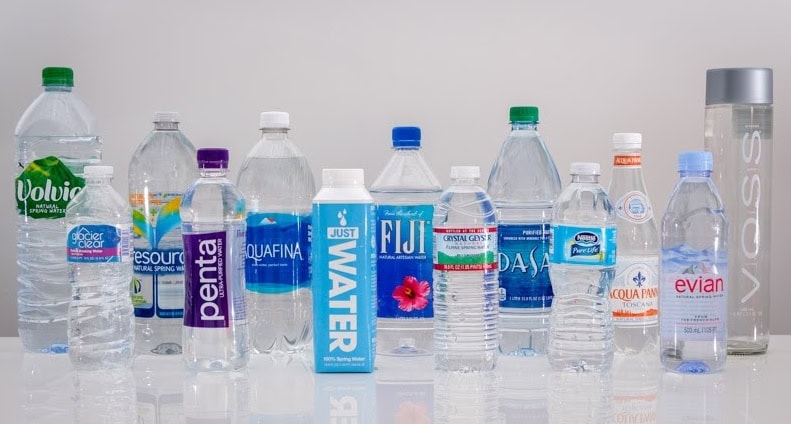
How to Start a Bottled Water Plant
8 Tips You Need to Know
Tip 1: Conduct Market Research and Feasibility Study
Before you start a bottled water business, it is critical to conduct thorough market research and a feasibility study. Understanding the demand, competition, and consumer preferences is essential for shaping your business strategy.
Consider factors such as regional water availability, local preferences for bottle size, and pricing strategies that appeal to your target demographic. Research local and international bottled water brands, noting what sets them apart in terms of product quality, packaging, and marketing.
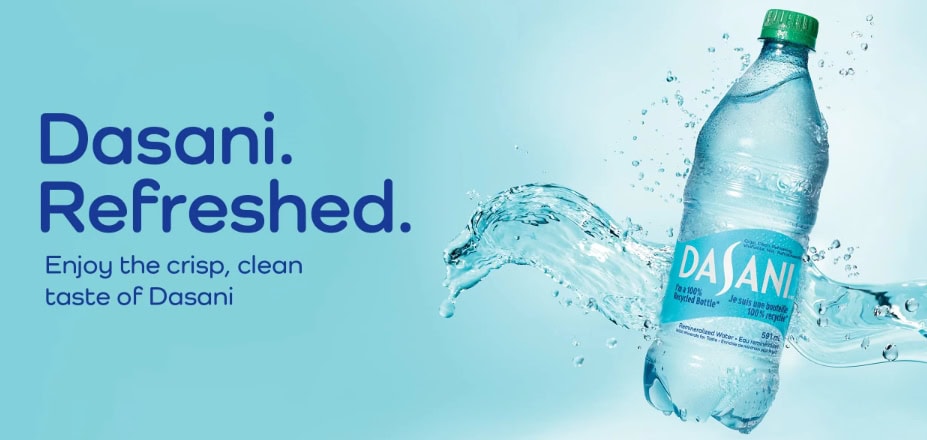
Successful water bottle companies like Coca-Cola’s Dasani and Nestlé’s Pure Life provide useful case studies in effective market positioning. These companies have tapped into the global bottled water market by combining quality products with clever branding and distribution channels, which can serve as inspiration for your business.
Tip 2: Choose the Right Bottled Water Business Model
When you start a bottled water plant, you must decide which business model aligns with your goals. There are several options to consider:
- Branded Water: Creating your own brand and developing unique packaging allows for differentiation in the competitive market. You’ll need to build a brand identity, and effective marketing will be key.
- Private Label: This model involves producing water under another brand’s name, offering less upfront marketing cost but with lower profit margins.
- Bulk Supply: Selling large quantities of water to wholesalers or retailers can be highly profitable but may limit brand recognition.
Each model has pros and cons, with factors such as market demand, production capacity, and marketing budget influencing your decision. Assess your financial situation and market conditions before settling on the most appropriate model for your water bottle company.

Tip 3: Legal and Regulatory Compliance
Starting a water bottling plant requires careful attention to legal and regulatory compliance. Obtaining the necessary permits and licenses is critical to ensure the business operates within the law. You will need to familiarize yourself with local and international water safety standards, including food safety, hygiene standards, and environmental regulations.
For example, water bottling plants are often required to comply with regulations like the U.S. Food and Drug Administration’s (FDA) bottled water regulations, or the European Union’s water quality standards. Your facility will need to meet strict health and safety codes, including water treatment and filtration processes.
Labeling requirements are also essential for clarity regarding the origin and contents of the bottled water. Be sure to follow regional labeling laws to avoid potential legal issues.
Tip 4: Secure a Suitable Location and Facility
Choosing the right location and facility is one of the most important steps when starting a bottled water business. Ideally, your water plant should be located near a reliable and clean water source. This proximity helps reduce costs and ensures consistent quality.
Your facility should have adequate space for machinery, storage, and distribution. Factors to consider include access to transportation infrastructure, electricity, water testing, and environmental impact assessments.
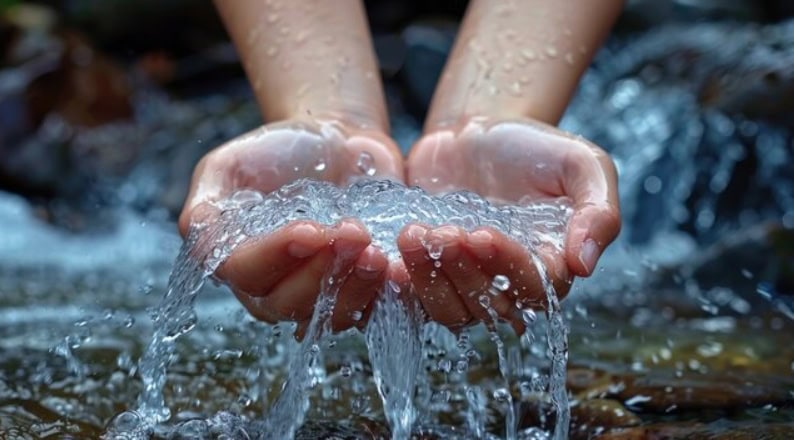
Water source testing is crucial to ensure the water meets health and safety standards. Many bottled water companies conduct regular water quality tests and obtain government approval before bottling. Additionally, your facility will need to be equipped for proper storage, including temperature control and protection from contamination.
Tip 5: Invest in the Right Equipment and Technology
The machinery used in your plant is essential to maintaining production quality and efficiency. Key equipment for plastic water bottle manufacturing includes:
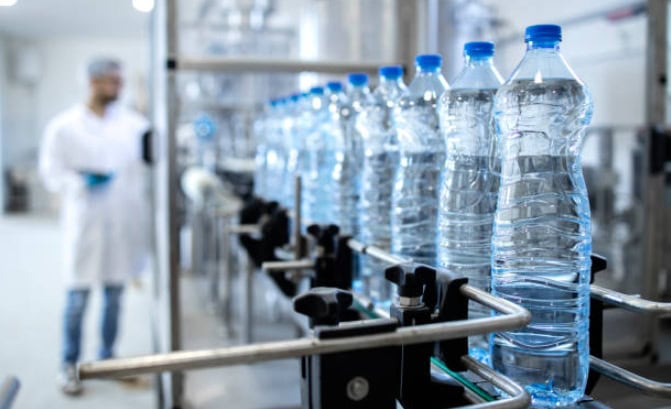
- Water Treatment Equipment: This includes reverse osmosis, UV sterilization, and ozone disinfection to ensure clean, safe water.
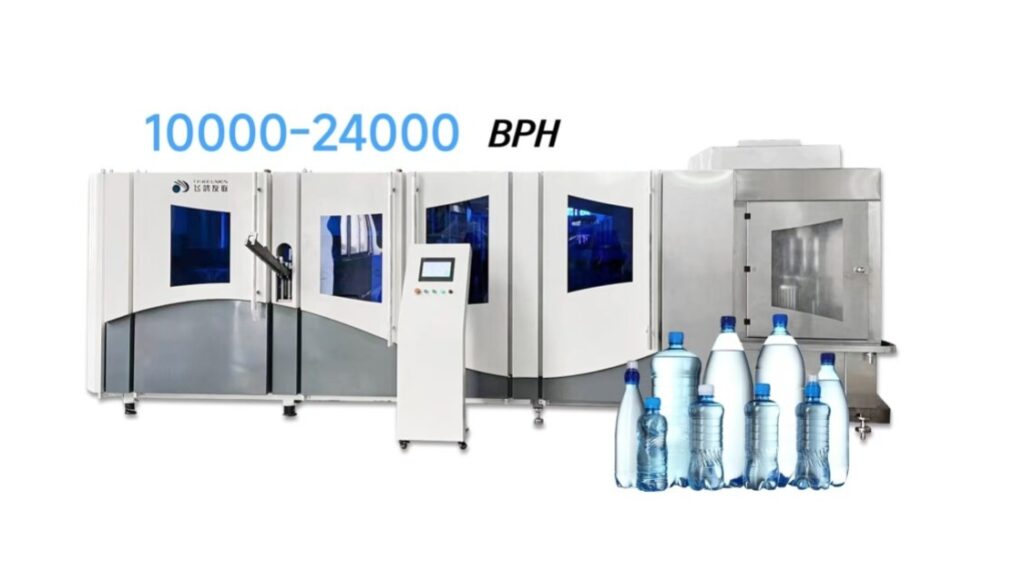
- Bottle Production Equipment: Bottle blowing machines are crucial in processing PET preforms into bottles, providing flexibility in bottle sizes, including the popular 300ml, 500ml, and 600ml sizes.
- Bottling Machines: These machines fill purified water into bottles, ensuring accurate metering and preventing contamination. Washing and filling machines also play an important role in the bottling process.
- Capping and Labeling Machines: These machines apply caps and labels efficiently, ensuring product consistency and branding.
- Bottle Packing Machines: Essential for packaging bottled water into cases for distribution.
When selecting equipment, you need to consider production capacity, quality, and budget. Automation can significantly improve scalability, reduce human error, and increase production speed. For small to medium operations, the three-in-one blowing-filling-capping combi block machine can be an ideal solution. This machine occupies minimal space and is easy to maintain while providing high-quality production capabilities.
Tip 6: Develop a Strong Branding and Marketing Strategy
Creating a unique brand identity is crucial in the competitive bottled water market. Design an eye-catching label and packaging that stands out on store shelves. Consider incorporating sustainable elements, such as eco-friendly packaging, to appeal to environmentally conscious consumers.
Marketing strategies should include both online and offline efforts. Social media, influencer marketing, and SEO can help you build an online presence. Offline strategies, including partnerships with retailers and event sponsorships, can enhance brand recognition.

Sustainability in branding has become increasingly important. Packaging made from recycled materials or offering bottle return programs could appeal to your target audience while promoting your commitment to environmental responsibility.
Tip 7: Establish Distribution Channels
Effective distribution channels are key to the success of your water bottle company. Your options include direct sales, partnerships with retailers, or leveraging online delivery services.
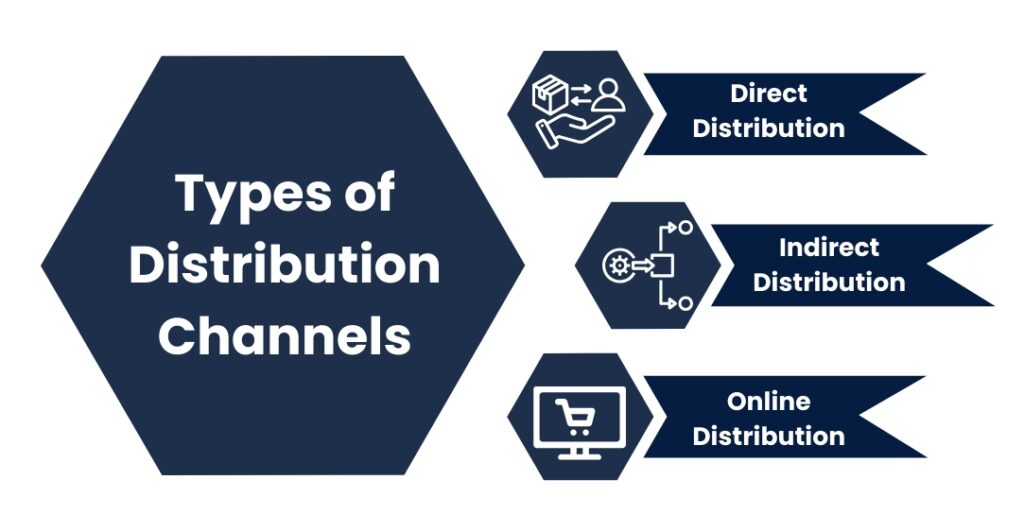
Building relationships with distributors can expand your reach and ensure that your bottled water reaches customers efficiently. Be sure to focus on customer satisfaction by ensuring timely delivery and maintaining product quality. As you scale, consider creating a strong supply chain to optimize inventory and logistics.
Tip 8: How Much Does It Cost to Start a Bottled Water Company?
The startup costs for a bottled water business can vary depending on location, scale, and equipment choices. Key costs include:
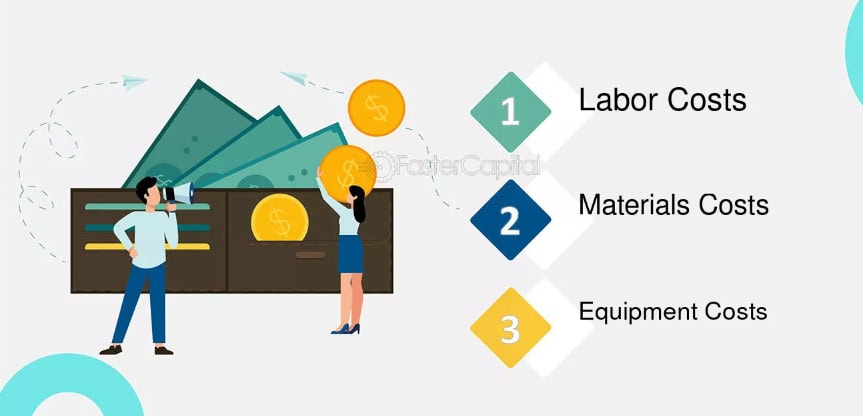
- Factory Rental Cost: Rent for factory space depends on the region and the size of the facility. Larger locations or those closer to water sources may be more expensive.
- Equipment Costs: Major equipment like water treatment systems, bottle blow molding machines, filling machines, and packaging machinery will require significant investment. Prices for these can vary, with smaller bottling machines costing around $30,000 and larger systems reaching upwards of $100,000.
- Labor Costs: Labor costs also vary by region, with wages depending on local economic conditions. On average, you should account for employees in production, quality control, packaging, and administration.
The overall cost of starting a water factory can range from $200,000 to several million dollars, depending on the scale and technology chosen.
Conclusion
Starting a bottled water business requires careful planning and investment. By conducting thorough market research, selecting the right business model, ensuring legal compliance, and investing in the proper machinery, you can lay the foundation for a successful business. Building a strong brand and marketing strategy, establishing efficient distribution channels, and understanding the startup costs are essential steps in achieving profitability in the bottled water business.
Explore bottled water machines and industry solutions to kickstart your venture today and tap into the rapidly growing bottled water market.
]]>