
With relatively low investment requirements and the potential for high returns, a mineral water plant can be a lucrative option for entrepreneurs looking to enter the food and beverage industry. By starting a small water bottle factory, you can tap into this growing demand while contributing to public health by providing clean, pure drinking water.
In this comprehensive guide, we will walk you through the essential steps to set up a small mineral water plant, outlining costs, necessary equipment, production processes, and tips for running a successful business.

Understanding the Basics of Starting a Bottled Mineral Water Plant
Starting a water plant business involves a series of critical steps that must be followed for success. The first major consideration is site selection, as it directly impacts water quality, accessibility, and operational efficiency. Your plant should be located near a clean and abundant water source, whether it be from wells, springs, or municipal water supplies. Additionally, proximity to transport routes is essential for distributing the final product.
Once you’ve chosen an ideal location, you’ll need to secure the necessary permits and licenses to operate your mineral water plant. These legal requirements vary by country and region but typically include water extraction rights, environmental impact assessments, and health and safety compliance. Understanding these regulations beforehand will help avoid delays and prevent legal complications in the future.
Factors to Consider Before Starting a Small Mineral Water Factory
Before diving into the setup of a drinking water factory, it’s essential to carefully assess various factors to ensure your business operates efficiently and successfully.
- Water Source: The most important factor when build a mineral water plant is the water source itself. It must be clean, naturally filtered, and free from contaminants. Water quality is paramount, as it will directly impact the taste and safety of the final product.
- Location: The plant’s location should be close to the water source, with access to utilities like electricity and water supply. Additionally, it should be in a region with a reliable distribution network for delivering the bottled water to retailers or customers.
- Permits and Regulations: Obtaining the correct permits for your water bottle company is vital to ensure that your business meets local regulations for water extraction, health safety, and environmental standards. Compliance with these regulations helps build consumer trust and avoids legal issues.
Cost Breakdown for Setting Up a Small Mineral Water Plant
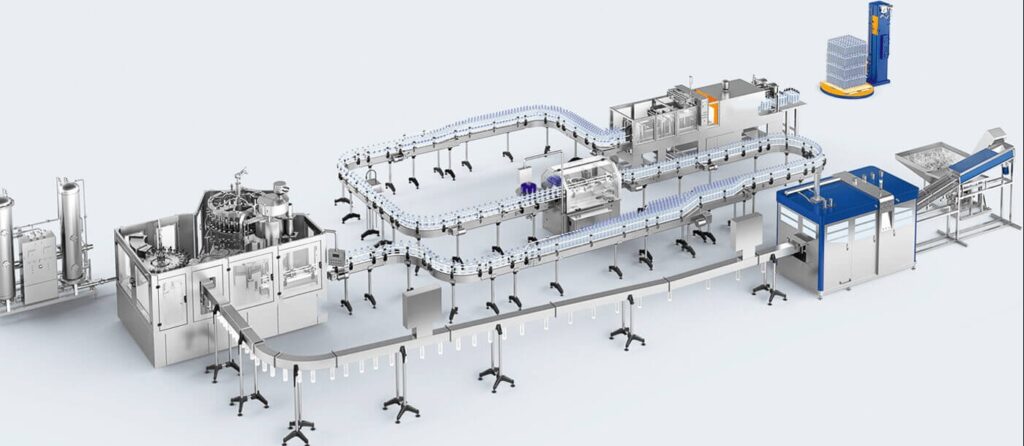
Setting up a small-scale water bottling plant requires careful financial planning. Below is a breakdown of the main costs involved in starting your mineral water company.
Subsection 1: Estimated Costs of Land, Equipment, and Initial Setup
- Land Cost: The cost of land varies greatly depending on location. For instance, in urban areas with limited space, land can be expensive. However, a water plant located in a less congested area may have lower land costs.
- Equipment: Major equipment includes water purification systems, water bottle blowing filling machines, capping and labeling machines, and packing systems. The price for these machines varies but can range from $100,000 to $300,000 depending on your production scale and the quality of the equipment.
Subsection 2: Operational Costs
- Electricity: Running a mineral water business requires a significant amount of energy, especially for machines like water purifiers, bottling machines, and packaging systems.
- Labor: The cost of labor varies depending on the region, but you’ll need employees for production, quality control, packing, and administration. A small-scale plant typically requires a team of 10-20 workers.
- Water Supply: While water may be relatively inexpensive if sourced locally, fees may apply depending on the water rights and legal regulations in your region.
Subsection 3: Additional Expenses
- Marketing: To stand out in a competitive market, it’s essential to allocate a budget for branding, packaging design, and promotional campaigns.
- Packaging and Distribution: Packaging materials (plastic bottles, caps, labels) represent ongoing expenses. Additionally, transportation costs for distributing bottled water to retailers or customers can add to the overall cost structure.
Choosing the Right Equipment for a Drinking Water Plant
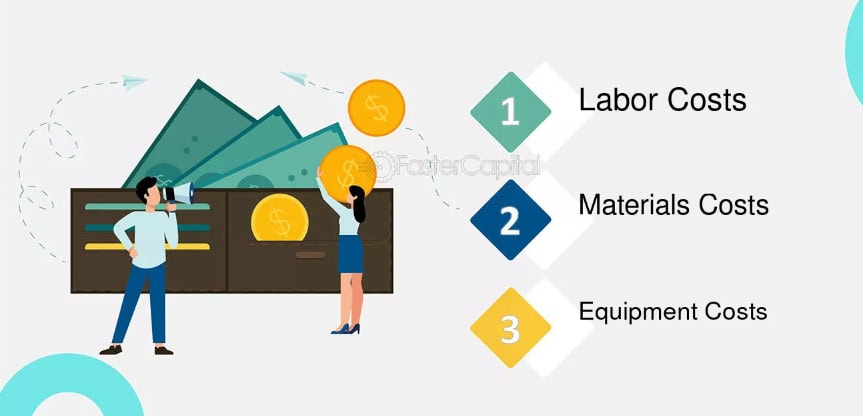
Selecting the right equipment is crucial to ensure the smooth functioning of your mineral water factory. The main machinery involved includes:
- Water Purification Equipment: This includes reverse osmosis (RO) systems, UV sterilizers, and ozone disinfection machines, which ensure that the water is free from bacteria and contaminants.
- Water Bottle Blowing Machine: This water bottle manufacturing machine is essential for shaping the bottles from preforms, typically made from PET plastic, and can handle various bottle sizes.
- Filling and Capping Machines: These machines fill the purified water into the bottles and apply caps to ensure that the product remains sealed and uncontaminated.
- Labeling and Packaging Machines: These machines apply labels and pack the bottles into cases, ready for distribution.
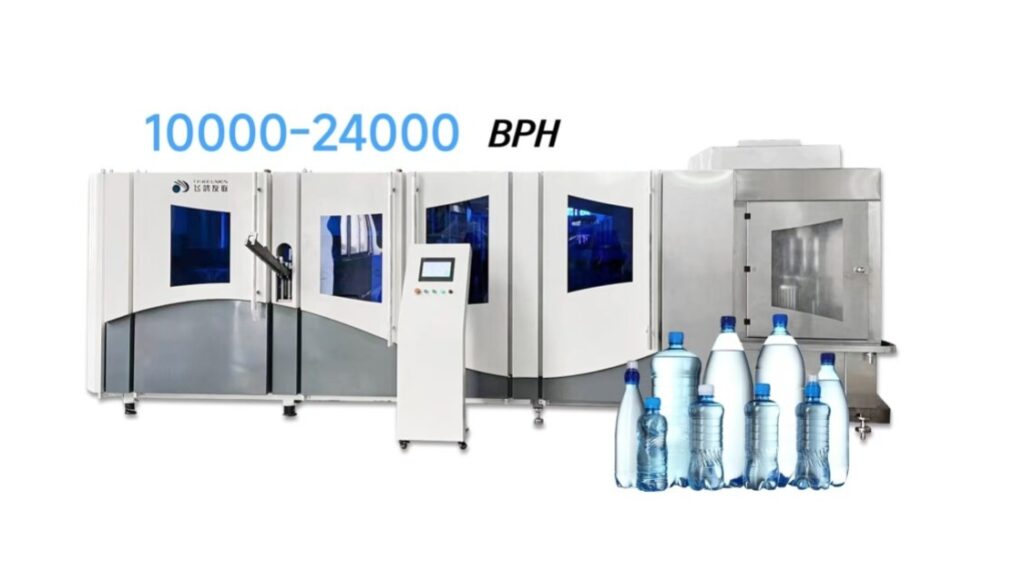
When selecting equipment, consider factors like production capacity, automation levels, and long-term reliability. Opt for machines that require minimal maintenance but offer high-quality production output.
Setting Up the Production Process
The production process in a pure water plant typically follows these steps:
- Water Sourcing: Water is extracted from a natural source, well, or municipal supply.
- Water Purification: The water is treated through filtration and purification processes, such as reverse osmosis, UV sterilization, and ozone treatment, to remove any impurities and ensure it meets health and safety standards.
- Bottle Production: The water bottle manufacturing machine molds PET preforms into the desired bottle shape.
- Filling: The purified water is transferred into the bottles, ensuring that the amount of water is accurate and the bottles are not contaminated.
- Capping and Labeling: Bottles are sealed with caps and labeled with product information, including the brand name, nutritional information, and expiration date.
- Packaging: The filled and labeled bottles are packaged into boxes or crates for distribution.
Maintaining hygiene standards during production is vital to ensure the safety and quality of the product. Regular cleaning and sanitizing of equipment and facilities are necessary to prevent contamination.
Tips for Running a Profitable Bottled Water Business
Here are some key strategies to help make your bottled water business more profitable:
- Cost-Saving Strategies: Optimize operational efficiency by investing in energy-efficient machines, reducing waste, and sourcing materials in bulk.
- Efficiency Improvements: Implement automated systems to increase production speed, reduce labor costs, and minimize errors.
- Marketing and Branding: Strong branding and packaging are essential to stand out in a competitive market. Focus on quality, sustainability, and eco-friendly practices to appeal to consumers.

Legal Considerations and Compliance in the Water Bottling Industry
To ensure compliance, you must familiarize yourself with the regulations governing the mineral water industry, including:
- Water Testing: Regular water testing is essential to ensure the water meets health standards. Testing helps detect any harmful contaminants and ensures the product is safe for consumption.
- Health Safety Standards: Compliance with health regulations, including proper hygiene during the bottling process, is crucial for the safety of your consumers.
- Product Labeling: The labeling should comply with local regulations, including details like ingredients, brand name, net weight, and expiration date.
Adhering to these standards not only ensures legal compliance but also builds consumer trust and confidence in your product.

Challenges in Setting Up a Mineral Drinking Water Factory
Some common challenges faced when start a mineral water plant include:
- Water Contamination: Even with purification systems, water can sometimes become contaminated. Regular testing and maintenance of the water source are critical.
- High Operational Costs: Energy costs and the price of quality equipment can be high, so it’s important to manage these expenses efficiently.
- Competition: The bottled water market is highly competitive. To stand out, you’ll need a strong brand, high-quality products, and effective marketing.
Conclusion: Is a Small Mineral Water Plant Right for You?
Setting up a mineral water factory can be a profitable and rewarding business venture, but it requires careful planning, significant investment, and ongoing operational management. By understanding the costs, selecting the right equipment, and adhering to industry standards, you can create a successful water plant business.
If you’re ready to take the next steps, research local regulations, assess your financial capabilities, and invest in quality equipment to ensure the long-term success of your mineral water business.
]]>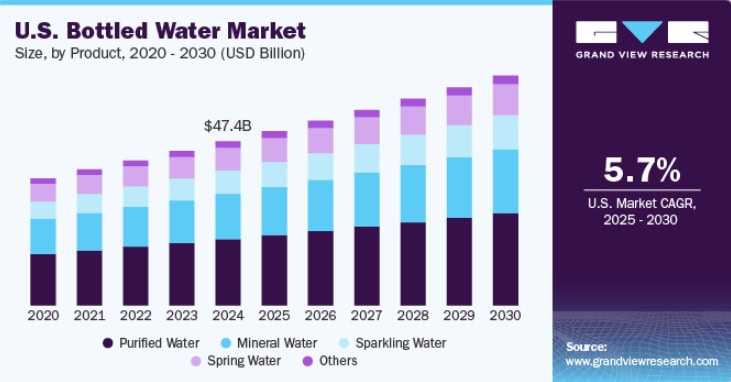
In this article, we will walk you through 8 essential tips to help you start a bottled water company, from conducting market research to selecting the right equipment and developing a strong brand presence. These tips will provide valuable insights into how to establish a successful water bottling plant, ensuring your venture meets industry standards while tapping into the booming bottled water market.
How to Start a Bottled Water Plant
8 Tips You Need to Know
Tip 1: Conduct Market Research and Feasibility Study
Before you start a bottled water business, it is critical to conduct thorough market research and a feasibility study. Understanding the demand, competition, and consumer preferences is essential for shaping your business strategy.
Consider factors such as regional water availability, local preferences for bottle size, and pricing strategies that appeal to your target demographic. Research local and international bottled water brands, noting what sets them apart in terms of product quality, packaging, and marketing.
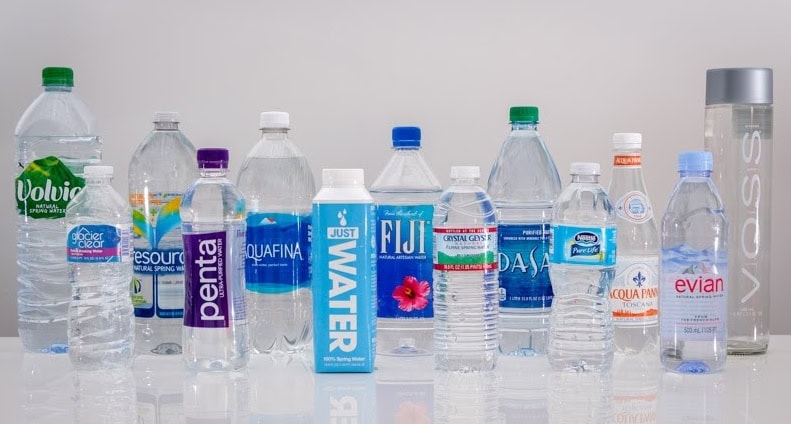
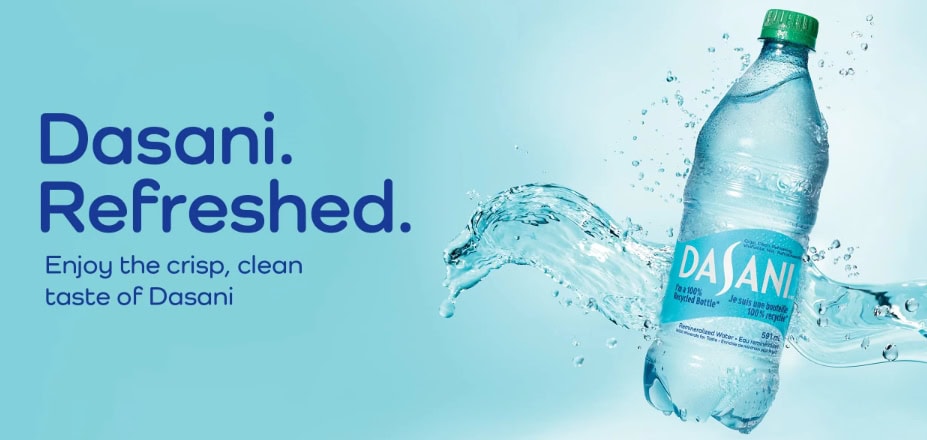
Successful water bottle companies like Coca-Cola’s Dasani and Nestlé’s Pure Life provide useful case studies in effective market positioning. These companies have tapped into the global bottled water market by combining quality products with clever branding and distribution channels, which can serve as inspiration for your business.
Tip 2: Choose the Right Bottled Water Business Model
When you start a bottled water plant, you must decide which business model aligns with your goals. There are several options to consider:
- Branded Water: Creating your own brand and developing unique packaging allows for differentiation in the competitive market. You’ll need to build a brand identity, and effective marketing will be key.
- Private Label: This model involves producing water under another brand’s name, offering less upfront marketing cost but with lower profit margins.
- Bulk Supply: Selling large quantities of water to wholesalers or retailers can be highly profitable but may limit brand recognition.
Each model has pros and cons, with factors such as market demand, production capacity, and marketing budget influencing your decision. Assess your financial situation and market conditions before settling on the most appropriate model for your water bottle company.

Tip 3: Legal and Regulatory Compliance
Starting a water bottling plant requires careful attention to legal and regulatory compliance. Obtaining the necessary permits and licenses is critical to ensure the business operates within the law. You will need to familiarize yourself with local and international water safety standards, including food safety, hygiene standards, and environmental regulations.
For example, water bottling plants are often required to comply with regulations like the U.S. Food and Drug Administration’s (FDA) bottled water regulations, or the European Union’s water quality standards. Your facility will need to meet strict health and safety codes, including water treatment and filtration processes.
Labeling requirements are also essential for clarity regarding the origin and contents of the bottled water. Be sure to follow regional labeling laws to avoid potential legal issues.
Tip 4: Secure a Suitable Location and Facility
Choosing the right location and facility is one of the most important steps when starting a bottled water business. Ideally, your water plant should be located near a reliable and clean water source. This proximity helps reduce costs and ensures consistent quality.
Your facility should have adequate space for machinery, storage, and distribution. Factors to consider include access to transportation infrastructure, electricity, water testing, and environmental impact assessments.
Water source testing is crucial to ensure the water meets health and safety standards. Many bottled water companies conduct regular water quality tests and obtain government approval before bottling. Additionally, your facility will need to be equipped for proper storage, including temperature control and protection from contamination.
Tip 5: Invest in the Right Equipment and Technology
The machinery used in your plant is essential to maintaining production quality and efficiency. Key equipment for plastic water bottle manufacturing includes:
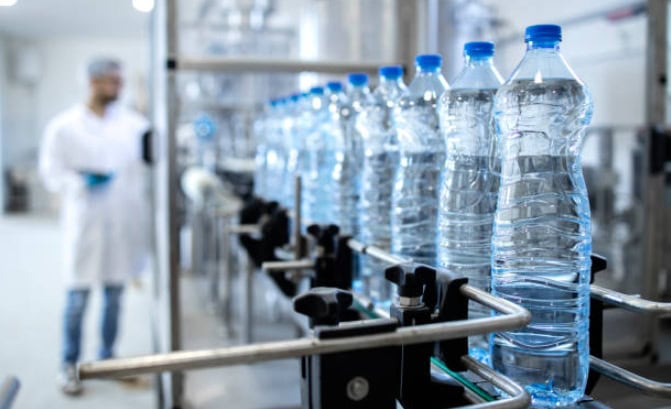
- Water Treatment Equipment: This includes reverse osmosis, UV sterilization, and ozone disinfection to ensure clean, safe water.
- Bottle Production Equipment: Bottle blowing machines are crucial in processing PET preforms into bottles, providing flexibility in bottle sizes, including the popular 300ml, 500ml, and 600ml sizes.
- Bottling Machines: These machines fill purified water into bottles, ensuring accurate metering and preventing contamination. Washing and filling machines also play an important role in the bottling process.
- Capping and Labeling Machines: These machines apply caps and labels efficiently, ensuring product consistency and branding.
- Bottle Packing Machines: Essential for packaging bottled water into cases for distribution.
When selecting equipment, you need to consider production capacity, quality, and budget. Automation can significantly improve scalability, reduce human error, and increase production speed. For small to medium operations, the three-in-one blowing-filling-capping combi block machine can be an ideal solution. This machine occupies minimal space and is easy to maintain while providing high-quality production capabilities.
Tip 6: Develop a Strong Branding and Marketing Strategy
Creating a unique brand identity is crucial in the competitive bottled water market. Design an eye-catching label and packaging that stands out on store shelves. Consider incorporating sustainable elements, such as eco-friendly packaging, to appeal to environmentally conscious consumers.
Marketing strategies should include both online and offline efforts. Social media, influencer marketing, and SEO can help you build an online presence. Offline strategies, including partnerships with retailers and event sponsorships, can enhance brand recognition.
Sustainability in branding has become increasingly important. Packaging made from recycled materials or offering bottle return programs could appeal to your target audience while promoting your commitment to environmental responsibility.
Tip 7: Establish Distribution Channels
Effective distribution channels are key to the success of your water bottle company. Your options include direct sales, partnerships with retailers, or leveraging online delivery services.
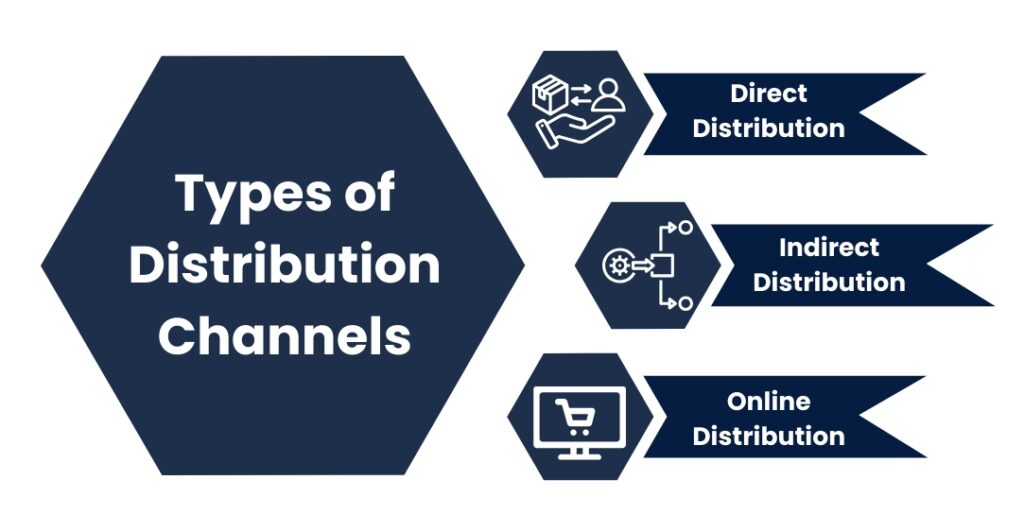
Building relationships with distributors can expand your reach and ensure that your bottled water reaches customers efficiently. Be sure to focus on customer satisfaction by ensuring timely delivery and maintaining product quality. As you scale, consider creating a strong supply chain to optimize inventory and logistics.
Tip 8: How Much Does It Cost to Start a Bottled Water Company?
The startup costs for a bottled water business can vary depending on location, scale, and equipment choices. Key costs include:
- Factory Rental Cost: Rent for factory space depends on the region and the size of the facility. Larger locations or those closer to water sources may be more expensive.
- Equipment Costs: Major equipment like water treatment systems, bottle blow molding machines, filling machines, and packaging machinery will require significant investment. Prices for these can vary, with smaller bottling machines costing around $30,000 and larger systems reaching upwards of $100,000.
- Labor Costs: Labor costs also vary by region, with wages depending on local economic conditions. On average, you should account for employees in production, quality control, packaging, and administration.
The overall cost of starting a water factory can range from $200,000 to several million dollars, depending on the scale and technology chosen.
Conclusion
Starting a bottled water business requires careful planning and investment. By conducting thorough market research, selecting the right business model, ensuring legal compliance, and investing in the proper machinery, you can lay the foundation for a successful business. Building a strong brand and marketing strategy, establishing efficient distribution channels, and understanding the startup costs are essential steps in achieving profitability in the bottled water business.
Explore bottled water machines and industry solutions to kickstart your venture today and tap into the rapidly growing bottled water market.
]]>