Need a small plastic extruder for your DIY projects or small-scale production? This article covers what small plastic extruders are and their benefits. You’ll learn what to look for when choosing one for your needs.
Key Takeaways
- Small plastic extruders are compact and cost-effective machines suitable for DIY projects and small-scale production, allowing users to create custom plastic products and recycle waste.
- There are various types of small plastic extruders, such as single-screw and twin-screw models, each with unique capabilities and applications, influencing material processing and production efficiency.
- Proper maintenance and selection of components are critical for the optimal performance and longevity of small plastic extruders, while choices regarding the machine’s type and brand can significantly impact production quality and reliability.
Introduction to Small Plastic Extruders
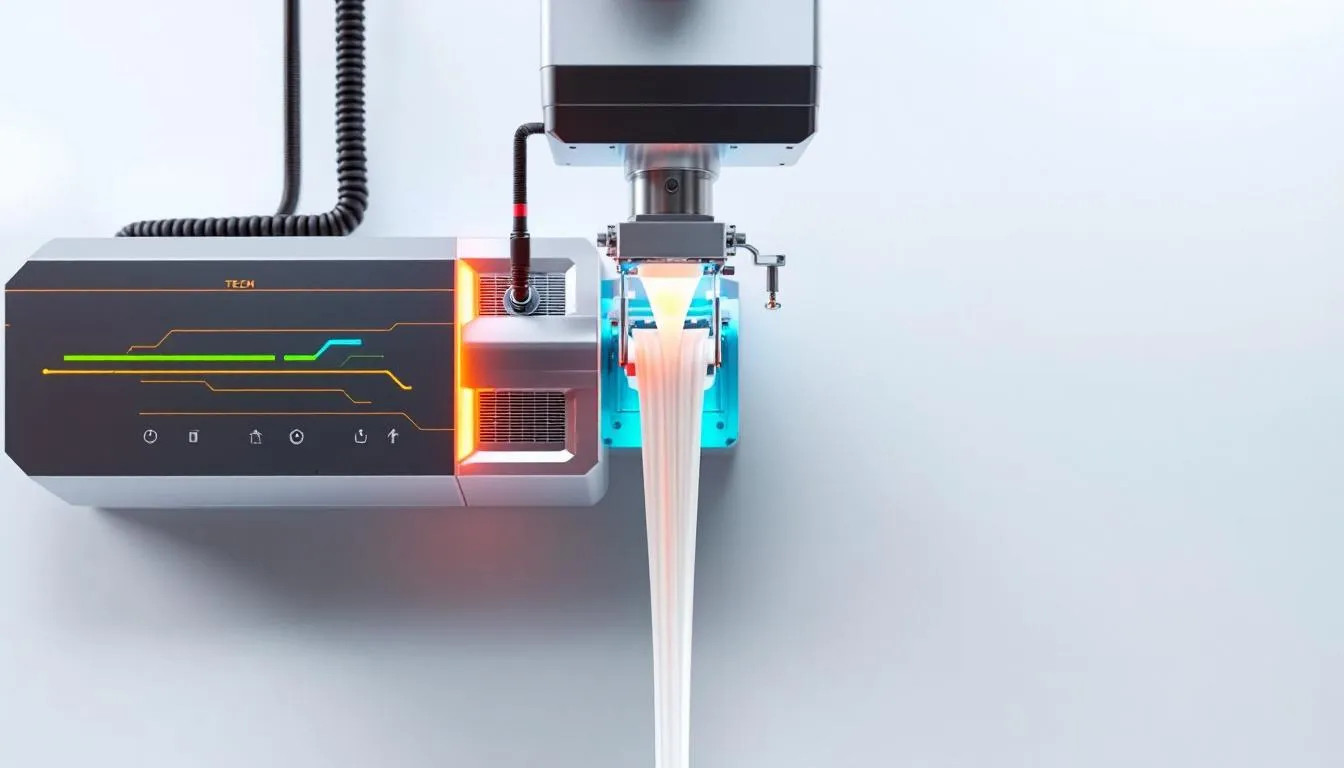
Small plastic extruders are a game-changer for DIY enthusiasts and small-scale producers. These machines allow for the creation of custom plastic products without the need for large industrial setups. Their compact size makes them easy to handle and set up in home workshops or small production facilities, offering flexibility and significant cost savings compared to their larger industrial counterparts.
The ease of use and versatility of small plastic extruders make them ideal for a variety of applications. From crafting unique items to recycling plastic waste into usable products, these machines open up a world of possibilities. Their ability to handle different thermoplastics adds to their appeal, enabling users to experiment with various materials and create products tailored to their specific needs.
Types of Small Plastic Extruders
Understanding the types of small plastic extruders is crucial for choosing the right machine for your needs. The two primary types are single screw extruder and twin-screw extruders. Single-screw extruders are known for their straightforward design and are primarily used for processing general-purpose plastics like polyethylene and polypropylene. They are typically slower and suited for simpler profiles, making them ideal for basic extrusion tasks.
On the other hand, twin-screw extruders offer superior mixed capabilities, making them perfect for applications involving heat-sensitive materials and compounding. Twin-screw extruders can be classified into two different types. These are co-rotating and counter-rotating extruders. Co-rotating twin-screw extruders provide excellent dispersion and are suitable for high filling applications, while counter-rotating twin-screw extruders excel in conveying shear-sensitive materials due to their unique operational direction.
Apart from these, there are specialized extruders for specific applications:
- Devolatilization extruders: designed to eliminate volatile substances from the plastic melt, improving final product quality.
- Shaping extruders: focus on forming products through specific dies and are commonly used in pipe and profile production.
- Film extruders: can be categorized into blown and cast types, each suited for different film characteristics.
- Compounding extruders: enhance the properties of base resins by mixing with additives and fillers.
- Reactive extruders: facilitate chemical reactions during the extrusion process, allowing for improved polymer synthesis.
The versatility of small plastic extruders is further highlighted by their ability to process a variety of thermoplastics, enabling users to experiment with different materials and create a wide range of products. Whether you’re working with polyethylene, polypropylene, or more specialized polymers, there’s a small plastic extruder designed to meet your needs.
Choosing the right type of extruder depends on the specific requirements of your project. Understanding the advantages and limitations of each type will help you make an informed decision and ensure you achieve the best results for your DIY or small-scale production endeavors.
Key Components of a Small Plastic Extruder
To understand how small plastic extruders work, it’s essential to familiarize yourself with their key components. The heart of any plastic extruder is the screw, which is responsible for conveying, melting, mixing, and pressurizing the plastic materials. The screw is divided into three functional zones:
- Feed zone
- Compression zone: gradually reduces the channel depth to effectively melt and mix the plastic
- Metering zone: ensures the melted material is homogeneous and builds pressure before entering the die
The entire barrel plays a critical role in housing the screw and heater the plastic. It is equipped with heating elements that ensure the plastic reaches the desired temperature for extrusion. The nozzle, attached to the end of the barrel, shapes the melted plastic into the desired profiles.
Auxiliary components like the push rod, which is used to manually push plastic chips down from the hopper, and the frame, which provides structural support, are also essential for the smooth operation of the extruder. A tip for ensuring efficiency is to regularly check these components.
Understanding these components and their functions is crucial for operating and maintaining your small plastic extruder. Each part plays a vital role in the extrusion process, and proper maintenance can ensure optimal performance and longevity of the machine.
How Small Plastic Extruders Work
The extrusion process begins with:
- Raw thermoplastic materials being introduced into the extruder through a hopper.
- Inside the barrel, a rotating screw generating pressure that helps to melt the extruded plastic beads.
- Temperature control being crucial during this process to prevent overheating and ensure the plastic melts uniformly.
- Multiple temperature control zones in the barrel allowing for precise heating, which is essential for uniform melting.
The plastic extrusion process involves the following steps:
- Once the plastic is melted, it is filtered through a screen pack to remove any impurities.
- The molten plastic then passes through the die, which shapes it into the desired profile in a continuous process.
- The final step in the process is cooling, which can be achieved through water baths or cooling rolls.
Cooling is crucial for solidifying the extrudate and ensuring the final product maintains its shape and properties in the air under high pressure.
The screw speed is a critical factor in determining the output capacity of a plastic extruder. It affects both production rates and material quality. Selecting the appropriate screw diameter can also influence throughput; larger diameters are better for high-volume production, while smaller ones offer precision for smaller batches.
Auxiliary equipment such as precision feeders and cooling systems are vital for optimizing the extrusion process and achieving a high volume manufacturing process of high-quality outputs.
Applications of Small Plastic Extruders
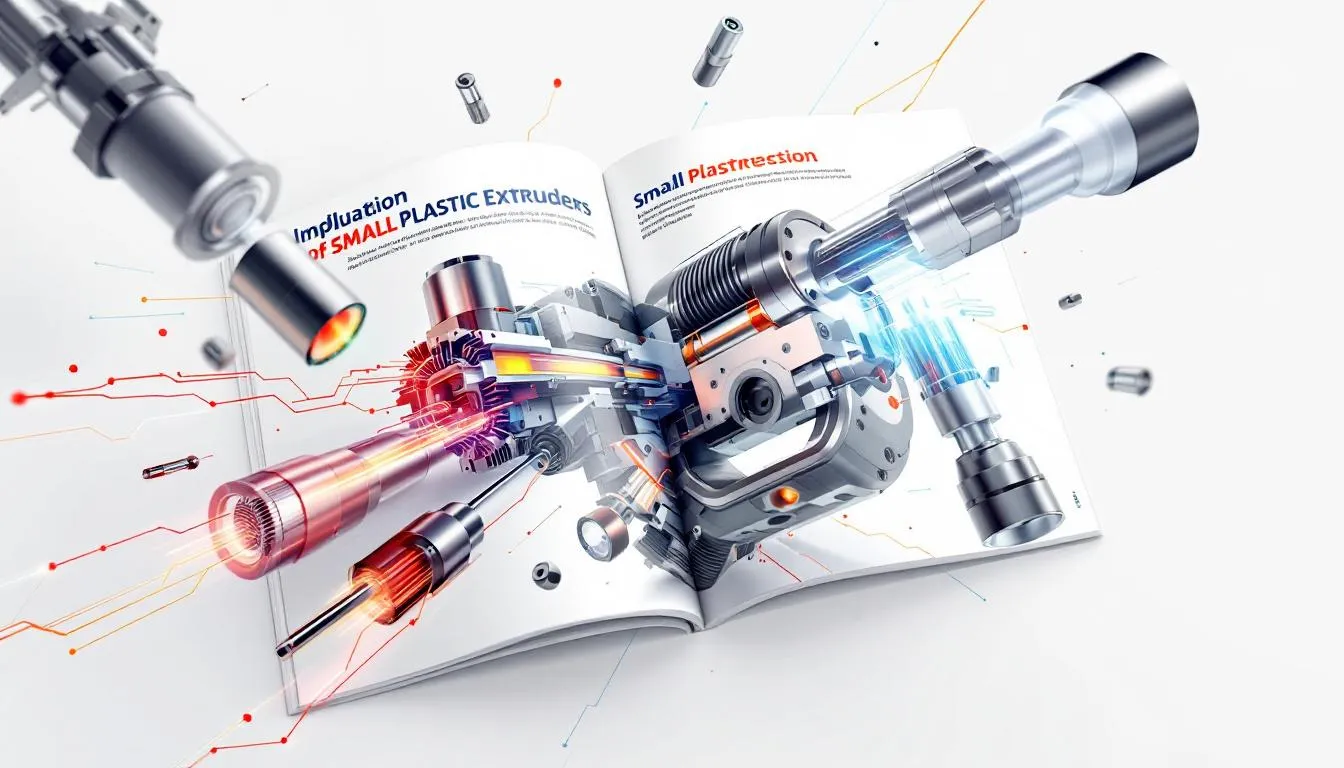
Small plastic extruders have a wide range of applications, making them invaluable tools for DIY enthusiasts and small-scale producers. One of the most significant applications is in the production of 3D printing materials. Small plastic extruders can:
- Convert failed 3D prints back into filament for future use, enhancing sustainability efforts.
- Recycle household plastic waste into usable 3D printing filament, which reduces material costs.
- Help in reducing plastic waste.
Another important application is in the recycling of plastic waste into usable products. Efficient recycling of plastic waste can yield up to one kilogram of material processed per hour at maximum speed. Using recycled materials in plastic extrusion can further diminish production costs and environmental impact. This makes small plastic extruders an eco-friendly and cost-effective solution for producing custom profiles, unique items, and complex shapes without needing multiple machine setups.
The versatility of small plastic extruders allows for creativity and customization in shape, texture, and different colours, enabling users to design and fabricate unique items tailored to specific needs. Whether you’re producing 3D printing filament, recycling plastic waste, or creating custom profiles, small plastic extruders offer an efficient and flexible solution for a variety of applications.
Advantages of Using Small Plastic Extruders
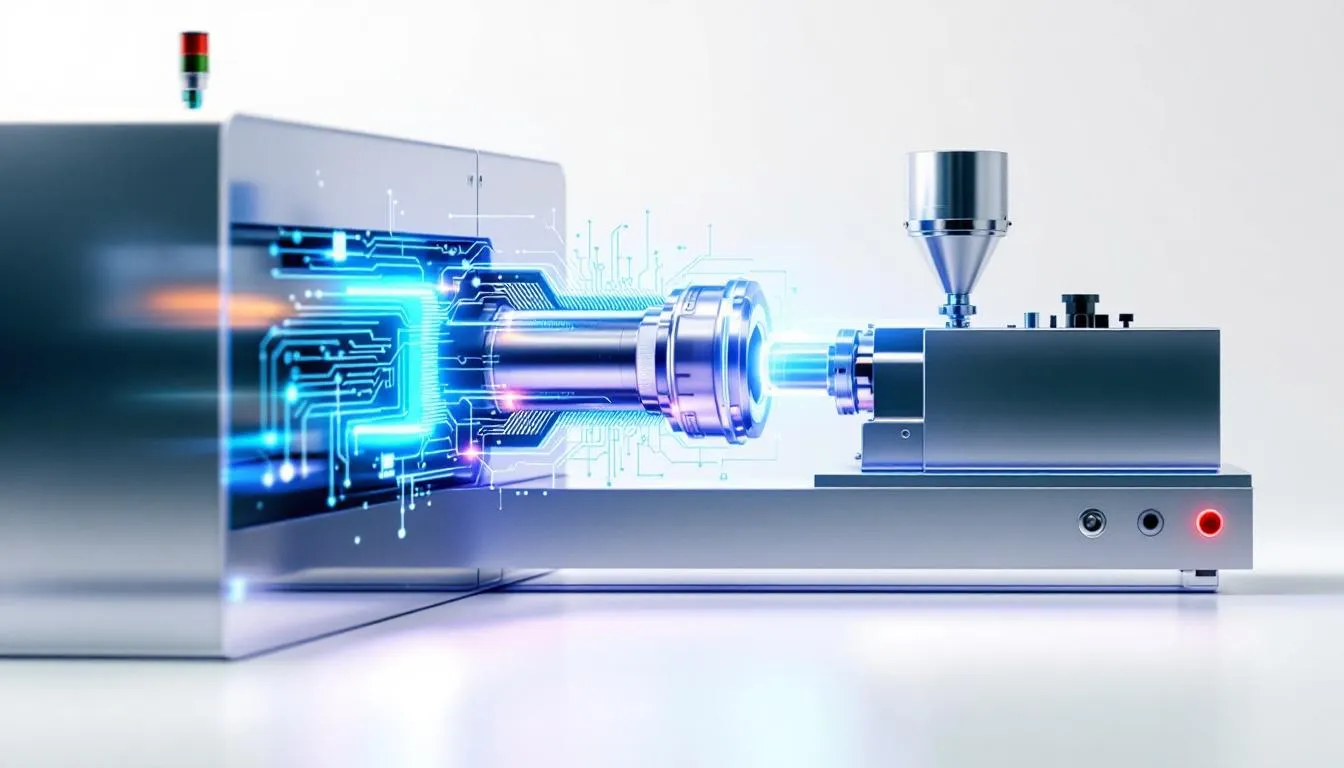
Small plastic extruders offer several advantages that make them an attractive option for DIY enthusiasts and small-scale producers. One of the most significant benefits is cost-effectiveness. The cost of making 3D printing filament can be as little as a dollar per kilogram when using recycled materials. Even when using virgin pellets, the cost is under five dollars per kilogram, significantly lower than purchasing pre-made filament.
Small plastic extruders offer several advantages:
- Lower energy requirements, making them more environmentally friendly
- Lightweight design, which makes them easier to transport and install, leading to reduced transportation costs
- Allow customization and better control of material waste during production, enhancing their appeal
- Provide cost savings
The ability to create custom profiles and unique items tailored to specific needs adds to the advantages of using small plastic extruders. These machines offer flexibility, efficiency, and cost savings, making them an ideal choice for a wide range of applications.
Choosing the Right Small Plastic Extruder
Choosing the right small plastic extruder involves considering several factors, including cost, material to be processed, and specific project requirements. One design approach emphasizes affordability, aiming to keep costs below $300 AUD. Using a wood auger drill bit can replace expensive extrusion screws, making the build more economical. Windscreen wiper motors can serve as a cost-effective option for driving small plastic extruders due to their availability and low price.
Factors influencing the cost of a plastic extruder include:
- The quality of parts
- Screw length
- Downstream equipment
- Special accessories
It’s essential to balance affordability with efficiency to ensure the extruder meets your needs without compromising on performance. Practical design approaches, such as using readily available and cost-effective components, can help achieve this balance.
When selecting a small plastic extruder, consider the specific requirements of your project, including the desired temperature and desired shape of the final product. Understanding these factors will help you choose the right machine and ensure you achieve the best results for your DIY or small-scale production endeavors.
Maintenance Tips for Small Plastic Extruders
Proper maintenance is crucial for ensuring the optimal performance and longevity of small plastic extruders. Regularly cleaning the screw and barrel prevents material degradation and ensures optimal melt flow. Inspecting critical components for wear and tear can prevent catastrophic failures and maintain consistent performance.
To optimize power transfer and maintain product quality, consider the following maintenance tasks:
- Align and tension drive systems to optimize power transfer and reduce wear on components.
- Inspect and maintain the die and sizing sleeve to ensure consistent product dimensions and a smooth surface finish.
- Conduct thorough checks of the cooling system to prevent overheating and maintain product quality.
Key maintenance tasks include:
- Calibrating and inspecting heating elements and thermocouples for accurate temperature control to avoid product defects.
- Maintaining the electrical system to ensure safe operation and prevent unexpected shutdowns.
- Applying layers of heat-resistant tape as heat insulation for the hopper to prevent premature melting of plastic.
Proper lubrication of gearboxes and gear bearings prevents excessive wear and costly breakdowns. Keeping comprehensive maintenance records aids in troubleshooting and optimizes future maintenance scheduling.
Top Brands and Models of Small Plastic Extruders
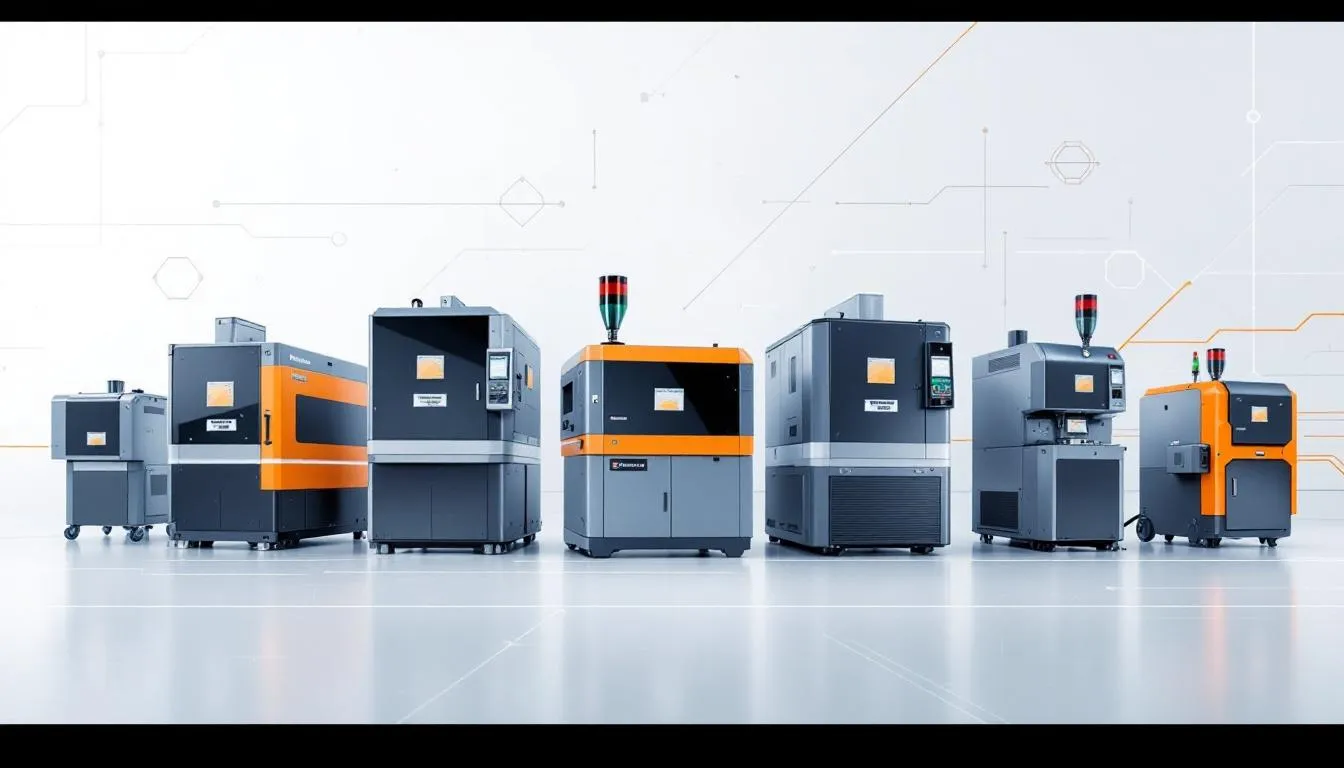
When it comes to choosing a small plastic extruder, the reputation of the manufacturer and the quality of after-sales support are significant factors to consider. CDS Machines specializes in complete downstream extrusion lines tailored for both plastics and rubber applications, offering reliable and high-quality machines.
COWELL EXTRUSION specializes in both twin and triple screw extruders, catering to a broad range of polymer processing needs, including co extrusion. Their machines are known for their durability and efficient performance.
Milacron offers highly adaptable extrusion machines, including both single and twin screw models, aimed at enhancing productivity. Their machines are designed to meet the demands of various applications.
PEM focuses on downstream equipment for PVC pipe manufacturing, highlighting its expertise in custom profile production. Diamond America is known for its durable custom extruders, designed for a variety of materials.
Choosing a reputable brand ensures machine reliability and access to quality after-sales support, which can significantly impact the machine’s performance and longevity.
DIY Small Plastic Extruder Projects
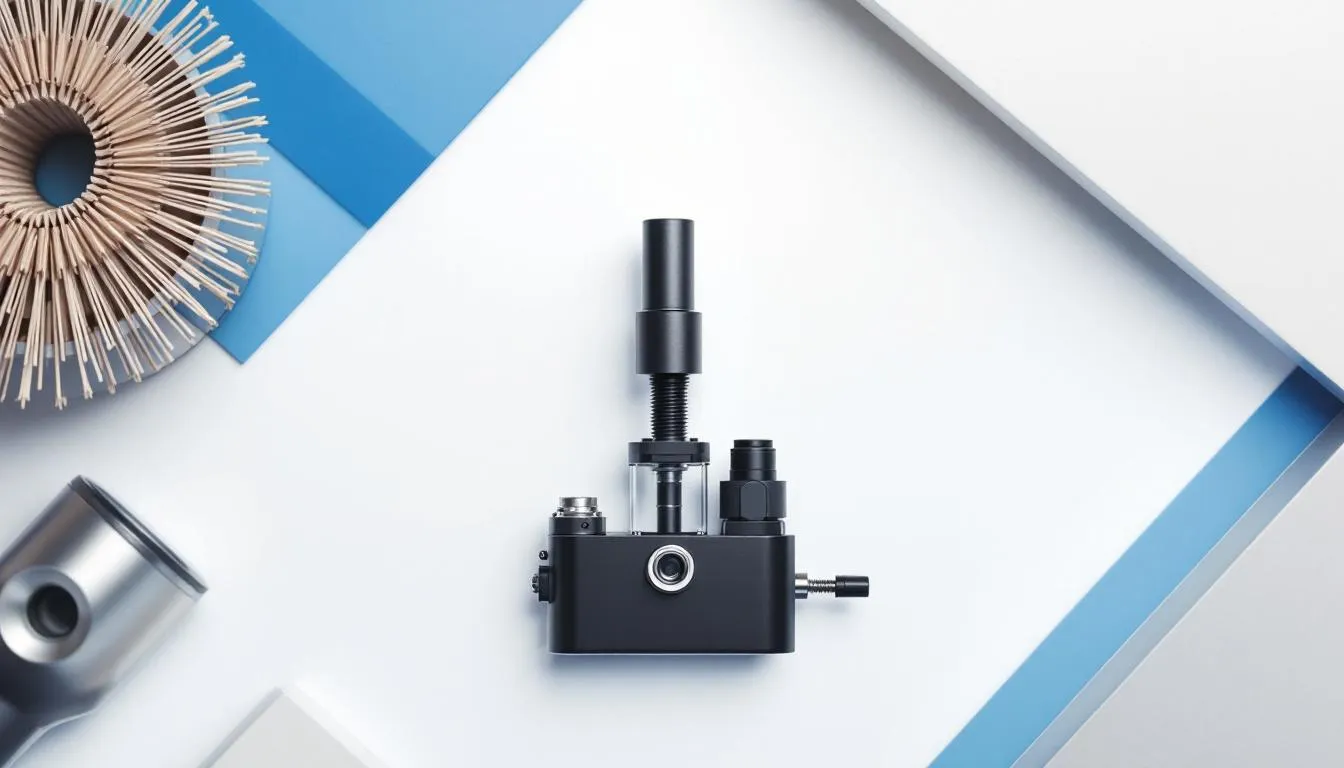
Embarking on DIY small plastic extruder projects can be both exciting and rewarding. One of the key advantages of DIY projects is the ability to use modular components, facilitating the use of salvaged parts and making repairs easier. For example, using 3mm steel and L-shaped angle iron for structural components can provide a sturdy frame for your extruder.
Community support can greatly assist with weld and troubleshooting during the build process. Resources such as video playlists on YouTube can provide additional information and visual aid, making the construction process more manageable. Feedback from showcasing prototypes, including usability and safety opinions, can help improve the design and ensure the final product meets your needs.
The end goal for many DIY extruder projects is often 3D filament production. By focusing on the layout design process and ensuring all physical components are correctly positioned, you can create an efficient and functional wired extruder. Using design software like Fusion 360 can aid in the creation of components like pipe caps and cable holders, enhancing the overall build quality and functionality of your DIY extruder.
Summary
Small plastic extruders offer a world of possibilities for DIY enthusiasts and small-scale producers. From understanding the types and key components to learning about applications and maintenance, this blog post has provided a comprehensive overview. By choosing the right extruder and following proper maintenance tips, you can achieve cost-effective and environmentally friendly production. Embrace the potential of small plastic extruders and explore the endless opportunities they offer for creativity and efficiency.