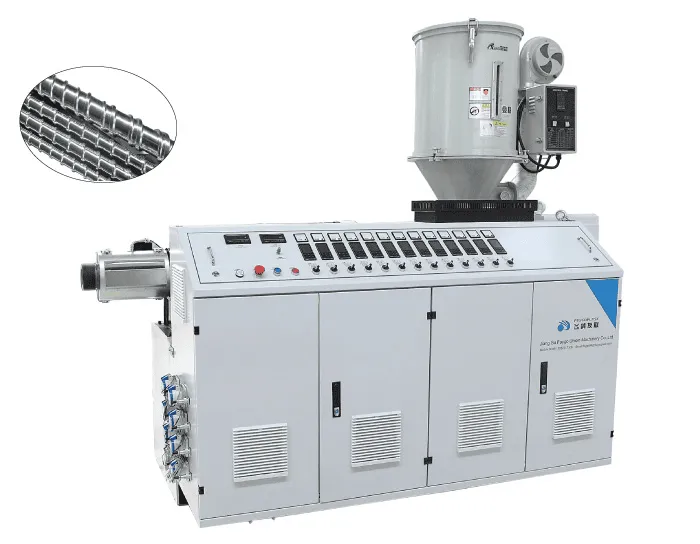
A plastic extruder machine for recycling transforms plastic waste into reusable pellets. These machines melt, reform, and prepare plastic for new uses, making them vital for efficient recycling. In this article, we’ll cover the types of extruder machines, their key features, and the benefits they offer in plastic recycling.
Key Takeaways
- Plastic extruder machines convert waste plastic into reusable pellets, vital for effective recycling processes.
- Selecting the appropriate type of extruder—single screw, twin screw, or co-extruder—is crucial for maximizing efficiency based on specific recycling needs.
- Key features such as energy efficiency, processing capacity, and safety measures play a significant role in ensuring optimal performance and longevity of extruder machines.
Understanding Plastic Extruder Machines
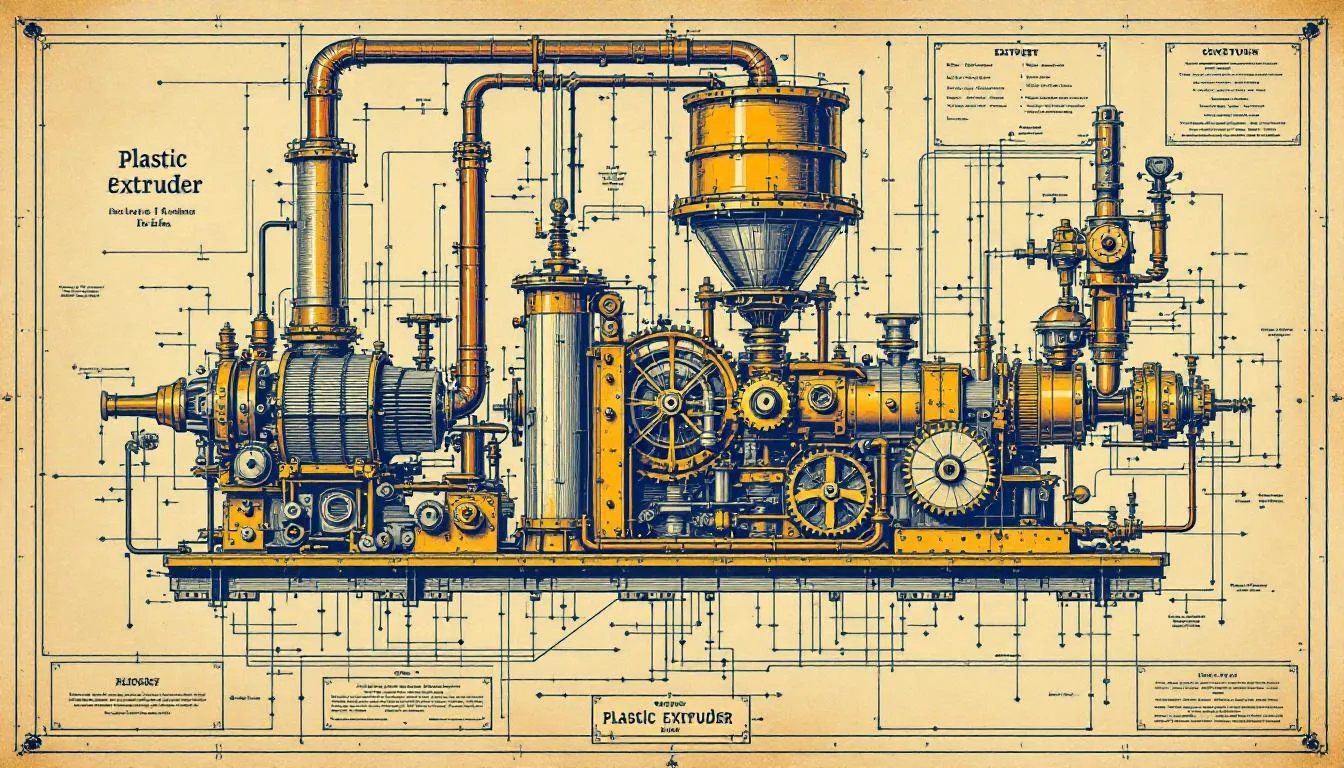
Plastic extruder machines are pivotal in the realm of plastic recycling. These machines recycle plastic into reusable forms by transforming waste plastic into pellets that can be used to manufacture new products. The process involves melting, processing, and re-melting materials, then pushing them through a die to achieve the desired shape. Essentially, they act as the bridge between plastic waste and new, useful products.
Setting up an extruder machine requires a well-ventilated and dry room to ensure optimal operation and safety. The machines themselves are also known as plastic recycling pellet machines or plastic pellet makers. These names highlight their primary function—turning plastic waste into pellets that can be easily used in further manufacturing processes, often facilitated by a pelletizing system.
The operation of these machines is a testament to the ingenuity of modern engineering. Plastic extruder machines utilize heat and mechanical energy to transform various plastic waste into high-quality, reusable pellets, proving crucial in efficient and effective plastic recycling.
Types of Plastic Extruder Machines for Recycling
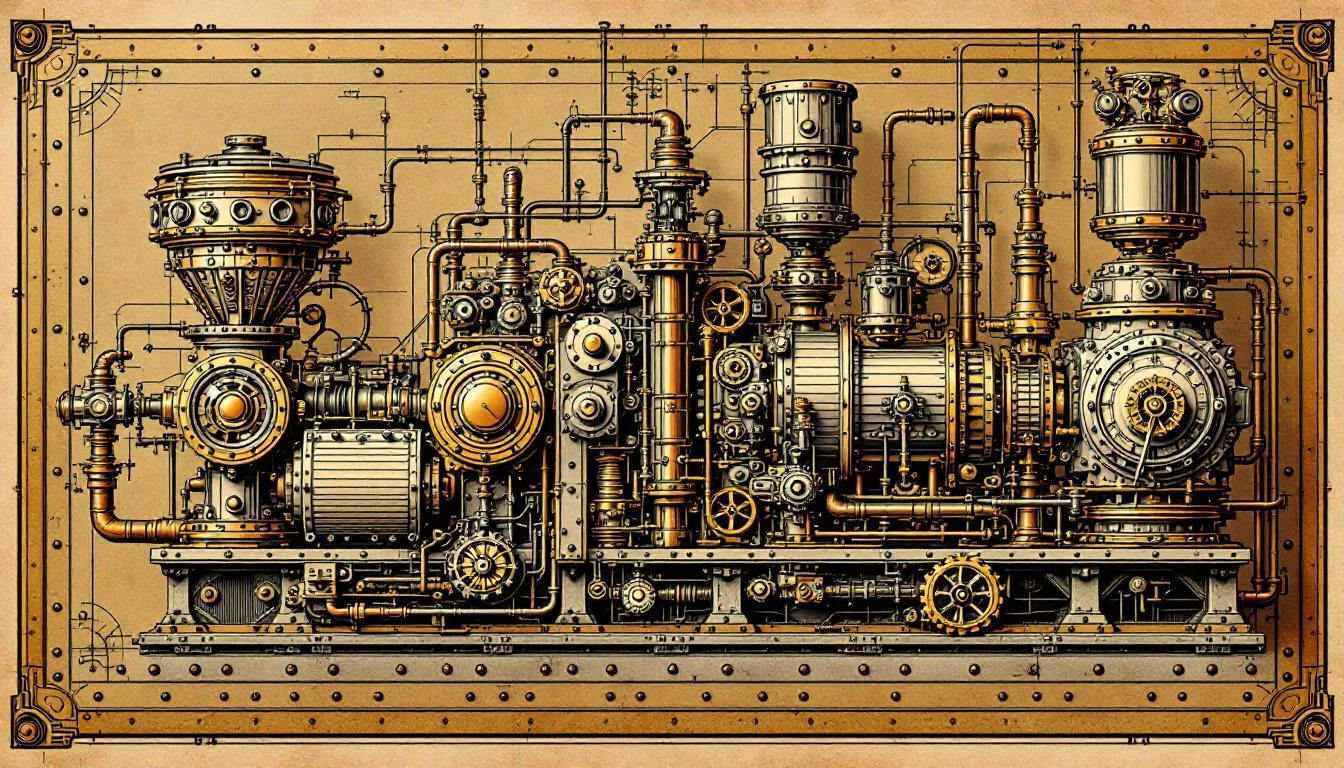
Different types of plastic extruder machines cater to varied purposes in plastic recycling. Each is tailored for specific materials and operational needs, so understanding their unique features is essential.
Single screw extruders are among the most commonly used machines in plastic recycling. They are versatile and ideal for standard plastic materials, offering simpler operation and maintenance. These machines are often the go-to choice for businesses looking to recycle plastic with minimal fuss.
For more complex materials and enhanced mixing capabilities, twin screw extruders are the preferred option. These machines feature two intermeshing screws that provide better processing of mixed plastics and are suited for more demanding applications. Co-extruders, on the other hand, allow for the simultaneous extrusion of two different materials, improving production efficiency and versatility.
Selecting the appropriate extruder machine is key to optimizing the efficiency and output of a plastic recycling operation. Whether opting for the simplicity of a single screw extruder or the advanced capabilities of twin screw and co-extruders, understanding these options aids in making an informed decision.
Key Features to Look for in Recycling Extruders
When selecting a recycling extruder, several key features can significantly impact performance and efficiency. A critical factor is the desired hourly pellet output, which should match the volume of waste materials to be processed. Sufficient processing capacity is vital for maintaining productivity.
Modern extruder designs emphasize energy efficiency, which helps lower operational costs. Integrated heating sensors in the heating elements help reduce energy consumption and optimize the plastification process, enhancing both economic and environmental efficiency. Sophisticated models like the EMK2 extruder allow separate control of heating areas and screw speed, enabling customized processing for specific materials.
These features ensure that your extruder machine meets production needs while operating efficiently and sustainably. Investing in a machine with these capabilities will pay dividends in the long run by reducing energy costs and enhancing output quality.
The Extrusion Process in Plastic Recycling
The extrusion process in plastic recycling involves the following steps:
- Directing plastic materials like pellets or flakes into the extruder’s barrel.
- Using mechanical energy from rotating screws and heat from barrel heaters to melt the plastic as it moves through the machine.
- Turning the solid plastic waste into molten plastic, ready for reshaping.
The process involves:
- Precise temperature regulation to ensure consistent quality and efficient operation.
- Pushing the melted plastic through a die to create specific shapes for various applications in packaging.
- Using a screen pack to filter out contaminants from the molten plastic before it reaches the die, ensuring the final product is free from impurities.
Key aspects of the plastic extrusion process include:
- Vacuum degassing systems are employed to eliminate gases and moisture from the extruded materials during processing. This step is vital to prevent defects like air bubbles and voids in the final plastic products.
- Identifying the type of plastic waste polymer is critical because different polymers have distinct properties that affect the pelletizing process.
- Proper cooling, often via water baths or cooling rolls, is necessary since plastics are poor conductors of heat.
Benefits of Using Extruder Machines for Recycling
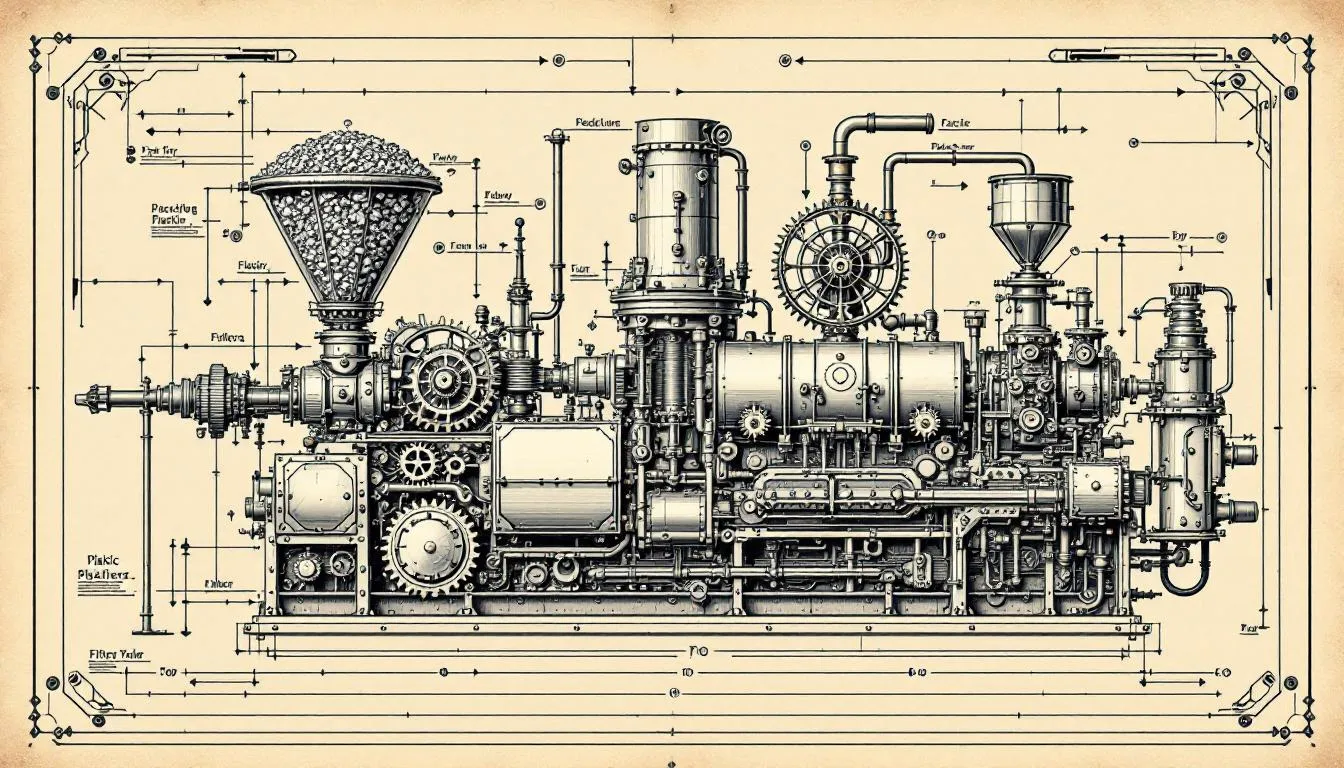
Extruder machines offer numerous benefits, making them indispensable in the plastic recycling industry. A primary advantage is the high consistency in product quality, crucial for maintaining standards in recycled plastic products. This consistency ensures that end products are reliable and meet required specifications.
Another significant benefit is the reduction in material waste, leading to more economical production. Designed to maximize the use of input materials, extruder machines ensure minimal wastage and more efficient production processes. This efficiency translates into cost savings and more sustainable operation.
Extruder machines are versatile, accommodating a diverse range of plastic materials and enhancing usability across various applications. Whether you’re dealing with common plastics or more complex materials, extruder machines offer the flexibility needed to process them effectively.
Advanced Technologies in Plastic Extrusion
Advanced technologies in plastic extrusion are revolutionizing the industry by boosting efficiency, reducing waste, and enhancing recycled product quality. Vacuum degassing is one such technology that removes air and volatile contaminants from molten plastic, significantly improving the quality of recycled materials.
Automated control systems in extruders ensure precise monitoring and adjustments during the extrusion process, enhancing productivity and product quality. These configurations allow real-time adjustments to processing parameters, ensuring optimal performance and minimal downtime.
Advanced heated elements offer:
- Better temperature control, enhancing melting efficiency and reducing energy consumption.
- Uniform melting of the plastic, preventing defects.
- Improved overall quality of the final products.
By incorporating these advanced technologies, modern extruders are more efficient and capable of producing high-quality recycled plastic.
Common Applications of Recycled Plastic
Recycled plastic has a wide range of applications, making it a valuable resource in various industries. Products made from extrude recycled plastic through extrusion include PVC pipes, window and door profiles, technical profiles, and medical tubes.
These applications demonstrate the versatility and utility of recycled plastic in meeting diverse needs.
Creating these products involves melting plastic strands, filtering, cooling, and cutting them into pellets. These pellets can then be used to manufacture a variety of plastic products, contributing to a circular economy. The EMK2 extruder, for example, has the capability to create large objects with significant output and pressure, making it suitable to produce high-volume production.
The common applications of recycled plastic highlight the practicality of plastic recycling and underscore the importance of using efficient and advanced extruder machines for high-quality results.
Safety Measures When Operating Extruder Machines
Safe operation of extruder machines is paramount to ensure the well-being of operators and the efficient functioning of the machines. Key safety considerations include:
- Working in a spacious, hazard-free area
- Maintaining a clutter-free workspace to minimize the risk of accidents
- Ensuring smooth operations through proper workspace management
Safety requirements for handling the extruder include:
- Using heat-resistant gloves for handling the extruder’s nozzle and barrel, as these components can become extremely hot during operation.
- Ensuring good ventilation to avoid inhaling harmful fumes released during plastic processing.
- Using proper ventilation systems to help maintain a safe and healthy work environment.
Tweezers are recommended for managing hot filament and clearing any nozzle blockages. Always ensure the machine is powered off before performing maintenance to avoid electrical hazards. Training operators on maintenance procedures allows them to spot potential problems and perform essential upkeep, ensuring the machines’ longevity and efficiency.
How to Choose the Right Extruder Machine for Your Needs
Choosing the right extruder machine involves considering several factors. Specific production requirements and materials play a crucial role in determining the appropriate extruder type. For example, a single screw extruder might suit standard plastic materials, while a twin screw extruder is better for complex materials requiring enhanced mixing capabilities.
The machine’s capacity, often expressed in kilograms per hour, is another important factor. This measurement indicates how much plastic waste the machine can process within a given time frame, helping you match the machine’s capabilities with your production needs. The machine’s size and sizes impact power requirements and energy efficiency, so it’s essential to choose a machine that aligns with your operational constraints.
Visual documentation of the plastic waste can aid in better assessment and recommendation for a suitable recycling machine. This documentation helps manufacturers understand the type and condition of the plastic waste, ensuring that the recommended machine meets your specific needs.
Maintenance Tips for Longevity of Extruder Machines
Maintaining your extruder machine is crucial for its longevity and efficient operation. Regularly cleaning key components like the hopper and barrel prevents contamination and maintains product quality. Ensuring that these parts are free from debris and residue is essential for smooth and uninterrupted operation.
Proper maintenance includes:
- Proper lubrication of moving parts to reduce friction and extend the life of components.
- Routine inspections to detect wear and prevent costly breakdowns by addressing issues early.
- Detailed maintenance logs to track the machine’s performance and identify recurring issues, allowing for timely interventions.
Regular maintenance ensures the durability and efficient operation of plastic extruder machines over time. Following these maintenance tips maximizes your machine’s lifespan and ensures it operates at peak performance.
Summary
Plastic extruder machines play a vital role in the recycling process, transforming plastic waste into reusable materials that can be used in a variety of applications. From understanding the different types of extruder machines to recognizing the key features that enhance their performance, this guide has covered all the essential aspects of plastic extrusion.
By incorporating advanced technologies and following proper maintenance practices, you can ensure the efficient and safe operation of your extruder machine. Embracing these eco-friendly solutions not only helps reduce plastic waste but also contributes to a more sustainable future. Let’s continue to innovate and invest in technologies that make our world a cleaner, greener place.