If you’re involved in 3D printing or plastic manufacturing, understanding how a plastic extruder machine works is crucial. This article will cover its basics, different types, and key applications. By the end, you’ll be equipped to make better decisions and improve your production efficiency.
Key Takeaways
- Plastic extruder machines are critical in the production of thermoplastic products, offering efficient recycling of materials for 3D printing filament.
- Customization and selection of extruder types (single-screw vs twin-screw) are vital for meeting specific production requirements and achieving optimal material processing.
- Investing in high-quality extruder machines coupled with robust after-sales support ensures longevity, cost-effectiveness, and reliability in production.
Understanding Plastic Extruder Machines
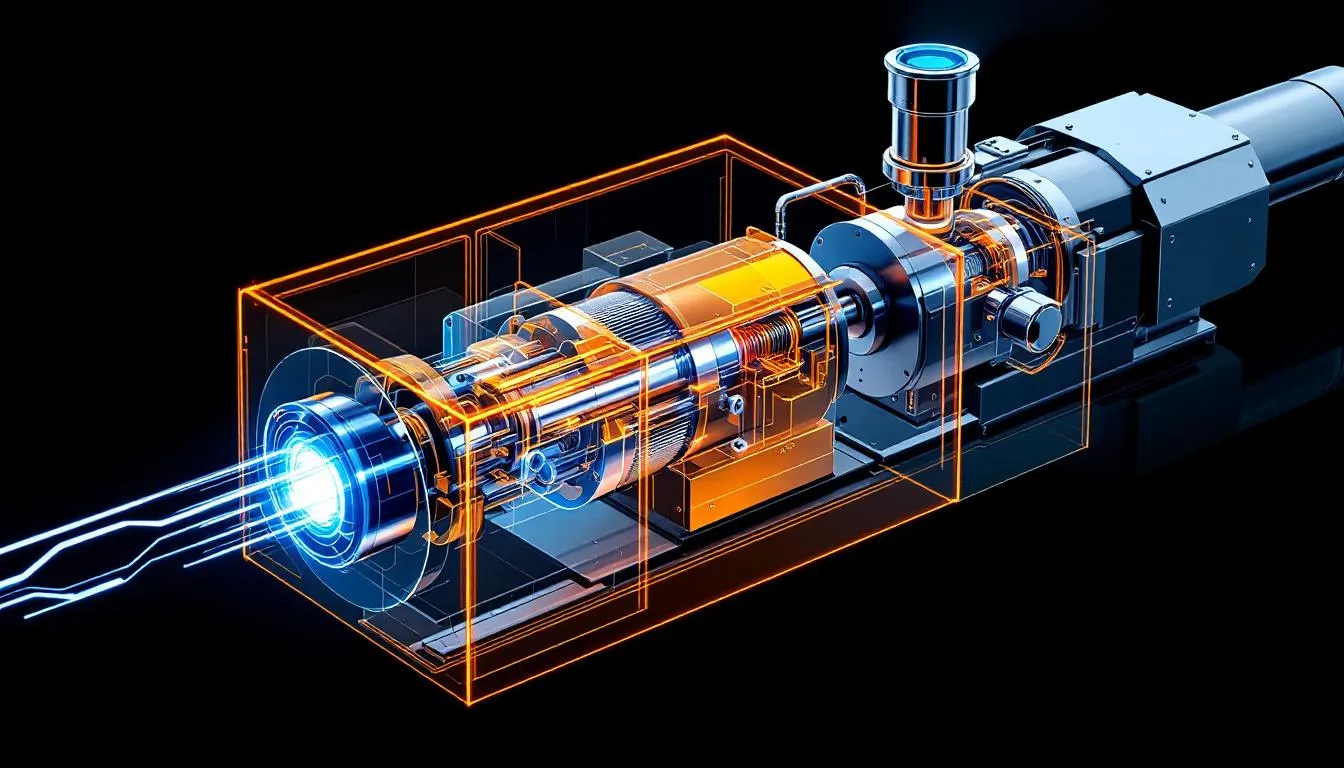
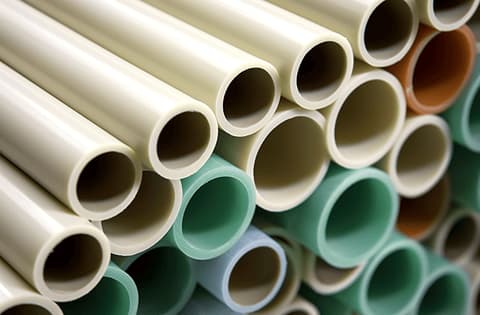
Plastic extruder machines are indispensable in the plastics industry, producing a wide variety of products such as pipes, profiles, and pellets by processing thermoplastic materials. These machines consist of several essential parts, including:
- the hopper
- feed throat
- breaker plate
- barrel
- die
- cooling system Each part plays a crucial role in ensuring the smooth operation of the extrusion process.
The extrusion process involves the following steps:
- Feeding thermoplastic materials into the extruder.
- Melting these materials inside the extruder at temperatures ranging from 200 to 275°C.
- Shaping the melted materials.
- Cooling the shaped materials to solidify into final products.
This process is not only cost-effective but also highly efficient, supporting a wide variety of thermoplastic materials with different properties, providing a complete effective solution.
Grasping these basics allows you to optimize your 3D printing filament production and appreciate the intricate details of plastic extruder machines, along with their power to transform plastic waste into valuable products through this test experiment.
Types of Plastic Extruder Machines
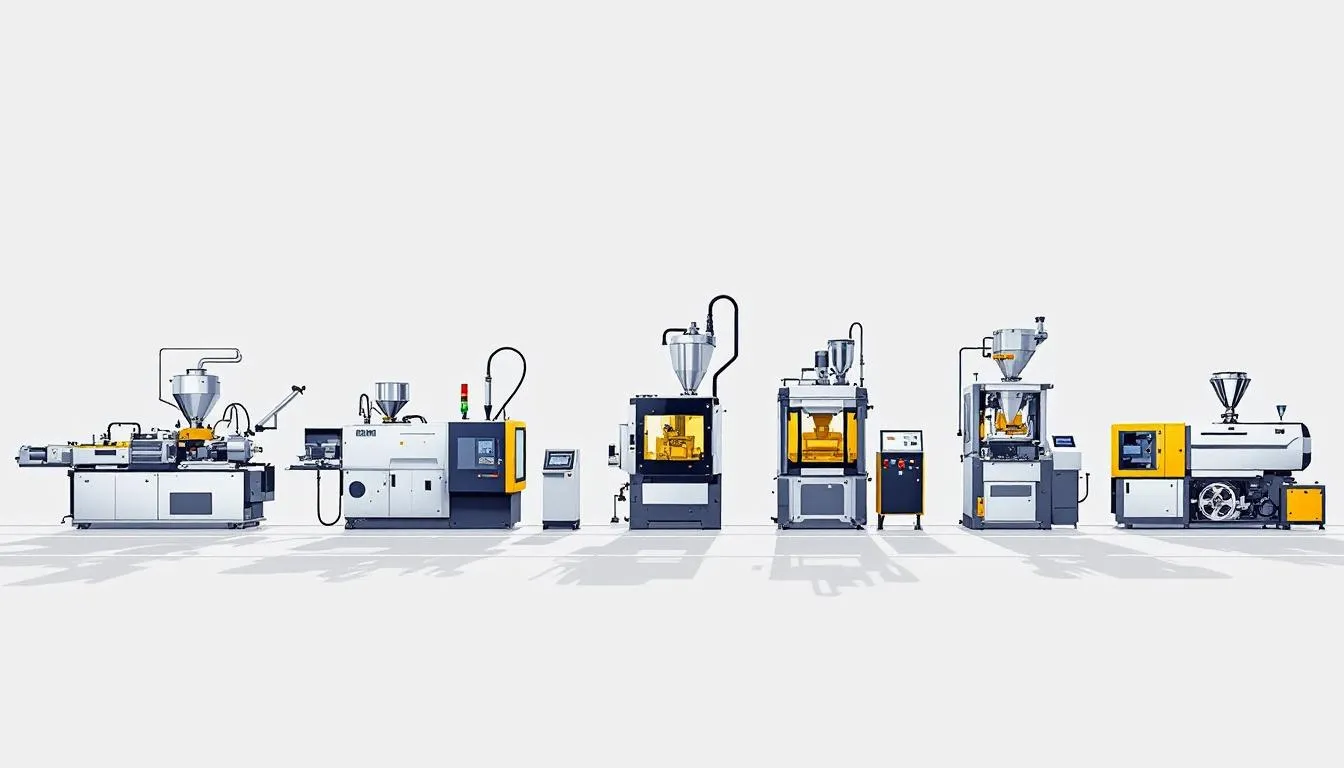
Plastic extruder machines primarily come in two types: single-screw and twin-screw extruders, each with unique advantages suited for different applications.
Single-screw extruders, commonly used for producing pipes, sheets, and profiles, are versatile and generally more cost-effective. Their simpler construction makes them a popular choice for many manufacturers.
On the other hand, twin screw extruders offer superior mixing capabilities and can handle high-viscosity materials more effectively. They are ideal for applications that require extensive material blending, providing greater production flexibility.
In addition to these, co-extruders enable the simultaneous extrusion of multiple layers, enhancing product functionality and performance. Understanding the types of extruders available can help you choose the one that best fits your production needs.
Customization Options for Plastic Extruder Machines
Customization is key when it comes to plastic extruder machines. One critical specification that affects the output capacity is the screw diameters, which can range from 12mm for micro-extrusion to 300mm for large-scale production. The length-to-diameter ratio (L/D) also plays a significant role, influencing material residence time and processing complexity.
Specific screw designs, such as mixing screws and barrier screws, can enhance melt homogeneity and improve melting efficiency. These designs cater to specialized processing needs, allowing for more precise control over the extrusion process.
Moreover, innovative plastic materials like nylon and polyethylene are becoming increasingly common in custom plastic extrusion. These materials offer improved performance characteristics, making them ideal for various applications. Customization options are vital for tailoring plastic extruder machines to meet specific production requirements.
Recycling with Plastic Extruder Machines
Sustainability is a major challenge in the plastic extrusion industry, and plastic extruder machines play a crucial role in addressing this issue. They enable manufacturers to recycle scrap materials into new products, significantly reducing the environment impact.
Technologies such as induction heating systems and specialized recycling extruders have been developed to enhance sustainability in plastic extrusion solutions. Utilizing recycled materials in the extrusion process decreases landfill waste and minimizes the reliance on new plastic production. Closed-loop systems further help in reducing raw material needs, promoting a more sustainable manufacturing process.
Integrating these recycling technologies, plastic shredder extruder machines contribute to a greener future by converting plastic waste into valuable resources for 3D printing filament production.
Key Features of High-Quality Plastic Extruder Machines
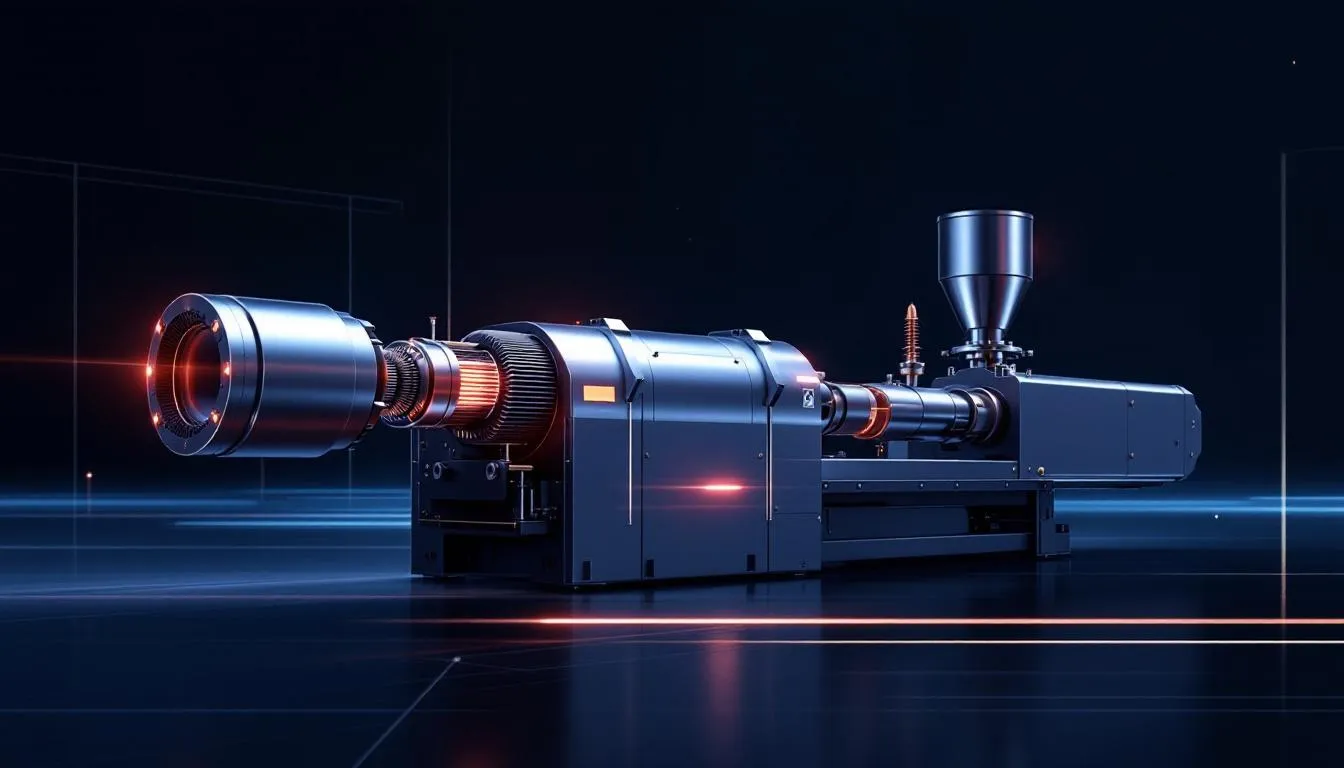
High-quality plastic extruder machines boast features that ensure efficient and consistent production. Managing temperature is crucial; both the extruder and die must maintain suitable thermal profiles to prevent material degradation and ensure consistent product characteristics. Modern extruders often have multiple heating and cooling zones to manage these temperature profiles.
Energy-efficient designs also contribute to reduced operational costs in plastic manufacturing. High-speed extruders are designed to consume energy more efficiently, allowing for greater output with lower overall manufacturing costs.
Digital monitoring systems are also becoming commonplace, enhancing quality control and operational efficiency. Collectively, these features ensure plastic extruder machines meet production demands effectively, offering high performance and durability.
Plastic Extruder Machine Applications
Plastic extruder machines are incredibly versatile, capable of producing a wide variety of items such as pipes, profiles, and medical devices. Twin screw extruders, for example, are used for applications like the regranulation of PVC. This highlights their specific functionality and adaptability.
In 3D printing, plastic extruders are essential for producing materials like PLA and ABS filaments. Properly matching the extruder and die ensures flow stability and dimensional accuracy. Specialized applications, such as TPU filament for protective smartphone covers, showcase the diverse potential of extruded materials.
Filabot, for instance, specializes in transforming plastic waste into usable 3D printing filament, promoting recycling and sustainability. This versatility makes plastic extruder machines indispensable in various industries, including those that utilize abs filament.
Costs and Investment Considerations
Factors influencing the cost of plastic extruder machines include:
- Material type
- Component quality
- Screw length
- Downstream equipment
- Accessories
Single-screw extruders are generally more affordable due to their simpler construction.
Higher capacity extruders tend to be more expensive because they require advanced engineering and more powerful components. Basic models range from several thousand to tens of thousands of dollars, suitable for small production needs. Medium-capacity extruders can be priced in the tens to hundreds of thousands of dollars, accommodating a broader range of production requirements.
When planning your budget, account for:
- The machine’s price
- Shipping
- Installation
- Any additional expenses
Considering these factors ensures a well-informed investment decision and helps guarantee avoiding future money strain.
After-Sales Support and Maintenance
Evaluating after-sales support and maintenance services from suppliers is crucial when investing in a plastic extruder. Quality after-sales services ensure ongoing performance and reliability for customers. Selecting machines from reputable brands and ensuring strong after-sales support can significantly enhance production efficiency and machine reliability.
Key factors for maintaining extruder machine performance include:
- Regular maintenance to prevent unexpected machine failures and avoid production delays.
- A robust parts supply chain to sustain machine performance over time.
- Prompt technical support to minimize downtime and maintain productivity.
Effective auxiliary equipment, such as precision feeders and dehumidifying systems, is critical for maintaining production quality and preventing defects. These considerations are essential for ensuring the longevity and efficiency of your plastic extruder machines.
Choosing the Right Plastic Extruder Machine for Your Needs
Selecting the right plastic extruder machine optimizes production efficiency and material handling. Comparing prices and services across suppliers ensures an informed purchase and the best value. Technical training for machine operators enhances operational efficiency and minimizes errors.
Screw speed significantly impacts output capacity, with modern extruders typically operating between 100 and 180 RPM to enhance production rates. The gearbox size and weight for high-speed extruders differ from conventional ones, affecting the overall manufacturing cost per unit output.
Considering these factors helps you choose a plastic extruder machine that best suits your production needs and budget, ensuring efficient and cost-effective filament production.
Emerging Trends in Plastic Extrusion Technology
The plastic extrusion industry is continually evolving with new technologies and materials. Energy-efficient technologies like twin-screw extruders enhance processing efficiency and reduce overall energy consumption. The market for plastic extrusion is projected to grow at a rate of 3.7% annually from 2022 to 2030, reflecting increasing demand across various sectors.
Innovations in the industry include:
- The development of new materials like carbon fiber and polypropylene, which offer enhanced properties for 3D printing filaments.
- The integration of digital monitoring systems.
- Advanced temperature control technologies pushing the boundaries of what’s possible in filament extrusion technology.
These emerging trends highlight the industry’s commitment to sustainability, efficiency, and innovation, paving the way for the developing next generation of plastic extruder machines that were created by companies.
Summary
In summary, plastic extruder machines are essential tools for efficient 3D printing filament production. Understanding the different types, customization options, and key features of these machines is crucial for making informed investment decisions. Recycling capabilities and emerging trends in plastic extrusion technology further enhance the value and sustainability of these machines.
Choosing the right plastic extruder machine involves considering factors like cost, after-sales support, and the specific needs of your production process. By doing so, you can optimize production efficiency and contribute to a more sustainable manufacturing environment.
Inspire yourself to explore the latest trends and technologies in plastic extrusion, transforming plastic waste into valuable 3D printing filaments and pushing the boundaries of innovation.
Frequently Asked Questions
What are the main types of plastic extruder machines?
The main types of plastic extruder machines are single-screw and twin-screw extruders, each tailored for specific applications and providing distinct benefits. Understanding these differences can help you choose the right machine for your needs.
How do plastic extruder machines contribute to recycling?
Plastic extruder machines play a vital role in recycling by converting scrap materials into new products, thereby decreasing landfill waste and reducing the need for new plastic production. This process supports a more sustainable cycle of plastic use.
What factors influence the cost of plastic extruder machines?
The cost of plastic extruder machines is influenced by factors such as material type, component quality, screw length, and whether they are single or twin screw models. Additionally, the required downstream equipment and accessories also play a significant role in determining the overall price.
Why is after-sales support important for plastic extruder machines?
After-sales support is crucial for plastic extruder machines as it guarantees ongoing performance, prevents unexpected failures, and reduces production delays. Reliable support helps maintain efficiency and productivity in your operations.
What are the emerging trends in plastic extrusion technology?
Emerging trends in plastic extrusion technology focus on energy efficiency, the development of advanced materials such as carbon fiber and polypropylene, and the incorporation of digital monitoring systems. These advancements are reshaping the industry for improved performance and sustainability.