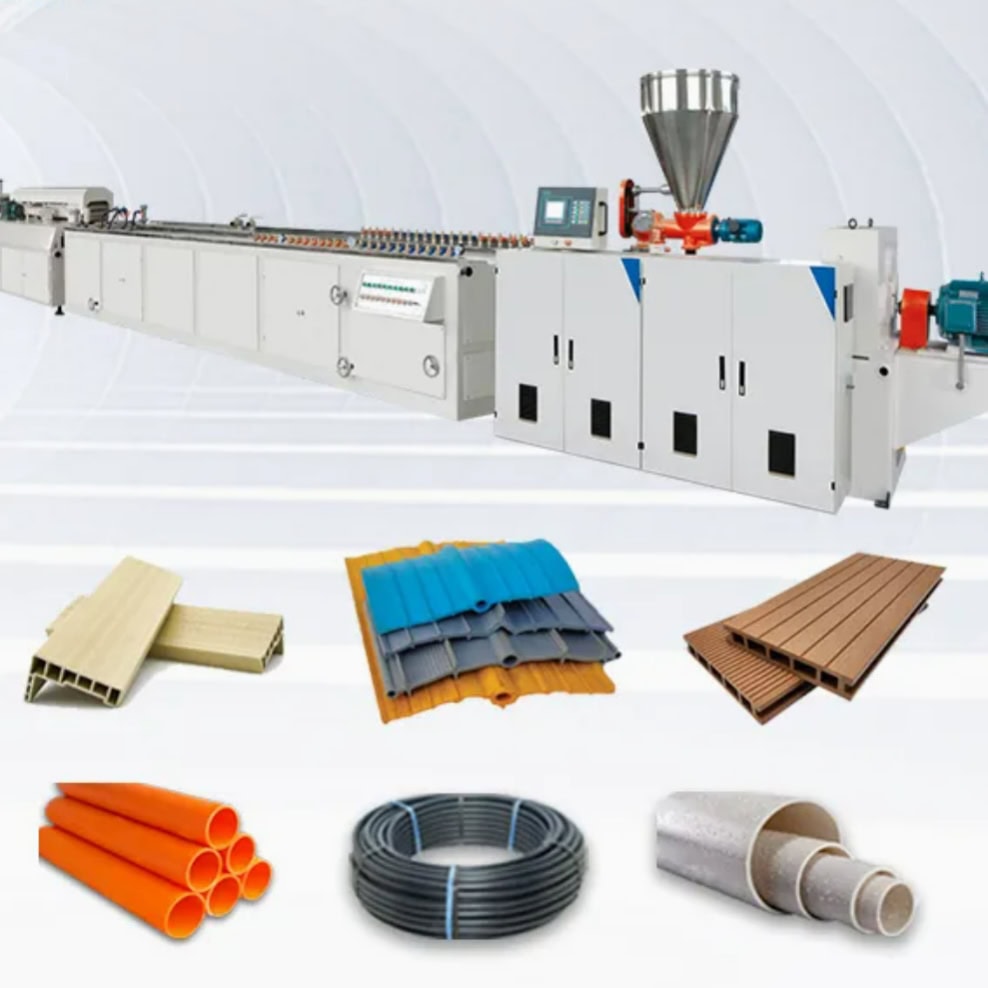
1、Do you know, what is PVC Extruders?
PVC extruders are the workhorses of the plastic manufacturing industry, used to produce a variety of plastic products. They ensure that materials are evenly mixed, melted, and re-melted to create the desired shape or form. Customizable to process a wide range of plastic materials, including PVC, HDPE, and pet food or grain-based food, PVC extruders are a vital component of a plastic pipe extrusion line, enabling the production of high-quality plastic pipes.
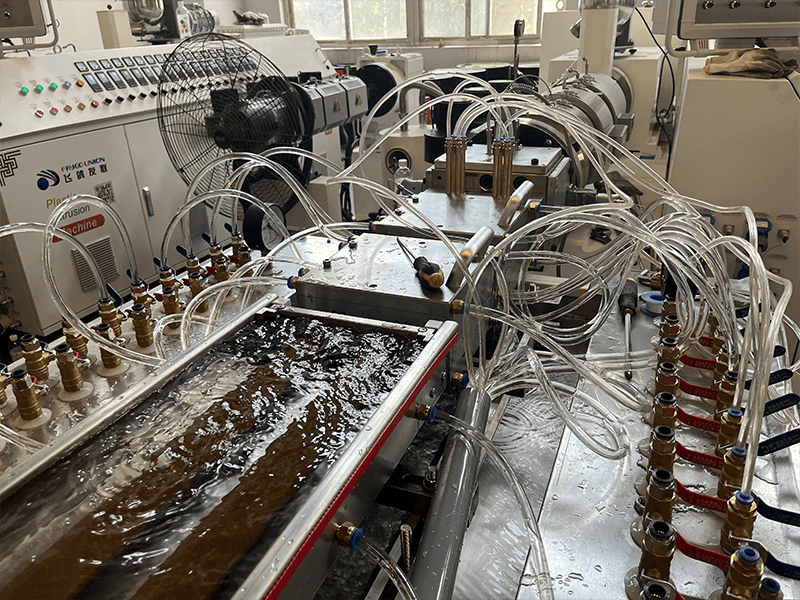
2、How many types of PVC Extruders?
There are three core types of extruders on the market:
- Single screw extruders are widely used for producing plastic pipes and profiles. They are known for their simplicity and cost-effectiveness.
- Twin screw extruders, including parallel twin screw extruders, are utilized for producing pipes, profiles, and sheets/boards. They offer better mixing and are suitable for more complex materials.
- Counter-rotating conical twin screw extruders are specialized for producing pipes and profiles, offering high precision and quality.
- Planetary roller extruders are used for producing high-quality plastic products, known for their advanced technology and efficiency.
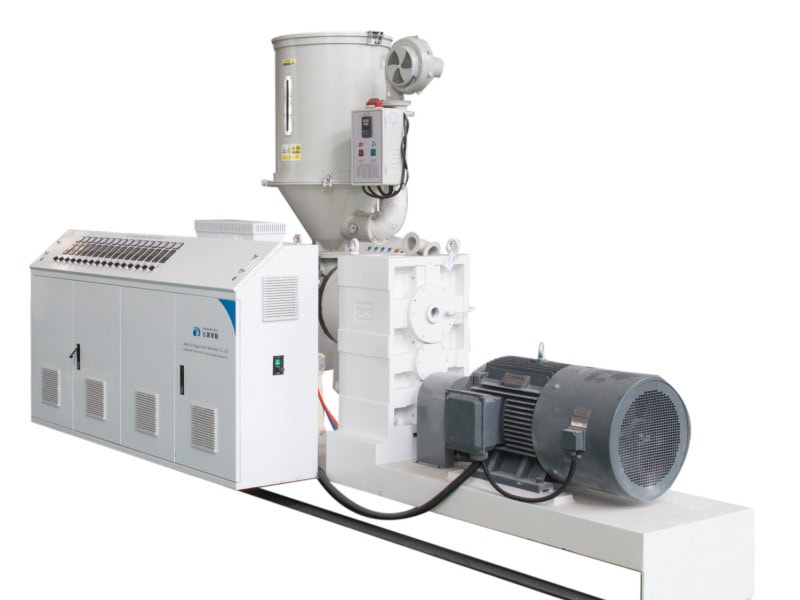
3、Do you know the key components of PVC extruder?
The performance of a PVC extruder is determined by its components:
- The extruder screw is critical, designed to ensure a homogeneous mixture, better plastification, and production efficiency.
- Mechanical components, such as gears and bearings, are essential for the smooth operation of the extruder.
- Downstream equipment, such as pelletizers and cutters, are used to process the extruded plastic material.
- The extruder barrel is designed to withstand high temperatures and pressures, ensuring the integrity of the extrusion process.
4、What is common Applications of PVC Extruder Machines?
PVC extruders find their applications in various sectors:
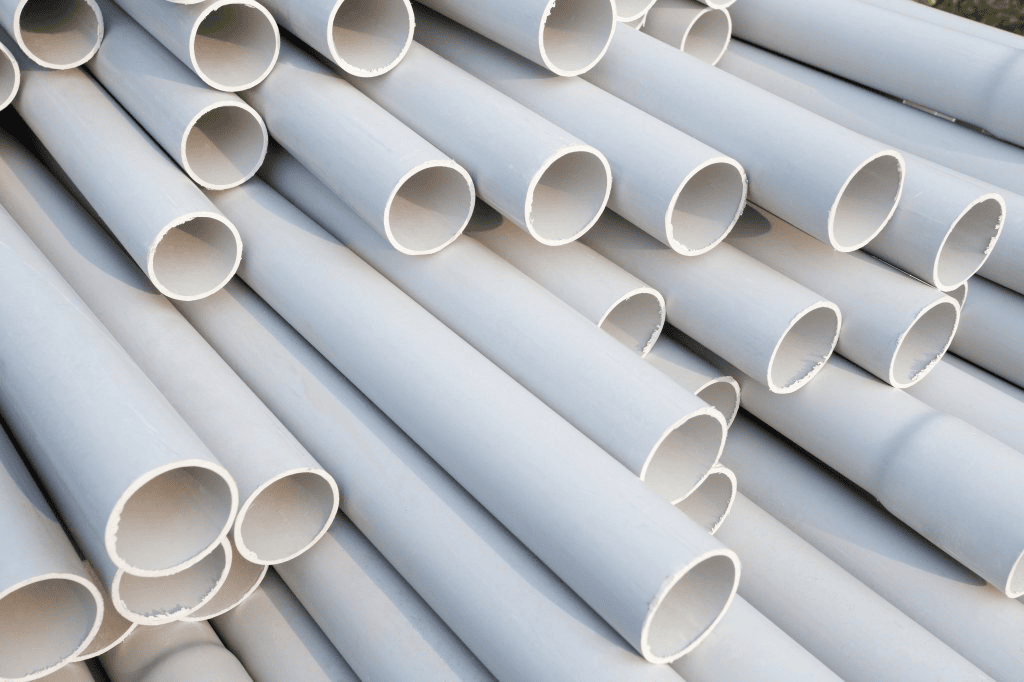
- PVC Pipes: Used in construction, plumbing, and drainage, PVC pipes are a staple in the building industry.
- Profiles: Employed in window frames, door profiles, and other construction components, profiles add structural integrity and aesthetic appeal.
- Sheets and Boards: With applications in signage, packaging, and the automotive industry, PVC sheets and boards are versatile and durable.
5、How to Choose the Right PVC Extruder?
When selecting a PVC extruder, consider the following:
- The type of plastic material to be processed and the desired product quality.
- Evaluate the production capacity and efficiency requirements of your production line.
- Assess the need for customization and flexibility in the extruder design.
- Consider the cost of ownership, including maintenance and operating costs.
6、Do you know the benefits of Using a Plastic Extruder?
There are several benefits plastic extruders can supply:
- They enable high-volume manufacturing processes, producing standard products like pipes and profiles.
- Customizable to process a wide range of plastic materials and produce various products.
- Cost-advantageous and efficient, making them an attractive option for many industries.
- They enable the creation of complex shapes and forms.
7、How and when to maintenance and Troubleshooting?
Regular maintenance is essential to ensure the smooth operation of the extruder. Troubleshooting common issues, such as clogging and overheating, can help minimize downtime. Proper cleaning and lubrication of mechanical components can extend the lifespan of the extruder. Regular inspection of the extruder screw and barrel can help identify wear and tear.
8、What is safety Precautions and Best Practices?
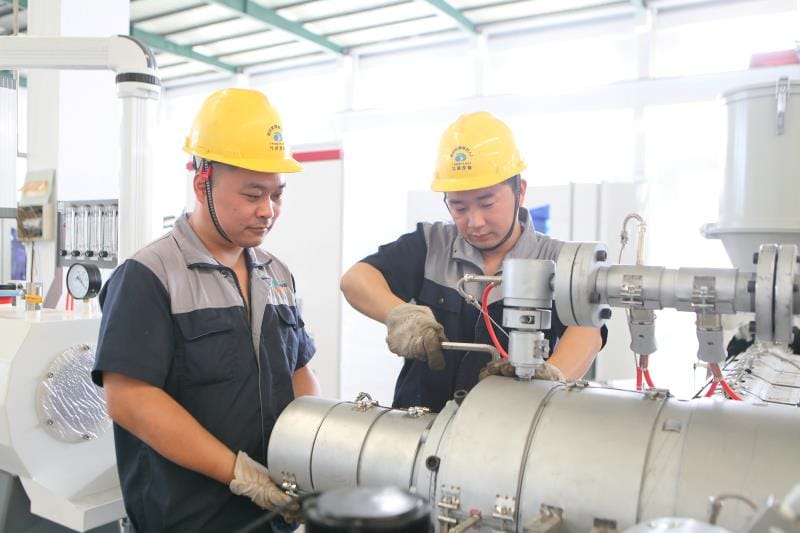
Ensure proper training and supervision of operators to prevent accidents. Follow safety guidelines and regulations when handling hot and sharp objects. Use personal protective equipment, such as gloves and safety glasses, when working with the extruder. Regularly inspect the extruder and downstream equipment to ensure safe operation.
9、How to calculate investment cost?
The cost of a PVC extruder depends on many factors, including the material to be processed and the quality of the parts. Consider the total cost of ownership, including maintenance and operating costs. Evaluate the cost-effectiveness of different extruder designs and configurations. Consider the potential for energy savings and reduced waste.

Overall, choosing the right PVC extruder is crucial to maximizing the efficiency of your production line.
Understanding the different types of PVC extruders and their key accessories can help you make more efficient decisions. Keep in mind that no matter what kind of machinery, regular maintenance and troubleshooting are required, which helps minimize downtime and ensure safe operation.
Through accurate accounting, you can match the lowest cost with the maximum benefit and optimize the production line to maintain market competitiveness.
If you want to know more about PVC extruder, please contact us: FAYGO UNION for expert advice on choosing the PVC extruder that best suits your current needs. Let our experience guide you to find the most efficient and cost-effective solution for your plastic manufacturing needs.
This article provides a comprehensive overview of PVC extruder machines, their types, components, applications, and considerations for purchase. It is designed to be informative and actionable, guiding readers towards making informed decisions about their extrusion equipment.
]]>
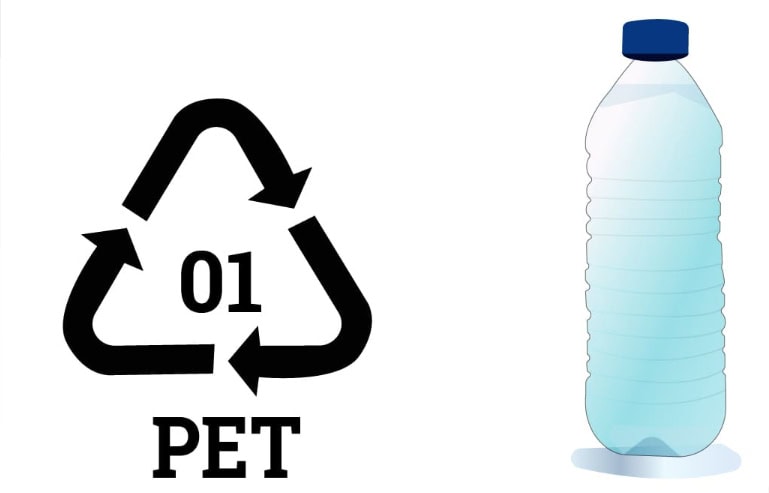
What is PET Plastic?
Polyethylene terephthalate (PET) is a type of polyester widely used in the packaging industry. It is favored for its strength, chemical resistance, and excellent ability to preserve the freshness of liquids and food products. PET is also highly recyclable, contributing to its appeal as an environmentally friendly material in comparison to other single-use plastics.
Typical applications of PET include:
- Bottled water and soft drink containers
- Food packaging
- Synthetic fibers for clothing and textiles
Understanding BPA and Its Health Concerns
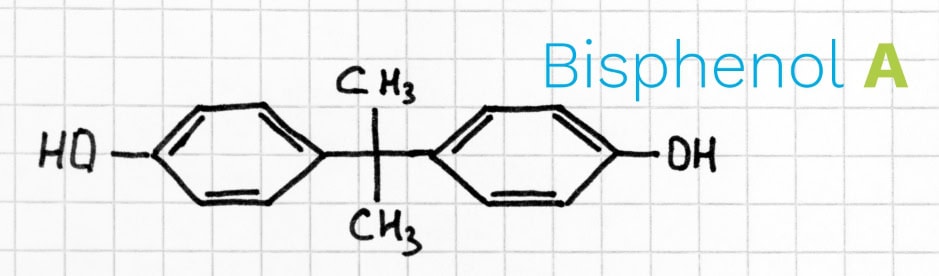
BPA, or bisphenol A, is a chemical compound often used in manufacturing polycarbonate plastics and epoxy resins. It gained notoriety due to studies linking it to potential health risks, including hormonal disruption, cardiovascular issues, and developmental problems in children. These concerns led to a widespread consumer demand for “BPA-free” products, especially in the food and beverage industry.
Is PET Plastic BPA Free?
Yes, PET plastic is 100% BPA-free. Unlike polycarbonate plastics, PET does not use bisphenol A in its production process. This makes it a safe choice for bottled water and other food-grade applications.
There are no chemical phthalates or bisphenol A (BPA) in PET plastic, and therefore PET plastic does not leach these substances. PET plastic is approved as safe contact by FDA and similar regulatory agencies throughout the world, and has been for more than 30 years.
Is PET Plastic Safe for Drinking Water?
The safety of PET for drinking water has been studied extensively by health and regulatory authorities around the world. According to the FDA, European Food Safety Authority (EFSA), and other regulatory bodies, PET is a safe material for holding drinking water and other beverages.
PET is an inert material, meaning it does not react with water or other liquids stored inside. This makes it an ideal choice for bottled water, as it does not affect the taste or quality of the liquid. Unlike other types of plastic that may release harmful chemicals or toxins into the contents over time, PET remains stable and does not leach substances into the water.
In fact, PET is one of the most reliable plastics for food and beverage storage. It is resistant to impacts and can withstand the rigors of transportation and handling without breaking or leaking. Furthermore, PET is highly resistant to moisture, which helps preserve the freshness of bottled water and extends shelf life.
Reusing PET Bottles: Best Practices for Safety
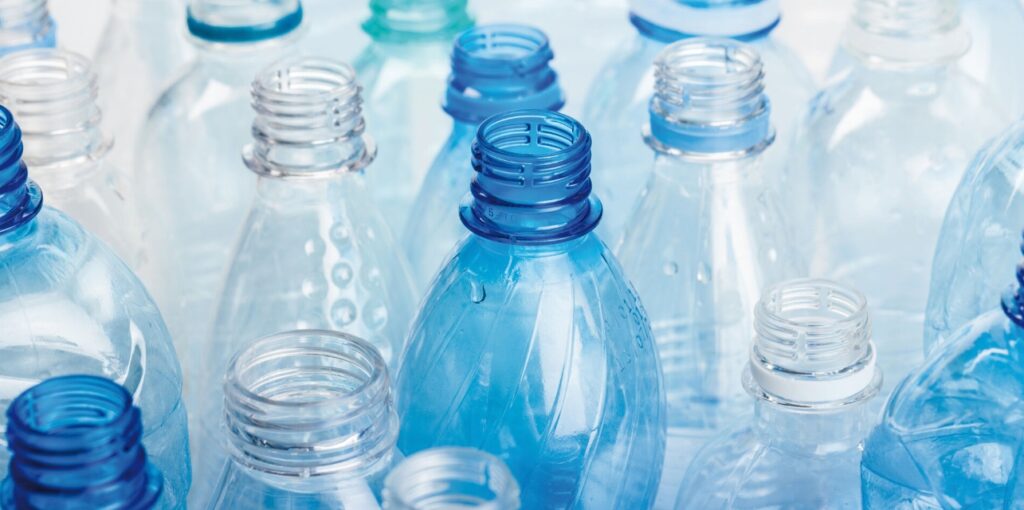
While PET is safe for single-use applications, many consumers wonder whether it is safe to reuse PET water bottles. While PET itself is non-toxic, reusing a plastic bottle multiple times can lead to wear and tear, potentially creating opportunities for bacteria to accumulate in the bottle. Avoid Heating PET Bottles,as this can cause degradation of the plastic and potentially lead to harmful chemical release.
If you plan to reuse a water bottle frequently, consider switching to a reusable stainless steel or glass bottle, which is designed for long-term use and is generally more durable than PET.
Comparison: PET vs Other Plastics
When choosing a plastic bottle, it is important to understand the differences between PET and other materials:
- Polycarbonate Plastics: Often associated with BPA, polycarbonate is now less commonly used due to health concerns.
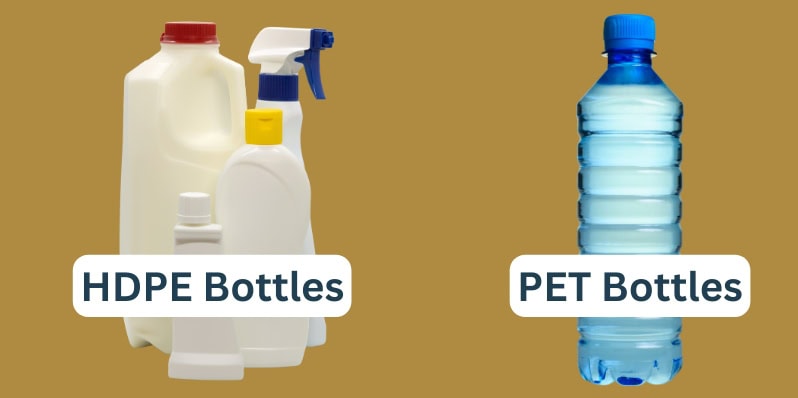
- High-Density Polyethylene (HDPE): Durable and BPA-free, but less transparent than PET.
- Glass and Stainless Steel: While these are BPA-free and reusable, they are heavier and less convenient for on-the-go use.
PET stands out as a lightweight, BPA-free option that balances safety, functionality, and environmental responsibility.
Common Myths About PET Plastic
Despite its widespread use and safety, there are several myths and misconceptions about PET plastic. Let’s take a look at some of the most common ones:
- Myth #1: PET Bottles Release Harmful Toxins Over Time.
This is false. PET is stable and does not leach harmful chemicals under normal use conditions. As mentioned earlier, PET is a BPA-free plastic, and no harmful substances are released into the water or other liquids it contains. - Myth #2: PET Plastic is Harmful to the Environment.
While it’s true that plastic pollution is a major environmental issue, PET is one of the most recyclable plastics available today. In fact, PET has a high recycling rate, and products made from recycled PET (rPET) are used in a wide range of applications, from clothing to new plastic containers. - Myth #3: PET Bottles Are Not Safe for Hot Liquids.
PET is safe for storing water and other beverages at room temperature. However, it is not suitable for storing hot liquids, as heat can cause the plastic to deform or degrade. PET bottles should never be used for hot beverages, as this can compromise their safety.
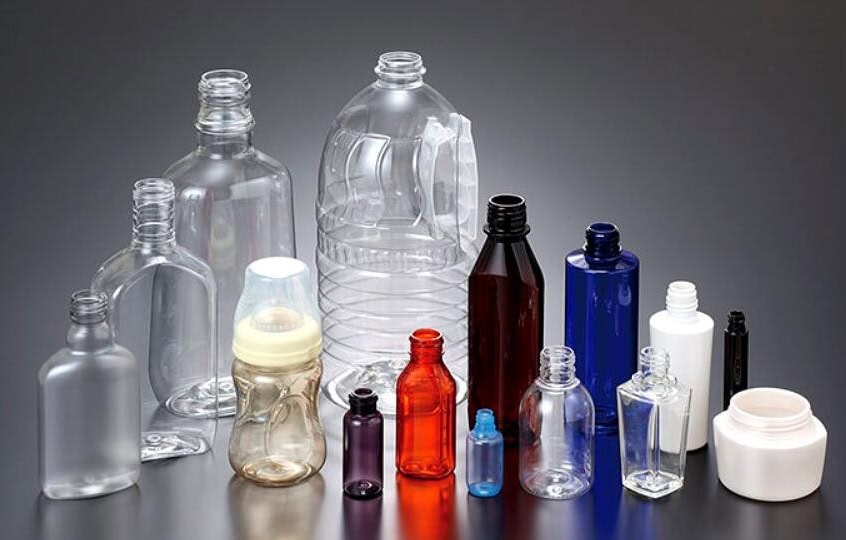
Conclusion on the safety of PET plastic
In conclusion, PET plastic is BPA-free and safe for bottled water. It is a reliable and trusted material used worldwide in the packaging of beverages. With its non-toxic, durable, and recyclable properties, PET has become the material of choice for bottled water manufacturers.
While concerns about plastic safety are valid, PET stands out as one of the safest options for food and beverage packaging. Whether you’re looking to purchase bottled water or considering manufacturing plastic bottle, rest assured that PET plastic is a safe, sustainable, and BPA-free solution.
If you’re a manufacturer looking to invest in bottling equipment, including bottle blowing machines, bottling machines, and packing machines, FAYGO UNION offers high-quality solutions to help you meet your production needs with the utmost safety and efficiency. Contact us today to learn more about our state-of-the-art equipment and how we can assist you in starting your bottled water business.