What is a Twin Screw Extruder?
A twin screw extruder is a machine used in the manufacturing industry, particularly for processing polymers, plastics, and other materials. It features two parallel screws that rotate within a heated barrel, offering several advantages over single screw extruders. These machines are designed to transform plastic polymers and food components into desired forms, shapes, and products through a combination of melting, mixing, and shaping processes.
The Significance of Twin Screw Extruders in Plastic Processing
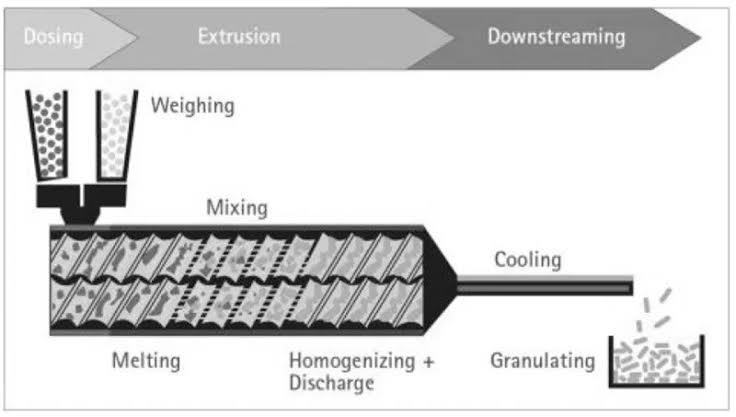
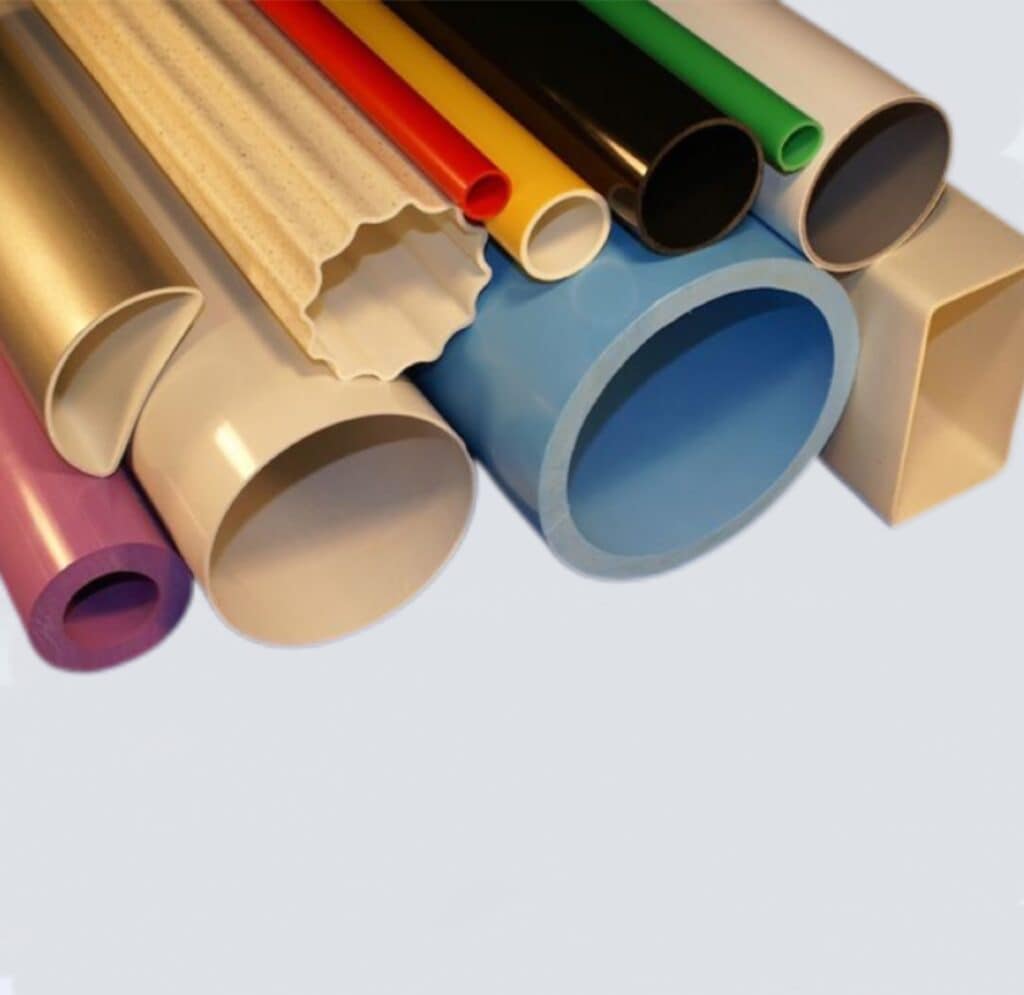
Twin screw extruders play a vital role in the plastics industry by melting, mixing, and shaping materials into desired forms. The intermeshing action of the screws generates shear forces that break down plastic pellets or granules, ensuring thorough melting and dispersion of additives or fillers. This results in a homogeneous melt that can be extruded through a die to produce various products, such as pipes, sheets, or profiles.
Understanding the Difference between Single Screw and Twin Screw Extruders
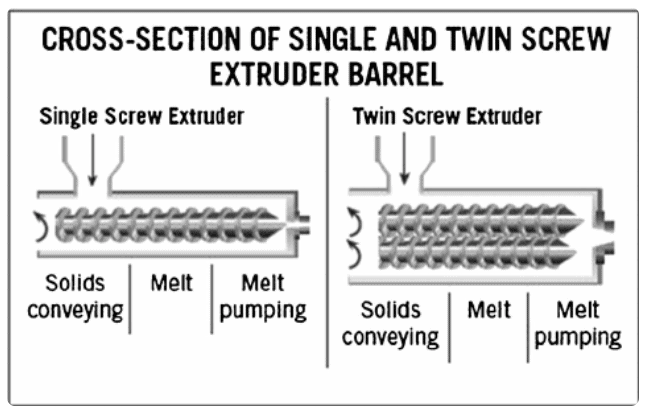
While both single and twin screw extruders are used in plastic processing, twin screw extruders offer several distinct advantages:
Superior Mixing Capabilities: Twin screw extruders provide better mixing and shearing action due to their intermeshing design.
Wider Range of Materials: They can process a broader range of materials, including harder plastics like PVC.
Precise Control: Twin screw extruders offer better control over residence time and temperature, enabling more precise processing of sensitive materials.
Twin Screw Extruder Components
Barrel
The screws are encased within a heated barrel, which provides temperature control for melting and processing the material. The barrel is typically divided into multiple zones, each with independent temperature control, allowing for precise management of the temperature profile along the extrusion path.
Feed Zone
This zone is where the raw material, typically in the form of pellets, granules, or powder, is introduced into the extruder. Its design ensures smooth and consistent feeding of the material onto the screws.
Melting and Conveying Zones
As the material moves along the screws, it encounters these zones, where the combination of heat from the barrel and shear forces from the screws gradually melts and plasticizes the material.
Kneading and Mixing Zones
These zones feature specific screw elements, such as kneading blocks or mixing sections, that provide intensive mixing and shearing action, ensuring thorough homogenization of the melt.
Venting and Vacuum Zones
Twin screw extruders often incorporate venting or vacuum zones, which allow for the removal of volatile components or air from the material, improving the overall quality and consistency of the extruded product.
Die
The die is the final component, where the molten and homogenized material is forced through a shaped orifice to form the desired product shape.

How Does a Twin Screw Extruder Work?
Material Feeding
The extrusion process begins by introducing the raw material into the barrel through a hopper. This ensures a consistent and controlled flow of the material onto the counter-rotating screws.
Conveying and Compression
As the twin screws rotate in opposite directions, they convey the raw material towards the end of the barrel. The screws’ intermeshing design compresses and kneads the material, generating heat through shear forces and friction.
Plasticization and Melting
As the material progresses along the screws, the combination of heat from the heated barrel and the compression and shearing action gradually melts and plasticizes the raw material.
Intensive Mixing and Homogenization
The counter-rotating screws provide a high degree of mixing and kneading action, which enhances the plasticization and homogenization of the molten plastic material.
Melt Pumping and Die Formation
Once the material is fully melted and homogenized, the screws continue to convey and pump the molten plastic mixture towards the end of the barrel, where it is forced through a carefully designed die.
Cooling and Calibration
As the extruded plastic product emerges from the die, it may undergo further cooling and calibration processes, depending on the specific application and product requirements.
Advantages of Twin Screw Extruders
Increased Efficiency and Productivity
Twin screw extruders offer higher mixing capabilities, better control of process parameters, high speed of processing, and better processing of much harder materials like PVC. They are used extensively for mixing, compounding, or reacting polymeric materials.
Flexibility and Versatility in Processing
Twin screw extruders can process a much wider range of materials and have different applications. They are used in various industries, including plastics, rubber, food, and pharmaceuticals.
High-Quality and Consistent Output
Twin screw extruders produce high-quality and consistent output, thanks to their advanced process control system and intermeshing screws.
Twin Screw Extruder Features
Robust and Durable Design
Twin screw extruders are designed with a modular design, allowing for easy maintenance and repair. They feature intermeshing screws that provide better mixing and shearing action.
Advanced Process Control System
The process control system provides visualization functions to regulate and monitor the mixing process in real-time. It allows for the control of temperature, pressure, and screw speed.
Applications of Twin Screw Extruders
Plastics Industry
Twin screw extruders are used in the plastics industry for compounding, melting, and shaping various thermoplastic materials.
Rubber and Elastomer Processing
The high shear forces and efficient mixing capabilities of twin screw extruders make them suitable for processing rubber and elastomeric compounds.
Food Industry
In the food industry, twin screw extruders are utilized for processing and texturizing various food products, such as snacks, cereals, pet food, and meat analogs.
Pharmaceutical and Biomedical Applications
Twin screw extruders find applications in the pharmaceutical and biomedical industries for the production of drug delivery systems, such as sustained-release tablets and transdermal patches.
Recycling and Reprocessing
Twin screw extruders contribute to sustainable practices by enabling the recycling and reprocessing of plastic waste and other materials.
What Twin Screw Extruders Offer
Customized Solutions for Specific Needs
Twin screw extruders can be customized to meet specific needs and applications. They offer a wide range of screw elements and process parameters that can be adjusted to suit different materials and products.
High-Performance and Efficient Processing
Twin screw extruders offer high-performance and efficient processing, thanks to their advanced process control system and intermeshing screws.
Cost-Effective and Environmentally Friendly
Twin screw extruders are cost-effective and environmentally friendly, as they reduce energy consumption and waste.
Process Control and Automation
Advanced sensors and monitoring allow for real-time monitoring of the mixing process. The system provides real-time data analysis and feedback, enabling operators to make adjustments and optimize the process.

Maintenance and Support
Training and Support
Manufacturers offer training and support to ensure that operators are proficient in using the twin screw extruder.
Maintenance and Repair Services
Manufacturers offer maintenance and repair services to ensure that the twin screw extruder is running at optimal levels.
Upgrades and Retrofits
Manufacturers offer upgrades and retrofits to ensure that the twin screw extruder remains up-to-date with the latest technology.
Key Considerations for Selection
Material and Product Requirements
The selection of a twin screw extruder depends on the material and product requirements.
Production Capacity and Efficiency
The production capacity and efficiency of the twin screw extruder should be considered.
Budget and Cost-Effectiveness
The budget and cost-effectiveness of the twin screw extruder should be considered.
Conclusion
Twin screw extruders are machines used in the manufacturing industry, particularly for processing polymers, plastics, and other materials. They offer several advantages, including superior mixing capabilities, better control of process parameters, and high speed of processing. The future of twin screw extrusion technology is promising, with advancements in process control and automation, and the development of new materials and applications.
Ready to optimize your production line with the ultimate twin screw extruder technology? Contact our team today to schedule a consultation or request a product demo. Discover how our advanced twin screw extruders can transform your manufacturing process and deliver exceptional results.