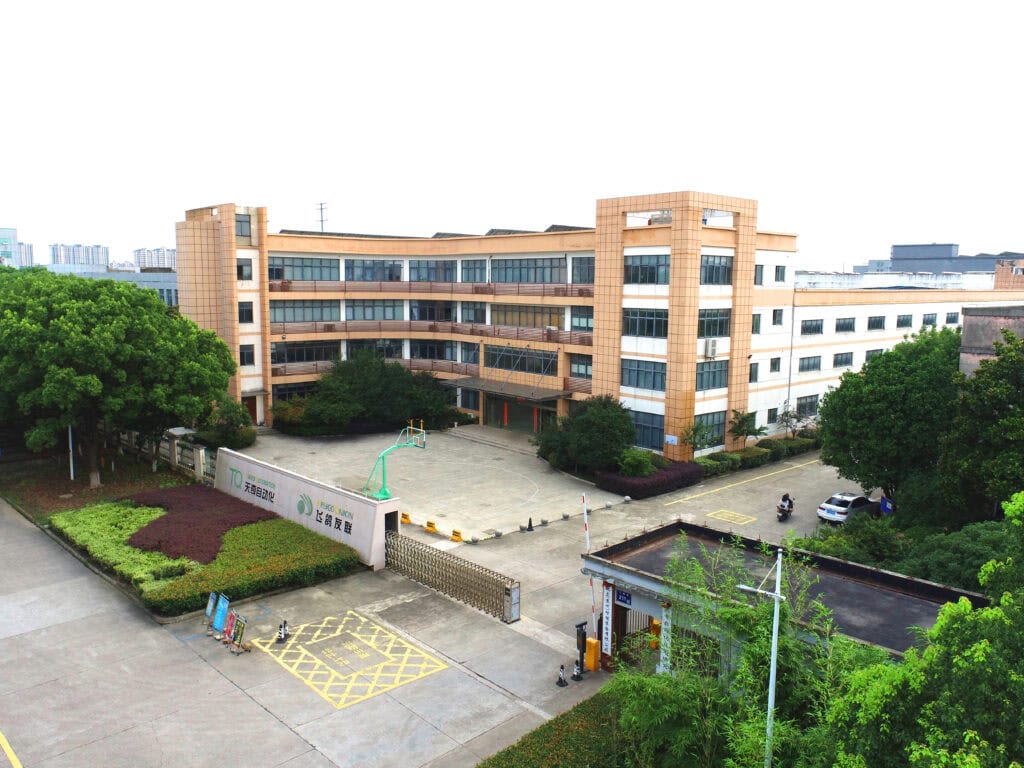
Make good machines and be good people
Faygo Union Machinery Co., Ltd. in Jiangsu Province is a group company with four factories. The four branches respectively design and manufacture plastic pipe, profile, sheet and recycling granulate production equipment; beverage and household chemical bottle blowing equipment; beverage filling equipment; AGV and other automation robotic equipment.

Faygo Union Machinery Co., Ltd. in Jiangsu Province is sold to markets such as the Middle East, Southeast Asia, Africa, South America and Europe, and more than 170 countries around the world. Its products are widely recognized and trusted by customers, such as the line for the production of large diameter 1600mm/PE pipes for nuclear power plants, the products of Faygo Union in cooperation with world-famous companies.
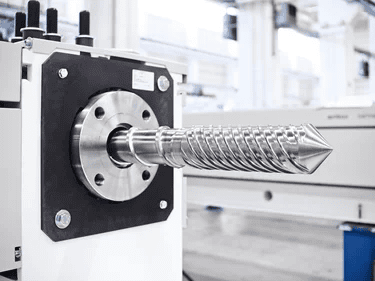
Screw cabins in the feeding section of the twin screw extruder.
Faygo Union has excellent mechanical production technology. Today we will share with you the technical questions of “Screw combination of the feeding section of the twin screw extruder”. Let’s learn about it!
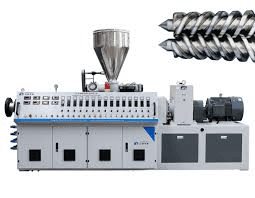
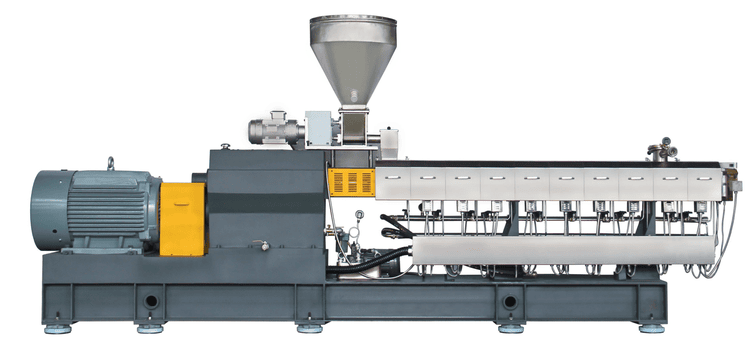
The function of the feeding section of the extruder is to receive the material fed into the feeding hole of the extruder and convey the solid material to the melting section of the extruder. Solids conveying is a single operation that is performed in this area of the extruder. Most single-screw plastics processing is based on pouring: the hopper of the extruder is filled with a polymer or a mixture of polymer and additives.
Screw Composition
Each screw in a twin screw extruder has a screw shaft that is as long as the extruder barrel, and these two elements must be perfectly matched to allow the screw to rotate freely.
The function of the feed section of the extruder is to feed the solids into the extruder without softening or melting the material, thereby maintaining the free flow of the solids.
Conveying Element
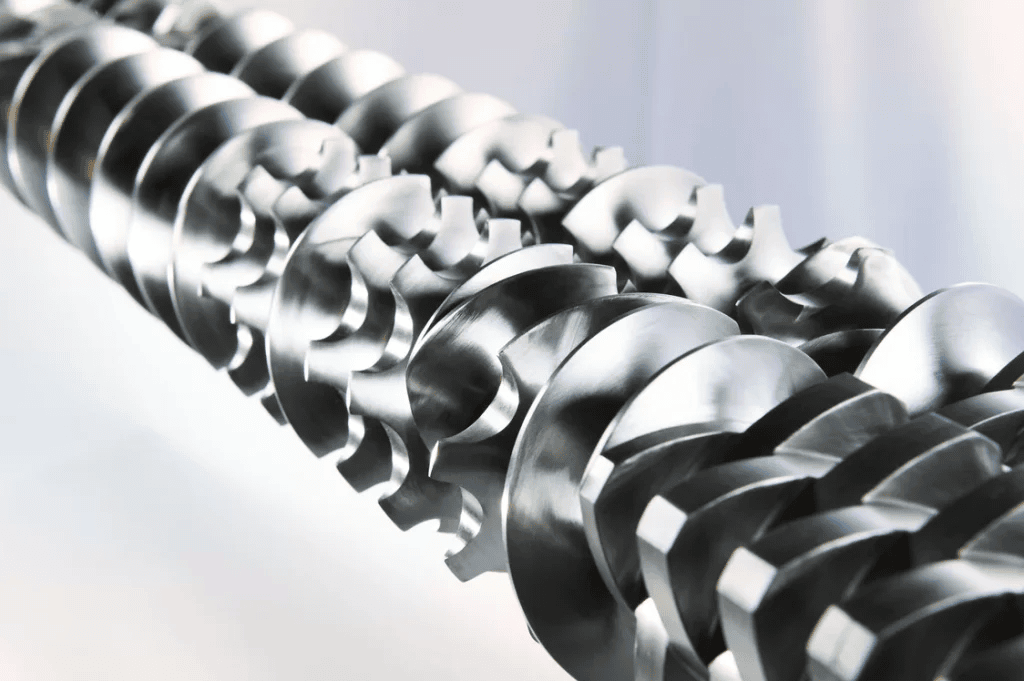
The two main parameters that determine a conveying element are the length of the element and the axial length of the thread that makes a full revolution around the element. The longer the thread length, the wider the channel for transporting the solids. Likewise, the longer the thread length, the further the material is transported in one revolution.
Conveying elements with short thread lengths, also known as “narrow threads,” can only transport material short distances, while elements with “wide threads” will transport material long distances along the entire length of the extruder.
Material Inlet Configuration
The design of the screw in the feed zone to collect the material entering the inlet and feed it quickly into the extruder is often simplified by the use of transition elements.
Powder Inlet Design
Powders are difficult to feed, especially powders with low bulk density and very small particle size. When a light powder falls through the feed hopper, air is entrained downwards along with the powder. The powder/air mixture takes up a large volume and effectively blocks the feed hopper, resulting in reduced or no polymer feed.
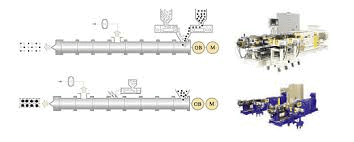
In addition, the entrained air must then exit the extruder. The escaping air has only one path out of the extruder, up into the feed hopper. The escaping air will rise into the feed hopper and can cause fluidization of very light powders. The suspended powder accumulates until it enters the feed hopper and the process is repeated. Due to clogged feed ports and powder feed interruptions, trapped air can cause problems such as low and unstable feed rates.
Minimizing air entrainment and removing air from powder is critical to maintaining an economical feed rate.

Faygo Union and Suzhou Yuda have been engaged in plastic extrusion, bottle blowing and filling, robotic AGV, AMR carts and automated system transformation projects for many years. Let’s work together to make the world a better place.
Company Profile
Jiangsu Faygo Union Machinery Co., Ltd is a high-tech enterprise specializing in the research, production and sales of plastic machinery and equipment, a private science and technology enterprise in Jiangsu Province. Suzhou Yuda Robot Factory is a robotics and automation manufacturing, as well as intelligent factory and new energy, environmental protection

Plastic extrusion is a high-volume manufacturing process that produces continuous profiles, such as pipes and wire insulation.
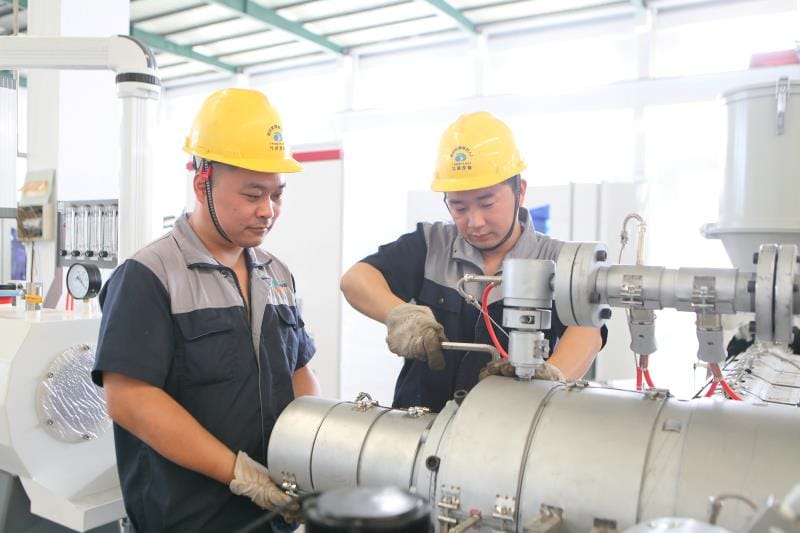
The process starts with feeding plastic material into the extruder, where it is gradually melted by mechanical energy generated from turning screws and heaters.
Single screw extruders are a fundamental type of screw extruder used in plastics extrusion, suitable for processing various plastics and polymers.
The extrusion process involves melting raw materials, such as polyethylene, and shaping them into desired forms using a die.
Types of Extruders
There are two main types of extruders: single screw and twin screw extruders, each with its own advantages and configurations.
Single screw extruders are ideal for simple extrusion tasks, while twin screw extruders are better suited for complex mixing and compounding tasks.

Twin screw extruders, including co-rotating and counter-rotating types, offer superior processing and mixing capabilities compared to single screw extruders.

The choice between single and twin screw extruders depends on the specific application requirements and production needs.
Plastic Pipe Production
Plastic pipe production involves using a plastic pipe making machine, such as a PVC pipe extrusion machine, to produce pipes of various diameters and materials.
The process includes extruding, cooling, and cutting the pipes to the desired length and shape.
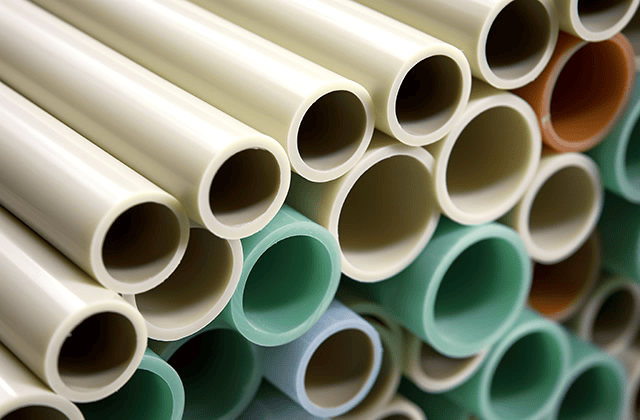
PVC pipe machines are efficient solutions for pipe production, capable of producing high-quality pipes for construction and other applications.
The machinery used in plastic pipe production can be equipped with different dies and configurations to produce pipes with specific shapes and sizes.
Extrusion Processes
The extrusion process involves several key steps, including feeding plastic material, melting, and shaping the material into the desired form.
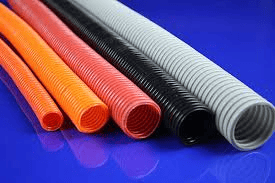
The process can be used to produce a wide range of products, including pipes, sheets, and wire insulation.
Single screw extruders are commonly used in sheet extrusion, pipe extrusion, and other applications where high volume and speed are required.
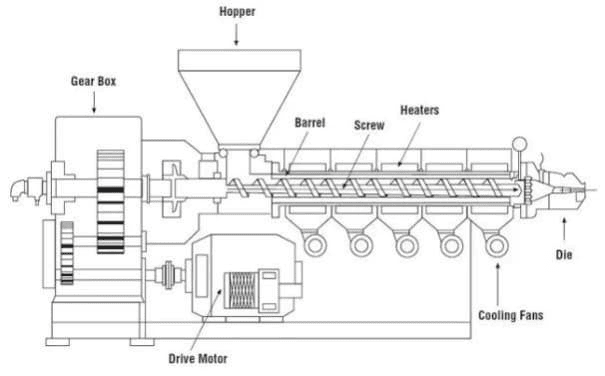
The extrusion process can be optimized by adjusting factors such as temperature, pressure, and screw speed to achieve the desired product quality.
Extrusion Machine Configuration
The configuration of an extrusion machine can vary depending on the specific application and production requirements.
A typical extrusion machine consists of a hopper, barrel, screw, and die, with heaters and cooling systems arranged to control the temperature and pressure.
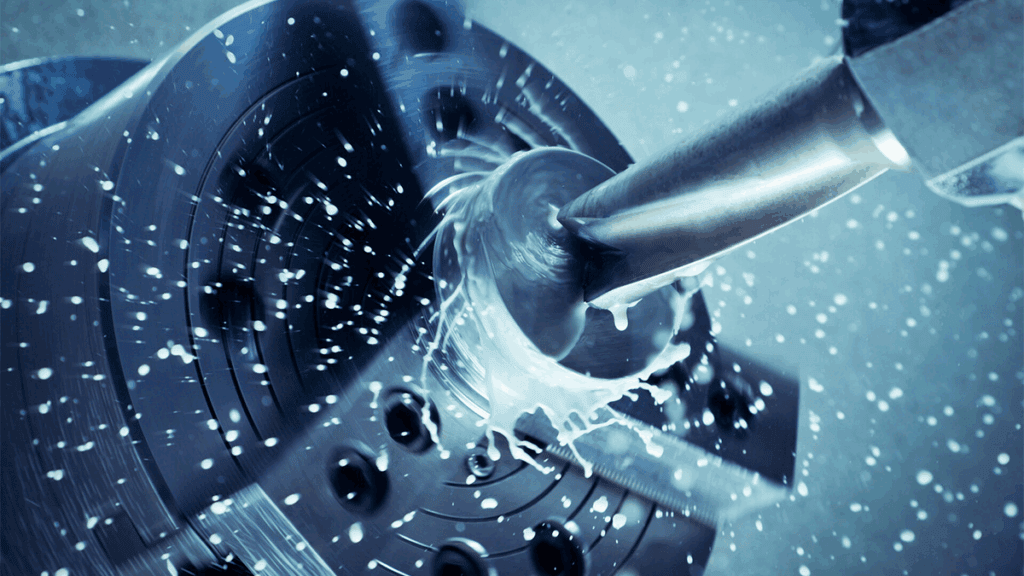
The machine can be equipped with additional components, such as a vacuum system or a cutting device, to enhance its functionality and efficiency.
The choice of extrusion machine configuration depends on factors such as the type of plastic material, production volume, and product quality requirements.
Applications of Plastic Extrusion
Plastic extrusion has a wide range of applications, including the production of pipes, sheets, and wire insulation.

The process is used in various industries, such as construction, packaging, and automotive, to produce high-quality products with specific properties and shapes.
PVC pipes, for example, are widely used in construction and plumbing applications due to their durability and resistance to corrosion.

The use of plastic extrusion in these applications offers several benefits, including cost savings, improved product quality, and increased efficiency.
Maintenance and Repair
Regular maintenance and repair are essential to ensure the optimal performance and longevity of an extrusion machine.
The machine should be cleaned and lubricated regularly, and worn-out parts should be replaced promptly to prevent downtime and reduce maintenance costs.
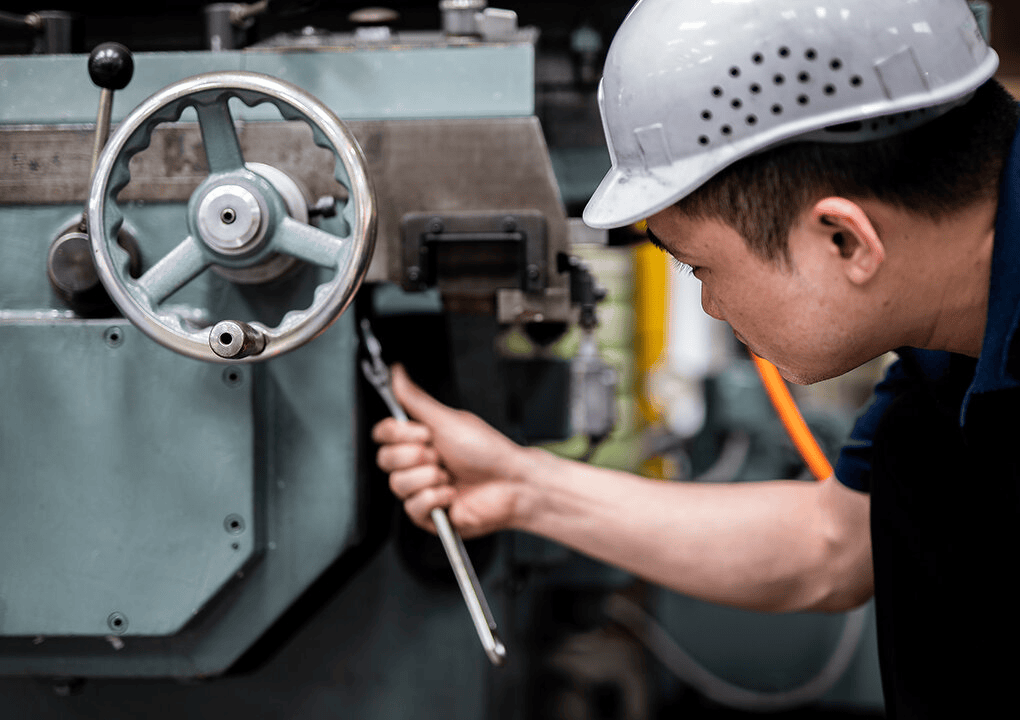
The extrusion machine should also be calibrated and adjusted periodically to ensure that it is producing products with the desired quality and dimensions.
A well-maintained extrusion machine can help to reduce production costs, improve product quality, and increase overall efficiency.
Quality Control
Quality control is an essential aspect of plastic extrusion, as it ensures that the products meet the desired standards and specifications.
The quality control process involves monitoring the extrusion process, inspecting the products, and testing their properties and dimensions.
The use of advanced technologies, such as computer vision and spectroscopy, can help to improve quality control and detect defects or irregularities in the products.
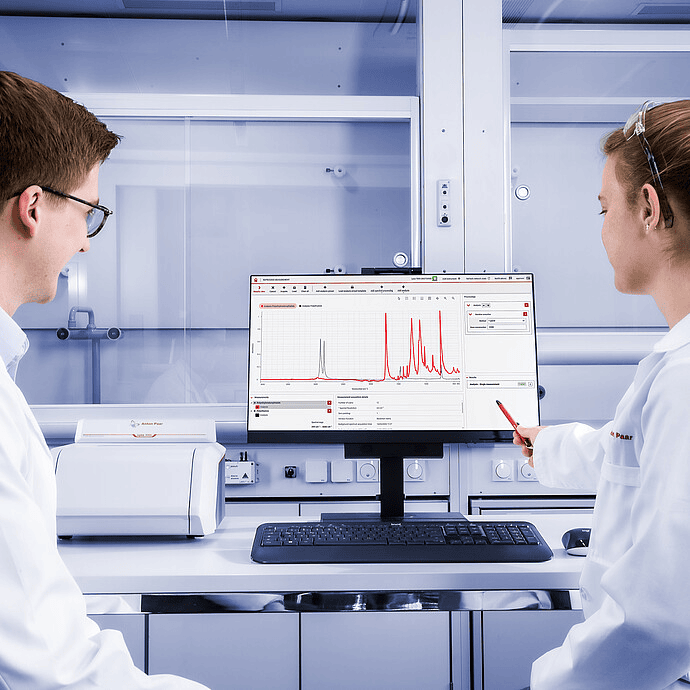
A robust quality control system can help to reduce production costs, improve product quality, and increase customer satisfaction.
Environmental Impact
Plastic extrusion can have a significant environmental impact, as it involves the use of energy, water, and raw materials.
The production of plastic products can also generate waste and emissions, which can harm the environment and human health.

However, the use of plastic extrusion can also offer several environmental benefits, such as reducing waste and energy consumption, and promoting the use of recycled materials.
The development of sustainable plastic extrusion technologies and practices can help to minimize the environmental impact of plastic production and promote a more circular economy.
Industry Trends
The plastic extrusion industry is constantly evolving, with new technologies and trends emerging regularly.

Some of the current trends in the industry include the use of sustainable materials, the development of advanced extrusion technologies, and the increasing demand for high-quality products with specific properties and shapes.
The industry is also shifting towards more efficient and cost-effective production methods, such as the use of single screw extruders and optimized extrusion processes.

The adoption of these trends and technologies can help to improve product quality, reduce production costs, and increase competitiveness in the market.
Research and Development
Research and development are essential for the advancement of plastic extrusion technologies and the development of new products and applications.
The research and development process involves the collaboration of industry experts, academics, and researchers to develop new materials, technologies, and processes.
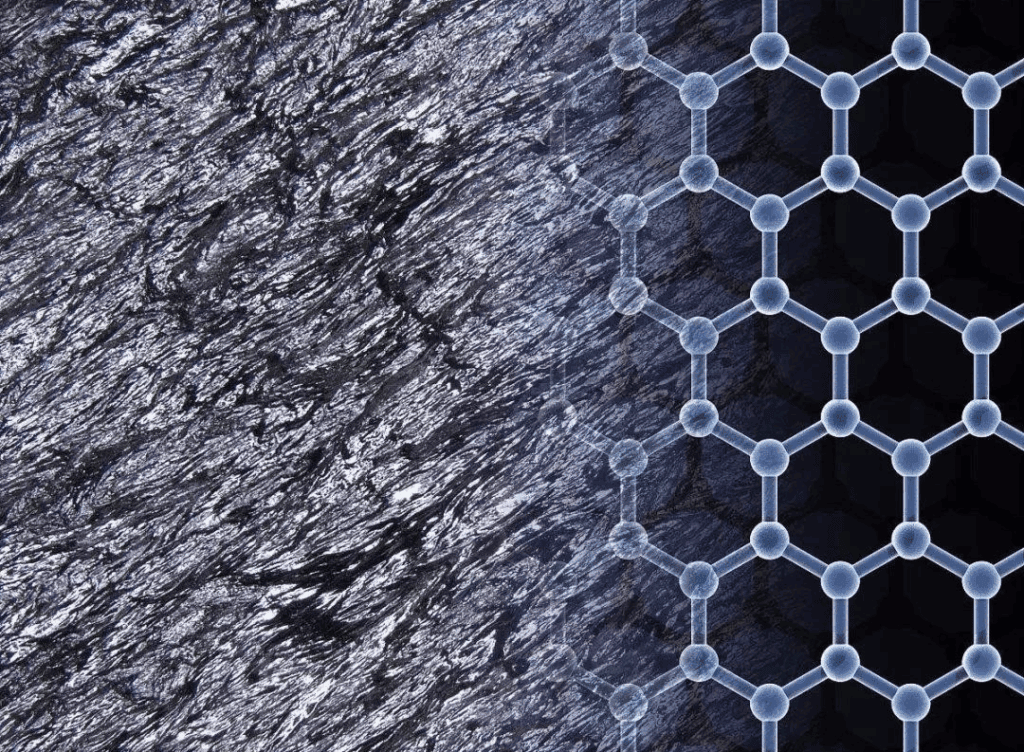
The use of advanced technologies, such as computer simulation and machine learning, can help to accelerate the research and development process and improve the efficiency and effectiveness of plastic extrusion.
The development of new plastic extrusion technologies and products can help to address emerging trends and challenges, such as sustainability and environmental impact.

Benefits of Single Screw Extruders
Single screw extruders offer several benefits, including high volume and speed, simplicity, and cost-effectiveness.
They are ideal for simple extrusion tasks, such as pipe extrusion and sheet extrusion, and can be used to produce a wide range of products with specific properties and shapes.
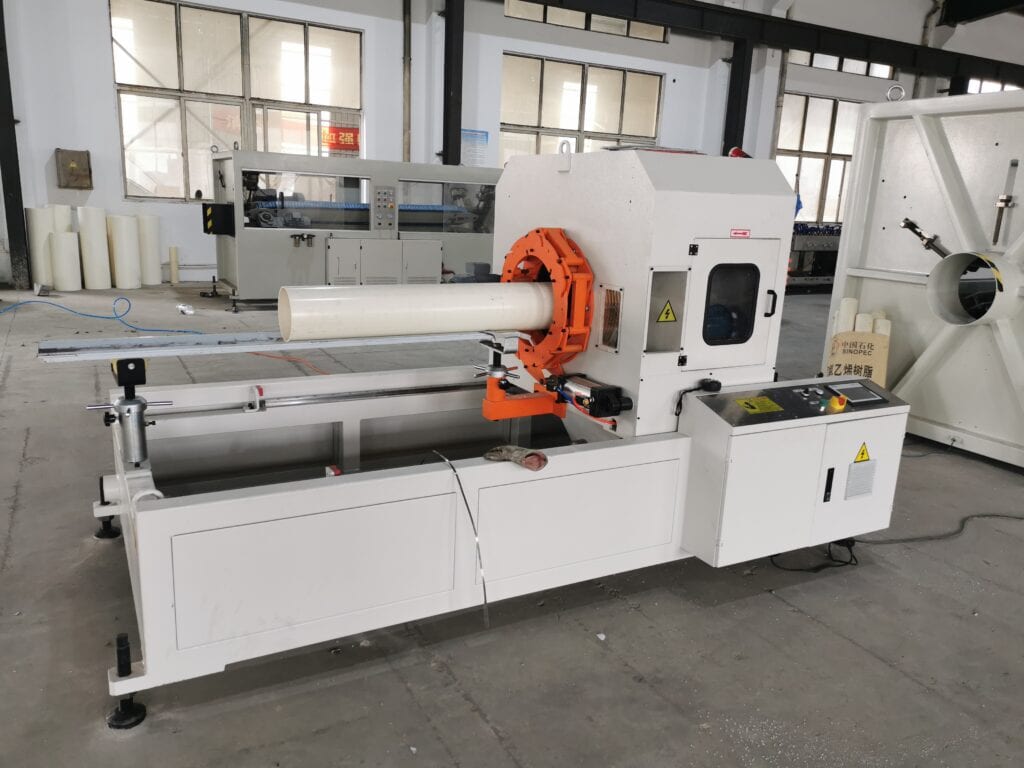
Single screw extruders are also relatively easy to maintain and repair, and can be optimized to improve product quality and reduce production costs.
The use of single screw extruders can help to improve efficiency, reduce costs, and increase competitiveness in the market.