Key Takeaways
- Small plastic extruders are compact and cost-effective machines suitable for DIY projects and small-scale production, allowing users to create custom plastic products and recycle waste.
- There are various types of small plastic extruders, such as single-screw and twin-screw models, each with unique capabilities and applications, influencing material processing and production efficiency.
- Proper maintenance and selection of components are critical for the optimal performance and longevity of small plastic extruders, while choices regarding the machine’s type and brand can significantly impact production quality and reliability.
Introduction to Small Plastic Extruders
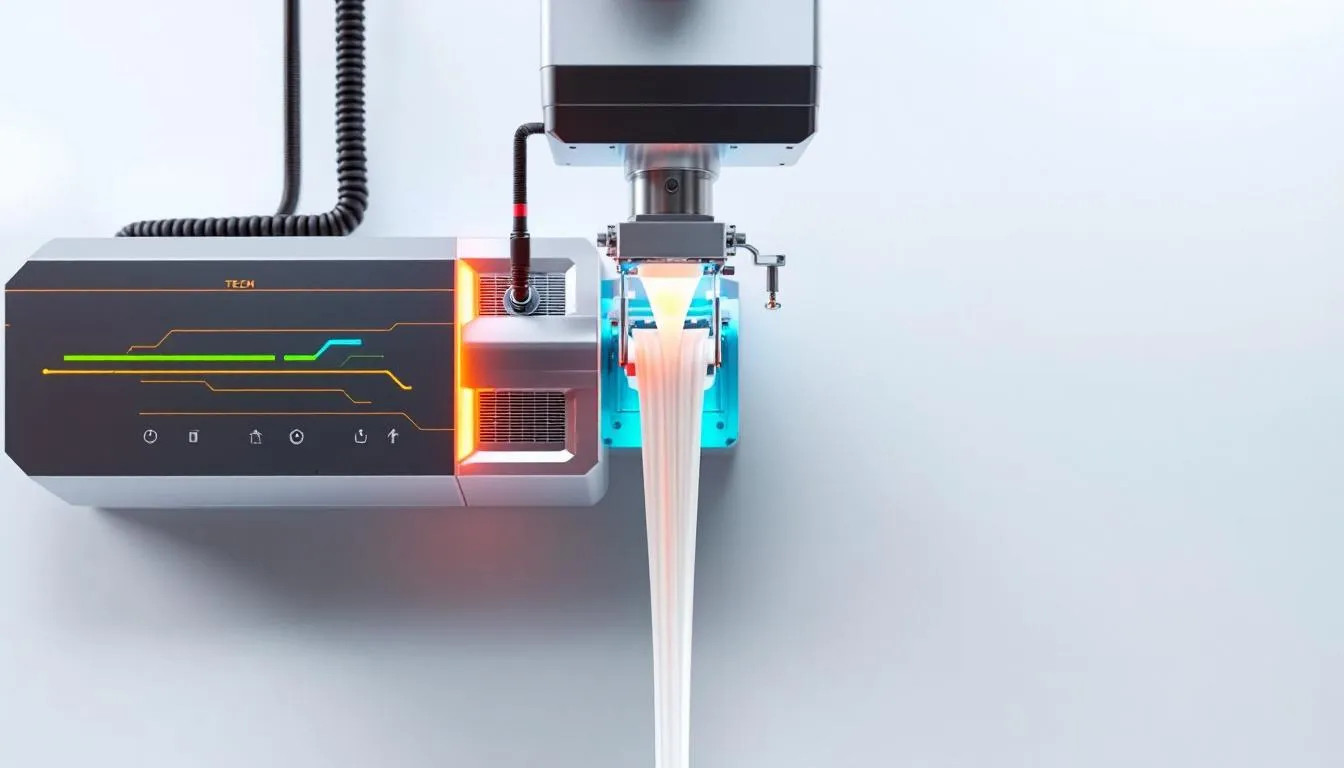
Small plastic extruders are a game-changer for DIY enthusiasts and small-scale producers. These machines allow for the creation of custom plastic products without the need for large industrial setups. Their compact size makes them easy to handle and set up in home workshops or small production facilities, offering flexibility and significant cost savings compared to their larger industrial counterparts.
The ease of use and versatility of small plastic extruders make them ideal for a variety of applications. From crafting unique items to recycling plastic waste into usable products, these machines open up a world of possibilities. Their ability to handle different thermoplastics adds to their appeal, enabling users to experiment with various materials and create products tailored to their specific needs.
Types of Small Plastic Extruders
Understanding the types of small plastic extruders is crucial for choosing the right machine for your needs. The two primary types are single screw extruder and twin-screw extruders. Single-screw extruders are known for their straightforward design and are primarily used for processing general-purpose plastics like polyethylene and polypropylene. They are typically slower and suited for simpler profiles, making them ideal for basic extrusion tasks.
On the other hand, twin-screw extruders offer superior mixed capabilities, making them perfect for applications involving heat-sensitive materials and compounding. Twin-screw extruders can be classified into two different types. These are co-rotating and counter-rotating extruders. Co-rotating twin-screw extruders provide excellent dispersion and are suitable for high filling applications, while counter-rotating twin-screw extruders excel in conveying shear-sensitive materials due to their unique operational direction.
Apart from these, there are specialized extruders for specific applications:
- Devolatilization extruders: designed to eliminate volatile substances from the plastic melt, improving final product quality.
- Shaping extruders: focus on forming products through specific dies and are commonly used in pipe and profile production.
- Film extruders: can be categorized into blown and cast types, each suited for different film characteristics.
- Compounding extruders: enhance the properties of base resins by mixing with additives and fillers.
- Reactive extruders: facilitate chemical reactions during the extrusion process, allowing for improved polymer synthesis.
The versatility of small plastic extruders is further highlighted by their ability to process a variety of thermoplastics, enabling users to experiment with different materials and create a wide range of products. Whether you’re working with polyethylene, polypropylene, or more specialized polymers, there’s a small plastic extruder designed to meet your needs.
Choosing the right type of extruder depends on the specific requirements of your project. Understanding the advantages and limitations of each type will help you make an informed decision and ensure you achieve the best results for your DIY or small-scale production endeavors.
Key Components of a Small Plastic Extruder
To understand how small plastic extruders work, it’s essential to familiarize yourself with their key components. The heart of any plastic extruder is the screw, which is responsible for conveying, melting, mixing, and pressurizing the plastic materials. The screw is divided into three functional zones:
- Feed zone
- Compression zone: gradually reduces the channel depth to effectively melt and mix the plastic
- Metering zone: ensures the melted material is homogeneous and builds pressure before entering the die
The entire barrel plays a critical role in housing the screw and heater the plastic. It is equipped with heating elements that ensure the plastic reaches the desired temperature for extrusion. The nozzle, attached to the end of the barrel, shapes the melted plastic into the desired profiles.
Auxiliary components like the push rod, which is used to manually push plastic chips down from the hopper, and the frame, which provides structural support, are also essential for the smooth operation of the extruder. A tip for ensuring efficiency is to regularly check these components.
Understanding these components and their functions is crucial for operating and maintaining your small plastic extruder. Each part plays a vital role in the extrusion process, and proper maintenance can ensure optimal performance and longevity of the machine.
How Small Plastic Extruders Work
The extrusion process begins with:
- Raw thermoplastic materials being introduced into the extruder through a hopper.
- Inside the barrel, a rotating screw generating pressure that helps to melt the extruded plastic beads.
- Temperature control being crucial during this process to prevent overheating and ensure the plastic melts uniformly.
- Multiple temperature control zones in the barrel allowing for precise heating, which is essential for uniform melting.
The plastic extrusion process involves the following steps:
- Once the plastic is melted, it is filtered through a screen pack to remove any impurities.
- The molten plastic then passes through the die, which shapes it into the desired profile in a continuous process.
- The final step in the process is cooling, which can be achieved through water baths or cooling rolls.
Cooling is crucial for solidifying the extrudate and ensuring the final product maintains its shape and properties in the air under high pressure.
The screw speed is a critical factor in determining the output capacity of a plastic extruder. It affects both production rates and material quality. Selecting the appropriate screw diameter can also influence throughput; larger diameters are better for high-volume production, while smaller ones offer precision for smaller batches.
Auxiliary equipment such as precision feeders and cooling systems are vital for optimizing the extrusion process and achieving a high volume manufacturing process of high-quality outputs.
Applications of Small Plastic Extruders
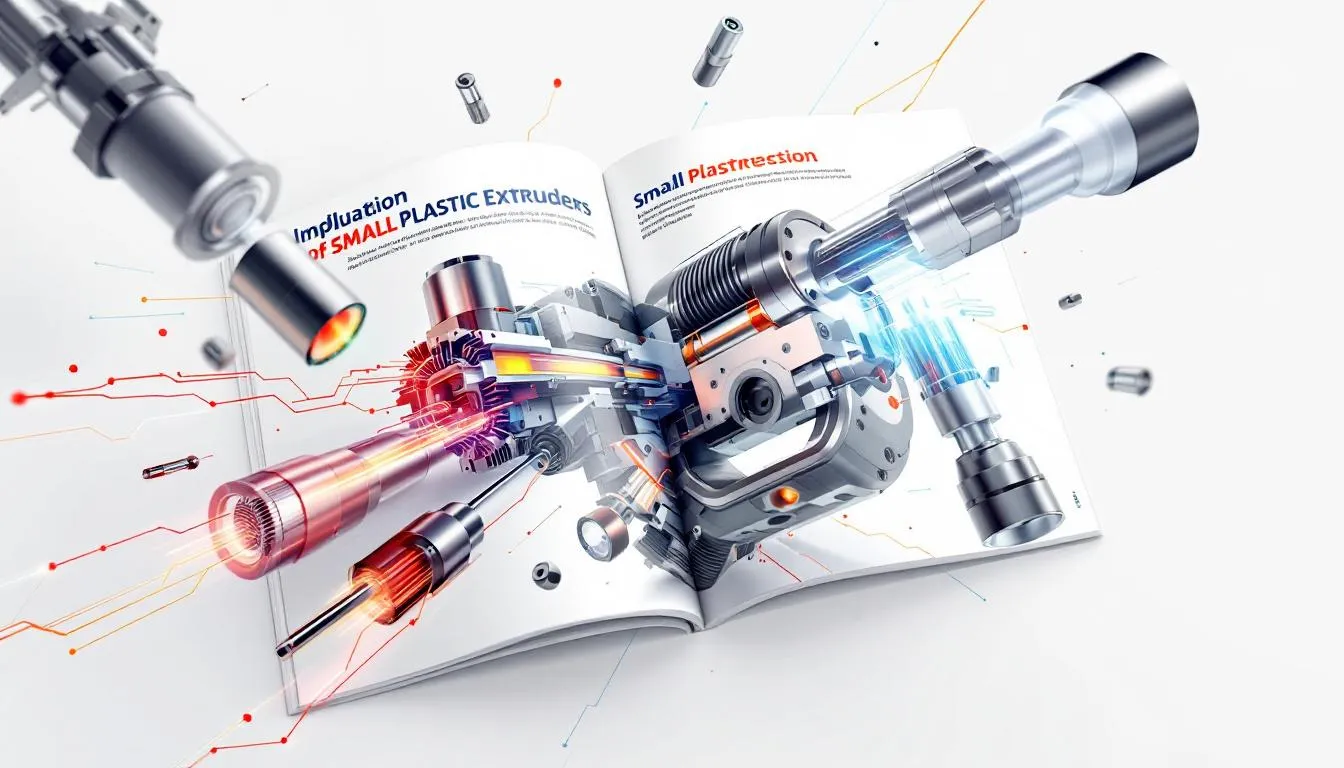
Small plastic extruders have a wide range of applications, making them invaluable tools for DIY enthusiasts and small-scale producers. One of the most significant applications is in the production of 3D printing materials. Small plastic extruders can:
- Convert failed 3D prints back into filament for future use, enhancing sustainability efforts.
- Recycle household plastic waste into usable 3D printing filament, which reduces material costs.
- Help in reducing plastic waste.
Another important application is in the recycling of plastic waste into usable products. Efficient recycling of plastic waste can yield up to one kilogram of material processed per hour at maximum speed. Using recycled materials in plastic extrusion can further diminish production costs and environmental impact. This makes small plastic extruders an eco-friendly and cost-effective solution for producing custom profiles, unique items, and complex shapes without needing multiple machine setups.
The versatility of small plastic extruders allows for creativity and customization in shape, texture, and different colours, enabling users to design and fabricate unique items tailored to specific needs. Whether you’re producing 3D printing filament, recycling plastic waste, or creating custom profiles, small plastic extruders offer an efficient and flexible solution for a variety of applications.
Advantages of Using Small Plastic Extruders
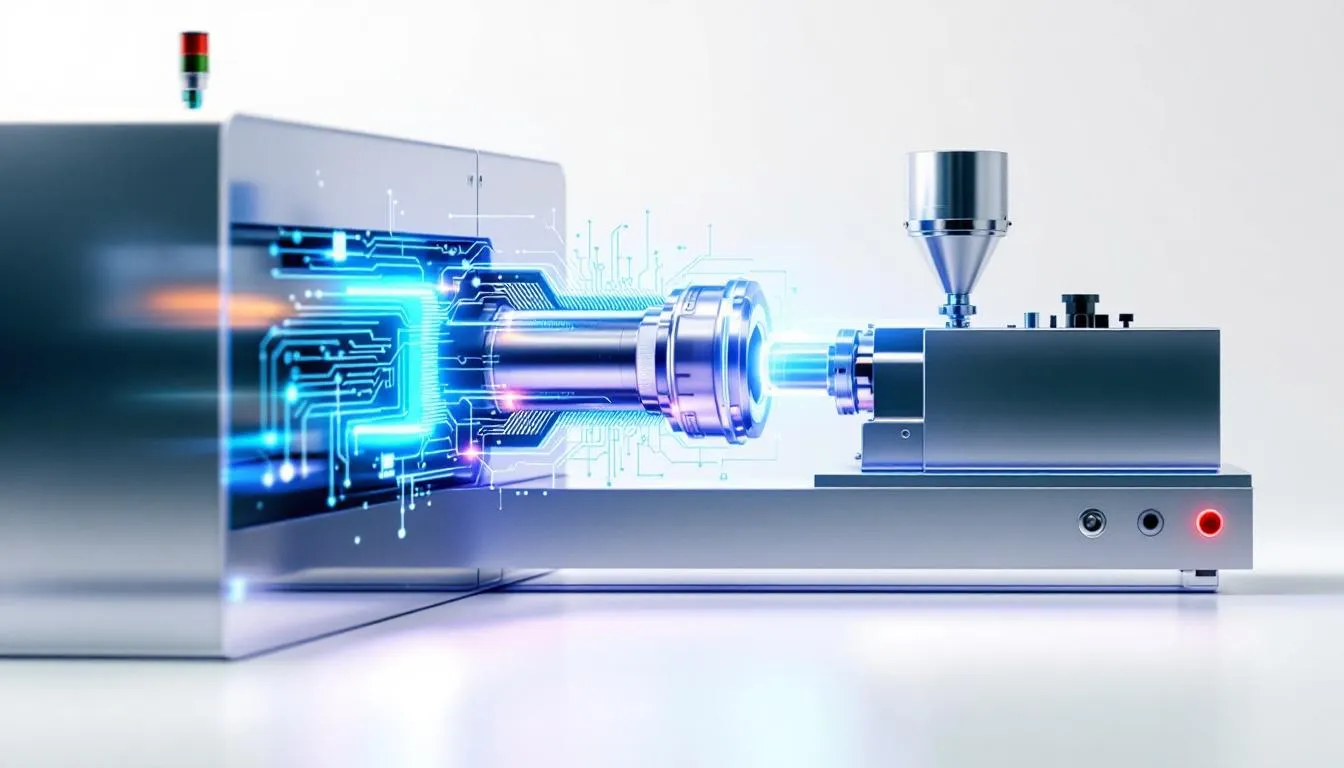
Small plastic extruders offer several advantages that make them an attractive option for DIY enthusiasts and small-scale producers. One of the most significant benefits is cost-effectiveness. The cost of making 3D printing filament can be as little as a dollar per kilogram when using recycled materials. Even when using virgin pellets, the cost is under five dollars per kilogram, significantly lower than purchasing pre-made filament.
Small plastic extruders offer several advantages:
- Lower energy requirements, making them more environmentally friendly
- Lightweight design, which makes them easier to transport and install, leading to reduced transportation costs
- Allow customization and better control of material waste during production, enhancing their appeal
- Provide cost savings
The ability to create custom profiles and unique items tailored to specific needs adds to the advantages of using small plastic extruders. These machines offer flexibility, efficiency, and cost savings, making them an ideal choice for a wide range of applications.
Choosing the Right Small Plastic Extruder
Choosing the right small plastic extruder involves considering several factors, including cost, material to be processed, and specific project requirements. One design approach emphasizes affordability, aiming to keep costs below $300 AUD. Using a wood auger drill bit can replace expensive extrusion screws, making the build more economical. Windscreen wiper motors can serve as a cost-effective option for driving small plastic extruders due to their availability and low price.
Factors influencing the cost of a plastic extruder include:
- The quality of parts
- Screw length
- Downstream equipment
- Special accessories
It’s essential to balance affordability with efficiency to ensure the extruder meets your needs without compromising on performance. Practical design approaches, such as using readily available and cost-effective components, can help achieve this balance.
When selecting a small plastic extruder, consider the specific requirements of your project, including the desired temperature and desired shape of the final product. Understanding these factors will help you choose the right machine and ensure you achieve the best results for your DIY or small-scale production endeavors.
Maintenance Tips for Small Plastic Extruders
Proper maintenance is crucial for ensuring the optimal performance and longevity of small plastic extruders. Regularly cleaning the screw and barrel prevents material degradation and ensures optimal melt flow. Inspecting critical components for wear and tear can prevent catastrophic failures and maintain consistent performance.
To optimize power transfer and maintain product quality, consider the following maintenance tasks:
- Align and tension drive systems to optimize power transfer and reduce wear on components.
- Inspect and maintain the die and sizing sleeve to ensure consistent product dimensions and a smooth surface finish.
- Conduct thorough checks of the cooling system to prevent overheating and maintain product quality.
Key maintenance tasks include:
- Calibrating and inspecting heating elements and thermocouples for accurate temperature control to avoid product defects.
- Maintaining the electrical system to ensure safe operation and prevent unexpected shutdowns.
- Applying layers of heat-resistant tape as heat insulation for the hopper to prevent premature melting of plastic.
Proper lubrication of gearboxes and gear bearings prevents excessive wear and costly breakdowns. Keeping comprehensive maintenance records aids in troubleshooting and optimizes future maintenance scheduling.
Top Brands and Models of Small Plastic Extruders
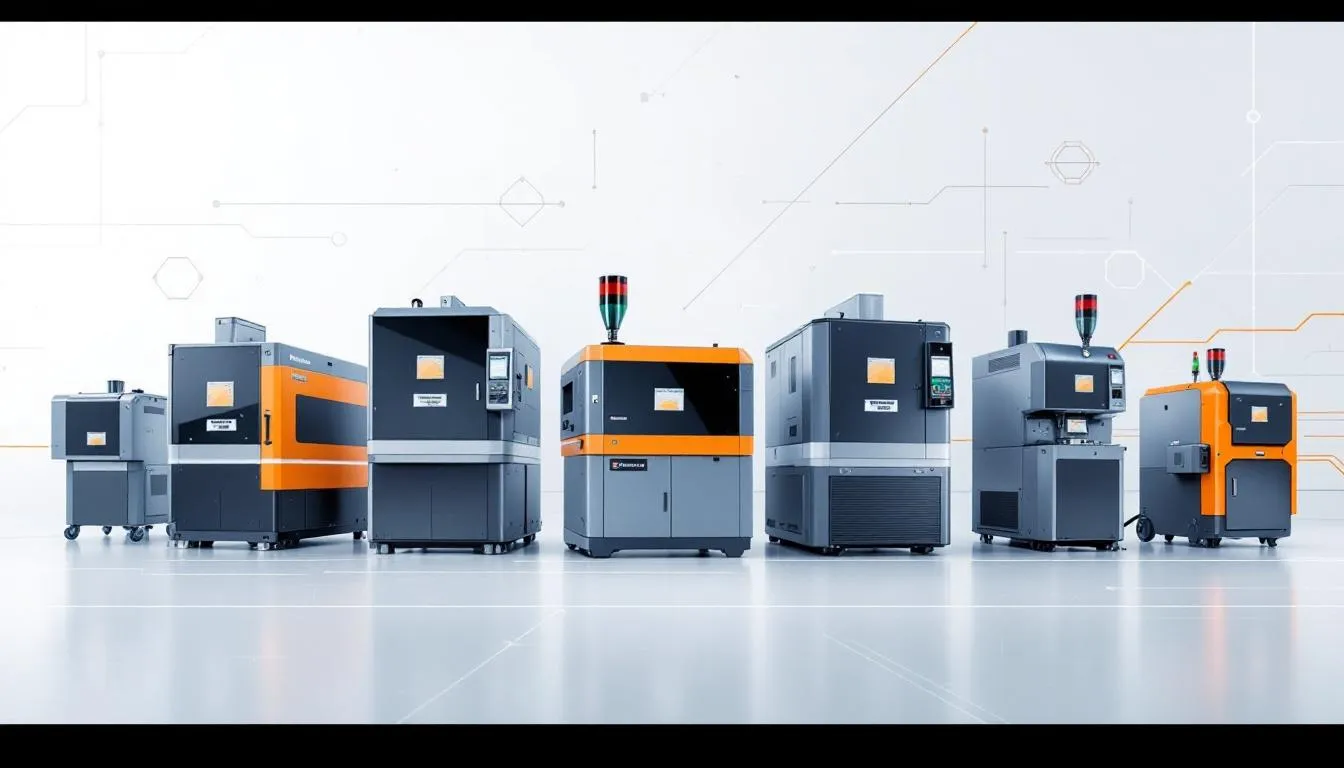
When it comes to choosing a small plastic extruder, the reputation of the manufacturer and the quality of after-sales support are significant factors to consider. CDS Machines specializes in complete downstream extrusion lines tailored for both plastics and rubber applications, offering reliable and high-quality machines.
COWELL EXTRUSION specializes in both twin and triple screw extruders, catering to a broad range of polymer processing needs, including co extrusion. Their machines are known for their durability and efficient performance.
Milacron offers highly adaptable extrusion machines, including both single and twin screw models, aimed at enhancing productivity. Their machines are designed to meet the demands of various applications.
PEM focuses on downstream equipment for PVC pipe manufacturing, highlighting its expertise in custom profile production. Diamond America is known for its durable custom extruders, designed for a variety of materials.
Choosing a reputable brand ensures machine reliability and access to quality after-sales support, which can significantly impact the machine’s performance and longevity.
DIY Small Plastic Extruder Projects
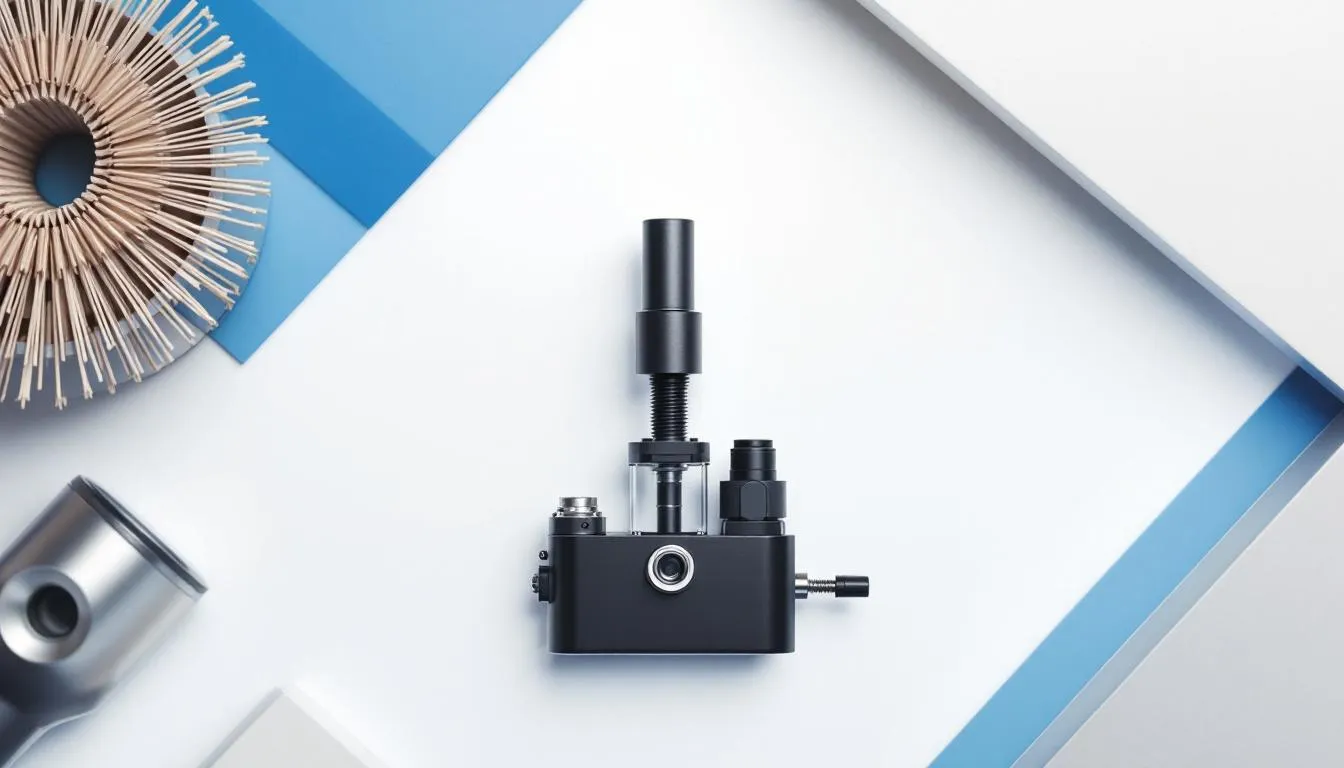
Embarking on DIY small plastic extruder projects can be both exciting and rewarding. One of the key advantages of DIY projects is the ability to use modular components, facilitating the use of salvaged parts and making repairs easier. For example, using 3mm steel and L-shaped angle iron for structural components can provide a sturdy frame for your extruder.
Community support can greatly assist with weld and troubleshooting during the build process. Resources such as video playlists on YouTube can provide additional information and visual aid, making the construction process more manageable. Feedback from showcasing prototypes, including usability and safety opinions, can help improve the design and ensure the final product meets your needs.
The end goal for many DIY extruder projects is often 3D filament production. By focusing on the layout design process and ensuring all physical components are correctly positioned, you can create an efficient and functional wired extruder. Using design software like Fusion 360 can aid in the creation of components like pipe caps and cable holders, enhancing the overall build quality and functionality of your DIY extruder.
Summary
Small plastic extruders offer a world of possibilities for DIY enthusiasts and small-scale producers. From understanding the types and key components to learning about applications and maintenance, this blog post has provided a comprehensive overview. By choosing the right extruder and following proper maintenance tips, you can achieve cost-effective and environmentally friendly production. Embrace the potential of small plastic extruders and explore the endless opportunities they offer for creativity and efficiency.
]]>Key Takeaways
- Plastic extruder machines convert waste plastic into reusable pellets, vital for effective recycling processes.
- Selecting the appropriate type of extruder—single screw, twin screw, or co-extruder—is crucial for maximizing efficiency based on specific recycling needs.
- Key features such as energy efficiency, processing capacity, and safety measures play a significant role in ensuring optimal performance and longevity of extruder machines.
Understanding Plastic Extruder Machines
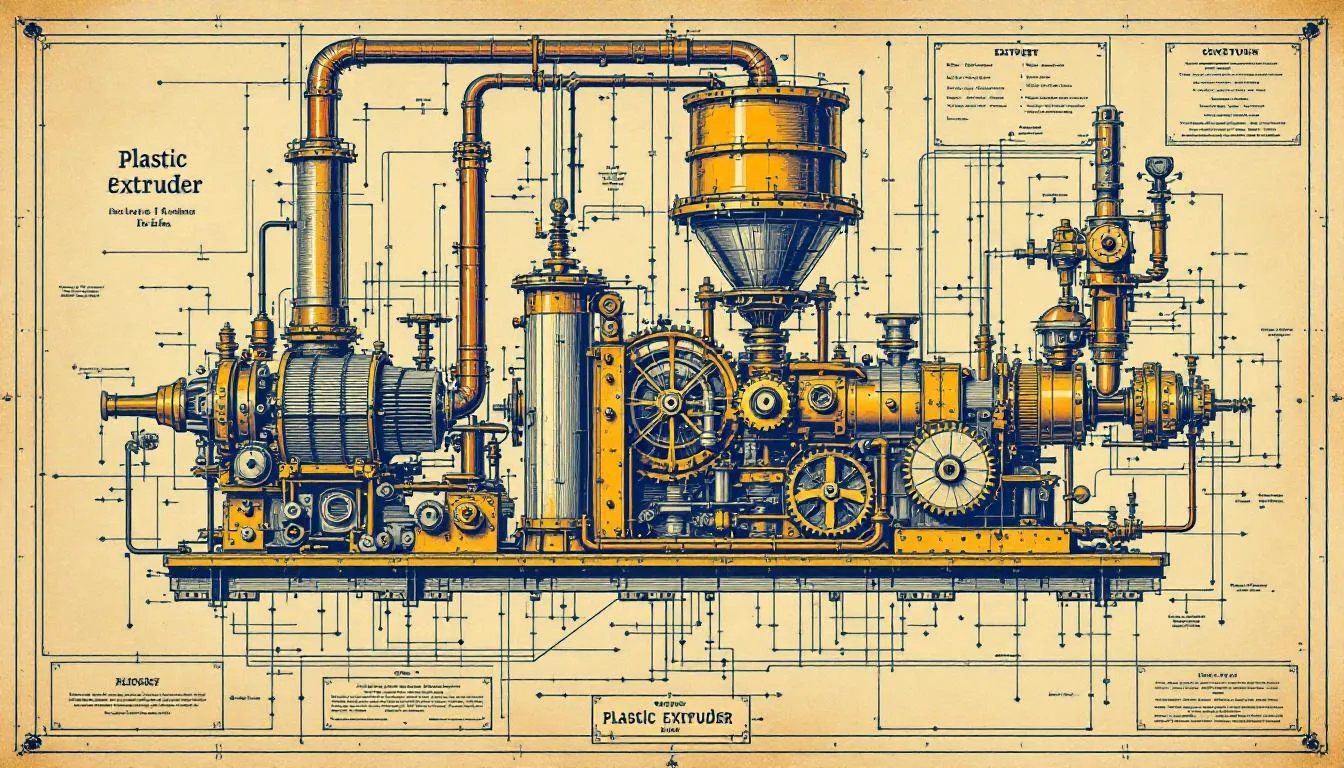
Plastic extruder machines are pivotal in the realm of plastic recycling. These machines recycle plastic into reusable forms by transforming waste plastic into pellets that can be used to manufacture new products. The process involves melting, processing, and re-melting materials, then pushing them through a die to achieve the desired shape. Essentially, they act as the bridge between plastic waste and new, useful products.
Setting up an extruder machine requires a well-ventilated and dry room to ensure optimal operation and safety. The machines themselves are also known as plastic recycling pellet machines or plastic pellet makers. These names highlight their primary function—turning plastic waste into pellets that can be easily used in further manufacturing processes, often facilitated by a pelletizing system.
The operation of these machines is a testament to the ingenuity of modern engineering. Plastic extruder machines utilize heat and mechanical energy to transform various plastic waste into high-quality, reusable pellets, proving crucial in efficient and effective plastic recycling.
Types of Plastic Extruder Machines for Recycling
Different types of plastic extruder machines cater to varied purposes in plastic recycling. Each is tailored for specific materials and operational needs, so understanding their unique features is essential.
Single screw extruders are among the most commonly used machines in plastic recycling. They are versatile and ideal for standard plastic materials, offering simpler operation and maintenance. These machines are often the go-to choice for businesses looking to recycle plastic with minimal fuss.
For more complex materials and enhanced mixing capabilities, twin screw extruders are the preferred option. These machines feature two intermeshing screws that provide better processing of mixed plastics and are suited for more demanding applications. Co-extruders, on the other hand, allow for the simultaneous extrusion of two different materials, improving production efficiency and versatility.
Selecting the appropriate extruder machine is key to optimizing the efficiency and output of a plastic recycling operation. Whether opting for the simplicity of a single screw extruder or the advanced capabilities of twin screw and co-extruders, understanding these options aids in making an informed decision.
Key Features to Look for in Recycling Extruders
When selecting a recycling extruder, several key features can significantly impact performance and efficiency. A critical factor is the desired hourly pellet output, which should match the volume of waste materials to be processed. Sufficient processing capacity is vital for maintaining productivity.
Modern extruder designs emphasize energy efficiency, which helps lower operational costs. Integrated heating sensors in the heating elements help reduce energy consumption and optimize the plastification process, enhancing both economic and environmental efficiency. Sophisticated models like the EMK2 extruder allow separate control of heating areas and screw speed, enabling customized processing for specific materials.
These features ensure that your extruder machine meets production needs while operating efficiently and sustainably. Investing in a machine with these capabilities will pay dividends in the long run by reducing energy costs and enhancing output quality.
The Extrusion Process in Plastic Recycling
The extrusion process in plastic recycling involves the following steps:
- Directing plastic materials like pellets or flakes into the extruder’s barrel.
- Using mechanical energy from rotating screws and heat from barrel heaters to melt the plastic as it moves through the machine.
- Turning the solid plastic waste into molten plastic, ready for reshaping.
The process involves:
- Precise temperature regulation to ensure consistent quality and efficient operation.
- Pushing the melted plastic through a die to create specific shapes for various applications in packaging.
- Using a screen pack to filter out contaminants from the molten plastic before it reaches the die, ensuring the final product is free from impurities.
Key aspects of the plastic extrusion process include:
- Vacuum degassing systems are employed to eliminate gases and moisture from the extruded materials during processing. This step is vital to prevent defects like air bubbles and voids in the final plastic products.
- Identifying the type of plastic waste polymer is critical because different polymers have distinct properties that affect the pelletizing process.
- Proper cooling, often via water baths or cooling rolls, is necessary since plastics are poor conductors of heat.
Benefits of Using Extruder Machines for Recycling
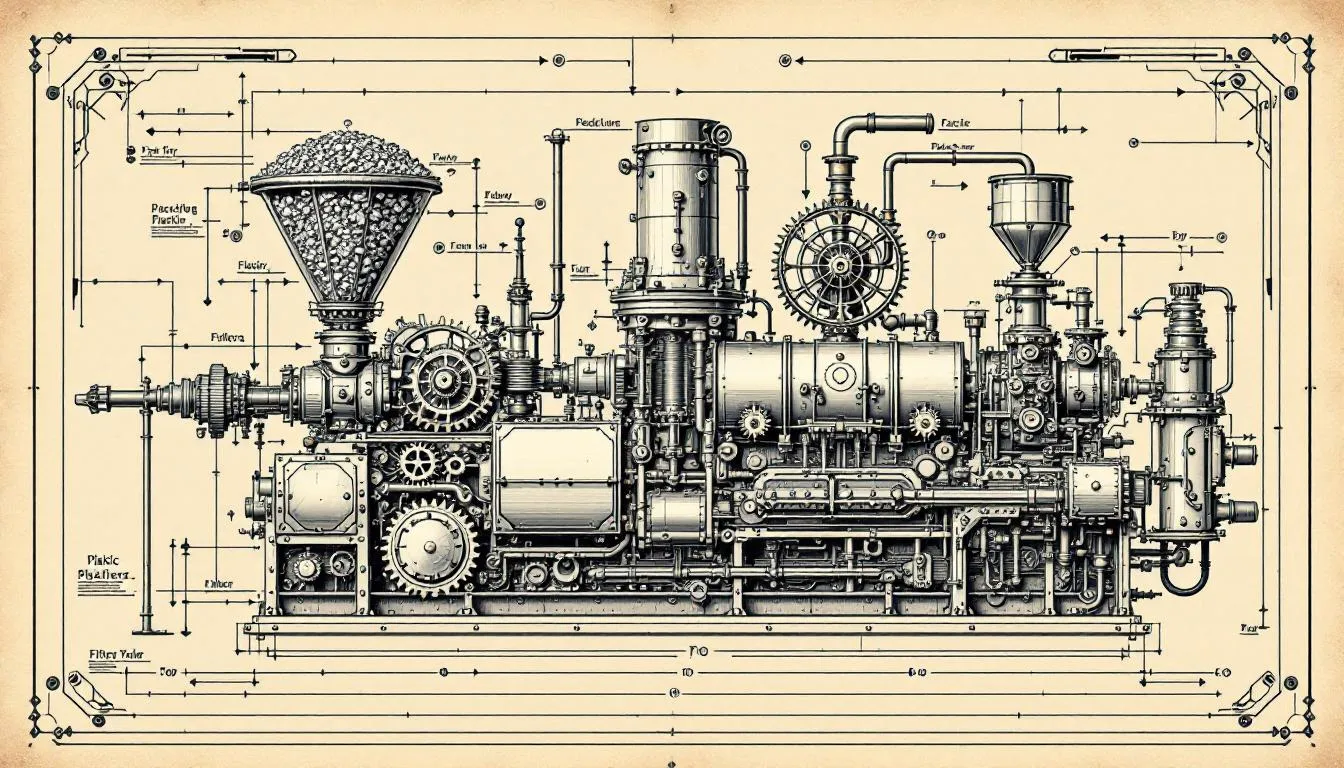
Extruder machines offer numerous benefits, making them indispensable in the plastic recycling industry. A primary advantage is the high consistency in product quality, crucial for maintaining standards in recycled plastic products. This consistency ensures that end products are reliable and meet required specifications.
Another significant benefit is the reduction in material waste, leading to more economical production. Designed to maximize the use of input materials, extruder machines ensure minimal wastage and more efficient production processes. This efficiency translates into cost savings and more sustainable operation.
Extruder machines are versatile, accommodating a diverse range of plastic materials and enhancing usability across various applications. Whether you’re dealing with common plastics or more complex materials, extruder machines offer the flexibility needed to process them effectively.
Advanced Technologies in Plastic Extrusion
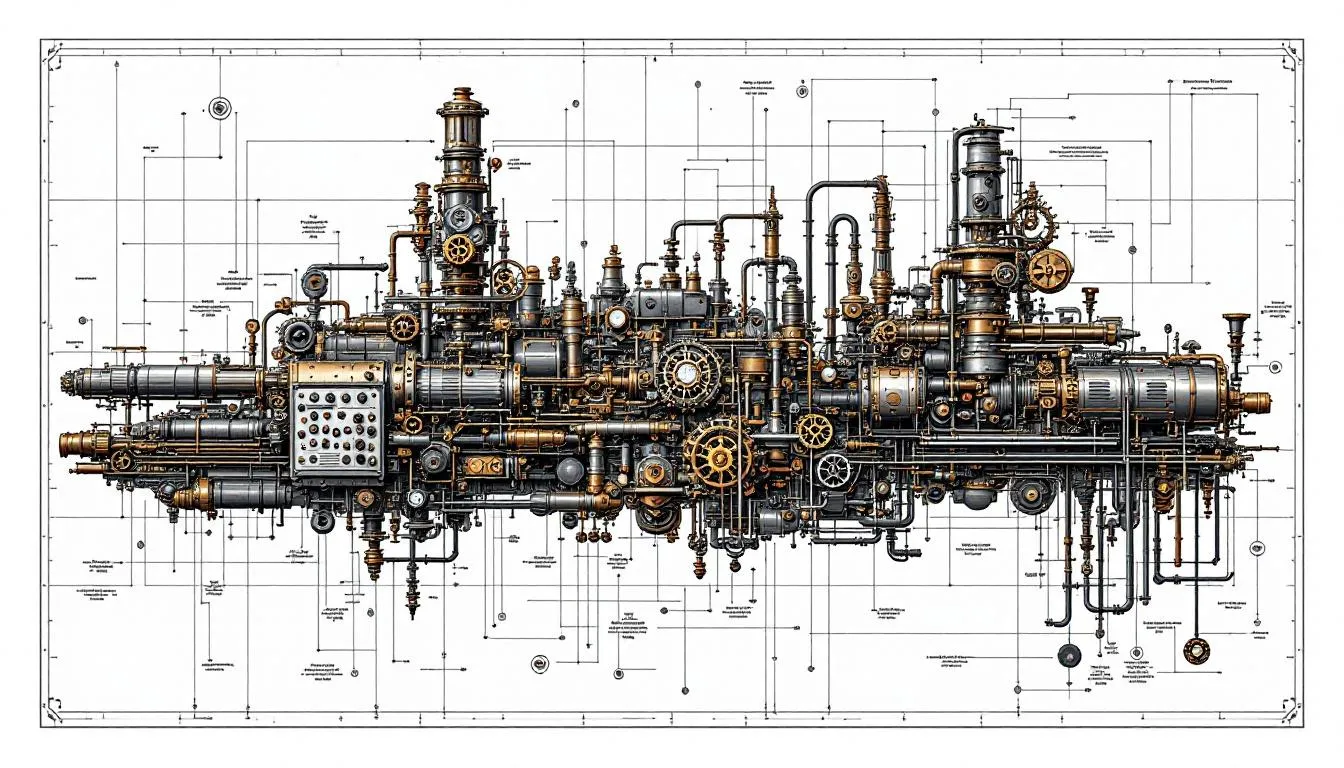
Advanced technologies in plastic extrusion are revolutionizing the industry by boosting efficiency, reducing waste, and enhancing recycled product quality. Vacuum degassing is one such technology that removes air and volatile contaminants from molten plastic, significantly improving the quality of recycled materials.
Automated control systems in extruders ensure precise monitoring and adjustments during the extrusion process, enhancing productivity and product quality. These configurations allow real-time adjustments to processing parameters, ensuring optimal performance and minimal downtime.
Advanced heated elements offer:
- Better temperature control, enhancing melting efficiency and reducing energy consumption.
- Uniform melting of the plastic, preventing defects.
- Improved overall quality of the final products.
By incorporating these advanced technologies, modern extruders are more efficient and capable of producing high-quality recycled plastic.
Common Applications of Recycled Plastic
Recycled plastic has a wide range of applications, making it a valuable resource in various industries. Products made from extrude recycled plastic through extrusion include PVC pipes, window and door profiles, technical profiles, and medical tubes.
These applications demonstrate the versatility and utility of recycled plastic in meeting diverse needs.
Creating these products involves melting plastic strands, filtering, cooling, and cutting them into pellets. These pellets can then be used to manufacture a variety of plastic products, contributing to a circular economy. The EMK2 extruder, for example, has the capability to create large objects with significant output and pressure, making it suitable to produce high-volume production.
The common applications of recycled plastic highlight the practicality of plastic recycling and underscore the importance of using efficient and advanced extruder machines for high-quality results.
Safety Measures When Operating Extruder Machines
Safe operation of extruder machines is paramount to ensure the well-being of operators and the efficient functioning of the machines. Key safety considerations include:
- Working in a spacious, hazard-free area
- Maintaining a clutter-free workspace to minimize the risk of accidents
- Ensuring smooth operations through proper workspace management
Safety requirements for handling the extruder include:
- Using heat-resistant gloves for handling the extruder’s nozzle and barrel, as these components can become extremely hot during operation.
- Ensuring good ventilation to avoid inhaling harmful fumes released during plastic processing.
- Using proper ventilation systems to help maintain a safe and healthy work environment.
Tweezers are recommended for managing hot filament and clearing any nozzle blockages. Always ensure the machine is powered off before performing maintenance to avoid electrical hazards. Training operators on maintenance procedures allows them to spot potential problems and perform essential upkeep, ensuring the machines’ longevity and efficiency.
How to Choose the Right Extruder Machine for Your Needs
Choosing the right extruder machine involves considering several factors. Specific production requirements and materials play a crucial role in determining the appropriate extruder type. For example, a single screw extruder might suit standard plastic materials, while a twin screw extruder is better for complex materials requiring enhanced mixing capabilities.
The machine’s capacity, often expressed in kilograms per hour, is another important factor. This measurement indicates how much plastic waste the machine can process within a given time frame, helping you match the machine’s capabilities with your production needs. The machine’s size and sizes impact power requirements and energy efficiency, so it’s essential to choose a machine that aligns with your operational constraints.
Visual documentation of the plastic waste can aid in better assessment and recommendation for a suitable recycling machine. This documentation helps manufacturers understand the type and condition of the plastic waste, ensuring that the recommended machine meets your specific needs.
Maintenance Tips for Longevity of Extruder Machines
Maintaining your extruder machine is crucial for its longevity and efficient operation. Regularly cleaning key components like the hopper and barrel prevents contamination and maintains product quality. Ensuring that these parts are free from debris and residue is essential for smooth and uninterrupted operation.
Proper maintenance includes:
- Proper lubrication of moving parts to reduce friction and extend the life of components.
- Routine inspections to detect wear and prevent costly breakdowns by addressing issues early.
- Detailed maintenance logs to track the machine’s performance and identify recurring issues, allowing for timely interventions.
Regular maintenance ensures the durability and efficient operation of plastic extruder machines over time. Following these maintenance tips maximizes your machine’s lifespan and ensures it operates at peak performance.
Summary
Plastic extruder machines play a vital role in the recycling process, transforming plastic waste into reusable materials that can be used in a variety of applications. From understanding the different types of extruder machines to recognizing the key features that enhance their performance, this guide has covered all the essential aspects of plastic extrusion.
By incorporating advanced technologies and following proper maintenance practices, you can ensure the efficient and safe operation of your extruder machine. Embracing these eco-friendly solutions not only helps reduce plastic waste but also contributes to a more sustainable future. Let’s continue to innovate and invest in technologies that make our world a cleaner, greener place.
]]>Key Takeaways
- Plastic extrusion is a key manufacturing process that transforms thermoplastic materials into continuous products through heating and pressure.
- There are different types of plastic extruders, including single-screw and twin-screw, each suited for specific applications and offering unique advantages.
- Quality assurance in plastic extrusion is essential for maintaining product consistency, involving monitoring melt flow and regular maintenance of extrusion machines.
Understanding Plastic Extrusion Machines
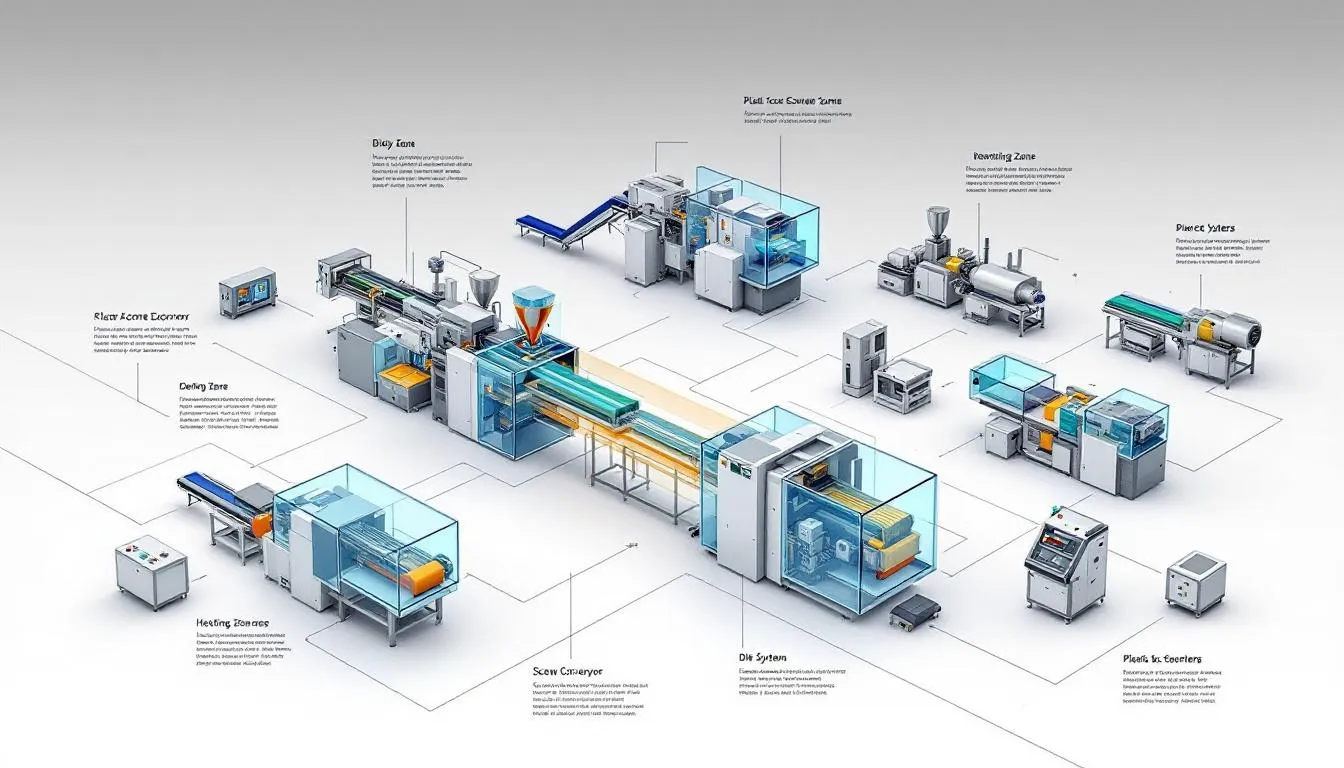
At its core, plastic extrusion is a popular manufacturing method used to produce large quantities of continuous products with uniform cross-sections. This process involves melting thermoplastic materials and pushing the molten plastic through a die under pressure. The result is a versatile manufacturing technique capable of creating a wide range of products, from plastic tubing to complex profiles.
Plastic extrusion machines, or extruders, are the workhorses of this process. These machines are designed to handle various thermoplastic materials, transforming them from raw pellets into finished products through a series of precisely controlled steps. Understanding the key components and types of plastic extruder machines helps optimize your manufacturing process and achieve high-quality results with plastic extrusion equipment.
Key Components of an Extruder Machine
The hopper is where the journey of plastic granules begins. This component serves as the storage and feeding mechanism, delivering the raw plastic into the machine for processing. Once inside the extruder, the plastic granules are heated and melted down to form a consistent molten state, ready to be shaped into the final product.
The breaker plate is another essential component, acting as a filter to maintain pressure within the barrel while ensuring that the material is free from contaminants. The die, often considered the heart of the extrusion machine, determines the specific shape of the extruded product as the molten plastic passes through it and barrels of material are processed.
Finally, cooling systems are crucial for rapidly cooling and solidifying the extruded profiles, ensuring they maintain their desired shape and structural integrity.
Types of Plastic Extruders
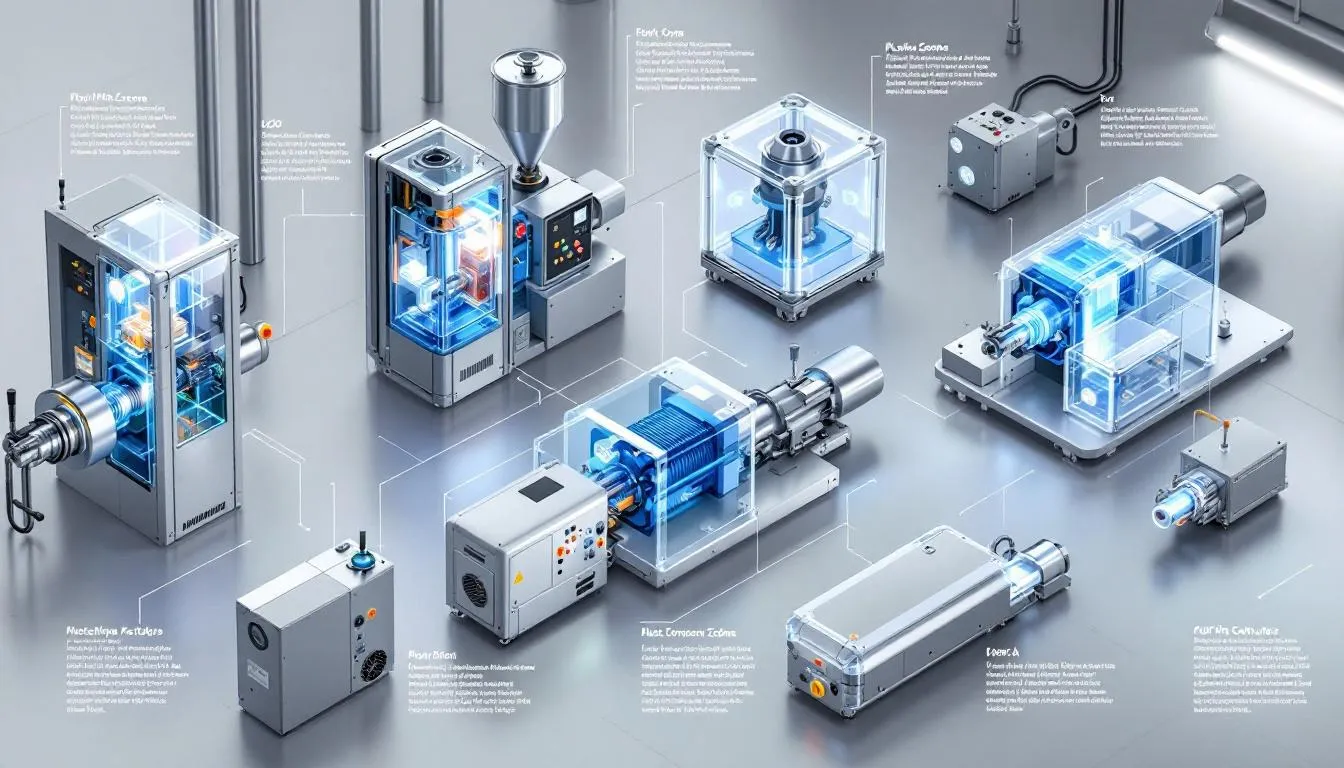
Plastic extruders come in various forms, each tailored to specific manufacturing needs. There are three primary categories of plastic extruders. These include single-screw, twin-screw, and ram extruders. Each type offers unique advantages and is suited for different applications, so choosing the right extruder for your specific production requirements is vital.
Single-screw extruders are straightforward and reliable, making them a popular and affordable choice for many applications. They are also easier to operate compared to their twin-screw counterparts.
Twin-screw extruders are known for their enhanced mixing capabilities, making them ideal for more complex formulations. Knowing the differences between these types helps in selecting the best equipment for your needs.
Single Screw Extrusion Machines
Single screw extrusion machines operate with a single screw that combines materials and pushes them through a die. This technology is the backbone of many plastic extrusion lines, known for its reliability and efficiency. Single screw extruders can process up to 100% recycled plastic, including PET-flakes and rHDPE, which is a significant advantage for environmentally conscious manufacturers.
The design of the screws in single screw extruders ensures a high quality of the melt during the extrusion process, guaranteeing fast and gentle melting of the material. This makes single screw extrusion machines suitable for producing a wide range of plastic products, from simple profiles to complex shapes, including one screw designs.
Twin Screw Extrusion Machines
Twin screw extrusion machines are renowned for their superior mixing capabilities, which allow for the blending of different materials and additives. This enhanced mixing quality makes them particularly suitable for handling complex formulations and producing products with unique properties.
The twin screw design ensures thorough mixing and even distribution of materials throughout the extrusion process. This capability is invaluable for applications needing precise control over material properties, such as producing high-performance plastics and specialized compounds.
Twin screw extruders are a versatile and powerful option for manufacturers looking to achieve consistent, high-quality results.
The Extrusion Process
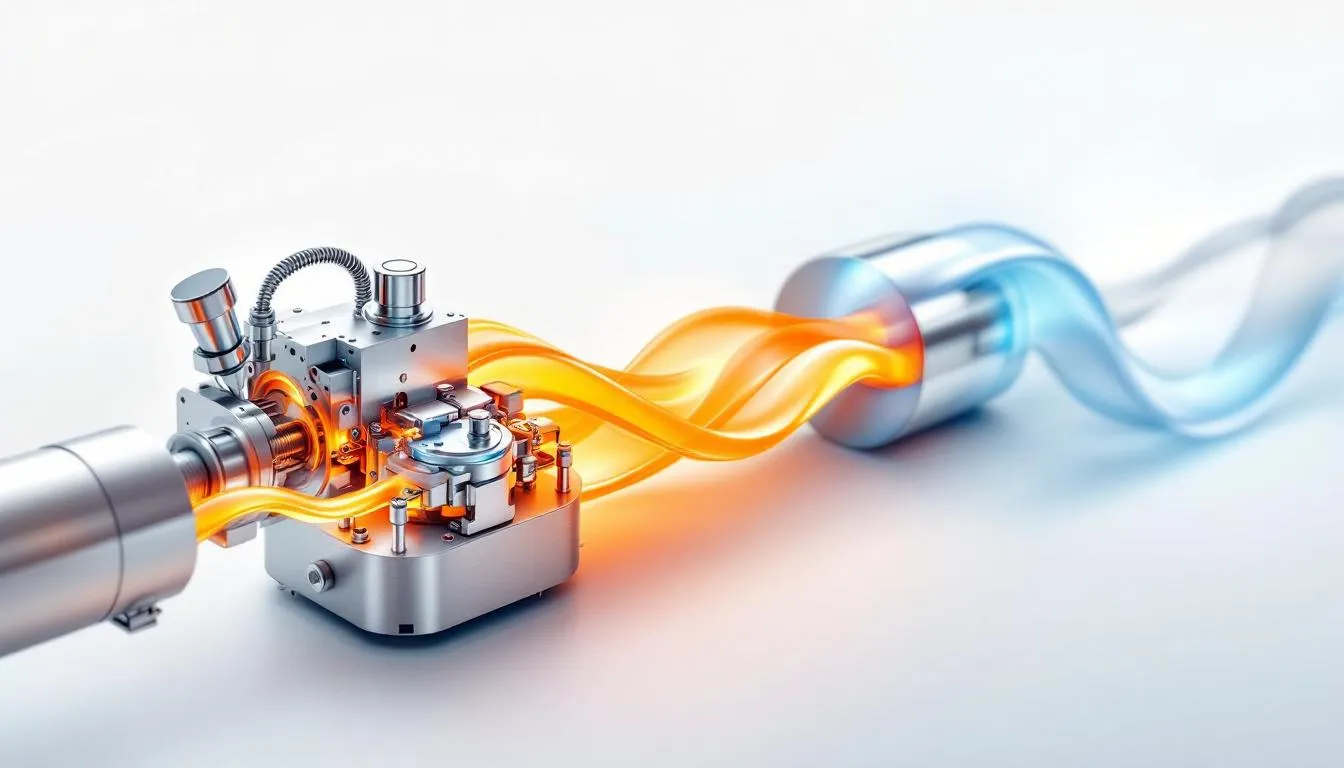
The extrusion process involves transforming raw plastic pellets into solid shapes using heat and pressure. Plastic extrusion machines are used to produce continuous lengths of products like tubing and sheets. The process begins with feeding raw thermoplastic materials into the machine, where they are heated to form a molten state.
Once molten, the plastic is forced through a die that shapes the material into the desired profile, often resembling a cylinder. The die serves as a mold, ensuring an even flow of molten plastic and producing a consistent final product, essential for manufacturing various plastic products with precise dimensions and high-quality finishes.
Thermoplastic Materials Used in Extrusion
Common thermoplastic materials commonly used in extrusion include:
- Polyethylene
- Polypropylene
- PVC
- ABS
- Acrylic
These materials typically come in small, solid resin plastic material beads before being processed. Thermoplastics are favored in the extrusion process due to their ability to be melted and reformed multiple times without significant degradation.
The process starts by melting thermoplastic materials, which can be in the form of powders or pellets, and forcing them through a die. This versatility allows manufacturers to produce a wide range of products, from simple plastic tubing to complex, custom-designed profiles.
Downstream Equipment in Extrusion
Downstream equipment is crucial in the extrusion process for shaping, cooling, and finishing extruded products. Common downstream equipment includes cutters, pullers, and winders. Cutters ensure precise sizing of extruded products to meet specific length requirements.
Pullers maintain a consistent speed during the extrusion process, ensuring the product does not distort. Winders collect and wind the finished extruded product into manageable rolls, facilitating storage and transport. This equipment ensures the final products meet desired specifications and quality standards.
Customization and Flexibility in Extrusion
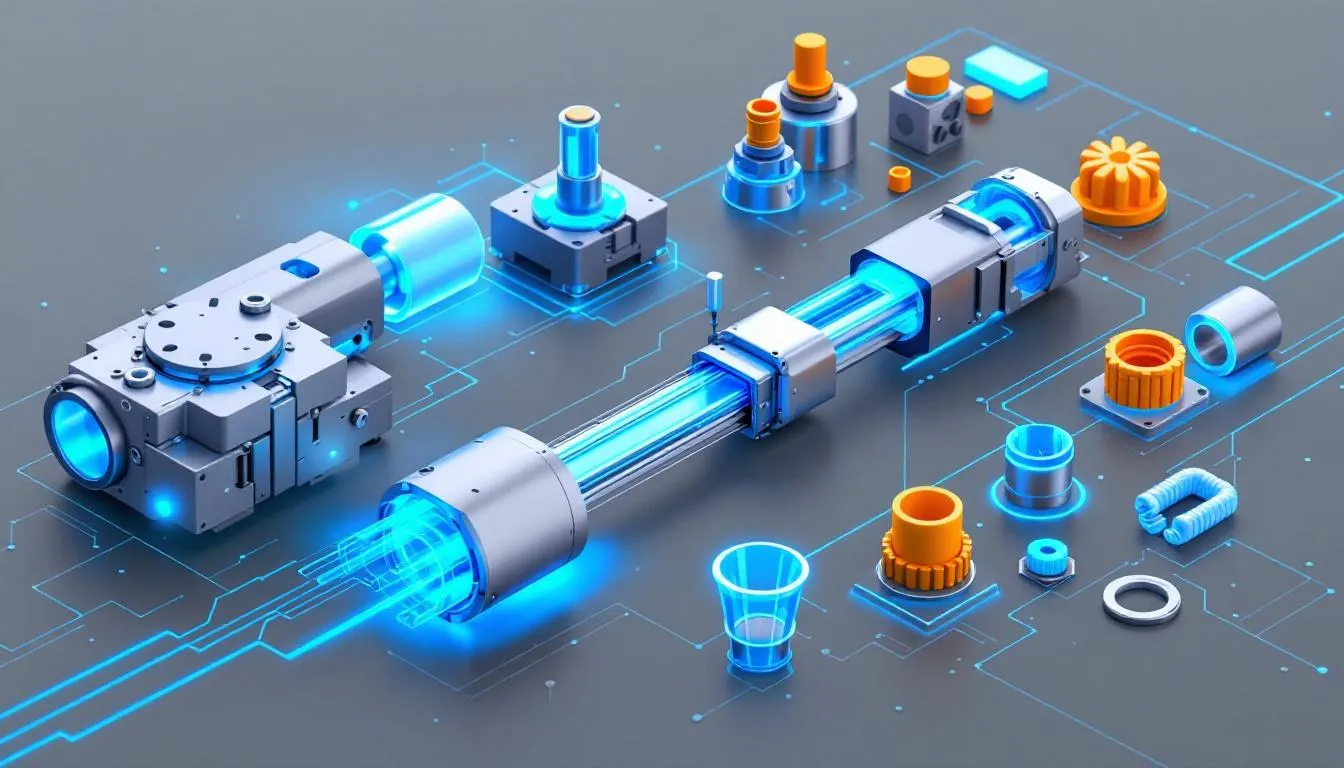
Customization in plastic extrusion allows manufacturers to tailor designs specifically to meet unique product requirements. These customization options enhance extruder capabilities, enabling production of a wide range of designs and specifications. This flexibility maximizes efficiency and performance in diverse manufacturing applications.
The impact of customization in plastic extrusion is significant, contributing to meeting diverse manufacturing needs and creating unique products tailored to specific requirements. This section will explore co-extrusion techniques and flexible design features that enhance the production process.
Co-Extrusion Techniques
Co-extrusion enables the combination of different plastics to achieve specific functionalities in a single product. This technique produces multilayered products, where each layer enhances unique properties like strength and flexibility.
In co-extrusion, multiple extruders supply distinct materials simultaneously, resulting in products with superior characteristics compared to those made from a single material. This process benefits the creation of complex profiles and products with enhanced performance.
Flexible Design Features
Flexible design features in extrusion systems enhance the production process by accommodating diverse film types and product specifications. Integrating multiple extruders in a single line allows manufacturers to produce a range of films and products tailored to specific market needs.
These flexible design features optimize production for different product types in business, enhancing efficiency and output. The ability to produce customized products with unique properties is a significant advantage in competitive markets.
Quality Assurance in Plastic Extrusion
Quality assurance in plastic extrusion is critical for maintaining product consistency and performance. Quality control measures are essential for preventing defects and ensuring that products meet specified standards. This involves both raw material and final product testing to ensure product integrity.
Final product inspections assess factors like color consistency, dimensional stability, and structural integrity to ensure complete quality. High-quality standards in plastic extrusion are vital for producing reliable and durable products.
Ensuring Consistent Melt Flow
Consistent melt flow is vital for maintaining uniformity in polymer production. The Melt Flow Index (MFI) measures the flow rate of a polymer under specific conditions, directly impacting processing speed and product quality. Monitoring MFI ensures uniformity, as different manufacturing processes, such as extrusion, require specific MFI values for optimal material flow and quality.
The relationship between MFI and molecular weight is crucial; lower MFI values typically correspond to higher molecular weight, enhancing mechanical properties. While higher MFI materials flow more easily, facilitating faster production, they may sacrifice some mechanical strength. Balancing these factors is key to achieving high-quality extruded products.
Monitoring and Maintenance
Regular maintenance schedules are vital to enhance the lifespan and efficiency of extrusion machinery. Advanced monitoring technologies can help identify equipment issues before they affect production, ensuring smooth and uninterrupted operation. Regular inspections identify wear and tear on critical components, helping to prevent unexpected failures.
Maintaining comprehensive maintenance records aids in troubleshooting and scheduling preventive maintenance tasks. These practices extend the life of the equipment and contribute to consistent, high-quality production.
Industry Applications of Plastic Extrusion
Plastic extrusion is widely utilized across industries such as automotive, medical, packaging, and construction. This versatile manufacturing process plays a crucial role in producing essential components, highlighting its importance and widespread application in plastic processing.
The following sections will explore specific industry applications, demonstrating how plastic extrusion meets diverse manufacturing needs and contributes to the development of high-quality products.
Automotive Industry
Plastic extrusion is instrumental in the automotive industry, creating components like weather seals, gaskets, and tubing for fluid systems. Extruded tubing is essential for the effective transfer of fluids, contributing to the overall performance and reliability of automotive systems.
Plastic extrusion in automotive parts provides lightweight solutions that improve fuel efficiency and reduce production costs. This makes it a vital manufacturing process in the automotive sector, enhancing vehicle functionality and performance.
Medical Devices
Plastic extrusion is vital for producing medical tubes and catheters, ensuring compliance with regulatory standards through the use of medical-grade plastics.
Extrusion technology is essential in the medical field for crafting items such as catheters and complex medical tubing compliant with regulatory standards. Medical-grade plastics ensure these products meet the stringent requirements necessary for medical applications.
Packaging Solutions
Plastic extrusion plays a crucial role in manufacturing various packaging materials, including films, wraps, and containers. Polyethylene terephthalate glycol (PETG) is frequently utilized in plastic extrusion due to its excellent clarity and durability. Polycarbonate is favored for its strength and impact resistance, making it suitable for applications like safety equipment and automotive components.
Acrylonitrile Butadiene Styrene (ABS) is known for its ease of processing and balance of strength and flexibility. Combining these materials in extrusion enhances the quality and effectiveness of packaging solutions, meeting diverse industry needs.
Cost Considerations for Extruder Machines
The cost of plastic extruders varies significantly based on their size, complexity, and additional functionalities. Higher capacity extruders usually entail increased production costs due to more advanced engineering and power requirements. The material handling capability of an extruder can also affect its price, especially when dealing with specialized or high-performance plastics.
Implementing energy-efficient practices in the extrusion process can lower operational costs and reduce greenhouse gas emissions associated with plastic production. Modern plastic extruders achieve significant energy savings by utilizing features like variable-speed drives and high-efficiency motors. Investing in advanced extrusion technology can lead to substantial long-term savings by minimizing waste and optimizing production processes.
Initial Investment vs. Long-term Savings
Higher capacity extruders demand more sophisticated engineering and thus cost more than their lower-capacity counterparts. However, the initial investment can be offset by long-term savings through energy-efficient practices and reduced operational costs. Implementing insulation jackets on extruders reduces energy consumption by preventing temperature fluctuations.
Energy efficiency in plastic extrusion processes can be improved by optimizing the speed of the extruder to meet design specifications. These practices reduce operational costs and contribute to a more sustainable manufacturing process.
Financing and Leasing Options
Businesses often explore financing and leasing options to mitigate the upfront costs associated with purchasing extrusion machinery. Leasing extrusion machinery alleviates upfront costs, allowing businesses to invest in equipment without large initial capital outlay. Flexible financing arrangements allow companies to manage cash flow effectively while acquiring new extrusion equipment.
Many suppliers offer financing plans to help businesses manage the upfront costs of acquiring extrusion equipment. These options provide the flexibility needed to invest in advanced extrusion technology without compromising financial stability.
Environmental Impact and Sustainability
Investing in efficient plastic extruders can lead to substantial long-term savings by minimizing waste and optimizing production processes. Efficient production in plastic extrusion leads to notable long-term savings through reduced waste and better material utilization. Advanced extrusion technology contributes to sustainability by significantly reducing production waste over time.
Plastic extrusion reduces environmental waste by transforming discarded materials into reusable products through recycling technologies. This enhances resource efficiency and contributes to a more sustainable manufacturing process.
Recycling Extruders
Recycling extruders are specifically designed to process scrap materials, thereby minimizing waste and enhancing resource efficiency. These machines convert discarded plastic into reusable pellets, which can be reintroduced into the production cycle.
By using recycling extruders, manufacturers reduce their environmental footprint while lowering material costs. This practice supports a circular economy, where materials are continuously reused and recycled, contributing to sustainable manufacturing.
Energy-efficient Practices
Modern plastic extrusion processes focus on energy conservation by optimizing production methods and minimizing energy waste. Integrating renewable energy sources into plastic extrusion operations is becoming crucial for reducing reliance on fossil fuels.
Energy-efficient practices, such as using high-efficiency motors and variable-speed drives, significantly reduce operational costs. These cost-effective practices enhance sustainability and improve the overall efficiency of the extrusion process.
Contacting Suppliers and Manufacturers
When choosing a supplier for plastic extrusion machines, consider their experience, customer support, and customization capabilities. Evaluating a supplier’s capabilities ensures they can meet specific production needs.
Request detailed quotes and proposals from potential suppliers to facilitate comparisons and enable informed purchase decisions. Transparency in pricing and contract terms prevents unexpected costs during the supplier partnership.
Evaluating Supplier Reliability
Evaluating a supplier’s reliability involves assessing their experience, support, and customization capabilities. A reliable supplier demonstrates transparency in pricing and contract terms, helping to prevent unexpected costs during the partnership.
A successful partnership requires ensuring that a supplier can meet specific production needs. This includes evaluating their ability to provide customized solutions and maintain consistent quality delivery standards.
Requesting Quotes and Proposals
Understanding cost considerations when evaluating extruder machines is crucial for informed purchasing decisions. Comparing the initial investment against long-term savings helps businesses understand the total cost of ownership when selecting extruder solutions.
Reaching out to reputable suppliers and manufacturers is essential for obtaining accurate quotes and proposals that meet specific needs. Evaluating a supplier’s reliability based on their experience, support, and access to customization capabilities ensures satisfactory quotes and proposals. If you need further assistance, please feel free to contact us.
Summary
Choosing the right plastic extrusion machine is crucial for optimizing your manufacturing process and achieving high-quality results. Understanding the various types of extruders, their components, and the extrusion process can help you make informed decisions that enhance efficiency and performance.
From single-screw to twin-screw extruders, each type offers unique advantages suited for different applications. Quality assurance, customization, and sustainability practices further contribute to the success of plastic extrusion in various industries. By investing in advanced extrusion technology and exploring financing options, manufacturers can achieve long-term savings and sustainable production.
]]>Key Takeaways
- Leading manufacturers such as Coperion, Leistritz, and KraussMaffei Berstorff emphasize quality and innovation in plastic extrusion, catering to various industrial needs.
- Understanding the types of plastic extruders, including single and twin screw extruders, is essential for selecting the appropriate machinery for specialized applications.
- Recent advancements in plastic extrusion technologies focus on sustainability and energy efficiency, driving the industry towards improved production practices and environmental responsibility.
Leading Plastic Extruder Manufacturers
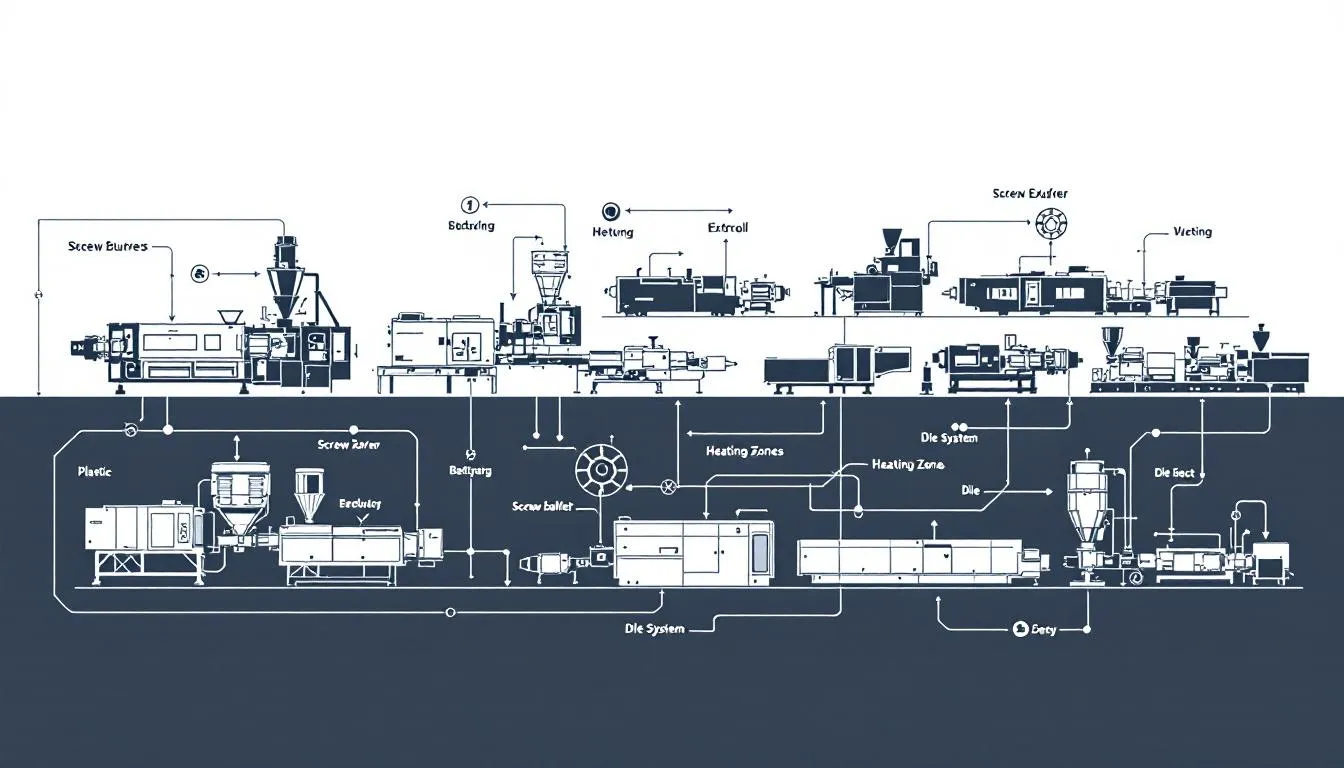
Choosing the right plastic extruder manufacturer is crucial for maintaining quality and reliability in your production line. Among the leaders in this field, Coperion stands out for its precision-engineered twin screw extruders, renowned for their high throughput and exceptional mixing capabilities. Coperion’s commitment to innovation makes them a go-to choice for many industries.
Equally prominent, Leistritz offers versatile twin screw extruders that cater to a wide range of applications, including pharmaceuticals and food. Their machines are designed for flexibility and efficiency, making them suitable for various complex extrusion processes.
Another key player, KraussMaffei Berstorff, specializes in extrusion technology for industries such as pipe and profile extrusion, demonstrating their extensive expertise in the field.
These manufacturers stand out due to their dedication to quality and innovation. Companies like Davis-Standard and Amut S.p.A. offer comprehensive extrusion solutions across multiple sectors, underscoring the importance of choosing a partner with a proven track record.
From the innovative Kneading Disc Technology of BUSS AG to the century-long experience of the Reifenhäuser Group, these manufacturers epitomize excellence in the plastics industry.
Types of Plastic Extruders
Knowing the various types of plastic extruders helps in selecting the right machinery for your needs. Single screw extruders are the workhorses of simpler extrusion processes, primarily melting and conveying materials to form basic shapes. These individual extruders are ideal for producing straightforward profiles where complex mixing is not required, especially when using a single extrusion head.
Twin screw extruders, on the other hand, are ideal for high-speed production and superior mixing capabilities. Their modular screw design allows for easy customization, making them suitable for a variety of applications, from consumer goods to industrial components. One screw counter-rotating twin screw extruder and rotating screw are particularly efficient for shaping operations involving shear-sensitive materials, providing a tailored solution for specific needs.
Co-extruders enhance versatility by processing different materials simultaneously, creating multi-layered products with varied properties. This capability is particularly useful in applications requiring distinct material characteristics, such as barrier properties in packaging films or multi-functional profiles in construction. The ability to process multiple materials concurrently highlights the adaptability and efficiency of modern extrusion lines, especially when utilizing two or more extruders, including individual extruders delivering co extrusion.
Custom Plastic Extrusion Solutions
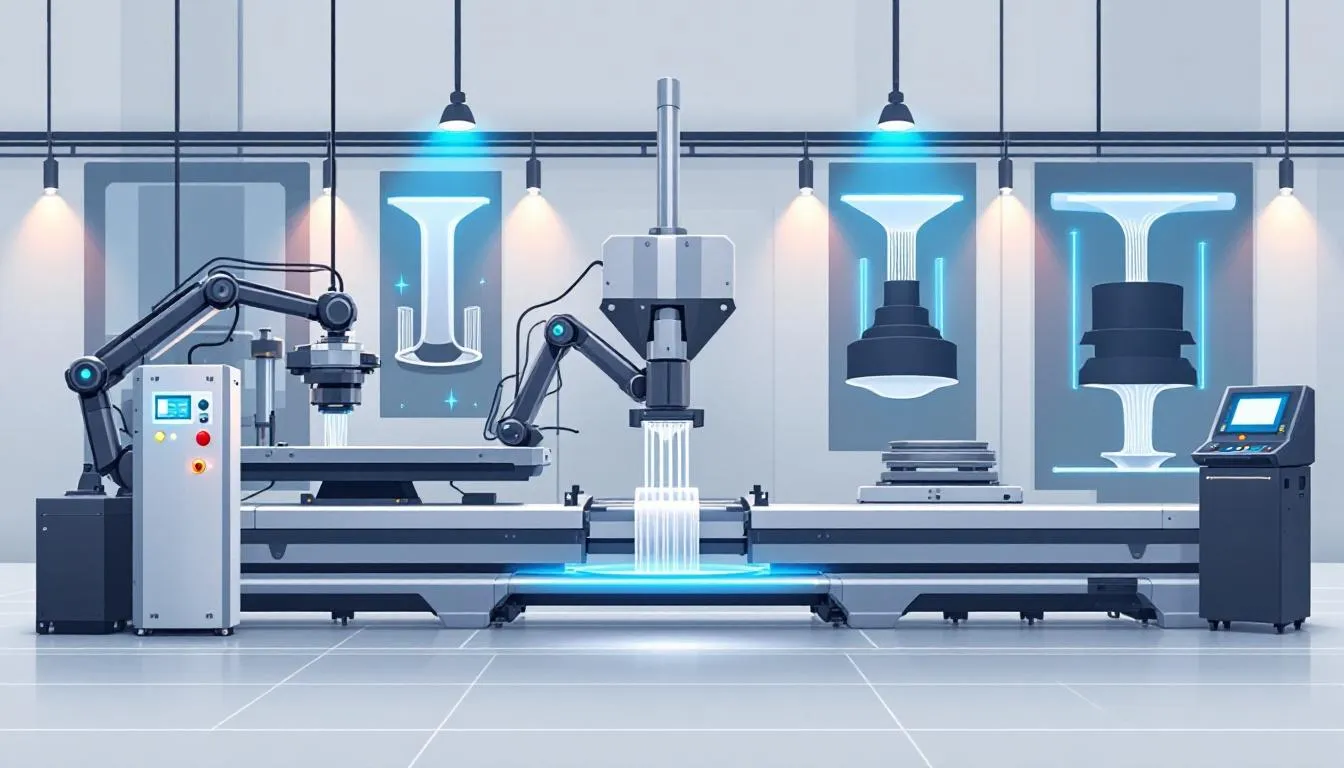
Custom plastic extrusion provides unmatched flexibility, enabling businesses to create unique designs with specific cross-sections and wall thicknesses. This is particularly beneficial for industries that require specific shapes and sizes that stock plastic extrusions cannot provide. Whether you need complex profiles or simple custom shapes, custom plastic extrusion can meet your exact specifications, including extruded plastic profiles.
A key advantage of custom plastic extrusion is its cost-effectiveness, particularly for medium to high-volume manufacturing processes. By leveraging custom solutions, businesses can achieve quick turnaround times and enhanced functionality, often integrating features like snap-fits to reduce assembly steps. This streamlines manufacturing processes and enhances product performance.
Additionally, the variety of thermoplastic materials available in custom extrusion solutions meets specific needs like flame resistance and chemical compatibility. Companies that excel in customization offer tailored solutions to meet unique project specifications, providing secondary processes like notching, drilling, and heat welding to enhance the final product. Custom plastic profiles can be designed to fit unique applications, ensuring that every detail aligns with your requirements. Custom fabrication can also play a crucial role in achieving these tailored solutions.
Advanced Plastic Extrusion Technologies
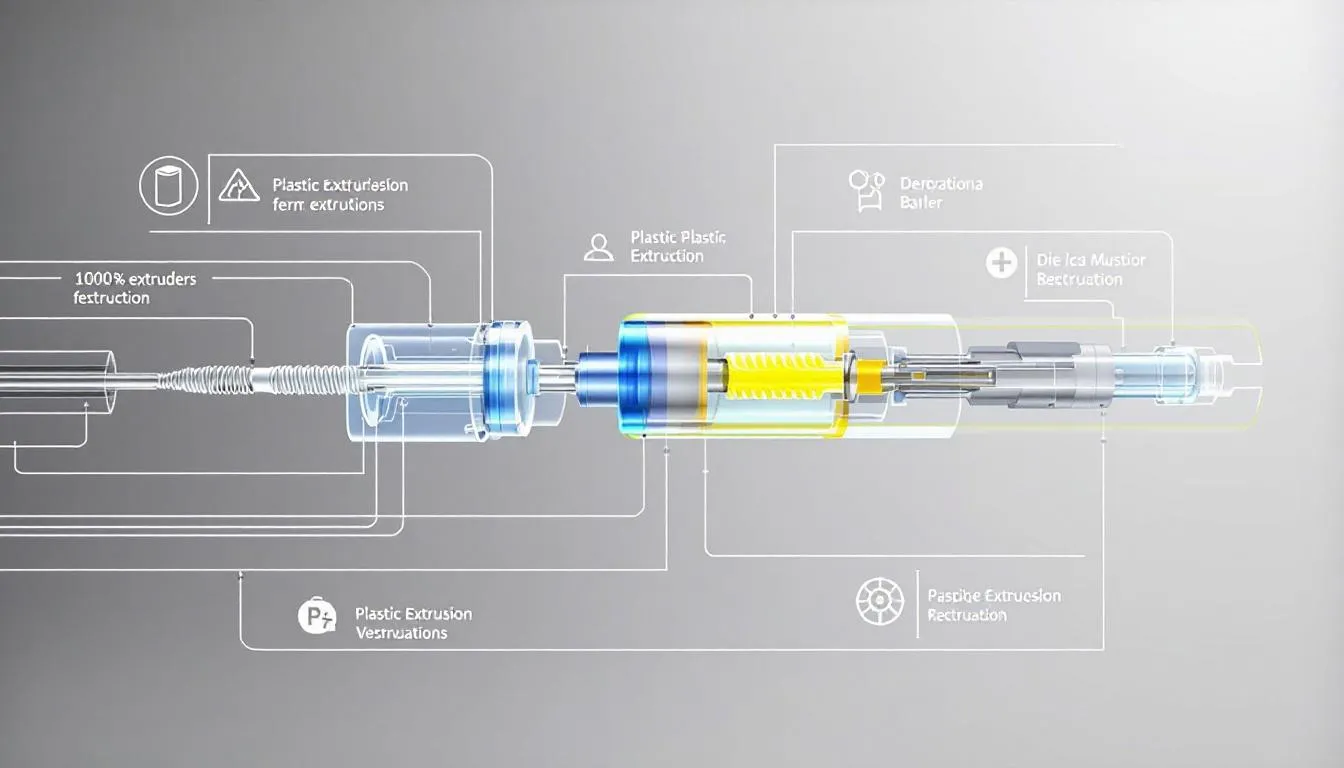
Advanced plastic extrusion technologies have revolutionized the industry, enhancing efficiency and sustainability in production processes. Modern extrusion lines feature energy-efficient drive systems that significantly reduce energy consumption, aligning with the industry’s push towards sustainability. These technologies not only lower operational costs but also minimize the environmental impact of manufacturing, particularly in the context of an extrusion line.
Automation and digital technologies lead this transformation, facilitating real-time monitoring and adjustments to maintain product quality and consistency. Automated monitoring systems are integral in modern plastic sheet extrusion lines, enhancing efficiency and ensuring that the final products meet stringent quality standards. Closed-loop systems further optimize material flow, facilitating precise control over the extrusion process.
Precision engineering improvements allow manufacturers to achieve tighter tolerances and better surface finishes on extruded products. Advanced simulation tools are now being used to optimize design and production processes, reducing development time and improving product quality. The integration of these technologies ensures that modern extrusion lines are capable of delivering high-quality products efficiently.
Materials Used in Plastic Extrusion
Material selection in plastic extrusion is crucial for attaining the desired properties in the final product. Common thermoplastic materials and plastic materials include:
- Polyvinyl chloride (PVC): widely used for pipes, films, and electrical wire insulation due to its excellent formability and durability.
- Polyethylene terephthalate (PET): offers unique benefits (not specified in the text).
- Acrylonitrile butadiene styrene (ABS): offers unique benefits (not specified in the text).
ABS, known for its strength and flexibility, finds applications in automotive and consumer goods where these properties are essential. Polyethylene (PE) and polypropylene are also popular choices, particularly in packaging and consumer goods, due to their versatility and ease of processing. Material selection is often based on the specific requirements of the application, such as chemical resistance, impact strength, and thermal stability.
Materials like polycarbonate and nylon (polyamide) are selected for their unique properties. Polycarbonate is valued for its impact resistance and optical clarity, making it suitable for products like eyewear lenses and safety equipment. Nylon’s strength and heat resistance make it ideal for various industrial applications.
The diverse range of available materials ensures that plastic extrusion can meet the demands of virtually any industry.
The Plastic Extrusion Process
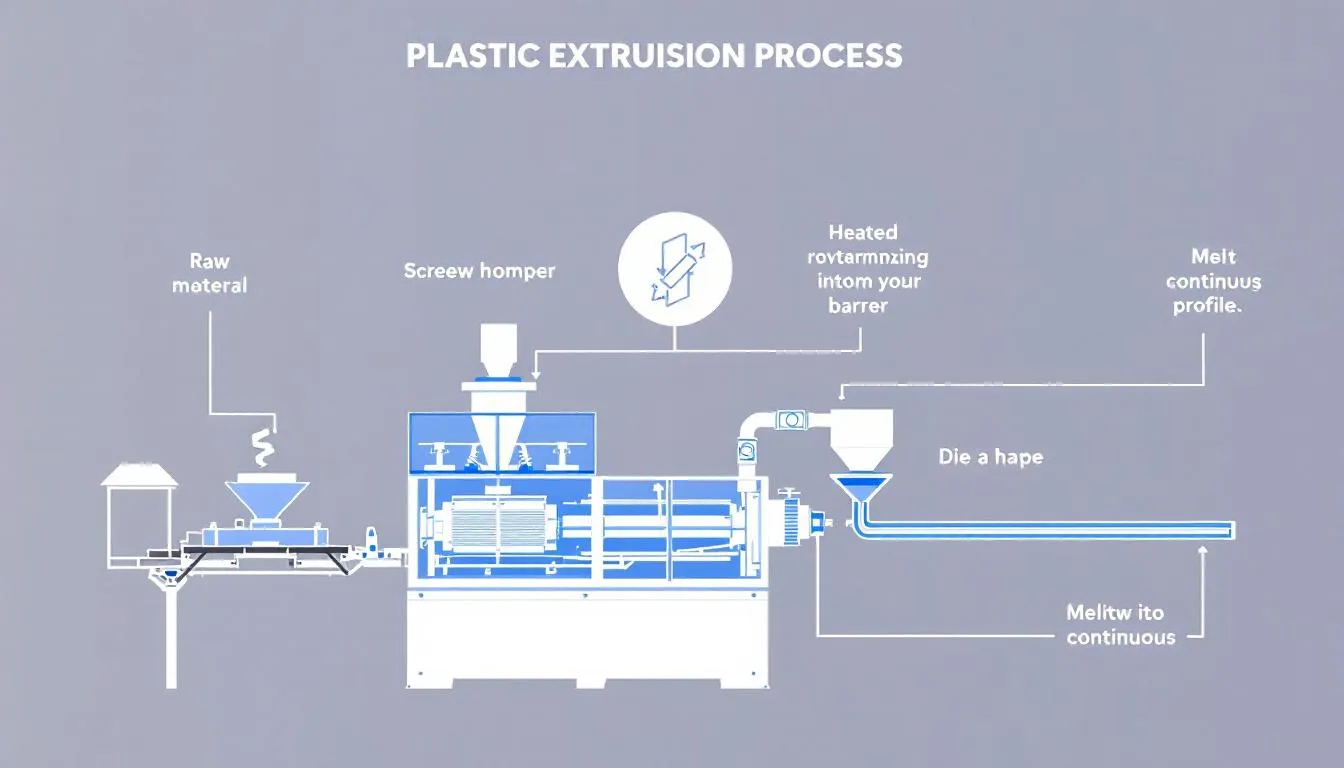
Plastic extrusion is a continuous, high-volume manufacturing process that shapes raw thermoplastic materials into specific forms through various plastic forming processes. The process includes the following steps:
- Introduction of thermoplastic raw material into the extruder via a hopper.
- Heating the material to a specific melt temperature within the heated barrel.
- Melting facilitated by friction and pressure inside the barrel. Plastics extrusion is an essential technique in this context, including plastic co extrusion.
The plastic extrusion process involves the following steps:
- Once the plastic material is in a molten state, it is filtered through a screen pack to remove any contaminants before being shaped into its final shape.
- The design of the die through which the molten plastic passes determines the shape of the extruded product.
- Cooling methods, such as water baths or cooling rolls, are employed to solidify the extruded profiles, ensuring that they maintain their form and dimensional stability.
Real-time monitoring and in-line inspection are essential for ensuring consistent material flow and high-quality production runs. Specialized machinery plays a vital role in maintaining the efficiency, production speed, and quality of the plastic extrusion process.
The versatility of extrusion allows for the creation of products that can be used as-is or further fabricated into complex assemblies, such as pipes, tubing, and plastic films.
Applications of Plastic Extrusions
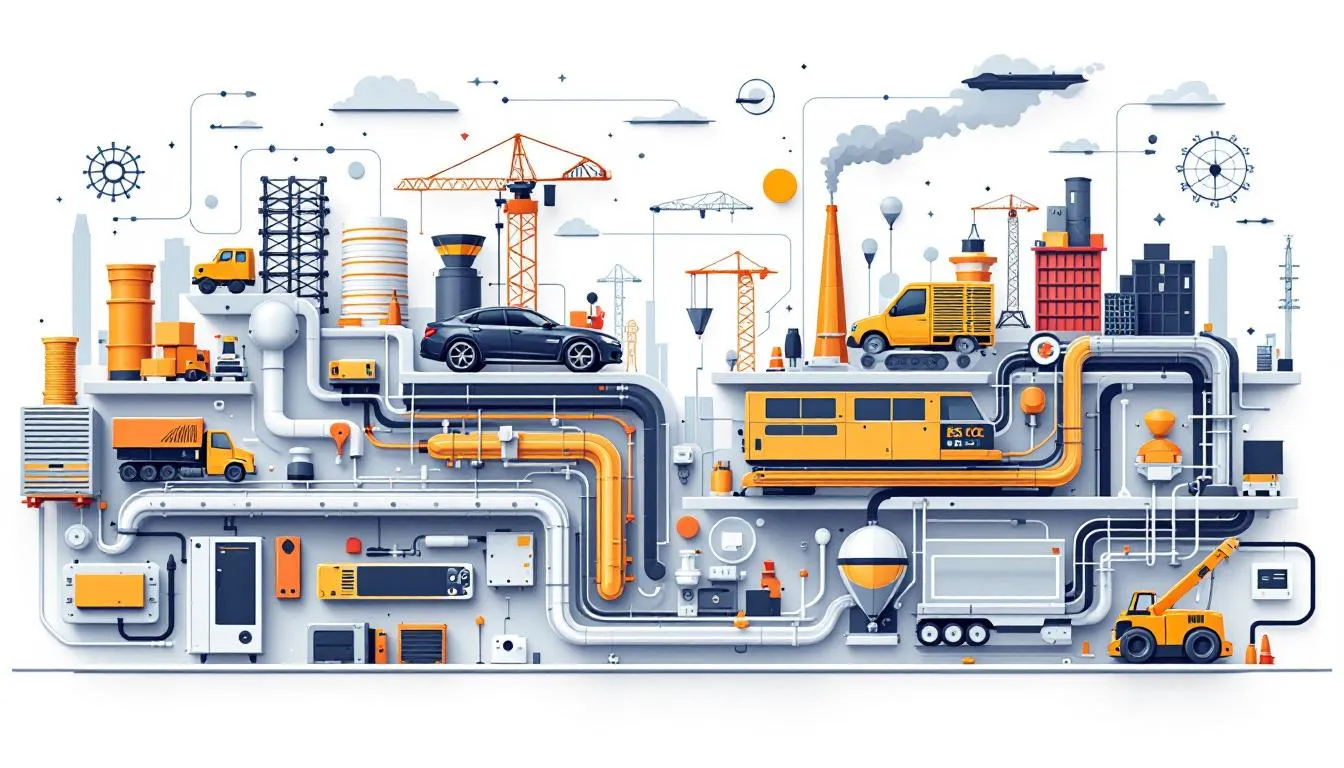
Plastic extrusions are essential in numerous industries due to their versatility and durability. In the packaging industry, materials such as High-Impact Polystyrene (HIPS) and Polyethylene Terephthalate (PET) are used to create plastic film and sheets that enhance product protection and extend shelf life. These extruded materials are essential for consumer goods and food packaging, providing both strength and recyclability.
In the medical field, plastic extrusion is crucial for producing compliant tubing and complex components like catheters, which are essential for various medical devices. The automotive industry also benefits significantly from plastic extrusions, using them to manufacture parts such as weather seals, gaskets, and fluid transfer tubing due to their chemical resistance and durability.
Construction applications include the use of extruded plastics for windows and doors, contributing to energy efficiency and quick installation. The solar industry leverages plastic extrusion to produce components like frames for solar panels, enhancing durability and longevity. These diverse applications underscore the integral role of plastic extrusions in modern industry.
Benefits of Working with Top Manufacturers
Partnering with leading plastic extruder manufacturers offers numerous advantages, ensuring efficient and reliable production processes:
- Top manufacturers operate their machinery continuously, minimizing the risk of inventory shortages.
- Continuous operation ensures steady production.
- This continuous operation is crucial for maintaining supply chain stability and meeting high-volume demands.
Access to innovative solutions in production techniques is another key benefit, providing unique advantages. Experienced manufacturers can create complex shapes and customized features, offering tailored solutions for specific needs. Additionally, reputable manufacturers offer engineering support to optimize the design and efficiency of the extrusion process, ensuring that every product meets high-quality standards.
Quality standards are crucial when selecting a manufacturing partner. Leading manufacturers adhere to:
- Strict quality controls, including relevant ISO certifications, ensuring product reliability and performance without compromising quality
- Strong after-sales support
- Transparent communication, ensuring that any issues are promptly addressed and resolved
How to Choose the Right Manufacturer
Choosing the right plastic extruder manufacturer requires careful consideration of several factors. Here are some steps to help you in the process:
- Utilize directories of leading extruded plastics manufacturers to compare their capabilities and offerings.
- Use this comparison to identify manufacturers that can meet your specific needs.
- Determine whether you require standard profiles or customized solutions to guide your selection.
Request samples helps evaluate the quality of a manufacturer’s products. Samples provide a tangible representation of the manufacturer’s capabilities and allow you to assess whether their products meet your desired form and material selection criteria. This due diligence ensures that you choose a manufacturing partner who can deliver high-quality, reliable extrusions for your applications.
Future Trends in Plastic Extrusion
The future of plastic extrusion is driven by advancements in sustainability, energy efficiency, and precision. The use of recyclable materials is becoming increasingly prevalent, promoting eco-friendly manufacturing practices. This shift towards sustainability is driven by the growing demand for environmentally responsible production methods.
Technological advancements, including automated monitoring and closed-loop systems, are revolutionizing the plastic extrusion industry. These technologies enable real-time adjustments and enhance production efficiency, ensuring steady volumetric throughput and consistent quality.
Energy efficiency and precision engineering will continue to drive innovation in the plastics industry, setting new production standards.
Summary
Plastic extrusion is a dynamic and essential process in modern manufacturing, offering unparalleled flexibility and efficiency. Understanding the capabilities of top manufacturers, the types of extruders available, and the advanced technologies driving the industry is crucial for making informed decisions. From the materials used to the applications of extruded products, every aspect of plastic extrusion plays a vital role in achieving high-quality outcomes.
As the industry continues to evolve, embracing sustainability and technological advancements will be key to staying ahead. By partnering with reputable manufacturers and leveraging innovative solutions, businesses can ensure that they remain competitive in an ever-changing market. The future of plastic extrusion holds exciting possibilities, paving the way for more efficient, sustainable, and high-quality production.
]]>1、Plastic extruder machines transform various forms of raw plastic into continuous profiles through a combination of mechanical energy and heat, making them essential in the plastics manufacturing industry.
2、The main types of plastic extruder machines—single-screw and twin-screw—offer unique advantages, with single-screw extruders being cost-effective for simple profiles and twin-screw extruders providing enhanced mixing and production speed for more complex processes.
3、Choosing the right plastic material and machine, along with regular maintenance and best practices, is critical for optimizing production quality and efficiency in the plastic extrusion process.
Understanding Plastic Extruder Machines
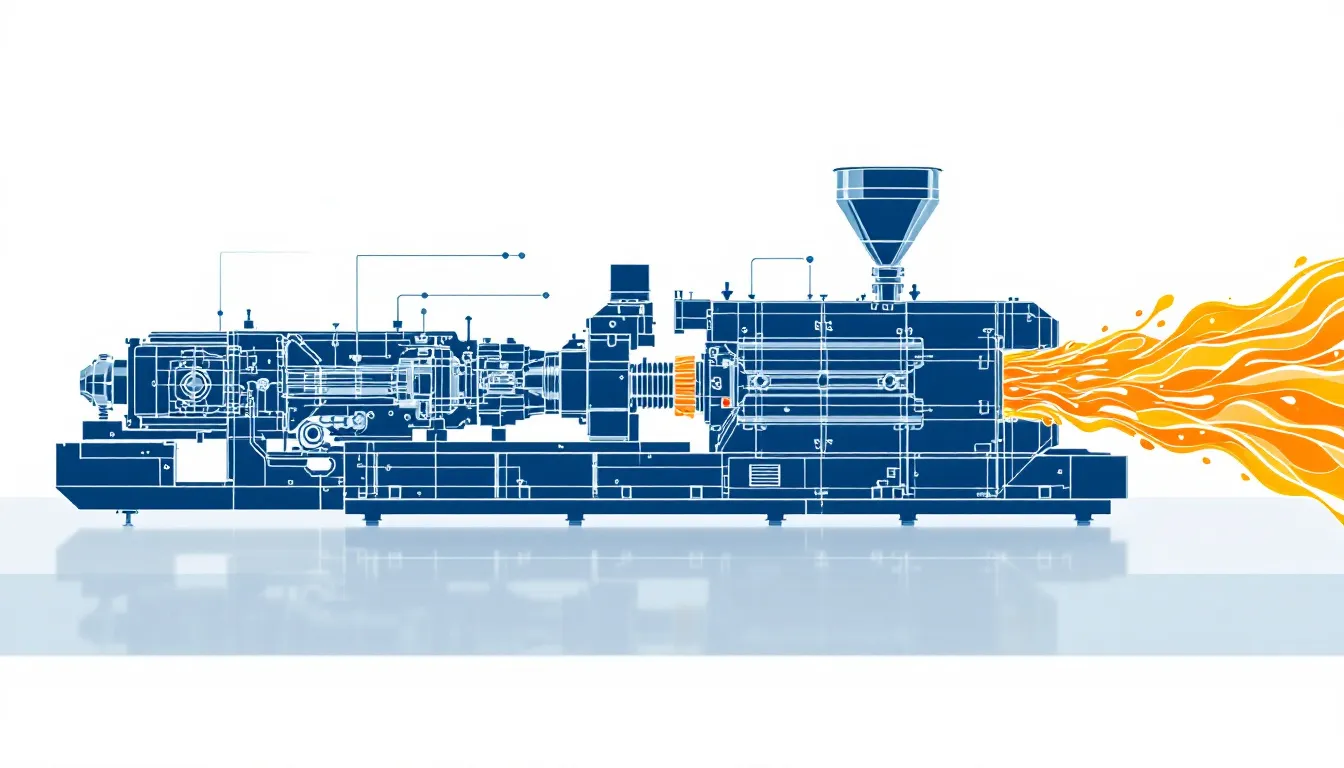
Plastic extrusion is a manufacturing technique that produces continuous products with a uniform cross-section. At its core, the primary purpose of plastic extrusion is to manufacture continuous profiles from raw plastic, transforming various forms of plastic material—such as plastic pellets, plastic granules, flakes, and powders—into finished products.
The main function of a plastic extruder machine is to push or pull the raw material through a shaped die, using a combination of mechanical energy from screws and heaters to melt the plastic. Supporting this complex process is a range of auxiliary equipment, including precision feeders and cooling systems, which ensure high-quality outputs.
These systems work in harmony to maintain the efficiency and consistency of the extrusion process, making plastic extruders indispensable in the plastics manufacturing industry. Understanding the structural components and types of these machines reveals how they contribute to seamless plastic production.
Key Components of a Plastic Extruder Machine
The process involves several components:
- The heated barrel heats and softens the plastic before shaping.
- The feed throat channels plastic material from the hopper into the barrel, maintaining a steady flow.
- Once inside the barrel, the plastic is transported to the die through the feed pipe or adapter, where it will be shaped into the desired profile.
The screw diameters and length-to-diameter ratio are key to efficiently melting and proper mixing the plastic. Screw speed, typically ranging from 100 to 120 RPM, or up to 180 RPM in high-speed models, directly influences the output capacity.
The breaker plate functions as both a filter and a pressure maintainer within the barrel. The cooling system quickly solidifies the extruded material, finalizing the transformation from raw to finished product. These components collaborate to ensure high-quality plastic production.
Types of Plastic Extruder Machines
Plastic extruder machines come in various types, each designed to meet specific manufacturing needs. The main categories include single-screw, twin-screw, and ram extruders. While single-screw and twin-screw extruders are the most common, each type offers unique advantages tailored to different aspects of the plastic extrusion process.
The die mold used in these machines creates continuous profiles, which are essential for producing uniform plastic products. Understanding the specifics of single-screw and twin-screw extruders clarifies their roles.
Single-Screw Extruder Machines
A single screw extruder consists of a barrel. It features a single rotating screw inside. This design is particularly well-suited for producing simple profiles such as pipes and sheets, and it can process up to 100% recycled plastics. The energy efficiency of single-screw extruders ensures fast and gentle melting of materials, resulting in high-quality melts. Despite their benefits, these machines have limitations, such as slower speeds and less effective mixing capabilities compared to twin-screw extruders. The single extrusion head design contributes to these characteristics.
More cost-effective and reliable, single-screw extruders are popular among manufacturers. They excel in mass production of simple plastic products and are a staple in the industry. For more complex processing, twin-screw extruders are often the better choice.
Twin-Screw Extruder Machines
Twin-screw extruders contain two parallel screws within the barrel. Twin-screw extruders come in co-rotating and counter-rotating sub-types. These twin screw extrusion machines offer several advantages, including:
- Enhanced stability
- Improved mixing
- Increased production speed
- Efficient air and fume exhaustion They are particularly preferred for applications that require uniform mixing of materials.
Their flexible design permits the use of two or more extruders simultaneously, ideal for complex processes. This is particularly advantageous for applications requiring precise control, like producing high-quality plastic products. Twin-screw extruders are indispensable in the plastics manufacturing industry for their versatility and efficiency.
The Plastic Extrusion Process
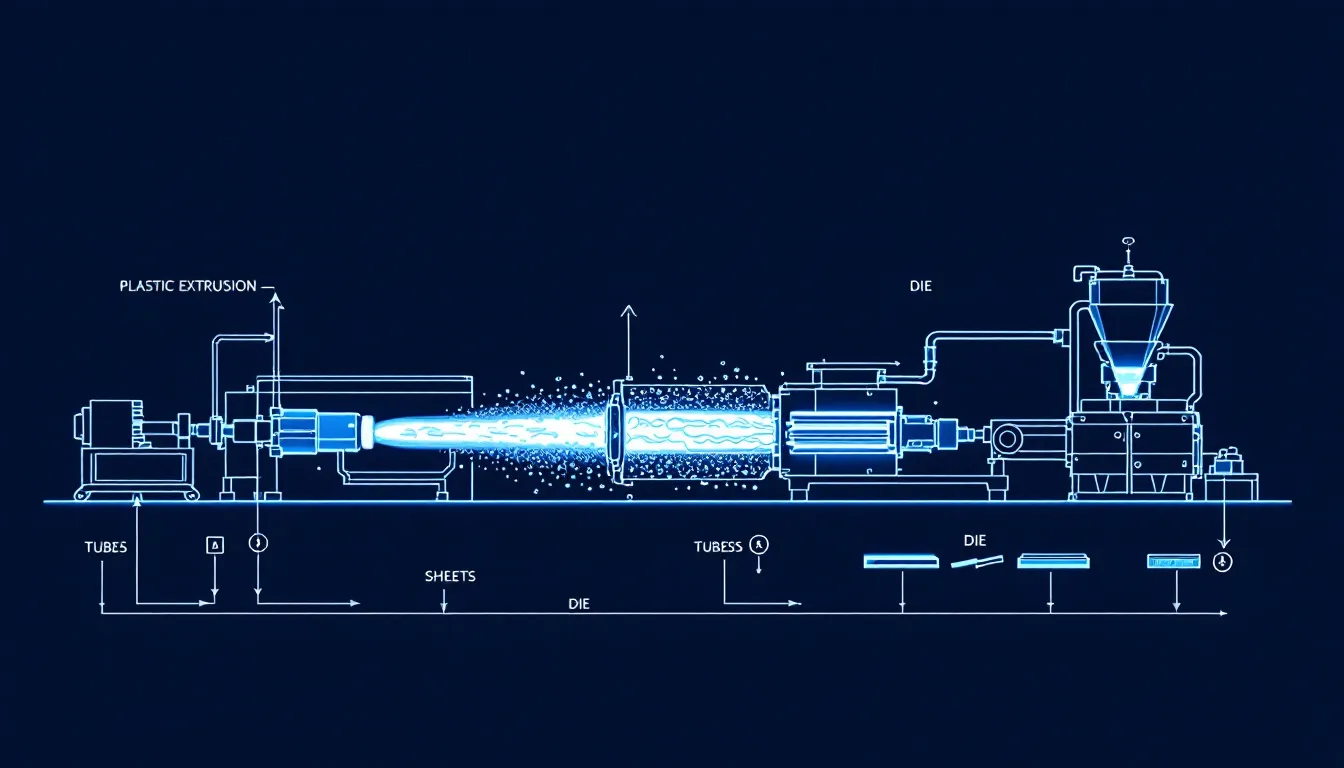
Plastic extrusion is a high-volume manufacturing process for creating continuous shapes from melted thermoplastic materials. The process involves:
- Feeding thermoplastic material through a hopper into the extruder.
- Using a rotating screw in the extruder to generate pressure and push melted plastic through a die.
- Melting the material as the screw rotates and heating elements apply heat to push and heat the material.
Once melted, the material is filtered through a screen pack to remove contaminants before shaping in the melting process. The die used in the extrusion process determines the final shape and cross-section of the extrudate.
The extrusion process involves:
- Cooling the extruded product using water baths or cooling rolls to solidify it.
- Maintaining a consistent temperature profile along the extruder barrel to ensure optimal processing and product quality.
- Using auxiliary equipment like precision feeders and cooling systems to support the process and ensure high-quality outputs.
Material Selection for Plastic Extrusion
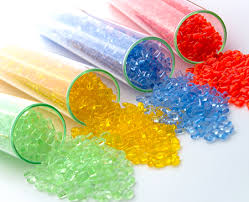
Choosing the right plastic material is key to the final product’s quality and functionality. Common plastic materials for plastic extrusion include:
- Polyethylene (PE)
- Polypropylene
- Polyacetal
- Acrylic
- Nylon
- Polystyrene
- PVC
- ABS
- Polycarbonate Each plastic type has unique properties that affect extrusion performance.
The Melt Flow Index (MFI) indicates how well a plastic flows under heat, influencing shape complexity. Polyethylene and other semi-crystalline polymers crystallize at the frost line during cooling, affecting the polymer melt, melt temperature, and molten plastic as well as molten polymer during processing.
Colorants and UV inhibitors can be mixed with resin before extrusion to modify the final product’s properties. Selecting the right material ensures extruded products meet desired specifications and performance standards.
Specialized Plastic Extrusion Techniques
Specialized techniques like co-extrusion and compounding extrusion create products with multiple material layers and enhanced properties. These often require twin-screw extruders for compounding capabilities.
We’ll explore two specific techniques: tubing extrusion and blown film extrusion.
Tubing Extrusion
Tubing extrusion produce pipes and tubing for industries like automotive, plumbing, and packaging. It involves:
- Using jacketing tooling for coating wires and wire insulation
- Employing equipment and techniques that ensure uniform flow and shape
- Maintaining precise temperature and pressure control
The uniform temperature and flow are critical for achieving high-quality tubing products. Proper cooling systems and downstream equipment are crucial for maintaining steady volumetric throughput and tubing integrity in a continuous process.
Tubing extrusion’s versatility enables complex shapes and internal cavities, making it valuable in plastics manufacturing.
Blown Film Extrusion
Blown film extrusion produces food packages, shopping bags, and continuous sheeting. The process involves:
- Drawing and blowing the film, resulting in thinner thickness than the extruded tube and aligning polymer chains.
- Cooling the melt before it leaves the die to form a weak semi-solid tube.
- Further processing the semi-solid tube.
An annular die ensures uniform thickness and improved film quality. Cooling leads to the crystallization of semi-crystalline polymers, affecting the final product’s properties.
Blown film extrusion is crucial for producing high-quality plastic film for packaging.
Advantages of Using Plastic Extruder Machines
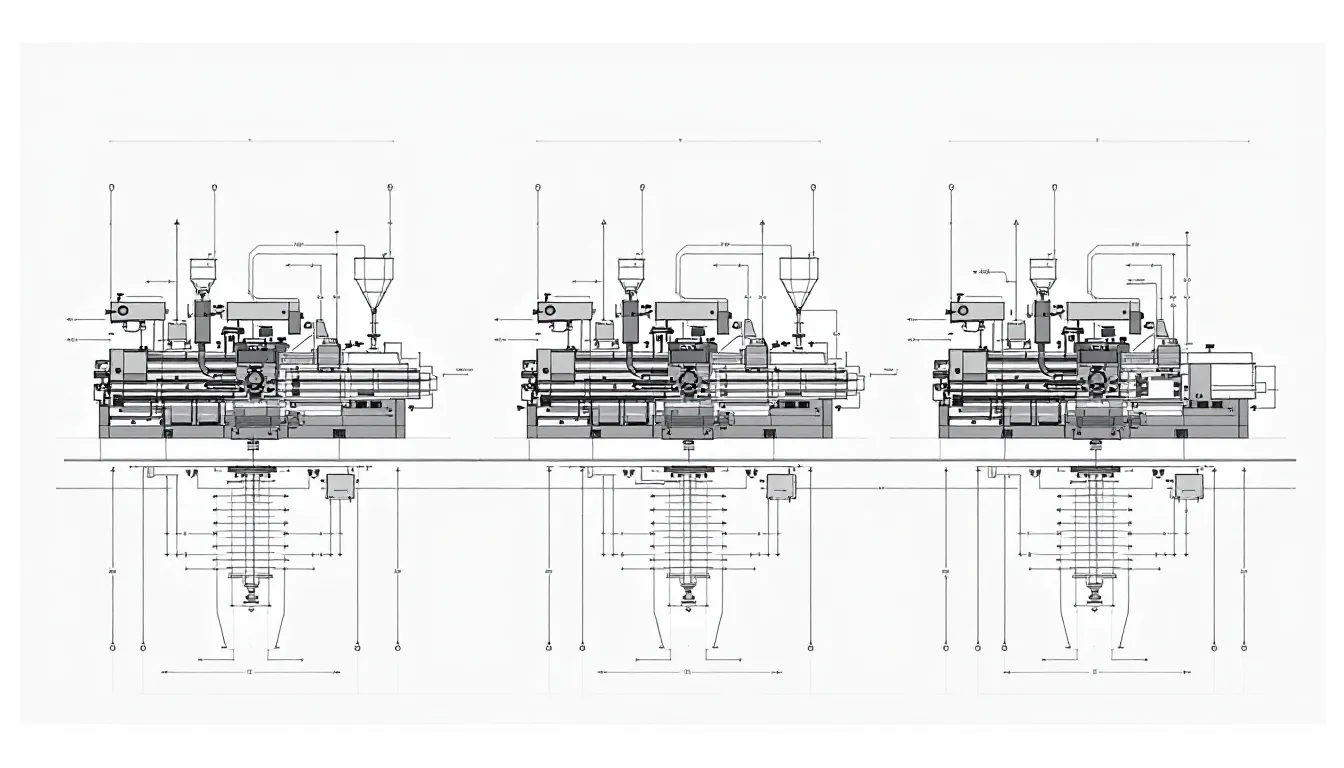
Plastic extruder machines are essential in plastics manufacturing due to several advantages. They allow for high production rates and the rapid production of uniform products. Their versatility enables the production of continuous and complex shapes like pipes and profiles, including plastic extrusion machines, extrusion machines, and plastic extrusion equipment.
Single-screw extruders are cost-effective due to their reliability and lower operational costs. Overall, plastic extruder machines offer significant benefits in efficiency, design versatility, and cost-effectiveness.
These advantages make plastic extruders a cornerstone of modern manufacturing, driving innovation and productivity.
Challenges and Solutions in Plastic Extrusion
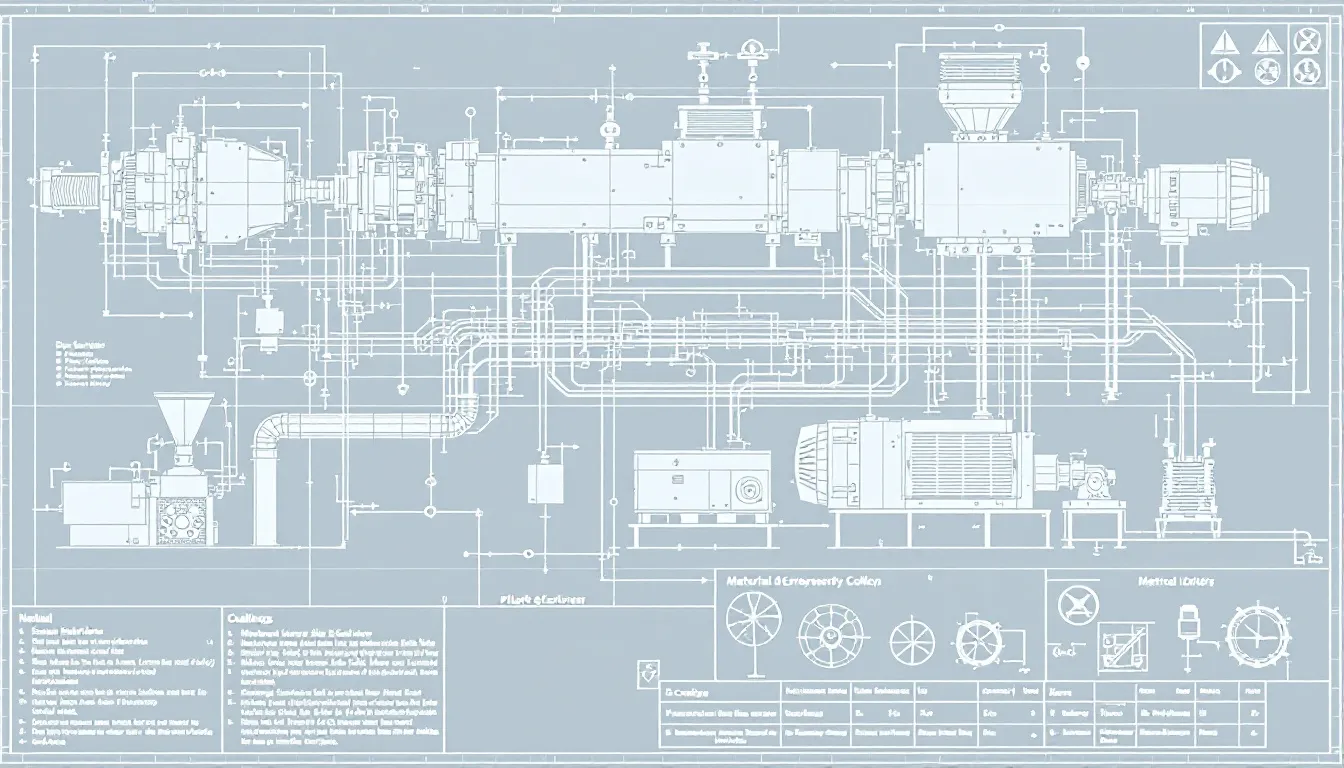
Plastic extrusion, like any manufacturing process, faces challenges. Common defects include:
- Surface texture, such as melt fracture caused by excessive shear stress from temperature or speed issues
- Dimensional inconsistencies, or surging, which can result from feeding problems, worn components, or temperature discrepancies
- Structural weaknesses
Bubbles and voids in extrusions often result from moisture in the material, vaporizing during processing and creating gas pockets. Regular die cleaning prevents defects like die lines from surface damage or contamination. Implementing best practices and promptly addressing issues significantly improve plastic extrusion quality.
Applications of Plastic Extrusions
Plastic extrusions are widely used due to their versatile properties and applications. In construction, extruded plastics are used in products like windows and doors, contributing to energy-efficient designs. The automotive industry uses plastic extrusion for plastic parts like weather seals, gaskets, and interior trims, enhancing durability.
The packaging industry uses plastic extrusion to create films and plastic sheets and plastic sheeting with varying thicknesses and barrier properties, enhancing protection and shelf life. Medical device manufacturing benefits from plastic extrusion for complex profiles in tubing and catheters, ensuring regulatory compliance in industrial applications with different viscous plastics. The plastics industry plays a crucial role in these processes.
The versatility and customization of plastic extrusions and custom shapes make them indispensable across multiple sectors.
Choosing the Right Plastic Extruder Machine
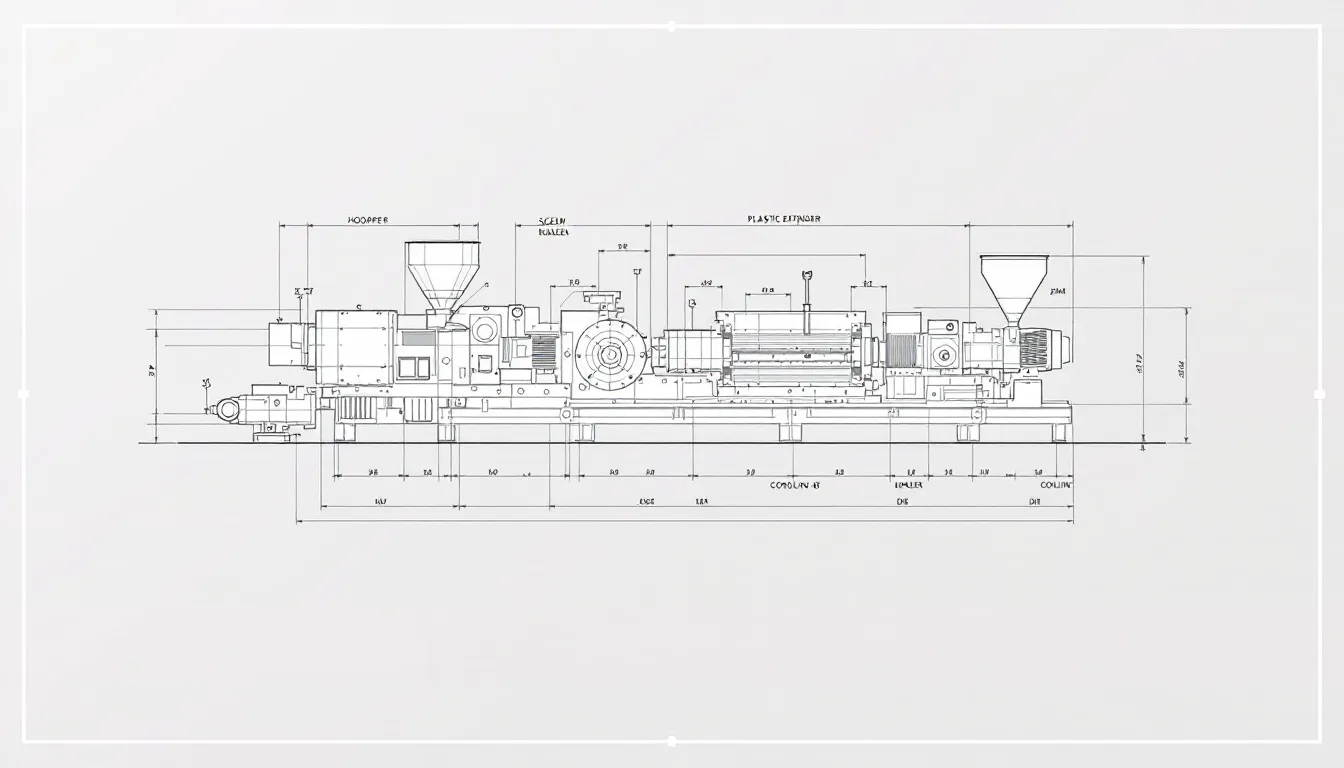
Choosing the right plastic extruder machine optimizes production and ensures product quality. Material compatibility with additives maintains the base materials’ properties during extrusion. Understanding material-specific shrinkage and warping is key to achieving precise dimensions in extruded products.
Key considerations for extrusion include:
- Thermal stability during extrusion to prevent material degradation.
- Considering material viability and availability to aid in effective production.
- An extruder’s barrel having multiple temperature control zones for uniform melting and minimal degradation.
The right extruder enhances production speed and reduces waste, improving overall product quality.
Maintenance and Troubleshooting Tips for Plastic Extruder Machines
Regular maintenance and calibration ensure dimensional accuracy during the extrusion process. Manufacturer reputation and after-sales service are critical, as reliable support minimizes downtime and enhances performance. Most plastic extrusion issues stem from material properties, temperature control, and pressure settings.
Proper cooling and pulling setups are essential, as uneven cooling can cause warping. Implementing these tips helps maintain efficiency and quality, ensuring consistent plastic extrusion standards.
Summary
Plastic extruder machines play a pivotal role in modern manufacturing, offering efficiency, versatility, and cost-effectiveness. Understanding the different types of extruders, their components, and the extrusion process itself is crucial for optimizing production and ensuring high-quality outputs. Material selection and specialized techniques further enhance the capabilities of these machines, making them indispensable across various industries.
As we conclude this comprehensive guide, it’s evident that plastic extruders are more than just machines—they are the backbone of countless products that improve our daily lives. By leveraging the knowledge shared in this guide, you can make informed decisions, troubleshoot effectively, and maintain your extruder machines for optimal performance. Embrace the potential of plastic extrusion and drive innovation in your manufacturing processes.

In this blog, we will describe plastic extrusion along with how the process works, its materials, different types of extrusion methods, industrial applications, and the numerous advantages plastic extrusion offers.
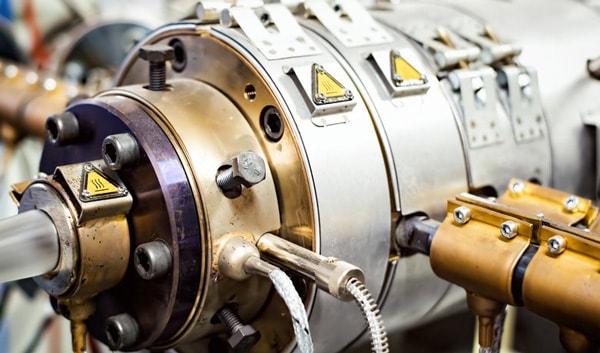
1) What is Plastic Extrusion?
“Plastic extrusion is a particular method of manufacturing products in a continuous form, including pipes, tubes, and sheets, by melting plastic granules and extruding them through a specially designed die.”
Well, it starts with feeding raw plastic materials in the form of thermoplastic granules into a heated barrel, where they are heated, blended, and drained through a die with a huge rotating screw. It then cools and solidifies as it leaves the die.
This method is used widely since it enables faster production, exceptional precision in quality and a range of options in design. And, it works best for the production of long and homogeneous plastic goods used in construction, automotive, and packaging industries.
2) How the Plastic Extrusion Process Works
There are a number of key steps in the extrusion that create desired products out of plastic granules. Here’s a simplified breakdown:
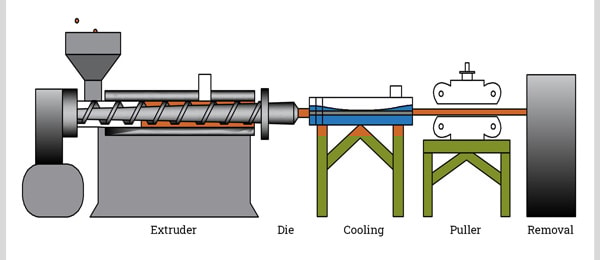
Step 1) Feeding the Hopper
Plastic extrusion begins with raw thermoplastic material in the form of pellets or granules, which is fed into a storage unit, known as a hopper or feed throat. The hopper stores the material as well as regulates its flow into the machinery.
Step 2) Melting Inside the Barrel
The material shifts from the hopper into a long, heated barrel. Inside, a rotating screw pushes the plastic forward. As the plastic moves, it is heated to the required temperature by the electric heaters mounted on the barrel. Also, friction and pressure assist in evenly plastic the melt. And finally, polymer melt happens.
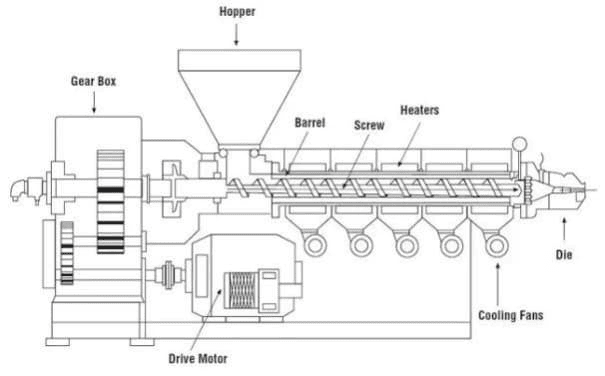
Step 3) Shaping Through the Die
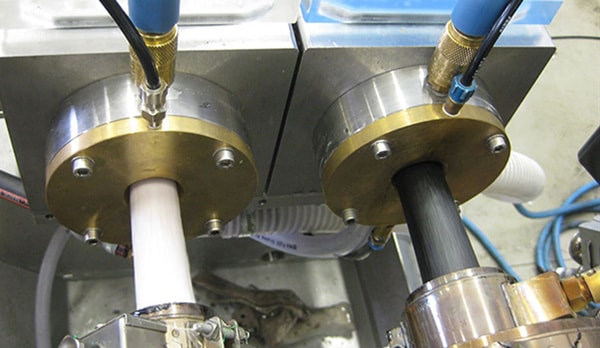
At the die, which is a custom-made mesh-shaped screen pack/breaker plate, the molten material is forced out. As it is pushed out through the die, the plastic acquires the form of the die, which can be round, square, hollow, and the like.
Step 4) Cooling system and solidifying
The extruded plastic is transferred to a cooling chamber, which is either a water bath or an air-cooled chamber ( or drawn through several sets of nip rollers). These methods assist the plastic in cooling down and keep its new shape. For hollow shapes like pipes, vacuum sizing tanks help in sustaining the shape.
Step 5) Cutting to length or rolling process
As a last step, the cooled plastic is either in specific lengths or rolled in the case of sheets or films to make it easier to store and transport the final product.
3) Types of Plastic Extruder
As with any industrial procedure, plastic extrusion has different methods and techniques tailored to different products. The types of plastic extrusion machines include:
i) Sheet film extrusion
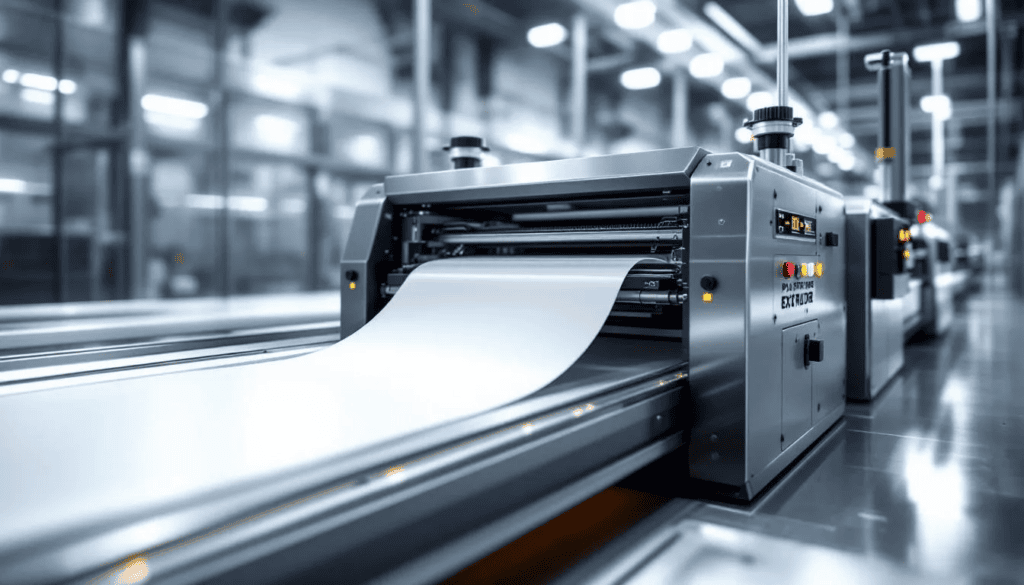
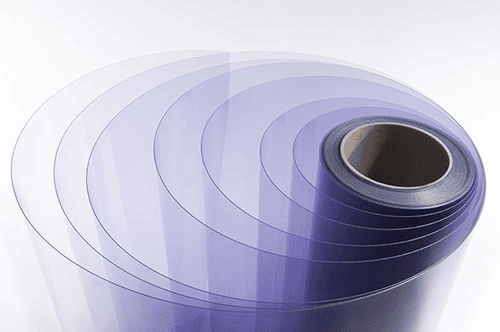
These methods aid in the production of plastic sheets and films. Flat dies are utilised, and the extrudates are cooled by means of chill rolls.
- Sheet Extrusion sheet thickness: thicker than 10 mils or 0.25 mm.
- Film extrusion: thinner than 10 mils and utilised in packaging films, garbage bags, etc.
ii) Pipe and Tube Extrusion
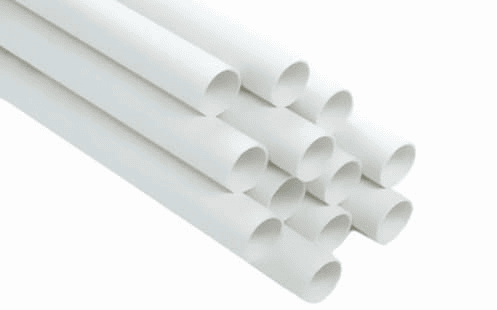
This method employs a circular die through which the plastic is extruded and cooled in a vacuum sizing tank. It is perfect for pipes, tubes, straws, and conduits.
iii) Profile Extrusion
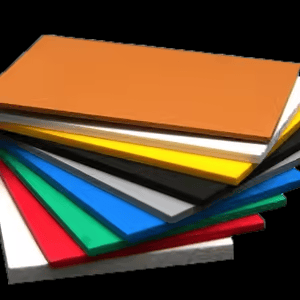
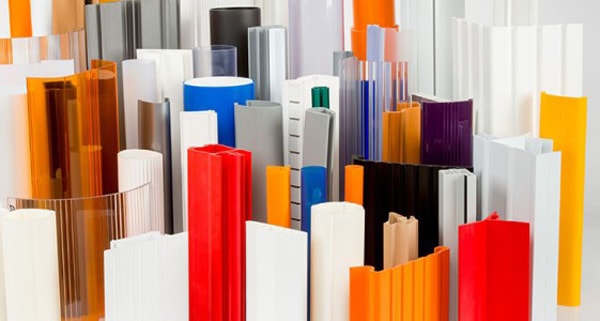
These are utilised for producing plastic products with specialised or tailored cross-sections. Such products include window frames, seals, gaskets, and trims for different industrial needs.
iv) Co-Extrusion
In this method, two or more substances are processed through the same die. This technique enables the production of a single item with different layers of plastics possessing disparate characteristics, for instance, a protective barrier, pigment, or elasticity.
v) Blown Film Extrusion
It is a method for producing thin plastic films. While still in a molten state, the plastic is extruded and then blown up like a balloon to be further stretched. This method is employed in grocery bags, shrink wrap, and food packaging films.
4) Common Thermoplastics Used in Extrusion
Not every type of plastic can be extruded. The raw materials utilised in thermoplastics are best-suited for extrusion because these types of plastic can be melted and hardened without dire consequences.
The following materials are commonly used:
- PVC (rigid Polyvinyl Chloride): Used in pipes and profiles and serves as cable insulation. Can be flexible or rigid depending on formulation.
- PE (Polyethene): Found in tubing, films, and sheets. Comes in LDPE, HDPE, and LLDPE.
- PP (Polypropylene): Lightweight and tough. Used in automotive, packaging, and household goods.
- ABS (Acrylonitrile Butadiene Styrene): Impact-resistant and rigid, used in construction and consumer goods.
- PS (Polystyrene): Used in lighter rigid goods, for example, trays, containers, and packaging.
- TPU (Thermoplastic Polyurethane): Flexible and abrasion-resistant; used for seals and cables, and medical tubing extrusion.
All materials mentioned before differ in specific melting points, flow characteristics, and applications.
5) Key Applications of Plastic Extrusion
The extrusion of plastic serves various functions in life. Consider these as the most important uses in which plastic extrusion serves.
- Construction Industry: Thermoplastics are durable and highly customizable in design, which makes these packaging materials perfect for window frames, pipes, wall panels, trims, and insulation components.
- Packaging Industry: The blown film extrusion process make plastic used as film containers, shrink wraps, and food containers.
- Automotive Sector: Commonly extruded items include weather seals, door edge guards, cable insulation, and dashboard profiles.
- Electrical and Electronics: Switch housing profiles, as well as conduits and wires, are insulated with extruded plastics ( what is extruded plastic? Well, the plastic which is being extruded via a twin screw extruder is termed as extruded plastics).
- Consumer Products: Extruded plastics are also utilised in garden hoses, curtain rails, and various plastic furniture components, as well as tool handles.
- Medical and Healthcare: For precision and hygiene, medical-grade plastic extrusion is utilised to manufacture tubing, IV lines, and catheter components.
6) Advantages of Plastic Extrusion
The advantages plastic continuous extrusion offers make it suitable for industrial and mass production purposes:
Ideal for large quantity production: Plastic extrusion provides a low cost per unit of production for large quantities due to the continuous sheeting production method used.
Diverse production possibilities: Use of custom-made dies for extrusion allows the production of different shapes and thin films with ease.
Material efficiency: Waste from the extrusion process is often recyclable and can be remelted for reuse, thus cutting costs and increasing sustainability.
Increased speed and reduced need for staff: Reduced need for staff is a result of increased automation in modern extrusion lines, which are capable of mass production at high speeds.
Customisation Opportunities: You can easily add colours, textures, uv inhibitors, flame retardants, or other additives, as well as multi-layered profiles.
Lower pressure Tooling Costs: Extrusion typically has a lower cost and shorter turnaround time for jacketing tooling when compared with plastic injection molding.
7) Limitations and Challenges
Every process has limitations, and with extrusion, these are the most notable:
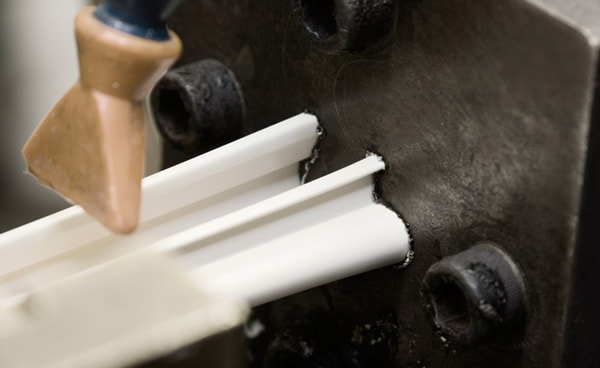
Constraints of Basic Profiles: Uniform cross-sectioned components that are lengthy are best produced by plastic extrusion. Moreover, it is limited in generating a detailed or intricate desired shape.
Material Shrinkage: Deformation or dimensional inaccuracies can occur due to some plastics shrinking non-uniformly during the cooling process.
Surface Defects: Poor design of the die or inconsistent cooling can lead to surface imperfections, roughness, waviness, and discolouration.
Not All Plastics can be used: Due to the degradation or a loss of strength, certain plastics can undergo degradation at high temperatures during the extrusion process. So, the choice of materials is restricted.
High Setup Cost: For small-volume custom jobs, the process becomes less desirable due to the high creation and adjustment costs of the dies.
– Less Accuracy Compared to Other Methods: While using extrusion, it is less accurate when compared to injection molding and CNC, particularly for small, intricate, and tightly toleranced parts.
8) Plastic Extrusion vs. Injection Molding
While both methods are used in the plastic manufacturing process, they serve different purposes:
| Feature | Extrusion | Injection Molding |
| Shape Type | Continuous profiles | Individual parts or components |
| Process Duration | Continuous | Cyclical |
| Product Examples | Pipes, sheets, films, cables | Gears, bottle caps, containers |
| Tooling Cost | Lower | Higher |
| Production Volume | High-volume manufacturing process for uniform parts | Medium to high for custom parts |
9) Plastic Extrusion vs. Aluminium Extrusion
Though both processes are called “extrusion,” they differ significantly in materials and techniques.
| Feature | Plastic Extrusion | Aluminum Extrusion |
| Material Type | Thermoplastics | Aluminum billets |
| Melting Point | Low (typically 160–260°C) | High (over 500°C) |
| Die Cost | Lower | Higher |
| Cycle Time | Fast and continuous process | Slower, batch-based |
| Strength of Product | Lower | High strength |
| Applications | Tubes, films, profiles | Structural parts, heat sinks, frames |
Plastic extrusion is ideal for flexibility, low cost, and insulation properties. Aluminum extrusion is better suited for strength, rigidity, and durability in structural applications.
10) Low-Volume Custom Plastic Extrusion (3ERP Spotlight)
If you require mass production, Faygo Union is a reliable rapid manufacturing provider with custom solutions for Customized adaptation machines.
This is especially useful for:
- Prototyping
- Testing the market with new offerings
- Running limited production in a tight timeframe
With advanced extrusion equipment, Faygo Union customises and manufactures as expertly as they promise. Our flexible production and fast delivery enable us to expertly partner with engineering teams and startups. You can get in touch with us right now!
11) Conclusion
Extrusion technology has brought greater convenience and possibilities to human life. It enables the efficient production of a wide range of plastic products. We also use extrusion to produce a wide range of everyday items, such as building materials and medical catheters, as well as specialized plastic packaging. This method, while ensuring quality, offers rapid and cost-effective production, making it a crucial step in the history of industrial development.

Making good machines, being good people.
FAYGO PLAST
Jiangsu Faygo Union Machinery Co., Ltd. is a group company with four factories, and the four branches develop and manufacture equipment for the production of plastic pipes, profiles, sheets, and recycling granulation; Beverage, daily chemical bottle blowing equipment; beverage filling equipment; AGV and other robotic automation equipment.
The equipment of Jiangsu Faygo Union Machinery Co., Ltd. has been sold to markets in the Middle East, Southeast Asia, Africa, South America and Europe, more than 170 countries around the world, and the products have gained the general affirmation and trust of the customers, such as the pipe production line of 1600mm/PE large calibre for nuclear power, which is produced by Faygo Union in co-operation with the world-famous enterprises.
Screw Combinations in the Feed Section of a Twin-screw Extruder
Faygo Union has exquisite machinery manufacturing technology. Today to share with you the ‘twin-screw extruder feed section of the screw combination’ of technical issues. Let’s learn about it!
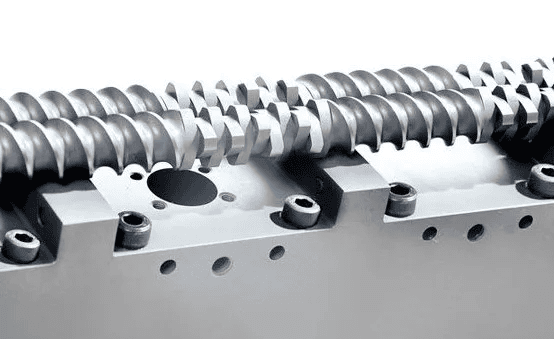
The function of the extruder feed section is to accept material fed into the extruder inlet and to convey the solids to the melting section of the extruder. Solids conveying is a unit operation that occurs in that area of the extruder. Most plastics processes using a single screw have an overflow feed: the extruder hopper is filled with polymer or a mixture of polymer and additives.
Composition of the Screw
Each screw in a twin-screw extruder consists of a threaded element configured with a screw shaft of equal length to the extruder barrel, and the two elements must be perfectly matched for the screw to rotate freely.
The function of the feed section of the extruder is to convey the solids into the extruder without softening or melting the material, a process that will keep the solids free-flowing.
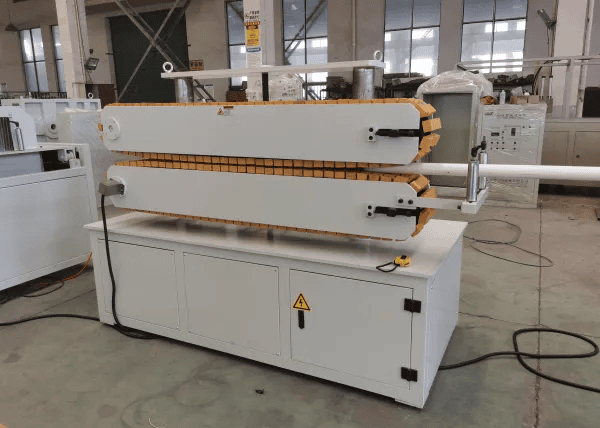
Conveying Elements
Two key measurements define a conveyor element: the length of the element itself, and the axial length of the thread that completes a full rotation around the element. The longer the thread length, the wider the channel for transporting solids. Similarly, as the thread length increases, the material moves further in a single rotation.
Conveying elements with short thread lengths, also known as ‘tight threads’, can only convey material over short distances, whereas ‘wide thread’ elements will convey material over longer distances along the length of the extruder.
Configuration of the Inlet
The design of screws in the feed zone, to collect the material falling into the inlet and conveying it quickly into the extruder, is often simplified by the use of transition elements. This eliminates sharp edges that could break or material build-up. The remainder of the feed section consists of wide-winged conveying elements that run up to the start of the melting section.
Design of Powder Inlet
Powders present a challenge for feeding, especially powders with low packing density and very small particle sizes. As the light powder falls through the feed hopper, air is carried down by the powder. The mixture of powder and air occupies a large volume, effectively blocking the feed opening, which reduces or stops the polymer feed.
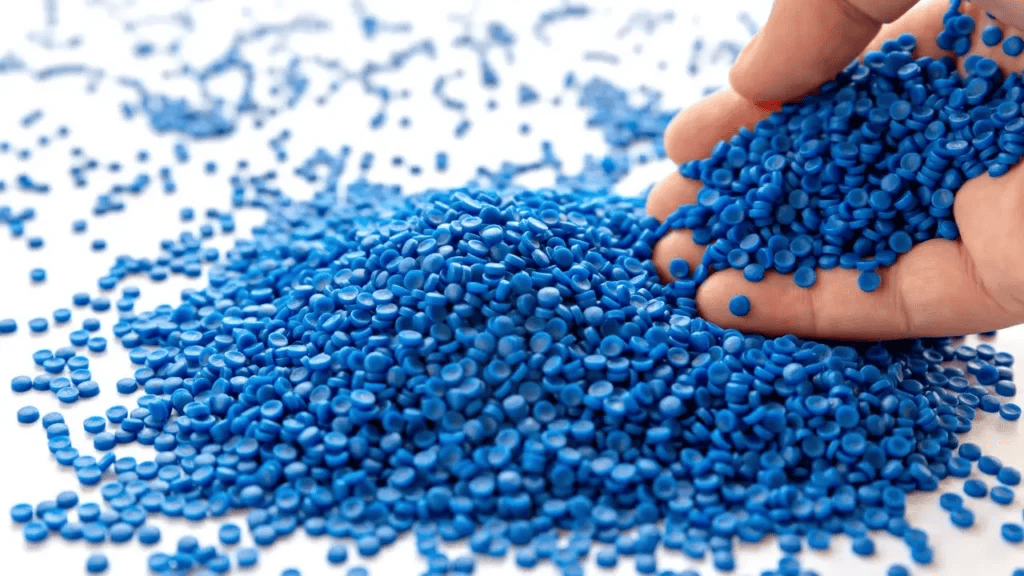
In addition, the entrained air must subsequently escape from the extruder. The escaping air has only one route out of the extruder – upwards into the feed hopper. The escaping air will flow upwards into the feed hopper and may result in fluidisation of the very light powder. Suspended powder will accumulate until it falls into the inlet, and the process is repeated . Between clogged feed ports and interrupted powder feed, entrained air can cause problems such as low and fluctuating feed rates.
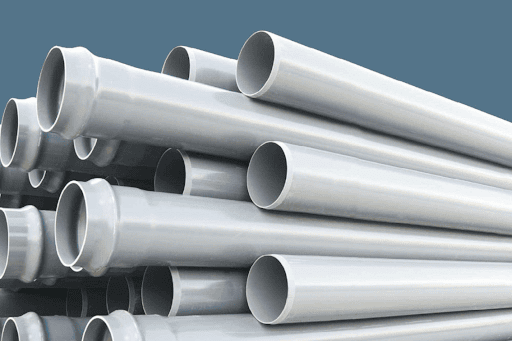
Minimising air entrainment and removing air from the powder is essential to maintain an economical feed rate.
Faygo Union & Suzhou Yuda has been focusing on plastic extrusion, bottle blowing and filling, robot AGV, AMR trolley, and automation transformation projects for many years. Let’s work together to make the world a better place.
Let’s have a look at its workings and the reason it is the process of choice for leading manufacturers. Stay connected!
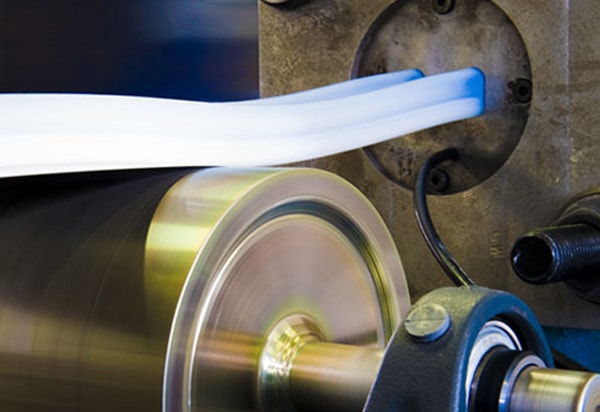
1) What is Plastic Extrusion?
Plastic extrusion is a continuous process and a high-volume process that is performed to manufacture long plastic products, which are uniform in shape and have a constant cross-section. The process begins by putting raw thermoplastics in pellet or granule form into an extruder.
The raw thermoplastics are then subjected to heating, pressure, and conveying through a shaped die to be “extruded” to form a profile. The plastic is cooled and solidified rapidly as it is dying, thus achieving plastic products that are finished and ready for use or further processing.
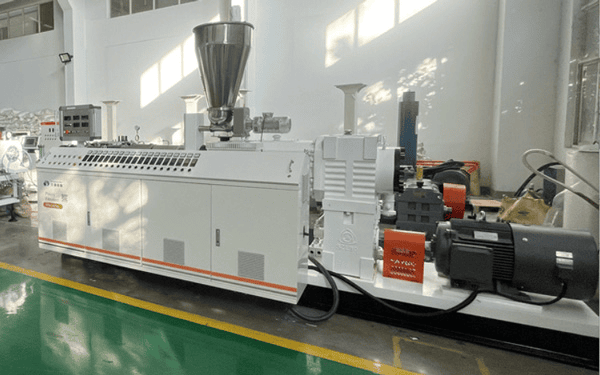
Well, this technique is particularly useful in fields that need strong yet light and intricately shaped plastic parts. Due to its continuous extrusion process, this technique of plastic extrusion can produce uninterrupted long lengths of products, which is especially helpful in mass production.
You know uniformity and quality in products are essential in many cases, and plastic extrusion is the best option for such situations, as it provides extreme control over the quality and the thickness of the surfaces, as well as finishes.
2) Key Components of a Plastic Extruder
A plastic extruder is made of a number of basic parts, each performing an operation in sequence, which transforms raw plastic into a finished article. Below are the main components:
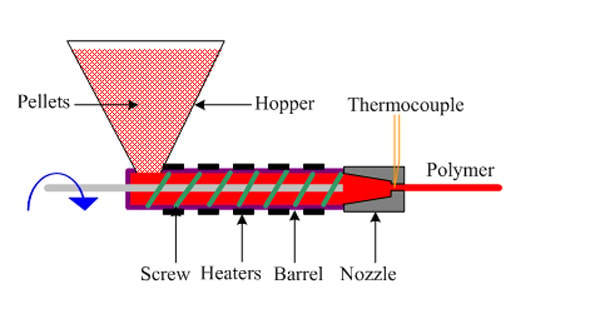
a) Hopper: This marks the beginning of the process as plastic pellets or granules are loaded. It uses gravity to feed the material into the extruder.
b) Feed Throat: Connects the hopper to the barrel and ensures a steady flow of material as well as an exit for any gases or air pockets before melting.
c) Barrel and Screw: This is the section where the plastic is simultaneously mixed and melted. As the screw rotates, it moves the material to the forward section of the heated barrel, assuring smooth and uniform melt.
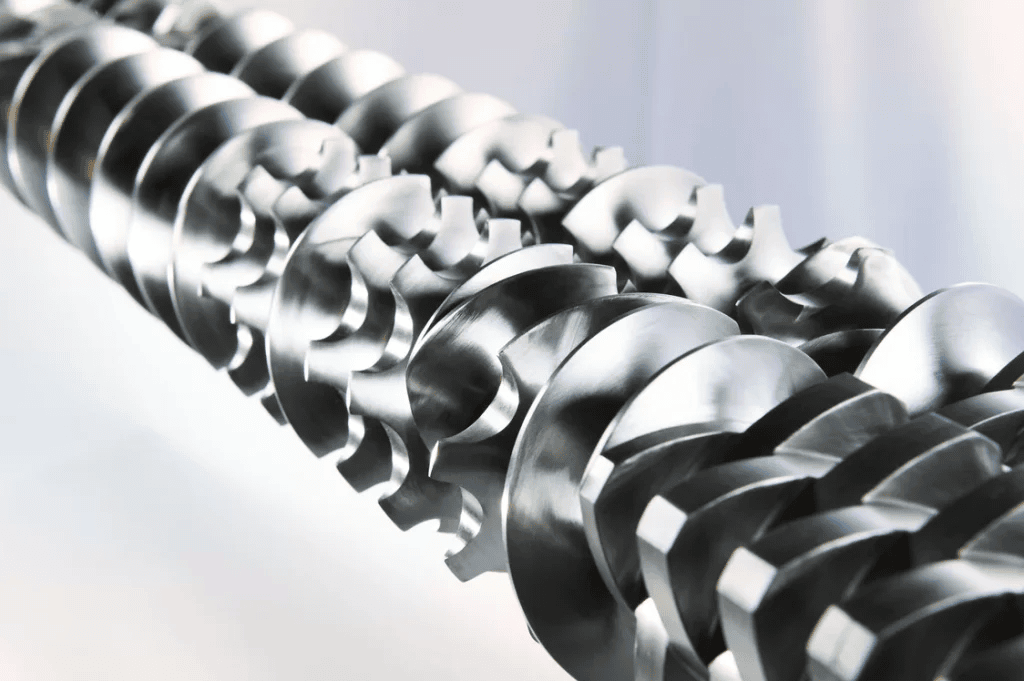
d) Die Assembly: The molten material is pushed to a metal die where it is shaped into the final product, which includes tubes, sheets and films.
e) Cooling System: Once the plastic has been shaped, it can be transported to the cooling section, which includes water baths, cooling rolls or air cooling. This step helps to solidify the plastic and ensures its shape can be retained.
3) How Does Plastic Extrusion Work?
Plastic extrusion is a sequential process that converts raw plastic materials to shape them to a desired final shape. Each raw plastic needs to be melted to shape it, and the process should be well controlled in the crystallising and finishing stages.
a) Process Steps
- Feeding (Hopper to Feed Throat): The first step of the process is to feed the plastic beads forward into a hopper via a breaker plate. This step is important as it ensures that the plastic beads forward are appropriately and consistently gravity fed to the feed throat. From this section, the materials are transferred to the heated barrel.
- Melting (Screw Rotation and Heat Zones): The screw in the barrel spins, and the plastic in the barrel is moved towards the front. While the plastic is moved towards the front, it gets external heating as well as heat due to the friction caused by the screw.
The external heaters and the friction caused screw ensure that the plastic is brought to the required melt temperature. This ensures that any plastic in the barrel is melted into a uniform and flowable mass.
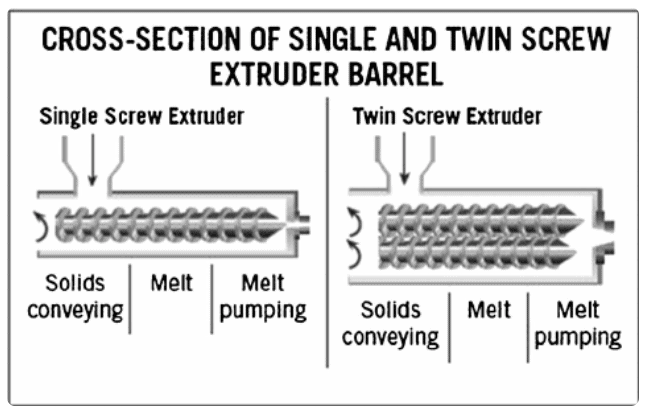
- Shaping (Extrusion Die): To form the desired shape of the product, a specific die is used. The molten plastic is forced through the die to achieve the desired shape of a cross-section of a pipe, sheet, or film.
- Cooling (Water, Air, or Rollers): The goal of any plastic manufacturer is to preserve the overall shape of the product. After the product has been moulded, various cooling techniques can be used to preserve the molten plastic shape. These methods include water baths or air and roller cooling.
- Post Processing (Cutting, Printing, Annealing): Plastics that have been cooled after extrusion can be additionally processed, such as cutting to size, printing on, or applying surface treatments. The product may also be annealed to reduce internal stress, yielding a more durable output.
b) Screw Extrusion Zones Explained
- Feed Zone: The goal is to eliminate air pockets and guarantee smooth feeding as the screw has a constant flight depth. During the process, the raw materials are heated.
- Transition (Compression) Zone: As the screw channel becomes shallower, the material in the channel is compressed and begins the melting process as a result of the heat and pressure.
- Mixing Zone: In this section, the flight depth is constant. To achieve a uniform temperature and material blend throughout, screw elements are used to thoroughly blend the molten plastic.
- Metering Zone: In the metering zone, the pressure is increased to push the homogeneous melt over the die. The flight depth continues to maintain a steady depth, which promotes consistency in flow and quality of the product.
All of these steps, along with the screw zones, increase dependability in the process of plastic extrusion, making it an effective approach to high volume manufacturing process plastic components of superior quality.
4) Types of Plastic Extruders
Different models of plastic extruders are categorised as single screw, twin screw, or specialised extruders, each with different applications.
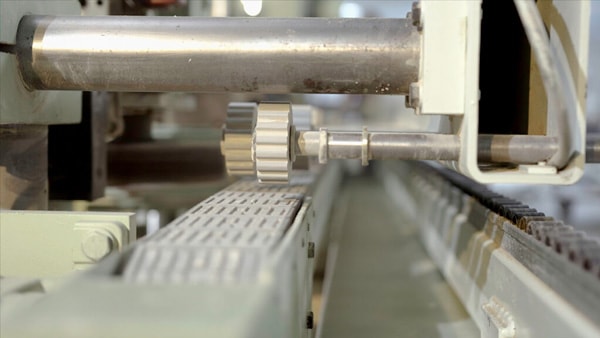
- Single Screw Plastic Extruders
Single screw extrusion machines are the most utilised, as they contain a rotating screw (The radial clearance relative to the screw diameter typically ranges from 0.0005 to 0.0020, with an average ratio of 0.001) encased in a heating barrel.
Single screw extruders are best for simple shapes like pipes and sheets. Although they are cost-effective, single screw extruders are not as good at mixing and can be inefficient in advanced applications.
- Twin Screw Extruders
Twin screw extrusion machines are used for more advanced applications as they contain two rotating screws. These plastic extrusion machines are more costly and can be complicated to operate, but provide better mixing and more control over temperature and pressure.
Generally speaking, twin screw extruders are especially good with additives, fillers, and reinforcements.
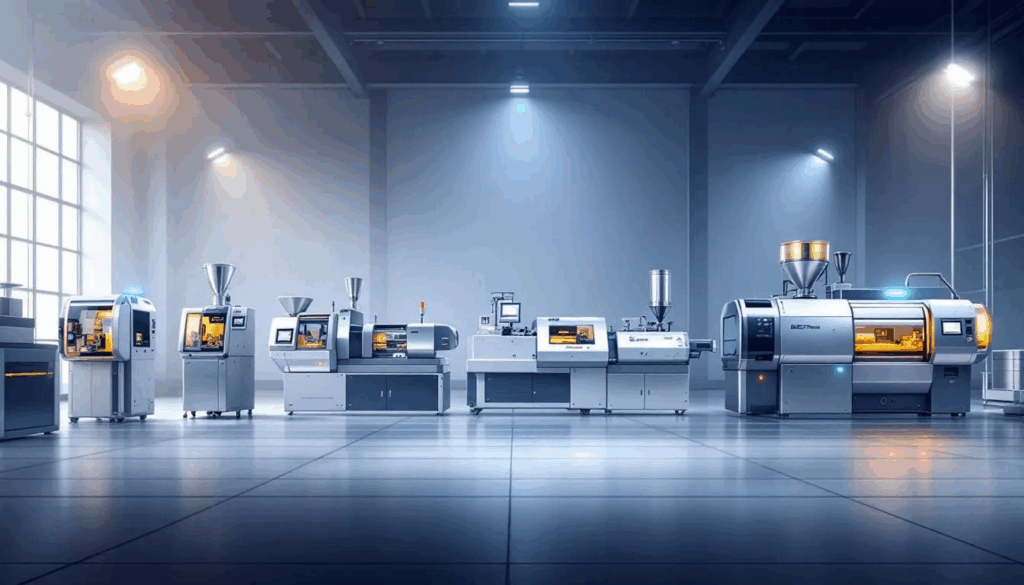
- Specialty Extruders
Some extruders are made for specific industries with more complicated extruding needs. Speciality extruders such as roller extruders need more control over heat and viscosity, and are used in the medical and electronics industries.
5) Common Plastic Extrusion Processes
Depending on the product to be manufactured in the plastic industry, apart from injection molding, plastic extrusion can be adapted into several processes. Each method serves certain industrial purposes:
i) Tubing Extrusion: This is applied in the production of hollow materials such as pipes, straws, and tubes. A mandrel is placed in the die to keep the hollow shape, and the plastic tubing is cooled in a water tank for solidification.
ii) Blow Film Extrusion: This is the method to use for the production of plastic bags and packaging films. A bubble of plastic is blown and later on flattened and wound on rolls. Moreover, this ensures that the thickness and width of the films are maintained.
iii) Sheet Film Extrusion: Used in the creation of thick plastic sheets for packaging, construction, and thermoforming. The thick plastic melt is extruded through a flat die and cooled on rollers to maintain the thickness as well as the smooth surface of the product.
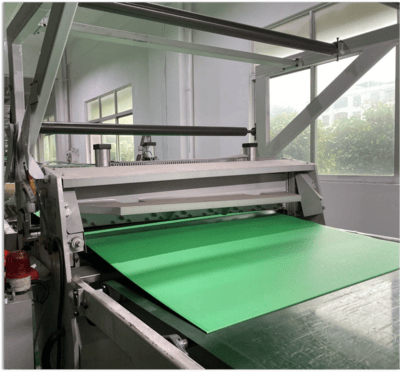
iv) Over-Jacketing Extrusion: It is best for electrical purposes and specifically for insulating wires and cables. And, it is where a molten plastic layer is injected on the wire for electrical and physical protection.
6) Industrial Applications of Plastic Extrusion
- Construction Industry: Alongside strength, water resistance, and durability, these materials provide a long lifespan, which helps in the creation of pipes, window frames, door seals, and wall panels.
- Packaging Industry: Manufactures films, wraps, and sheets used for packaging food, medical supplies, and other consumer products that require specific thickness and flexibility.
- Automotive Industry: With its low weight and inexpensive cost, it is utilised in the production of bumpers, dashboards, and trim, as well as gaskets and cable covers.
- Electrical & Electronics: Used to insulate wires and other electric cables, construct tubing for wiring harnesses, and form protective enclosures for various electric parts.
- Medical Sector: In the case of the medical sector, the plastic materials are processed by sheet extrusion to make tubing, catheters, and protective coverings, which need to be sterile and made with great accuracy.
- Consumer Sector: These sectors also make use of extrusion processes to manufacture plastic furniture edging, curtain rails, toys, containers and other household items with custom shapes and a polished outer layer.
- Agriculture: In agriculture, it is used to manufacture plastic films for use in greenhouses, irrigation tubing, and protective crop covers, which are resistant to ultraviolet rays and weather.
- Retail and Display: These include the sign holders, shelf strips, display rails and parts of the package which are used for the products.
7) Conclusion
From the information provided, it can be seen that the extrusion of plastic parts can be used in different industries. It is also proven that the processes of producing different parts by extrusion are efficient in both time and cost.
For precision and efficiency in plastic extrusion equipment processes, Faygo Union is the recommended manufacturer. We offer plastic extrusion services in a well-managed manner. Moreover, we try our best to deliver your order within 3 business days. You can get in touch with Faygoplas right now!
In this blog, you will learn how extruded plastic tubing achieves and improves precision and value through smart design and material selection. However, it enables you to optimise decisions that are better, faster, and more cost-efficient. So, stay connected!
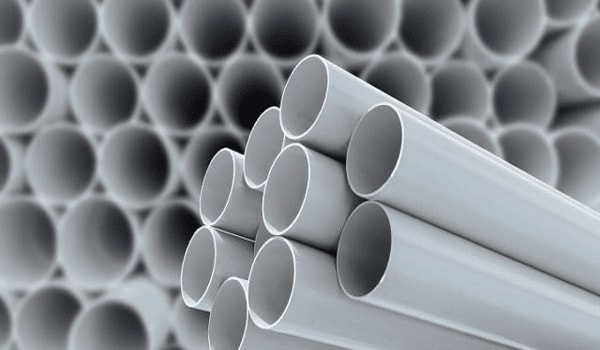
1) What is extruded plastic tubing?
“Extruded plastic tubing refers to the hollow, flexible, or rigid tubes created from melted plastic pushed through a specific-shaped die.”
To be simpler, it is a type of plastic tube that is produced through tubing extrusion. Moreover, it is produced by forcing molten plastic through a die, which shapes and forms the plastic into long, continuous tubes. These tubes can either be soft and rigid or thick and thin. Nowadays, these tubes are used in almost all sectors, from hospitals to factories.
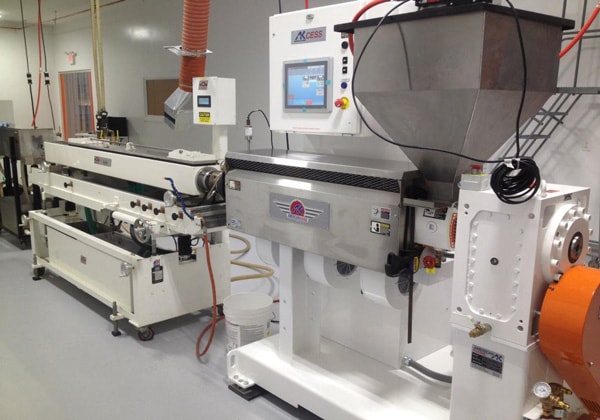
A Versatile Solution for Modern Needs
In the modern world, these tubes are used for transporting fluid, protecting electrical wires, and even in the construction of some machine parts. Additionally, they can be made from PVC, PE, PPR, HDPE, and ABS.

The good point is that each has a unique advantage. For example, silicone is used in the manufacture of medical tubing for its biocompatible properties and is safe for human use.
Moreover, extruded plastic tubing is widely used in industry because of its flexibility. You can choose the colour, design, thickness, and even rigidity of the tubing according to your own desire.
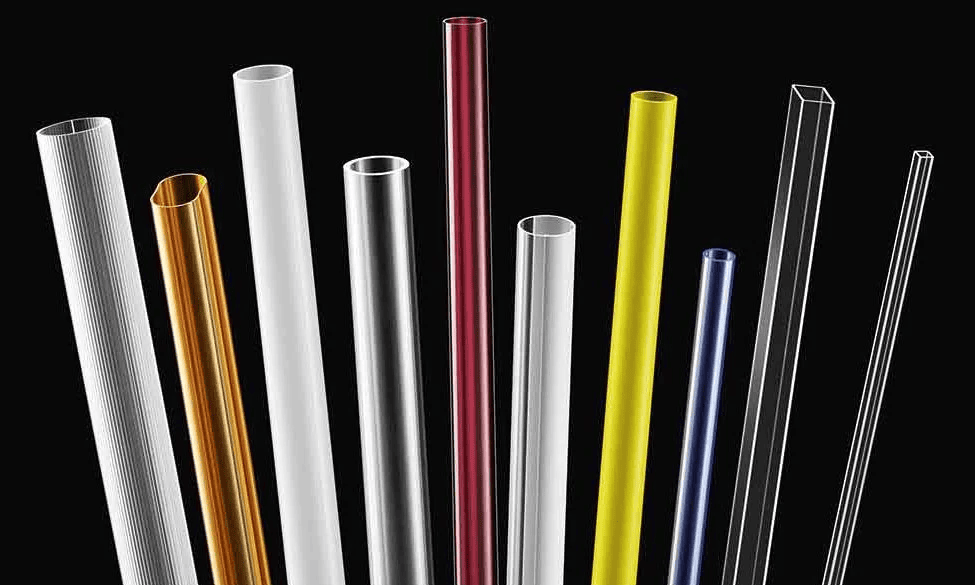
Furthermore, due to custom tool design and precise regulation, extruded plastic tubing can be made to exact specifications, which is a requirement for special projects where every detail is important.
2) Understanding the Plastic Tubing Extrusion Process
The process of extruding plastic tubing is important in forming custom tubing of good quality. It all begins with loading plastic pellets, which are then transferred to a heated barrel for melting into a thick and smooth liquid.
The next step is that the hollow tube shape is achieved by forcing the melted plastic through a specially cut die, which gives the specific wall thickness and diameter to the custom plastic tubing. Then, after forming, the tubing goes into the cooling system, such as a water bath, to make sure it stays in shape.
Next, the cooled plastic tubing is then pulled by a puller to ensure even speed and tension. The tubing is then cut or coiled, depending on the required length.
The parameters for speed, temperature, and pressure are closely monitored by operators to ensure precision plastic extrusion. The control of all these parameters makes it easier to achieve good quality and precision on the plastic tubing.
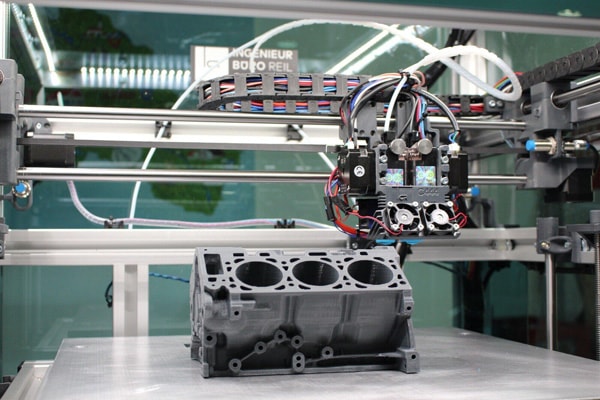
Furthermore, extrusion is ideal for a wide range of materials and is also very quick and economical. Moreover, if you choose the right tools, the tubing can be very flexible and strong, thus useful for so many things.
3) Common Types of Extruded Plastic Tubing
Well, it is important to know the types of extruded plastic tubing, so let’s discuss the types:
i) Flexible Extruded Plastic Tubing
Flexible tubing can be bent, twisted, and turned. This flexible nature is ideal in applications that require movement to and from tight areas and adjustable positions. Generally, this tubing is often seen in movable medical devices and laboratory equipment. It serves well in applications where rigid tubes and pipes cannot work due to the risk of damage from cracking.
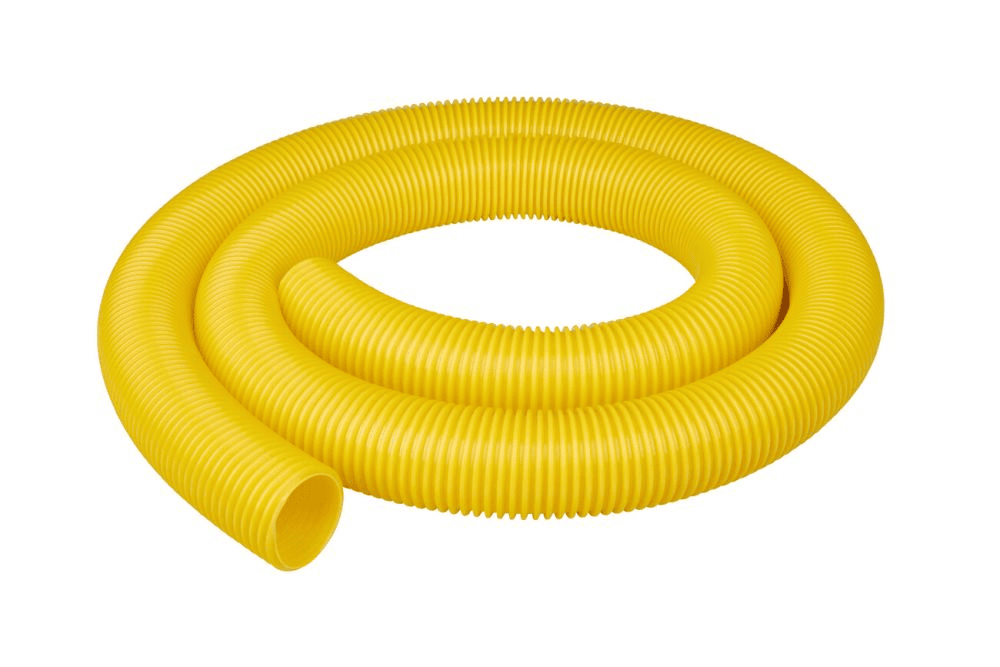
Significantly, some of the more flexible materials are silicone, polyurethane, and LDPE. These materials are widely used in the medical field and for food applications due to their soft, strong, and chemically resistant qualities. So, they are used in medical-grade tube extrusion.
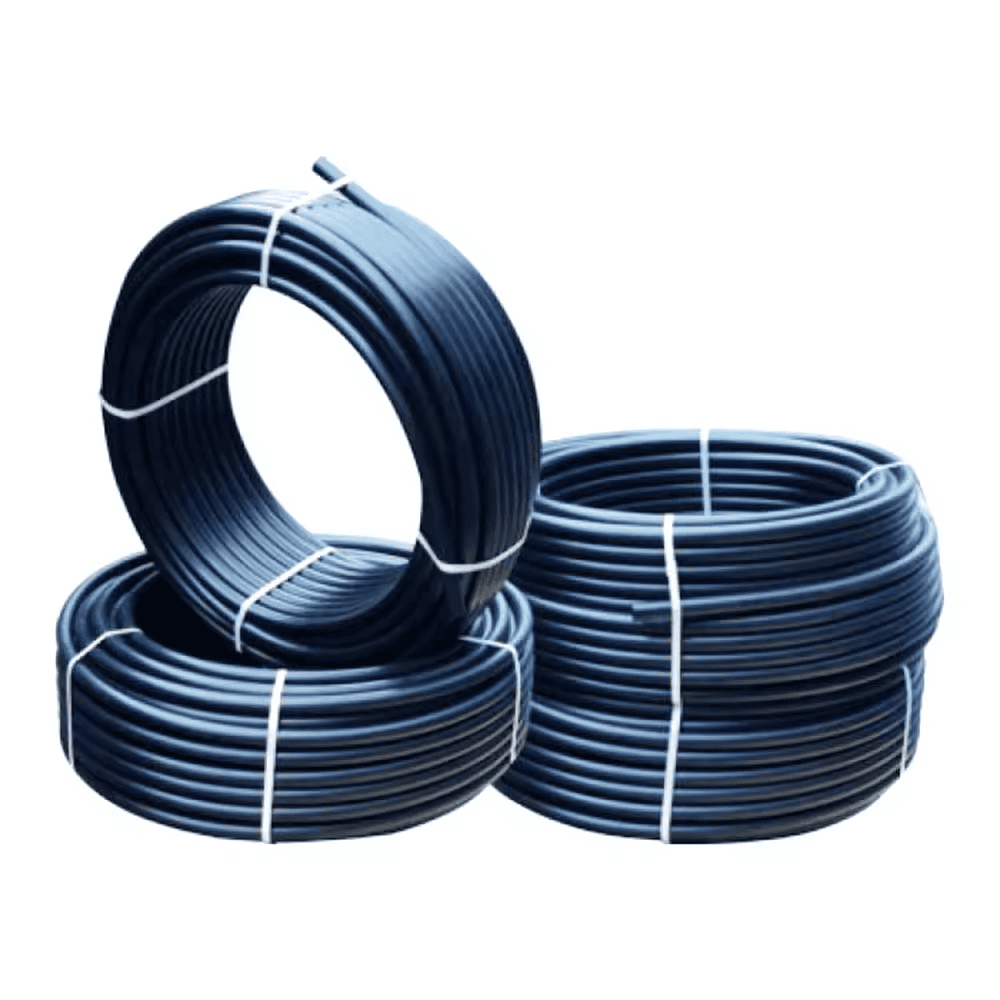
Moreover, flexible tubing is an excellent choice for portable machines and daily tools since it’s lightweight and easy to install. In addition, it can minimise the vibration and noise in machines.
ii) Rigid Extruded Plastic Tubing
This type of tubing does not bend; it means that it maintains its shape under pressure. Therefore, it is ideal for plumbing systems, protective covers, and structured frames.
Common materials for rigid plastic extrusion tubing are PVC, acrylic, nylon, and ABS. However, these materials are suitable for such tubing because they provide substantial strength and durability, especially for industrial and outdoor applications.
Because it maintains its shape, rigid tubing offers consistent strength and durability in fixed installations. Moreover, these tubing types are also simpler to adjust to precise dimensions and mount safely.
4) Common Uses of Plastic Tubing
Alright! Plastic tubing is a basic addition to numerous equipment and appliances in hospitals, farms, and many industries. In such settings, plastic tubing plays an important role in the smooth operation of systems and equipment. Let’s discuss some common uses of plastic tubing:
- Medical and Healthcare
Most importantly, medical tubing is life-saving in the hospital. However, it is used for catheters, intravenous (IV) lines, and oxygen delivery. You know that tubing cleanliness, safety, and reliability are important for all medical setups.
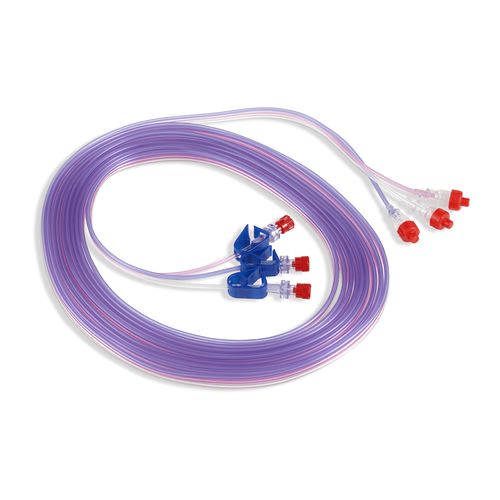
So, the materials must be biocompatible and safe for the human body. Moreover, they must be strong enough to withstand hospital-grade sterilisation procedures.
- Automotive and Aerospace
Significantly, fuel and coolant lines in automobiles and aircraft use plastic tubing. Moreover, it also supports hydraulic and pneumatic systems. The tubing must be tough and flexible, as space is limited and temperatures can vary. Generally, for these types of vehicles, plastic tubing is often custom-designed and manufactured.
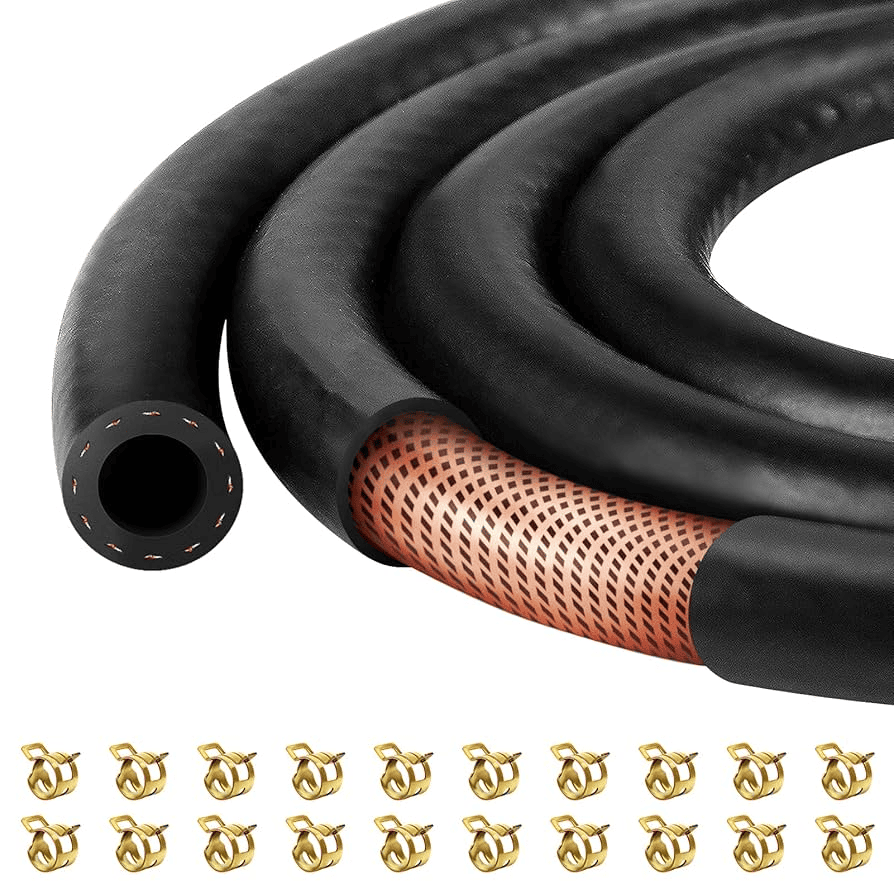
- Agriculture and Farming
Next, the plastic tubing is also used in irrigation systems and animal feeding programmes. Inplex and several other companies manufacture flexible tubing designed to improve crop yields and enhance livestock care. Moreover, farmers utilise rigid tubing for seedling growth as well.
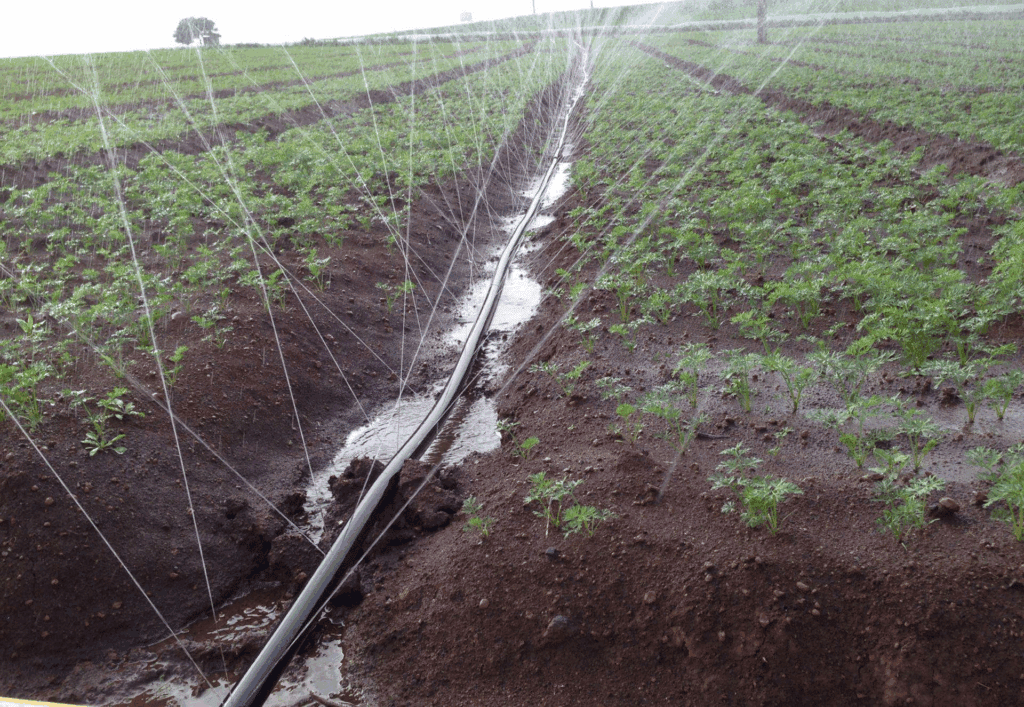
- Industrial and Construction
The next use of plastic tubing is in the construction of a building; tubing is used to integrate into walls and floors. Furthermore, other functions it supports include heating, drainage, and structural plumbing. Moreover, in architectural profiles, tubing is applied to make the curtain walls stronger.
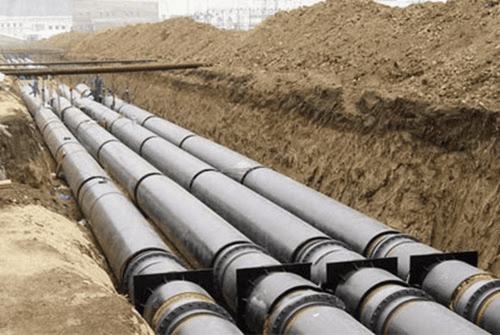
- Food and Beverage Processing
Alright! In clean food production areas, infection control and food safety are very important. You have to know that food-grade plastic tubing is free of bacteria and is ideal for the transfer of liquids. Moreover, food-grade tubing is important in the production of dairy products and in soft drink manufacturing.
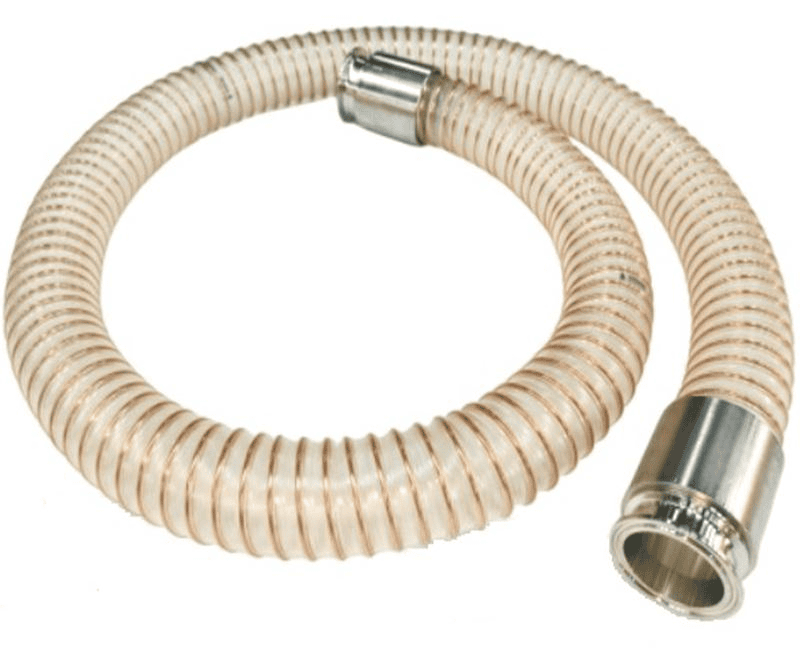
5) Benefits of Custom Extruded Tubing
Well, in plastic tubing, custom extruded tubing has its unique advantages. In the healthcare sector, construction, and manufacturing systems, custom options can help save time and provide convenience. Let’s talk about some of the benefits of custom extruded tubing:
+ High Strength and Flexibility: The good news is that you get exactly what you require in custom tubing. Moreover, it has been built to control even the toughest of structures and environments.
Furthermore, in the food and beverage industry, custom extruded tubing ensures that the plastic has the highest quality and durability, and high resistance to failure.
+ Faster Production, Lower Costs: Another benefit of custom extruded tubing is the faster production and lower cost. Thus, the custom tubing ensures an elimination of unnecessary steps, which improves production cycles and reduces setbacks.
The requirements given are met with custom tubing, and that leads to a decrease in material and cost.
+ Ready for Automation: Significantly, custom extruded tubing is beneficial in the automated zones. Their handling, installation, and connection make it easier in comparison to regular tubing and work towards raising productivity and speed while reducing manual labour.

+ Environmentally Friendly: The significant benefit of custom tubing is that it can be developed using sustainable materials along with green energy manufacturing processes. However, this not only lowers your environmental footprint but also works towards green manufacturing initiatives.
+ Less Waste, More Efficiency: Lastly, custom profiles extrusion allows you to acquire the exact shape and size needed and eliminate redundancy. Thus, it enhances the overall performance of the system while also reducing material waste.
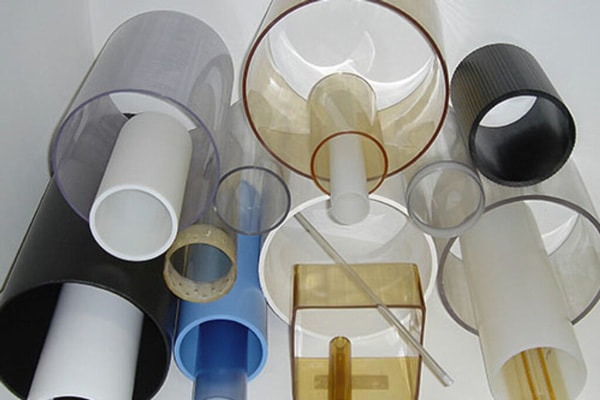
6) Quality Assurance & Inspection
Alright! With custom plastic tubing, the assurance of quality is very important. Each tube is subjected to harsh high temperature, high pressure, vacuum, and multiple filtration processes, and only then is it considered safe and retains the required strength.
! Precision Matters: In the extruded plastic industry, maintaining tolerances and dimensional accuracy is very important. Every single aspect is monitored and maintained because even the slightest differences may affect how the tubing performs in practical applications.
This is the reason skilled technicians carefully look at every single detail from the beginning till the end.
! Visual Checks and Final Inspections: Well, every batch undergoes thorough visual inspection before shipping. However, technicians inspect for surface scratches, defects, discolouration, or any colour issues. This way, you receive tubing that functions exceptionally as well as appears neat and polished.
! Testing for Performance: Significantly, real-world conditions, including a practical environment, require tubes to pass pressure tests, flexibility checks, and temperature resistance trials. Thus, these processes are used to confirm that every tube properly meets industry standards.

! Consistency You Can Trust: You know trusted manufacturers follow strict quality processes every time. Moreover, everything is completed from raw material checks to final packaging. Thus, it ensures that every order is filled with the same reliability as the one before.
7) Partner with a Trusted Manufacturer
To be honest, custom plastic tubing requires a trusted partner that can deliver. However, Faygo Union is fast and accurate, putting the customer first in all dealings and distinguishing itself from the competition.
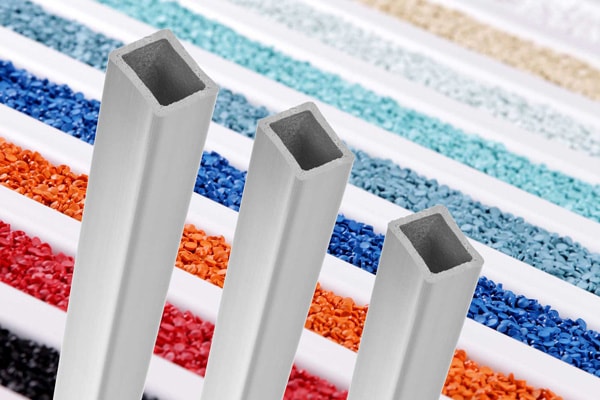
- Expert Experience & Deep Knowledge
Starting in 2002, Faygo Union has helped more than 50,000 customers in realizing their concepts and transforming them into real parts. Moreover, providing services such as plastic extrusion tubes, Plastic Sheet extrusion, Plastic recycling and pelletizing equipment, rapid prototyping, injection molding, and more, they stand ready to assist.
Therefore, Faygo Union is good at meeting the needs of customized and specialized plastic pipe, profile, and sheet production equipment, and their work is reliable and efficient.
- Helpful Support & Clear Communication
Faygo Union has dedicated personnel for every client, and thus, every client has a single point of contact throughout the project who assists them. Moreover, you will receive recommendations for the design, materials, and production as appropriate. Moreover, free quotes are available, which are great for planning and budgeting.
- Custom Tooling & Scalable Output
Faygo Union is capable of custom tooling and uses up-to-date machines to manufacture the parts to fit your specifications precisely. Should your project have complex geometrical features or demand a certain level of part repeatability, Faygo Union can supply anything from a few custom pieces to larger quantities.

- Innovation You Can Trust
Alright! With their ISO 9001 in place, Faygo Union can support industries like medical, automotive, and food processing that have strict requirements and demand high levels of precision and controlled standards.
To put it simply, Faygo Union is an excellent choice for your custom parts or tubing project, as we have a history in low-volume production and the plastic extrusion process. You will receive instant response time, reliable guidance, and a record of achievement.
8) Conclusion
Thus, it is concluded from the above discussion that across different industries, plastic tubing is a reliable, strong, and affordable option for various use cases. It can be designed to a customer’s specific requirements in terms of designs, materials, and production methods.
With the increasing focus on plastic tubing innovation, the industry is ensuring the development of more smart and environmentally friendly solutions. In terms of precision and support, Faygo Union stands out as a trusted and exceptional plastic tubing extruder manufacturer.
Our eco-friendly approach and customer-centric model enable them to deliver exceptional customer service while safeguarding the environment. Trust plastic tubing extruder manufacturing to Faygo Union and receive unmatched industry standards. Best of luck!
As an annual technical event in the pipeline industry, this conference will gather top experts, industry leaders, and innovative companies from both domestic and international spheres to jointly discuss new technologies, trends, and opportunities for the development of the pipeline industry.
This time, Faygo Union Machinery Co., Ltd. is making a significant appearance with multiple innovative products, focusing on innovative products including ABS lithium battery diaphragm core tube equipment and nuclear power cooling liquid pipe production lines.

We are honored to showcase these innovative achievements at this exhibition. These products represent Faygo Union’s latest breakthroughs in the high-end pipeline manufacturing sector and will provide more reliable technical support for the new energy and nuclear power industries.
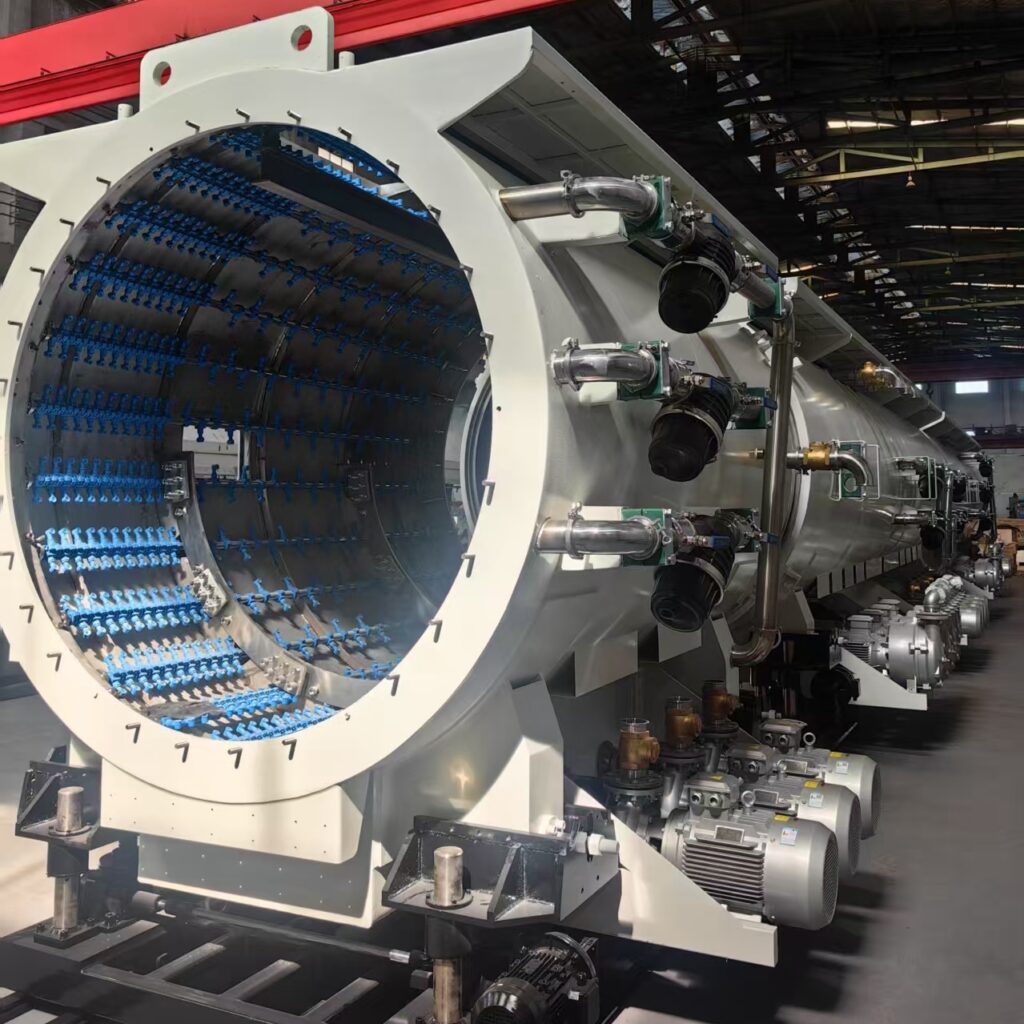
Faygo Union sincerely invites guests from all walks of life to visit and exchange, to jointly explore new paths for high-quality development in the pipeline industry.
Factory’s Main Promoted Products
ABS Lithium Battery Separator Core Pipe Equipment
In the field of ABS pipe manufacturing, the boundaries of precision and specifications are being redefined!
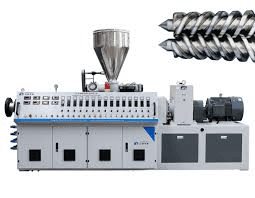
My factory proudly introduces revolutionary pipe extrusion equipment, specifically designed for high-performance ABS roll core pipes, leading the industry revolution with three major breakthroughs:
- Precision Leap: The exclusive temperature control and traction system achieves a wall thickness tolerance of 0-0.2mm level precise control, improving the roundness and wall thickness uniformity of the pipes by 40%, completely resolving the issues of eccentricity and deformation caused by fluctuations in traditional equipment, making every meter of pipe a model of industrial aesthetics.
- Thickness breakthrough: Breaking the industry’s shackles of ‘thick walls = low efficiency’! Innovative screw design combined with an enhanced melting pressure system enables stable mass production of super thick ABS core pipes with a wall thickness of 15mm (surpassing the conventional limit of 13mm), with a 30% increase in strength.
- Pipe diameter innovation: Equipped with modular expansion technology, the outer diameter production capability has risen to 250mm (breaking the market bottleneck of 180mm).
We are reshaping the manufacturing standards of ABS pipes with hardcore technology! Let extreme specifications become your standard configuration.
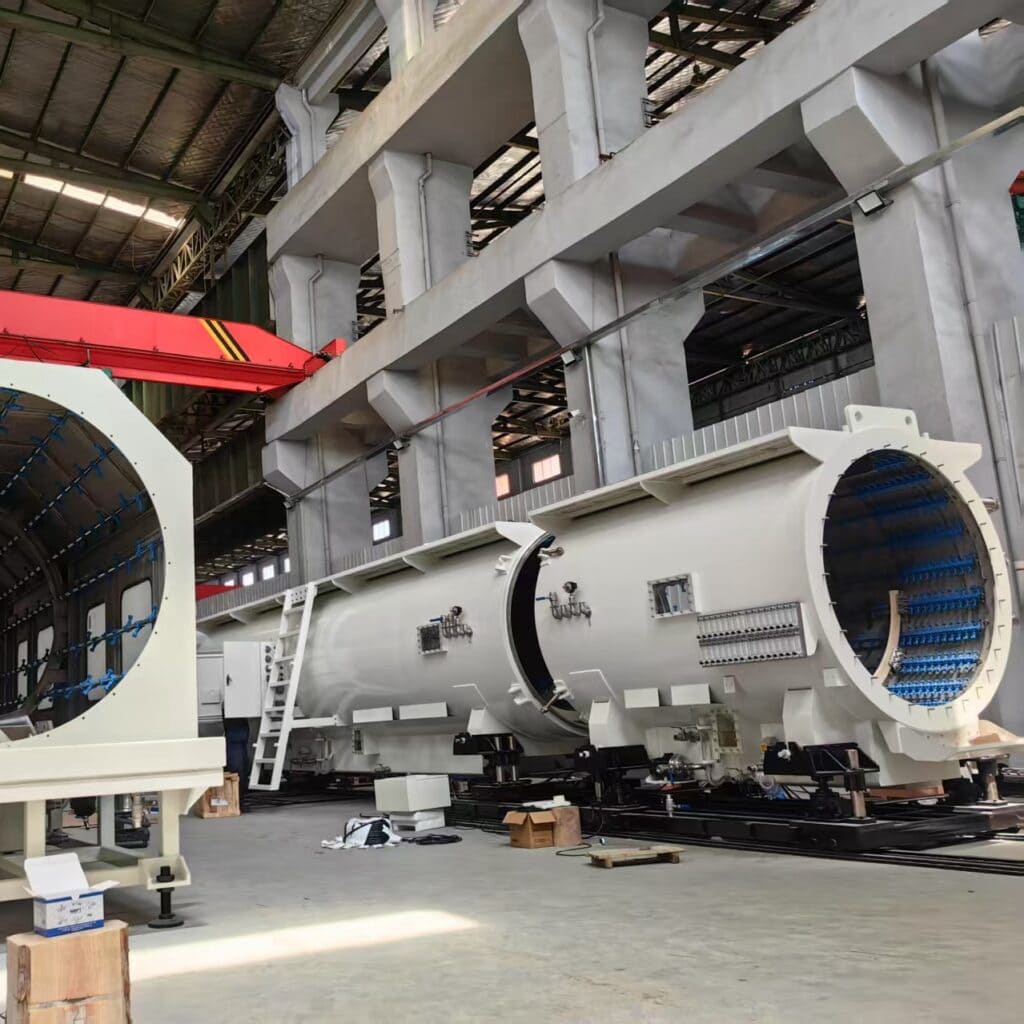
1600MM nuclear power cooling liquid pipe production line
My factory has launched a groundbreaking plastic extrusion production line specifically designed for the production of 1600mm ultra-large diameter nuclear power cooling PE pipes!
It is worth mentioning that this set of equipment is meticulously tailored for the global rubber and plastics giant KraussMaffei. We work closely with KraussMaffei to deeply integrate the technological advantages of both parties, strictly adhering to high standards from design to production.
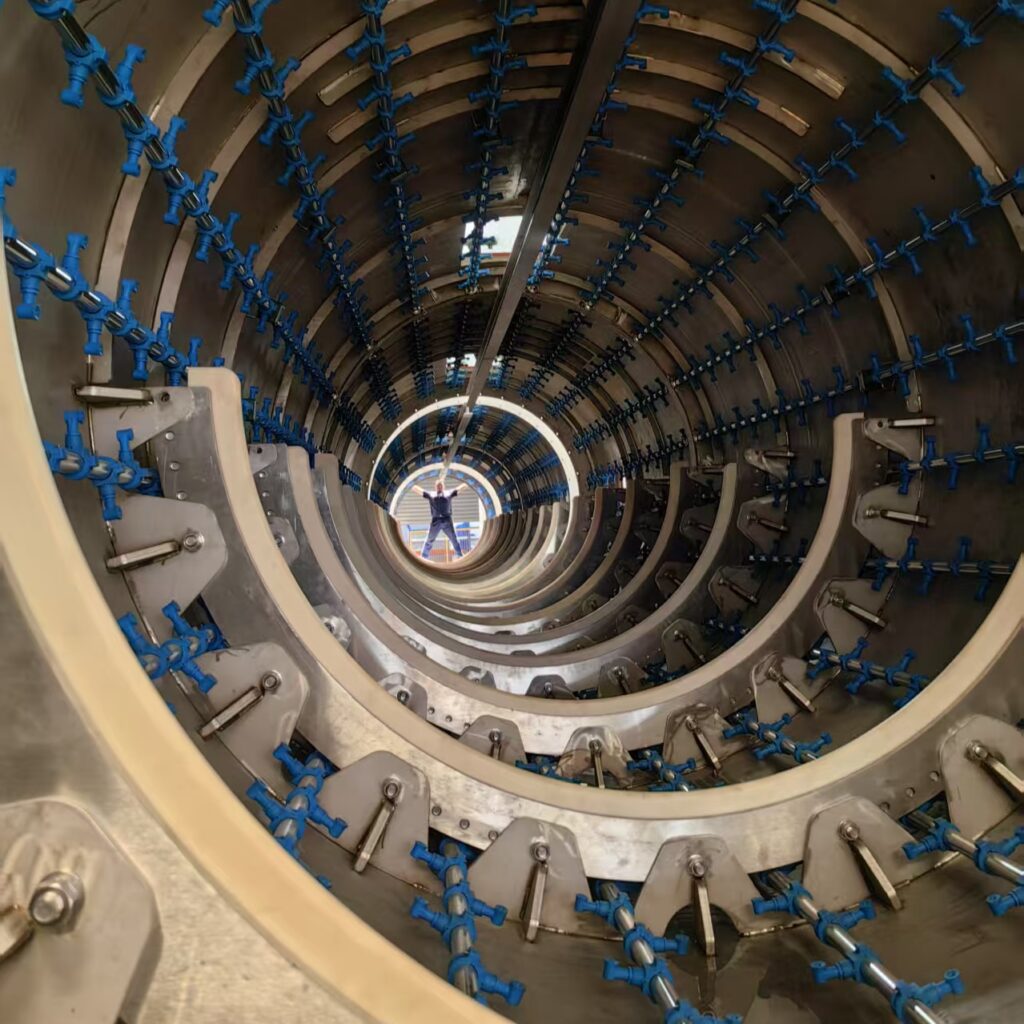
This set of equipment integrates core technologies such as ultra-large precision extrusion, multilayer co-extrusion composite, intelligent closed-loop temperature control, and online precise thickness measurement, ensuring that the wall thickness uniformity of the pipes meets military-grade standards, and the physical properties far exceed nuclear power specifications. Its multilayer co-extruded structure design perfectly integrates barrier, reinforcement, and durability layers, endowing the pipes with excellent internal pressure resistance, long-term thermal stability, and outstanding chemical corrosion resistance, building an indestructible ‘lifeline’ for the cooling system of nuclear power plants.
The equipment is equipped with an intelligent control system that enables full-process digital management from raw material processing to finished product inspection, ensuring a stable and efficient production process with traceable quality. The powerful 1600mm diameter production capacity fills the gap in the mass production of ultra-large caliber nuclear-grade PE pipes in China, supporting the country’s strategy for the localization of nuclear power equipment.
Let us gather in Lishui and co-create a new blueprint for the development of the pipeline industry!