Key Takeaways
- Leading manufacturers such as Coperion, Leistritz, and KraussMaffei Berstorff emphasize quality and innovation in plastic extrusion, catering to various industrial needs.
- Understanding the types of plastic extruders, including single and twin screw extruders, is essential for selecting the appropriate machinery for specialized applications.
- Recent advancements in plastic extrusion technologies focus on sustainability and energy efficiency, driving the industry towards improved production practices and environmental responsibility.
Leading Plastic Extruder Manufacturers
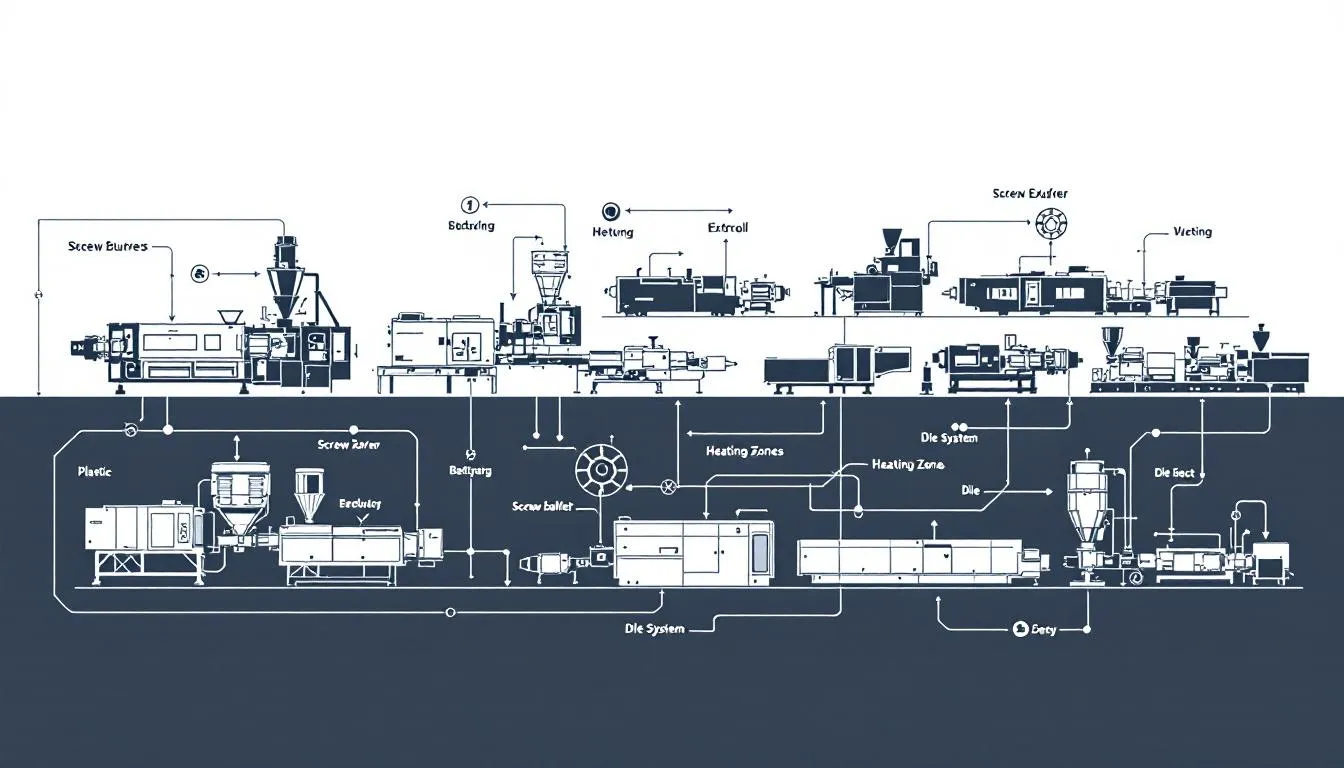
Choosing the right plastic extruder manufacturer is crucial for maintaining quality and reliability in your production line. Among the leaders in this field, Coperion stands out for its precision-engineered twin screw extruders, renowned for their high throughput and exceptional mixing capabilities. Coperion’s commitment to innovation makes them a go-to choice for many industries.
Equally prominent, Leistritz offers versatile twin screw extruders that cater to a wide range of applications, including pharmaceuticals and food. Their machines are designed for flexibility and efficiency, making them suitable for various complex extrusion processes.
Another key player, KraussMaffei Berstorff, specializes in extrusion technology for industries such as pipe and profile extrusion, demonstrating their extensive expertise in the field.
These manufacturers stand out due to their dedication to quality and innovation. Companies like Davis-Standard and Amut S.p.A. offer comprehensive extrusion solutions across multiple sectors, underscoring the importance of choosing a partner with a proven track record.
From the innovative Kneading Disc Technology of BUSS AG to the century-long experience of the Reifenhäuser Group, these manufacturers epitomize excellence in the plastics industry.
Types of Plastic Extruders
Knowing the various types of plastic extruders helps in selecting the right machinery for your needs. Single screw extruders are the workhorses of simpler extrusion processes, primarily melting and conveying materials to form basic shapes. These individual extruders are ideal for producing straightforward profiles where complex mixing is not required, especially when using a single extrusion head.
Twin screw extruders, on the other hand, are ideal for high-speed production and superior mixing capabilities. Their modular screw design allows for easy customization, making them suitable for a variety of applications, from consumer goods to industrial components. One screw counter-rotating twin screw extruder and rotating screw are particularly efficient for shaping operations involving shear-sensitive materials, providing a tailored solution for specific needs.
Co-extruders enhance versatility by processing different materials simultaneously, creating multi-layered products with varied properties. This capability is particularly useful in applications requiring distinct material characteristics, such as barrier properties in packaging films or multi-functional profiles in construction. The ability to process multiple materials concurrently highlights the adaptability and efficiency of modern extrusion lines, especially when utilizing two or more extruders, including individual extruders delivering co extrusion.
Custom Plastic Extrusion Solutions
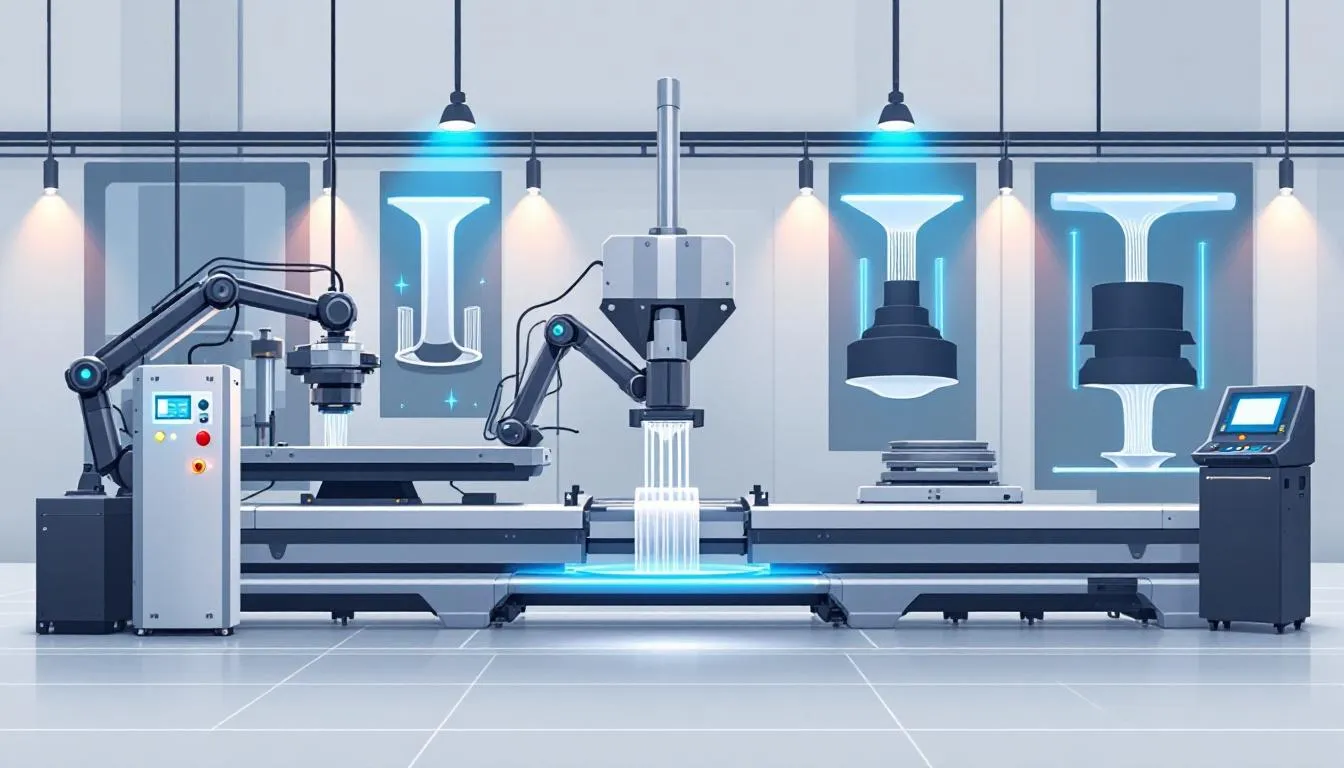
Custom plastic extrusion provides unmatched flexibility, enabling businesses to create unique designs with specific cross-sections and wall thicknesses. This is particularly beneficial for industries that require specific shapes and sizes that stock plastic extrusions cannot provide. Whether you need complex profiles or simple custom shapes, custom plastic extrusion can meet your exact specifications, including extruded plastic profiles.
A key advantage of custom plastic extrusion is its cost-effectiveness, particularly for medium to high-volume manufacturing processes. By leveraging custom solutions, businesses can achieve quick turnaround times and enhanced functionality, often integrating features like snap-fits to reduce assembly steps. This streamlines manufacturing processes and enhances product performance.
Additionally, the variety of thermoplastic materials available in custom extrusion solutions meets specific needs like flame resistance and chemical compatibility. Companies that excel in customization offer tailored solutions to meet unique project specifications, providing secondary processes like notching, drilling, and heat welding to enhance the final product. Custom plastic profiles can be designed to fit unique applications, ensuring that every detail aligns with your requirements. Custom fabrication can also play a crucial role in achieving these tailored solutions.
Advanced Plastic Extrusion Technologies
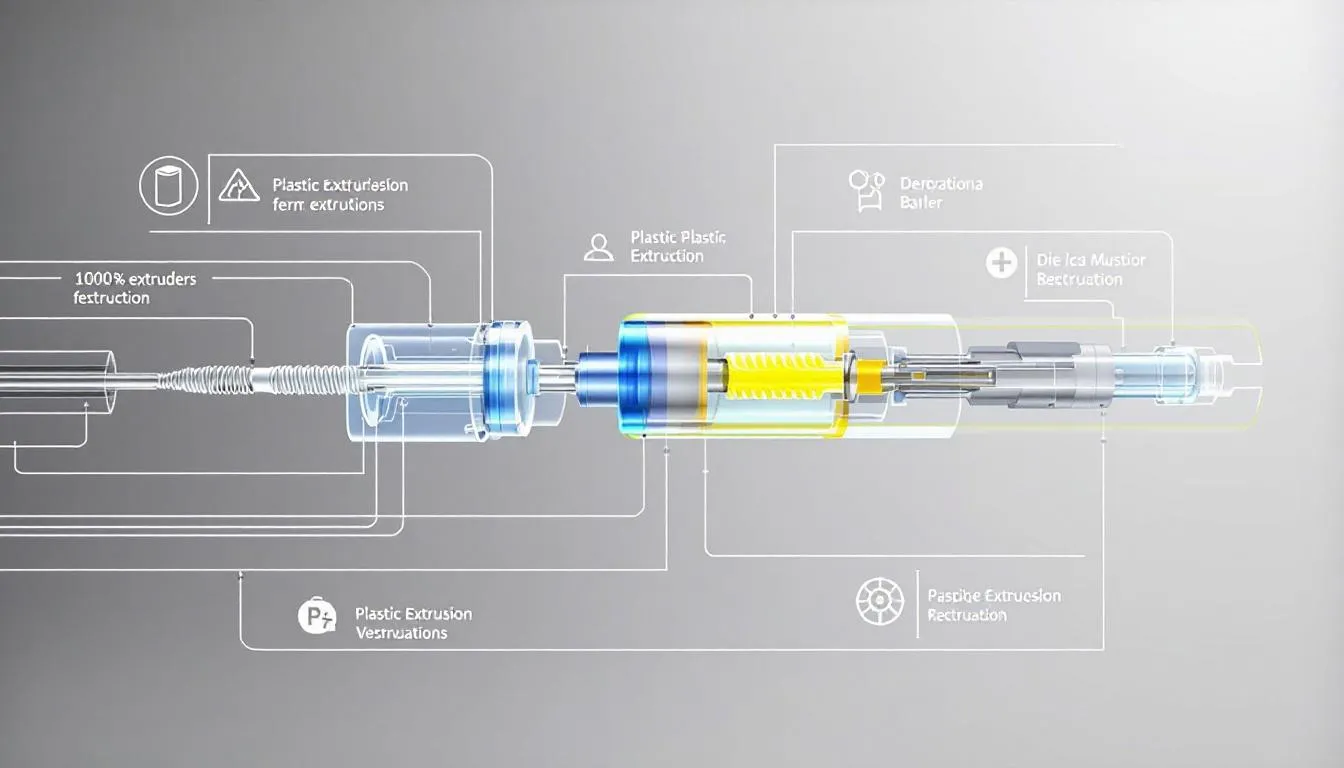
Advanced plastic extrusion technologies have revolutionized the industry, enhancing efficiency and sustainability in production processes. Modern extrusion lines feature energy-efficient drive systems that significantly reduce energy consumption, aligning with the industry’s push towards sustainability. These technologies not only lower operational costs but also minimize the environmental impact of manufacturing, particularly in the context of an extrusion line.
Automation and digital technologies lead this transformation, facilitating real-time monitoring and adjustments to maintain product quality and consistency. Automated monitoring systems are integral in modern plastic sheet extrusion lines, enhancing efficiency and ensuring that the final products meet stringent quality standards. Closed-loop systems further optimize material flow, facilitating precise control over the extrusion process.
Precision engineering improvements allow manufacturers to achieve tighter tolerances and better surface finishes on extruded products. Advanced simulation tools are now being used to optimize design and production processes, reducing development time and improving product quality. The integration of these technologies ensures that modern extrusion lines are capable of delivering high-quality products efficiently.
Materials Used in Plastic Extrusion
Material selection in plastic extrusion is crucial for attaining the desired properties in the final product. Common thermoplastic materials and plastic materials include:
- Polyvinyl chloride (PVC): widely used for pipes, films, and electrical wire insulation due to its excellent formability and durability.
- Polyethylene terephthalate (PET): offers unique benefits (not specified in the text).
- Acrylonitrile butadiene styrene (ABS): offers unique benefits (not specified in the text).
ABS, known for its strength and flexibility, finds applications in automotive and consumer goods where these properties are essential. Polyethylene (PE) and polypropylene are also popular choices, particularly in packaging and consumer goods, due to their versatility and ease of processing. Material selection is often based on the specific requirements of the application, such as chemical resistance, impact strength, and thermal stability.
Materials like polycarbonate and nylon (polyamide) are selected for their unique properties. Polycarbonate is valued for its impact resistance and optical clarity, making it suitable for products like eyewear lenses and safety equipment. Nylon’s strength and heat resistance make it ideal for various industrial applications.
The diverse range of available materials ensures that plastic extrusion can meet the demands of virtually any industry.
The Plastic Extrusion Process
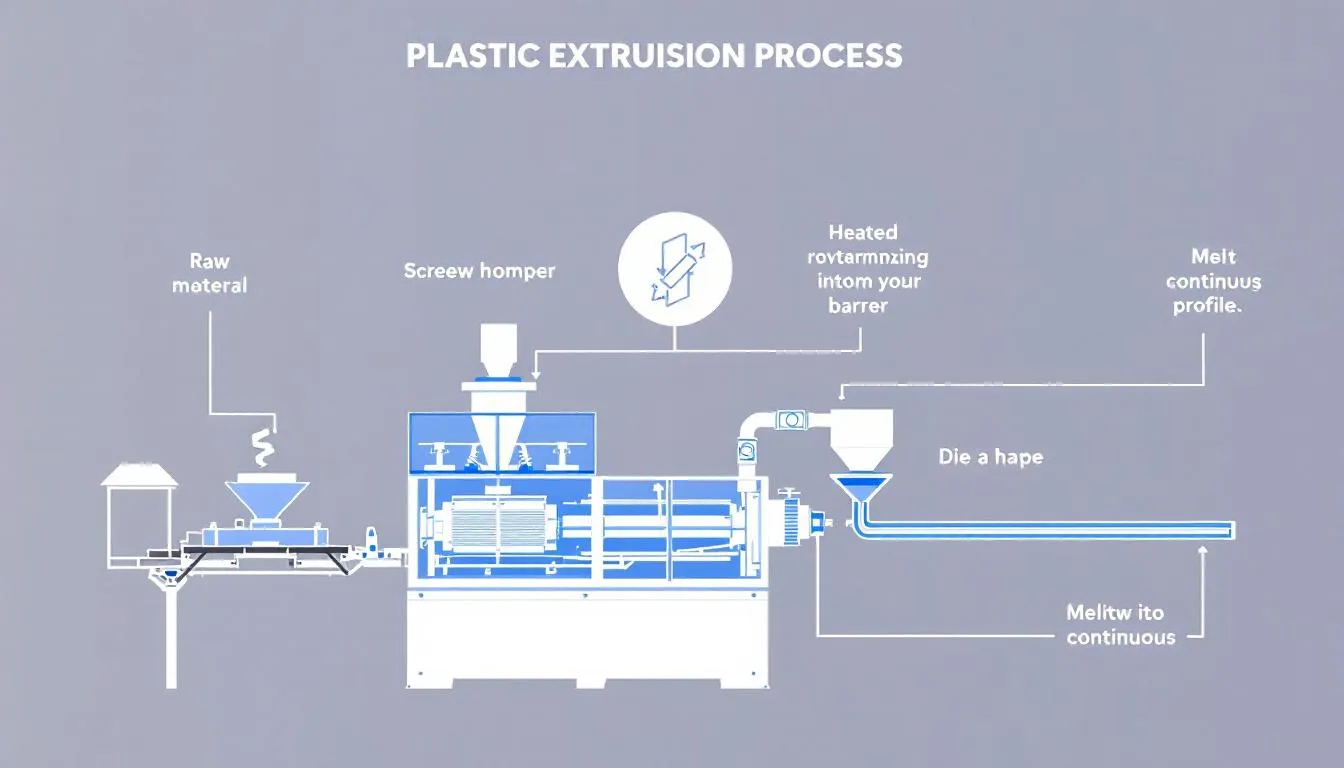
Plastic extrusion is a continuous, high-volume manufacturing process that shapes raw thermoplastic materials into specific forms through various plastic forming processes. The process includes the following steps:
- Introduction of thermoplastic raw material into the extruder via a hopper.
- Heating the material to a specific melt temperature within the heated barrel.
- Melting facilitated by friction and pressure inside the barrel. Plastics extrusion is an essential technique in this context, including plastic co extrusion.
The plastic extrusion process involves the following steps:
- Once the plastic material is in a molten state, it is filtered through a screen pack to remove any contaminants before being shaped into its final shape.
- The design of the die through which the molten plastic passes determines the shape of the extruded product.
- Cooling methods, such as water baths or cooling rolls, are employed to solidify the extruded profiles, ensuring that they maintain their form and dimensional stability.
Real-time monitoring and in-line inspection are essential for ensuring consistent material flow and high-quality production runs. Specialized machinery plays a vital role in maintaining the efficiency, production speed, and quality of the plastic extrusion process.
The versatility of extrusion allows for the creation of products that can be used as-is or further fabricated into complex assemblies, such as pipes, tubing, and plastic films.
Applications of Plastic Extrusions
Plastic extrusions are essential in numerous industries due to their versatility and durability. In the packaging industry, materials such as High-Impact Polystyrene (HIPS) and Polyethylene Terephthalate (PET) are used to create plastic film and sheets that enhance product protection and extend shelf life. These extruded materials are essential for consumer goods and food packaging, providing both strength and recyclability.
In the medical field, plastic extrusion is crucial for producing compliant tubing and complex components like catheters, which are essential for various medical devices. The automotive industry also benefits significantly from plastic extrusions, using them to manufacture parts such as weather seals, gaskets, and fluid transfer tubing due to their chemical resistance and durability.
Construction applications include the use of extruded plastics for windows and doors, contributing to energy efficiency and quick installation. The solar industry leverages plastic extrusion to produce components like frames for solar panels, enhancing durability and longevity. These diverse applications underscore the integral role of plastic extrusions in modern industry.
Benefits of Working with Top Manufacturers
Partnering with leading plastic extruder manufacturers offers numerous advantages, ensuring efficient and reliable production processes:
- Top manufacturers operate their machinery continuously, minimizing the risk of inventory shortages.
- Continuous operation ensures steady production.
- This continuous operation is crucial for maintaining supply chain stability and meeting high-volume demands.
Access to innovative solutions in production techniques is another key benefit, providing unique advantages. Experienced manufacturers can create complex shapes and customized features, offering tailored solutions for specific needs. Additionally, reputable manufacturers offer engineering support to optimize the design and efficiency of the extrusion process, ensuring that every product meets high-quality standards.
Quality standards are crucial when selecting a manufacturing partner. Leading manufacturers adhere to:
- Strict quality controls, including relevant ISO certifications, ensuring product reliability and performance without compromising quality
- Strong after-sales support
- Transparent communication, ensuring that any issues are promptly addressed and resolved
How to Choose the Right Manufacturer
Choosing the right plastic extruder manufacturer requires careful consideration of several factors. Here are some steps to help you in the process:
- Utilize directories of leading extruded plastics manufacturers to compare their capabilities and offerings.
- Use this comparison to identify manufacturers that can meet your specific needs.
- Determine whether you require standard profiles or customized solutions to guide your selection.
Request samples helps evaluate the quality of a manufacturer’s products. Samples provide a tangible representation of the manufacturer’s capabilities and allow you to assess whether their products meet your desired form and material selection criteria. This due diligence ensures that you choose a manufacturing partner who can deliver high-quality, reliable extrusions for your applications.
Future Trends in Plastic Extrusion
The future of plastic extrusion is driven by advancements in sustainability, energy efficiency, and precision. The use of recyclable materials is becoming increasingly prevalent, promoting eco-friendly manufacturing practices. This shift towards sustainability is driven by the growing demand for environmentally responsible production methods.
Technological advancements, including automated monitoring and closed-loop systems, are revolutionizing the plastic extrusion industry. These technologies enable real-time adjustments and enhance production efficiency, ensuring steady volumetric throughput and consistent quality.
Energy efficiency and precision engineering will continue to drive innovation in the plastics industry, setting new production standards.
Summary
Plastic extrusion is a dynamic and essential process in modern manufacturing, offering unparalleled flexibility and efficiency. Understanding the capabilities of top manufacturers, the types of extruders available, and the advanced technologies driving the industry is crucial for making informed decisions. From the materials used to the applications of extruded products, every aspect of plastic extrusion plays a vital role in achieving high-quality outcomes.
As the industry continues to evolve, embracing sustainability and technological advancements will be key to staying ahead. By partnering with reputable manufacturers and leveraging innovative solutions, businesses can ensure that they remain competitive in an ever-changing market. The future of plastic extrusion holds exciting possibilities, paving the way for more efficient, sustainable, and high-quality production.
]]>Key Takeaways
- Extruded plastic profiles are vital in various industries such as automotive, medical, and construction, providing functionality and design versatility.
- Customization in plastic extrusion allows for tailored profiles that meet specific industry requirements, enhancing functionality and precision.
- The plastic extrusion process involves careful quality control and monitoring to ensure optimal performance, durability, and compliance with industry standards.
Overview of Extruded Plastic Profiles
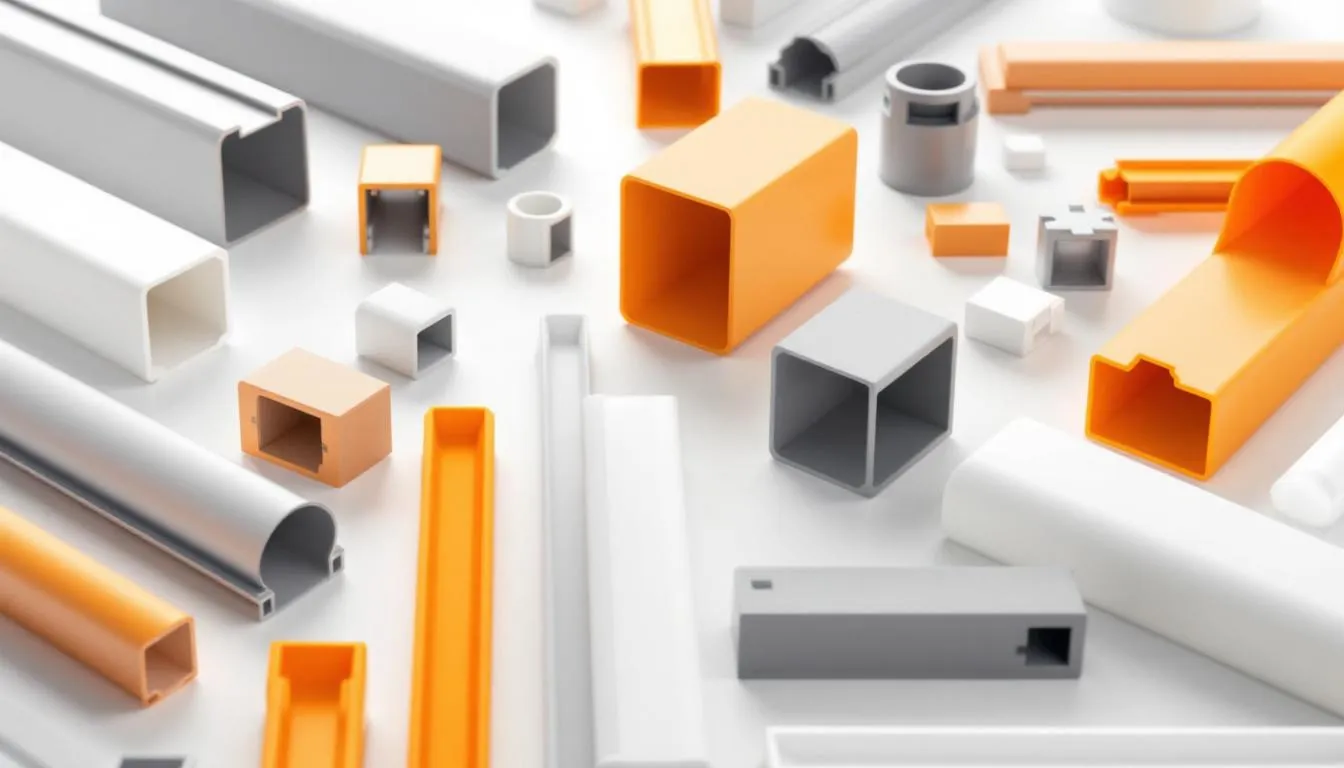
Plastic extrusion is a high-volume manufacturing process that transforms raw plastic materials into continuous profiles, known as extruded plastic profiles and stock plastic extrusions. These profiles are indispensable in various industries, contributing significantly to manufacturing efficiency and versatility. From automotive parts to consumer goods, extruded plastic profiles are everywhere, enhancing both functionality and design.
The versatility of extruded plastic profiles is evident in their usage across diverse sectors:
- In the automotive industry, they are used for weather seals and interior trims.
- In the medical field, they form the backbone of tubing and catheters.
- Agricultural applications, consumer goods, and even solar panels benefit from the adaptability and durability of extruded plastic profiles.
The process allows for the manufacture of tailored shapes and manufactured components, ensuring that each profile meets specific industry requirements.
Common shapes of plastic profiles include:
- Thin films
- Rods
- Wire sheets
- Trims
- Channels
- Tubing
- Gaskets
These shapes are designed to meet the unique demands of their respective applications, providing durability, flexibility, and efficiency. Materials like polyacetal, acrylic, and nylon further expand the range of applications, making polymer plastic extrusion a versatile and invaluable process in modern manufacturing.
Types of Plastic Materials Used in Extrusion
The choice of plastic materials is crucial in plastic extrusion, as it determines the properties and applications of the final product. A variety of thermoplastic materials are utilized, including ABS, PVC, and polypropylene, each offering unique plastic material properties that cater to specific needs, including different viscous plastics. For instance, material selection is important, as PVC is known for its durability and resistance to environmental factors, making it ideal for construction and automotive applications.
Polyethylene, polypropylene, polyacetal, acrylic, nylon, polystyrene, ABS, polycarbonate, and acrylonitrile butadiene styrene are among the most commonly used materials in plastic extrusion. Each material brings its own set of advantages:
- Low density polyethylene: valued for its flexibility and resistance to chemicals.
- Polypropylene: offers high tensile strength and is used in a variety of industrial applications.
- Polycarbonate: known for its impact resistance and is often used in safety and electronic applications.
Bausano extruders, for instance, can process a wide range of materials, including PVC and HDPE, enhancing the possibilities for custom plastic extrusions. This capability allows manufacturers to select the best material for their specific application, ensuring optimal performance and durability.
Custom Plastic Extrusions
Customization in plastic extrusion is a game-changer, allowing manufacturers to design unique profiles that meet specific industry requirements. This capability is especially crucial for projects that demand tailored solutions. Whether it’s a complex automotive component or a specialized medical device, custom plastic extrusions can be meticulously designed to enhance functionality and fit precise application needs.
The ability to produce small, tailored batches efficiently has significantly improved with advancements in customization capabilities. This means that even niche applications can benefit from the precision and versatility of custom plastic extrusions. Options for additive customization, such as UV resistance, color matching, and flame retardance, further enhance the performance of these profiles in various environments.
Precision manufacturing is key in custom plastic extrusions. Tolerances for wall thicknesses can range from 0.030 inches to 0.375 inches, ensuring that each profile meets the exact specifications required for its application. This high degree of customization in shapes and sizes makes extruded plastic profiles indispensable for a wide range of industries.
The Plastic Extrusion Process
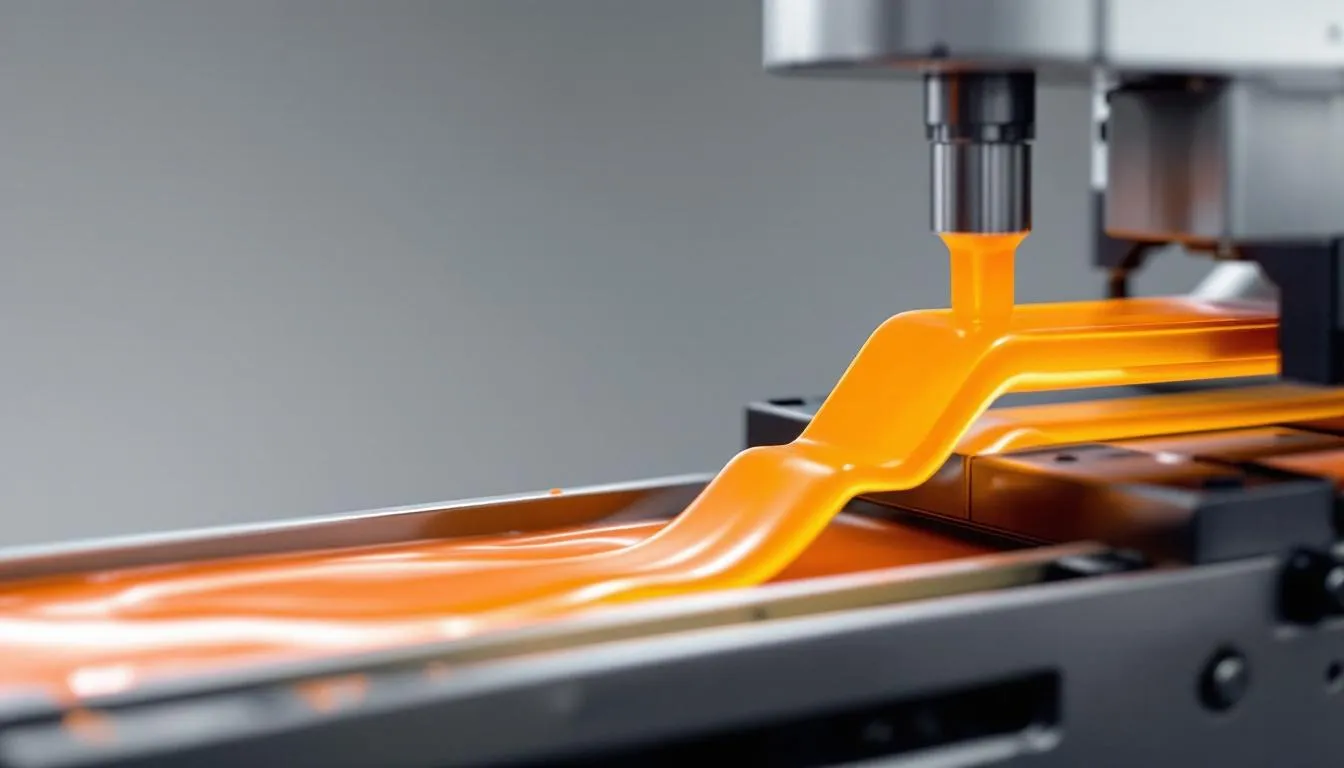
Plastic extrusion is a high-volume manufacturing process that transforms raw plastic materials into continuous profiles. The processed materials involve:
- Starting with raw plastic materials, typically in the form of granules, plastic pellets, pellet form, or powder.
- Feeding these materials into a heated chamber.
- Using a rotating screw to move the materials through the chamber.
- Gradually melting the materials through friction and applied heat in the plastics extrusion process.
The extrusion process involves the following steps:
- The temperature applied is carefully tailored to the specific type of plastic being used.
- As the plastic moves through the screw conveyor, it is sheared and heated, eventually becoming molten plastic.
- This molten plastic is then forced through a die, which shapes it into the desired profile extrusion by extruding it.
- The design of the die is crucial, as it ensures a smooth and consistent flow of melted plastic into the final product shape.
Cooling is an essential part of the extrusion process. Once the plastic exits the die, it must be cooled quickly to retain its shape. This can be done using air or water as the extruded plastic moves onto a conveyor belt. Cooling rolls may also be used to cool and size the extruded plastic immediately, ensuring precise internal and external dimensions.
Quality control is integral to the plastic extrusion process. It involves:
- Assessment of raw plastic materials to ensure their purity and integrity.
- Regular inspection of the extrusion die and screw to maintain proper material flow and pressure.
- Monitoring temperature, pressure, and speed during the extrusion process to guarantee consistent product quality.
Applications of Extruded Plastic Profiles
Extruded plastic profiles are used in a wide range of applications, thanks to their versatility and functionality. In the construction industry, extruded profiles contribute to the creation of weather-resistant and thermally efficient profiles used in windows and doors. These profiles help improve energy efficiency and durability in buildings, making them an essential component in modern construction.
The automotive industry relies heavily on extruded plastic profiles for various parts, especially those such as weather seals and interior trims. These other components are designed to withstand chemical and temperature variations, ensuring long-lasting performance.
In the medical field, plastic extrusion is key for producing rigid tubing and catheters, utilizing medical-grade plastics that comply with regulatory standards.
Extruded plastics also play a significant role in the packaging industry, where they are used to create plastic film and sheets of various thicknesses. These materials offer protective qualities that enhance product shelf life. Additionally, materials like polycarbonate and polystyrene are used in specialized applications, such as electronic housings and solar panel frames, further showcasing the versatility of extruded plastic profiles.
Advantages of Using Extruded Plastic Profiles
The advantages of using extruded plastic profiles are numerous. Their lightweight nature simplifies handling, transportation, and installation, leading to significant cost savings. Additionally, extrusion tooling is generally more economical and efficient compared to other plastic manufacturing methods.
Plastic extrusions are also known for their resistance to corrosion, chemicals, and moisture, making them suitable for harsh environments. The fabrication process is straightforward, allowing for efficient cutting, drilling, and assembly. Twin screw extruders, in particular, offer enhanced efficiency and energy-saving benefits, especially when handling materials with poor thermal stability.
Twin Screw Extruders vs. Single Screw Extruders
Twin screw extruders and single screw extruders each have their unique advantages and applications. The most common type of twin screw extruders are divided into two main types. These are co-rotating and counter-rotating extruders. They excel in blending and reactive extrusion due to their advanced mixing capabilities. Moreover, twin screw extruders have superior venting and self-cleaning functions compared to their single screw counterparts.
Single screw extruders, on the other hand, are simpler and less costly, making them suitable for basic applications. The E-GO Series one screw extruders, for example, are customizable in every detail with Digital Extruder Control 4.0, providing precision and efficiency for various plastic extrusion needs, including individual extruders delivering and a single extrusion head.
Co-extrusion Techniques
Co-extrusion is a technique that allows for the combination of multiple materials or colors in a single extrusion, providing both structural and aesthetic benefits. This method enables the fusion and layering of multiple layers to create a composite structure with enhanced properties. For instance, using different materials in co-extrusion can yield products with improved stiffness and resistance to heat.
However, co-extrusion also comes with its challenges. Not all plastics can be co-extruded due to compatibility issues, particularly with polymers that have differing melting points. Despite these challenges, plastic co extrusion remains a valuable technique for producing multilayer films or packaging that enhance product durability and strength.
Quality Assurance in Plastic Extrusion
Quality assurance is paramount in plastic extrusion to ensure that the final products meet desired technical and functional standards. Adhering to industry standards, such as ISO certifications, enhances the reliability and durability of extruded plastic profiles. Bausano, for instance, ensures maximum quality at the technical-functional level during the plastic extrusion process.
These quality control measures contribute to the overall excellence and durability of extruded plastic profiles. Monitoring parameters like temperature, pressure, and speed during the extrusion process ensures consistent product quality and performance.
Choosing the Right Plastic Extruder Manufacturer
Selecting the right plastic extruder manufacturer is crucial for ensuring high-quality production. A strong track record in the plastic extrusion industry is a key indicator of a manufacturer’s reliability. Evaluating the technology and equipment used by a manufacturer can significantly impact production precision and efficiency.
Good communication and after-sales support are essential for building a trustworthy supplier relationship. Customer feedback and references provide valuable insights into a supplier’s reliability and service quality. Additionally, on-time delivery performance is crucial for maintaining production schedules and avoiding disruptions.
Innovations in Plastic Extrusion Technology
The plastic extrusion industry is witnessing significant advancements, particularly with the integration of digital technologies. These innovations allow for real-time monitoring and predictive maintenance, enhancing efficiency and reducing downtime. Energy-efficient designs and advanced heating systems are being developed to reduce energy consumption in plastic extrusion processes, including those involving plastic extruders. The plastics industry is evolving rapidly, adapting to these new technologies.
Incorporating renewable energy sources is another innovative solutions practice being adopted to decrease reliance on fossil fuels. These developments are essential for lowering carbon emissions and promoting sustainability in plastic extrusion manufacturing.
Environmental Impact and Sustainability
The environmental impact of plastic extrusion processes is a significant consideration, given the materials used and energy consumed. Key points include:
- Utilizing recycled materials in extrusion processes can significantly reduce environmental impact.
- Co-extrusion techniques can incorporate recycled materials mixed with virgin plastics.
- These methods help reduce material costs and waste.
The plastic extrusion industry is increasingly moving towards a circular economy model by incorporating recycling technologies to minimize the need for new materials. Recent technological advancements, such as induction heating systems and recycling extruders, have enhanced sustainability in plastic extrusion.
Manufacturers are committed to reducing energy consumption and recovering plastic scrap material to lessen their environmental impact.
Summary
In summary, extruded plastic profiles are a cornerstone of modern manufacturing, offering versatility, efficiency, and customization. The high-volume manufacturing process, coupled with the wide range of materials available, makes plastic extrusion an invaluable technology across numerous industries. From construction to automotive, and medical to packaging, the applications are diverse and impactful.
As we move forward, innovations in plastic extrusion technology and a focus on sustainability will continue to shape the industry. By understanding the intricacies of the extrusion process and the benefits of custom plastic extrusions, manufacturers can leverage this technology to enhance their products and reduce their environmental footprint. The future of plastic extrusion is bright, promising continued advancements and sustainable practices.
]]>Key Takeaways
- Custom extruded plastic profiles are tailored solutions for various industries, including construction, automotive, and healthcare, offering versatility in design and application.
- The extrusion process involves careful material selection, precision shaping, and rigorous quality control to ensure that final products meet specific performance requirements.
- Recent advancements in co-extrusion and secondary operations enhance the functionality and customization of plastic profiles, making them indispensable in modern manufacturing.
Understanding Custom Extruded Plastic Profiles
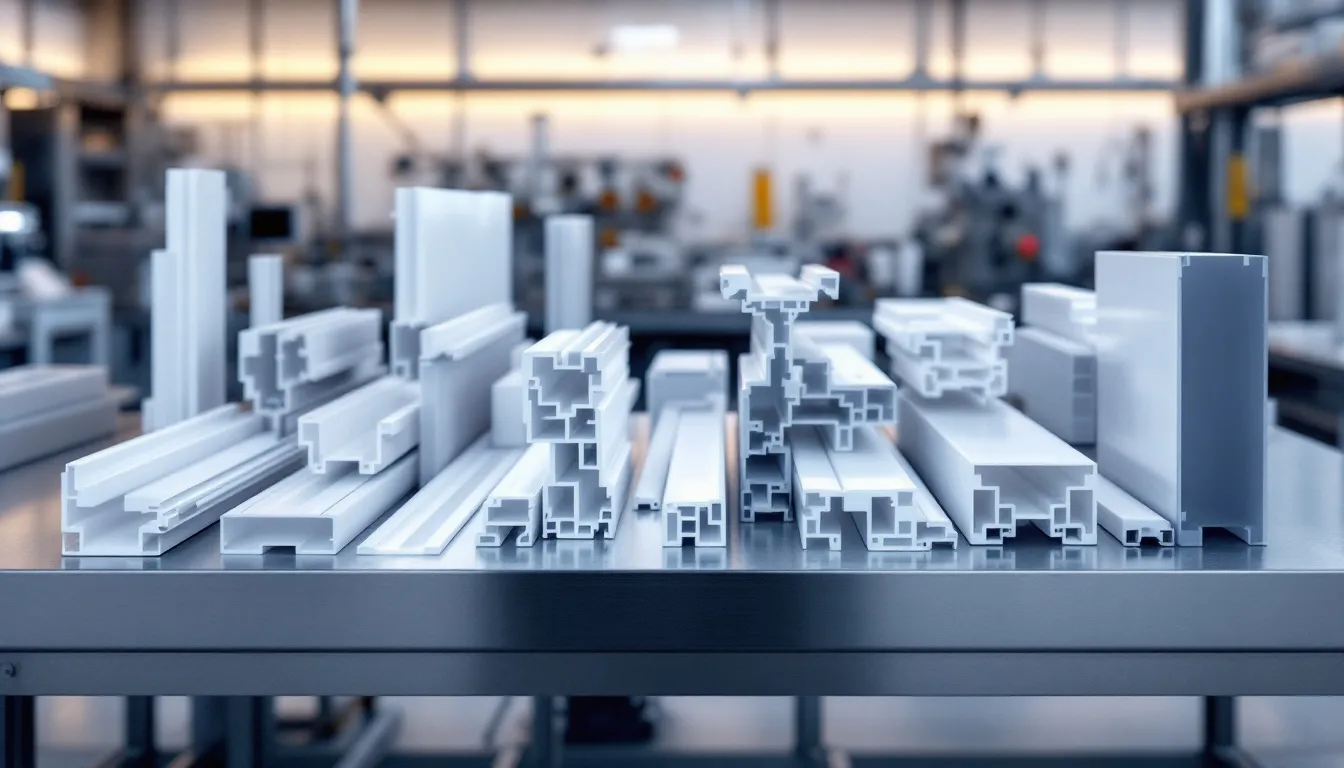
Custom plastic extrusions are engineered solutions designed to meet specific needs, whether it be unique geometries, complex interactions, or distinctive branding requirements. Unlike stock plastic extrusions, these custom profiles can be tailored to fit exact specifications, making them invaluable in a broad spectrum of applications.
These extruded plastic profiles find their purpose in various sectors:
- In the construction industry, they are used for components like window frames, siding, roofing, and drainage systems.
- In the automotive sector, they serve as trims, seals, and body side moldings.
- In healthcare, they are essential for medical tubing and surgical instruments.
The versatility and adaptability of custom plastic extrusions make them a flexible staple in modern manufacturing.
The Custom Plastic Profile Extrusion Process
The custom plastic profile extrusion process is a marvel of modern engineering, designed for the high-volume production of continuous shapes. This process involves melting plastic and shaping it into profiles that can be either solid or hollow. The precision of custom plastic extrusion allows for intricate designs and tight tolerances, opening up endless design possibilities.
During the extrusion process, in-line operations such as printing and adding tape can be incorporated, enhancing the functionality of the final product. Specialized services like rolling, where plastic film is shaped into tubes, showcase the versatility of this manufacturing processes technique.
Let’s dive deeper into the critical steps of this process, starting with the essential aspect of material selection.
Material Selection for Custom Profiles
Material selection is a pivotal step in the custom plastic extrusion process. The choice of material directly impacts the characteristics of the final product, such as:
- Strength
- Flexibility
- Chemical resistance Selecting thermoplastic materials that align with specific application requirements is essential, including:
- Fire resistance
- Chemical durability
This careful selection process ensures that the custom profiles meet exact specifications and perform well in their intended environments. Selecting the right material enhances the performance and durability of extruded plastic profiles, broadening their suitability for various applications.
Melting and Extruding Plastic Pellets
The journey of custom plastic extrusion continues with the melting and extrusion of plastic pellets. The process involves:
- Feeding plastic pellets into an extruder.
- Plasticizing or melting the pellets due to shear and heat generated by friction.
- Moving the molten plastic through the conveyor.
- Reaching the die, which shapes the molten plastic into the desired profile.
The precision of this process is crucial, as it ensures that the extruded plastic profiles meet the exact specifications required for their intended use. The ability to control the shape, size, and consistency of the profiles during the extrusion process is what makes custom plastic extrusion so versatile and effective.
Shaping and Cutting Extruded Profiles
Once the plastic has been extruded, the process includes:
- Cooling the plastic under water to solidify it before cutting to the desired length.
- Employing advanced techniques to ensure that the profiles are cooled and cut accurately, meeting precise specifications.
- Using operations like thermoforming and ultrasonic welding to further enhance the quality and functionality of the extruded profiles.
The final shaping and cutting processes are integral to producing high-quality custom plastic profiles that fit their intended applications perfectly. Whether it’s a simple tube or a complex, multi-faceted profile, these advanced methods ensure that each piece meets the highest standards of precision and quality.
Benefits of Custom Plastic Extrusions
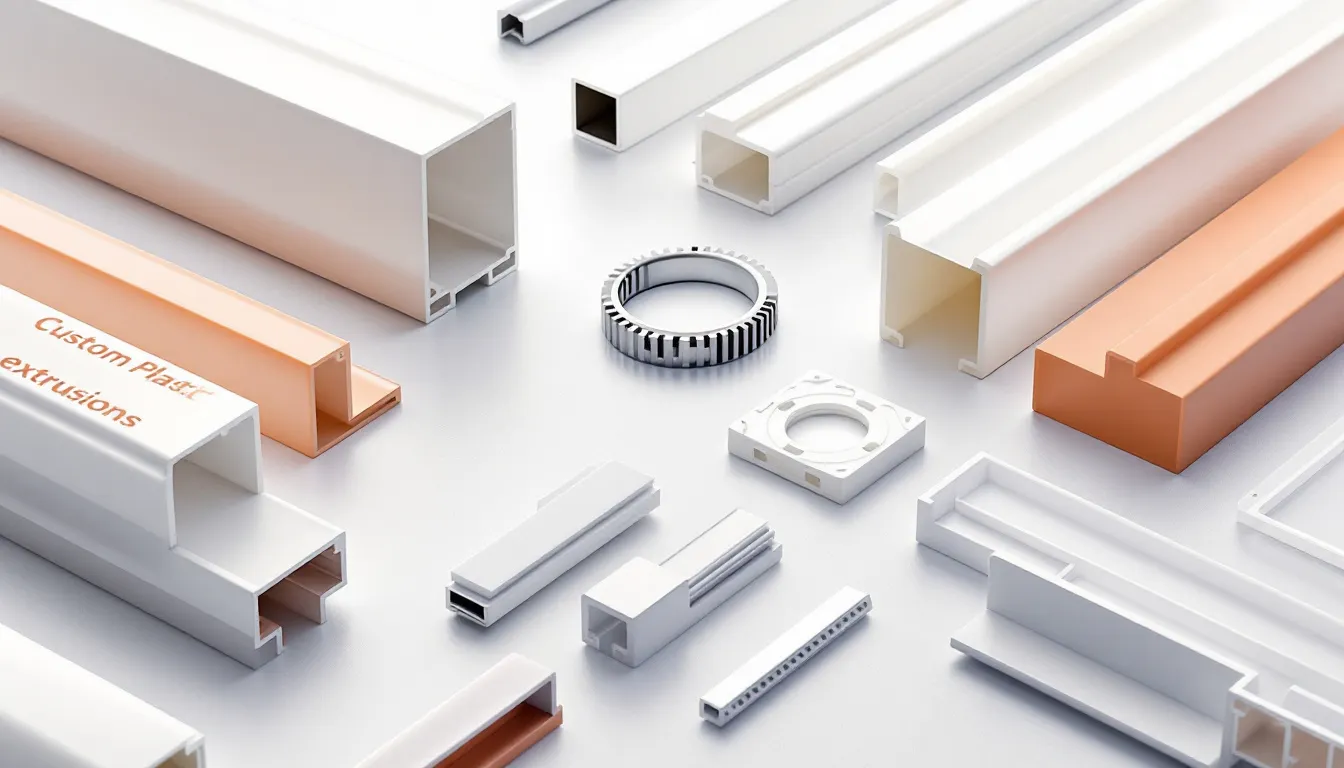
Custom plastic extrusions offer a multitude of benefits that make them a preferred choice across various industries. One of the most significant advantages is cost-effectiveness:
- High-volume production with custom plastic extrusion is economical due to the continuous operation after die setup.
- It minimizes material waste.
- It reduces overall costs.
This makes it an ideal solution for both custom and large scale production high-volume needs.
Moreover, the material properties of custom plastic extrusions can be tailored to enhance product performance. For instance, adding UV protection or flame retardants can significantly improve the durability and functionality of the final product. Techniques like foamed extrusion create lightweight materials with improved insulation properties, further expanding the applications of custom plastic extrusions.
These benefits, combined with the ability to produce intricate shapes and designs, make custom plastic extrusions a versatile and valuable manufacturing solution.
Innovations in Plastic Co-Extrusion
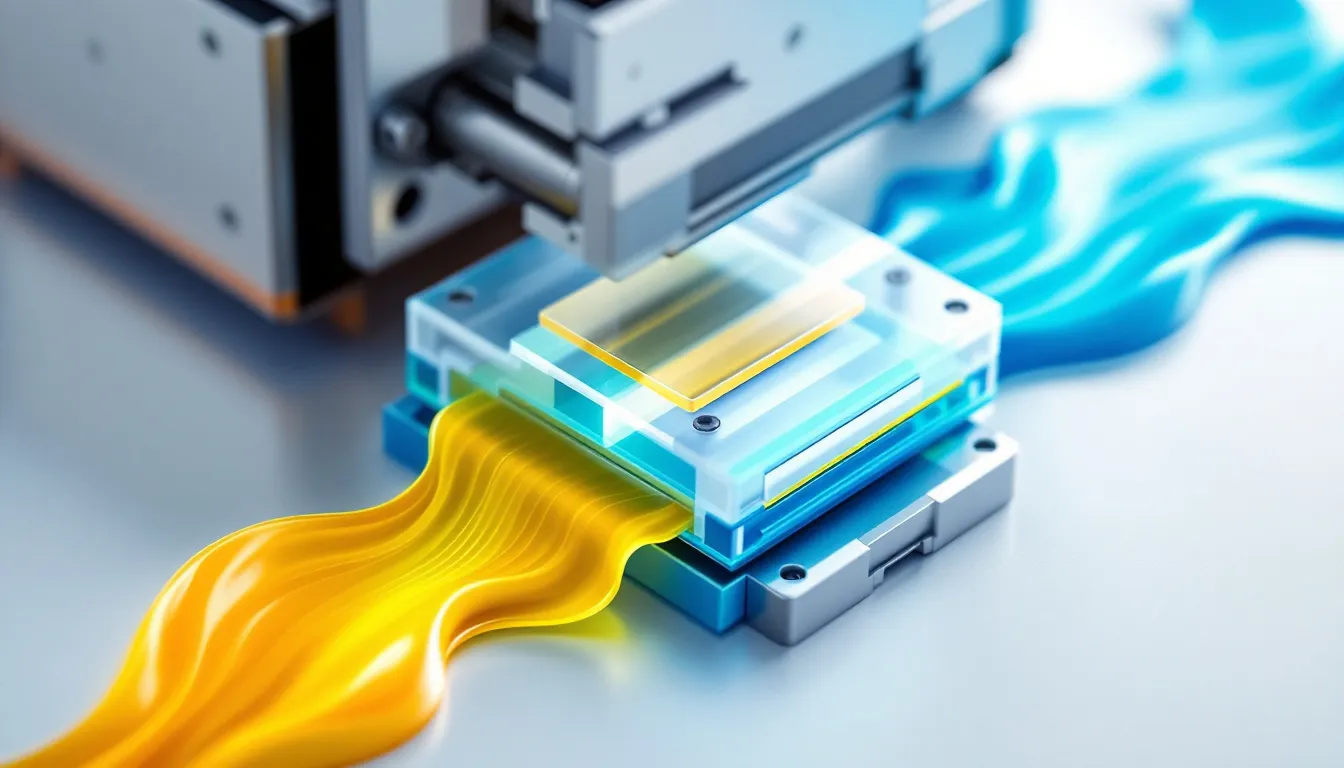
Plastic co-extrusion is an innovative process that allows for the simultaneous extrusion of multiple materials, resulting in products with enhanced features such as improved barrier properties. Recent advancements in co-extrusion technology and plastic extrusion technologies have enabled manufacturers to produce components with precise control over material layers, enhancing the functionality and performance of custom profiles.
One of the most exciting developments in this field is the integration of 3D printing with co-extrusion, which is revolutionizing prototype development and production capabilities. This combination allows for rapid prototyping and the creation of complex designs that were previously unattainable.
Common applications of plastic co-extrusion include edge trims, seals, and dual-durometer products, which benefit from the enhanced properties provided by co-extrusion technology. Plastic co-extrusion is particularly useful in sectors such as automotive interiors, retail displays, and specialty packaging. By increasing the functionality of custom profiles, co-extrusion offers innovative solutions that meet the evolving needs of various industries.
Custom Plastic Tubing Solutions
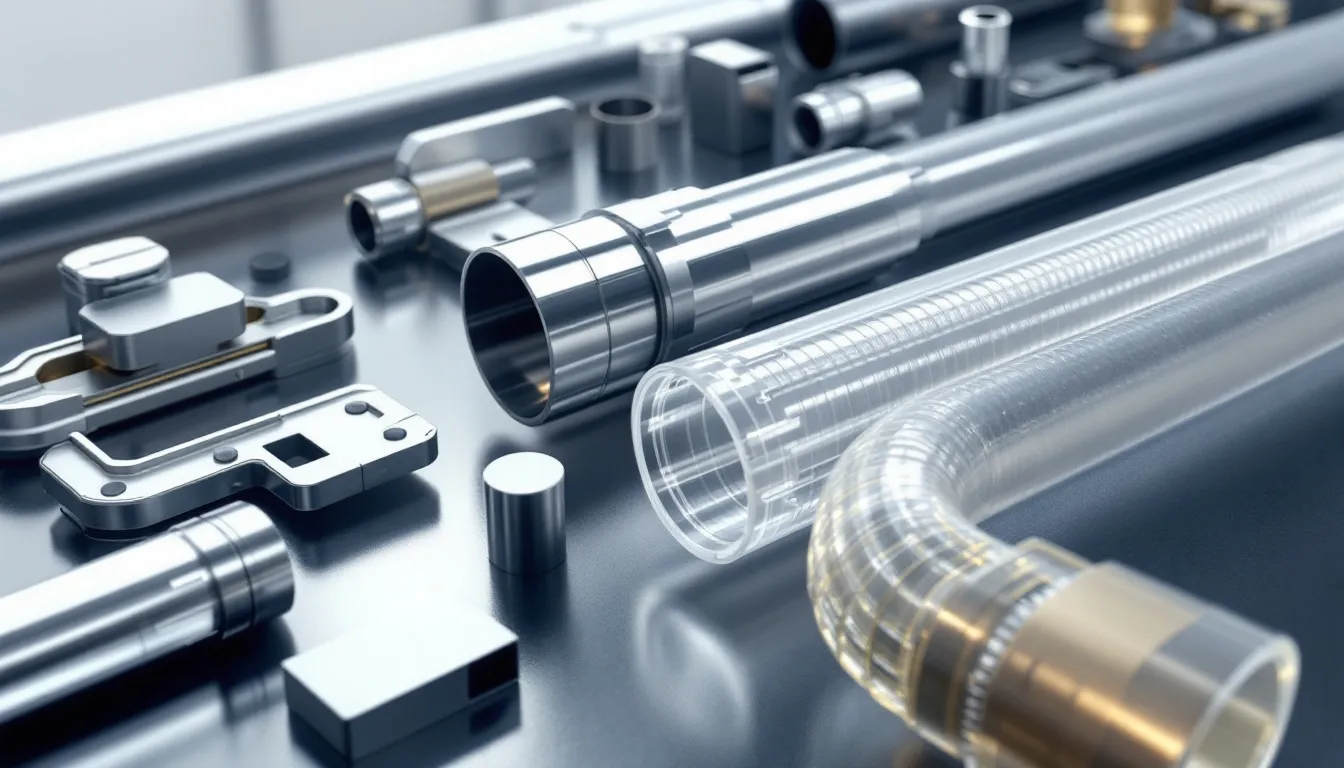
Customization in plastic tubing allows manufacturers to tailor products to specific design and functional requirements, enhancing their usability. Factors that can be adjusted include:
- Material choice
- Flexibility
- Wall thicknesses
- Specific coatings
This customization ensures that the tubing performs optimally in its intended application.
The performance of plastic tubing can also be adjusted based on its diameter and wall thickness, allowing for tailored applications in various industries. Manufacturers can produce tubing in various shapes, including round and square, to meet specific needs. This flexibility in design and functionality makes custom plastic tubing a versatile solution for many applications.
Industries Utilizing Custom Extruded Plastic Profiles
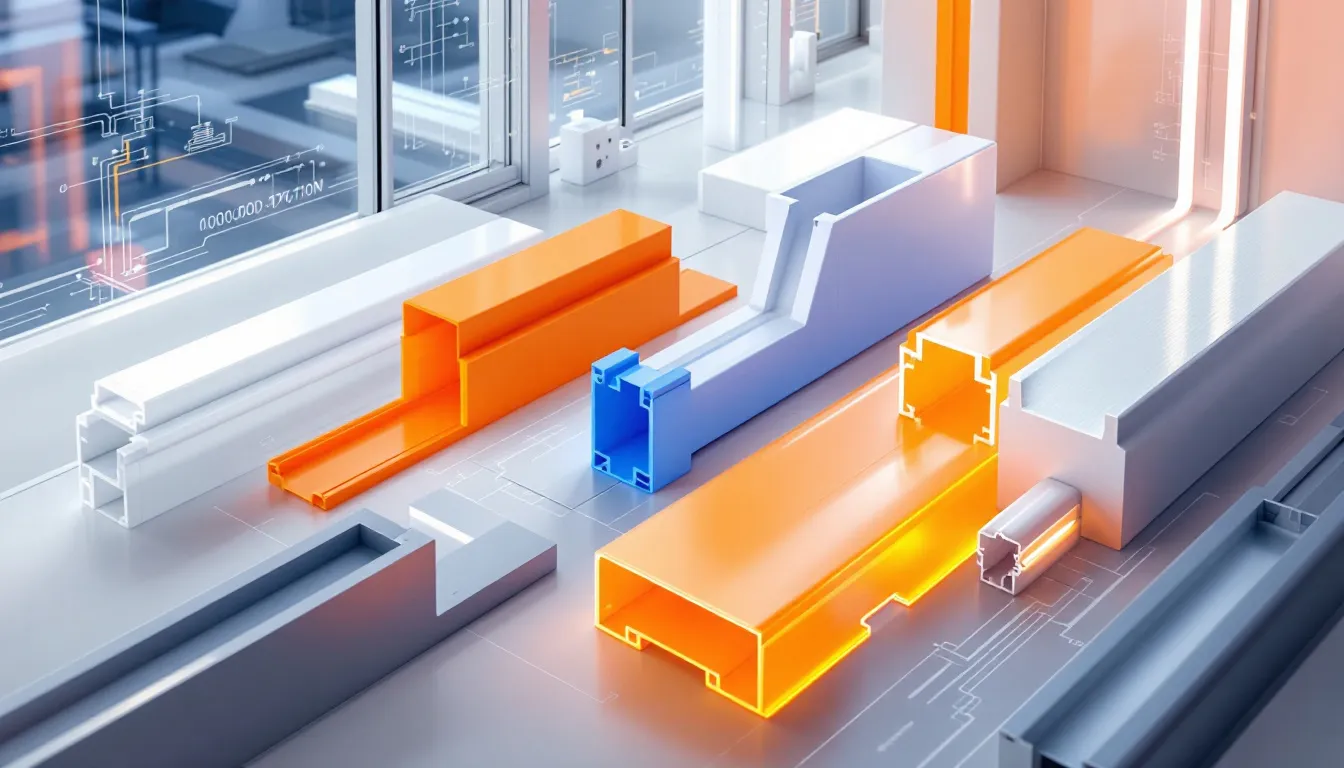
Custom extruded plastic profiles are essential across a wide range of industries, including:
- Construction sector: used for window frames, siding, and roofing components
- Automotive industry: used for parts like trims, seals, and body side moldings
- Healthcare applications: include medical tubing and surgical instruments, where precision and reliability are paramount
Other industries that utilize custom plastic extrusions include:
- The electrical sector for cable management systems
- Agriculture for irrigation components
- The packaging industry for containers and films
- The marine industry for corrosion-resistant components like boat fenders
- Furniture production for edge banding and shelving systems, along with other components.
The versatility of custom plastic extrusions makes them indispensable in modern manufacturing, especially when considering the benefits of PVC.
Quality Control in Plastic Profile Extrusion
Quality control is a critical aspect of the plastic profile extrusion process. Rigorous testing of raw materials and final products ensures that the extrusions meet the highest standards of integrity and performance. Initial assessments of raw plastic materials focus on verifying their purity and integrity, which is crucial for consistent extrusion results.
Throughout the extrusion process, parameters such as temperature, pressure, and speed are continuously monitored to maintain uniform quality. Vacuum calibration is employed to cool and size extruded profiles accurately right after they exit the die.
Final inspections assess properties like color consistency, dimensional stability, and tensile strength, ensuring that the extruded plastic profiles provide adequate structural support and meet the required specifications.
Custom Fabrication and Secondary Operations
Beyond the initial extrusion process, custom plastic profiles often undergo secondary operations to enhance their functionality and usability. These processes can include heat treating, printing, labeling, welding, anodizing, and electroplating. Secondary operations such as notching, drilling, gluing, taping, punching, forming, and heat welding are also available, allowing for further customization.
Selecting a manufacturer that offers these in-house tooling secondary operations can be highly beneficial, as it ensures that the extruded products can be used as-is or fabricated into more complex assemblies that are manufactured. This capability is particularly valuable for projects that require precise customization and assembly, as it streamlines the production process and reduces the need for additional suppliers.
Choosing the Right Custom Plastic Extrusion Manufacturer
Choosing the right custom plastic extrusion manufacturer is crucial to the success of your project. The right manufacturer will:
- Have decades of design, engineering, and manufacturing experience to ensure quality and reliability.
- Possess the capabilities to meet specific application requirements.
- Provide the necessary support throughout the project.
Choosing the wrong manufacturer can lead to product failures, increased costs, and wasted time on rework. Companies like SeaGate Plastics offer cost-effective custom plastic extrusions with quick turnaround times, making them a reliable choice for your extrusion needs.
Ready to Start Your Custom Extrusion Project?
Starting a custom extrusion project is easier than ever. Businesses can upload CAD files to receive instant quotes, ensuring a smooth and efficient start to their projects. Sample parts are provided for approval before full production commences, guaranteeing client satisfaction and alignment with project requirements.
Expert consultation is available to ensure that specifications align with project needs, and services such as custom color matching and packaging design enhance the presentation and marketability of extruded products. Custom plastic extrusion services are offered at competitive prices, especially for high-volume needs.
Summary
Custom extruded plastic profiles offer a versatile and cost-effective solution for a wide range of applications. From the initial material selection to the final product, the extrusion process allows for precise customization and high-volume production. Innovations in co-extrusion and secondary operations further enhance the functionality and usability of these products.
By choosing the right manufacturer and leveraging the benefits of custom plastic extrusions, businesses can achieve their design and functional goals with efficiency and reliability. Whether you’re in construction, automotive, healthcare, or any other industry, custom extruded plastic profiles provide tailored solutions that meet your specific needs.
]]>Key Takeaways
- Key components of a plastic sheet extruder machine include the extruder, die head, cooling rolls, and control system, each essential for high-quality production.
- Types of extruders—single screw and twin screw—offer different advantages, with single screws favored for simplicity and reliability, while twin screws excel in material mixing.
- Choosing the right materials, such as PET, PP, and PC, is vital for the quality and performance of extruded plastic sheets, impacting their applications across industries.
Key Components of a Plastic Sheet Extruder Machine
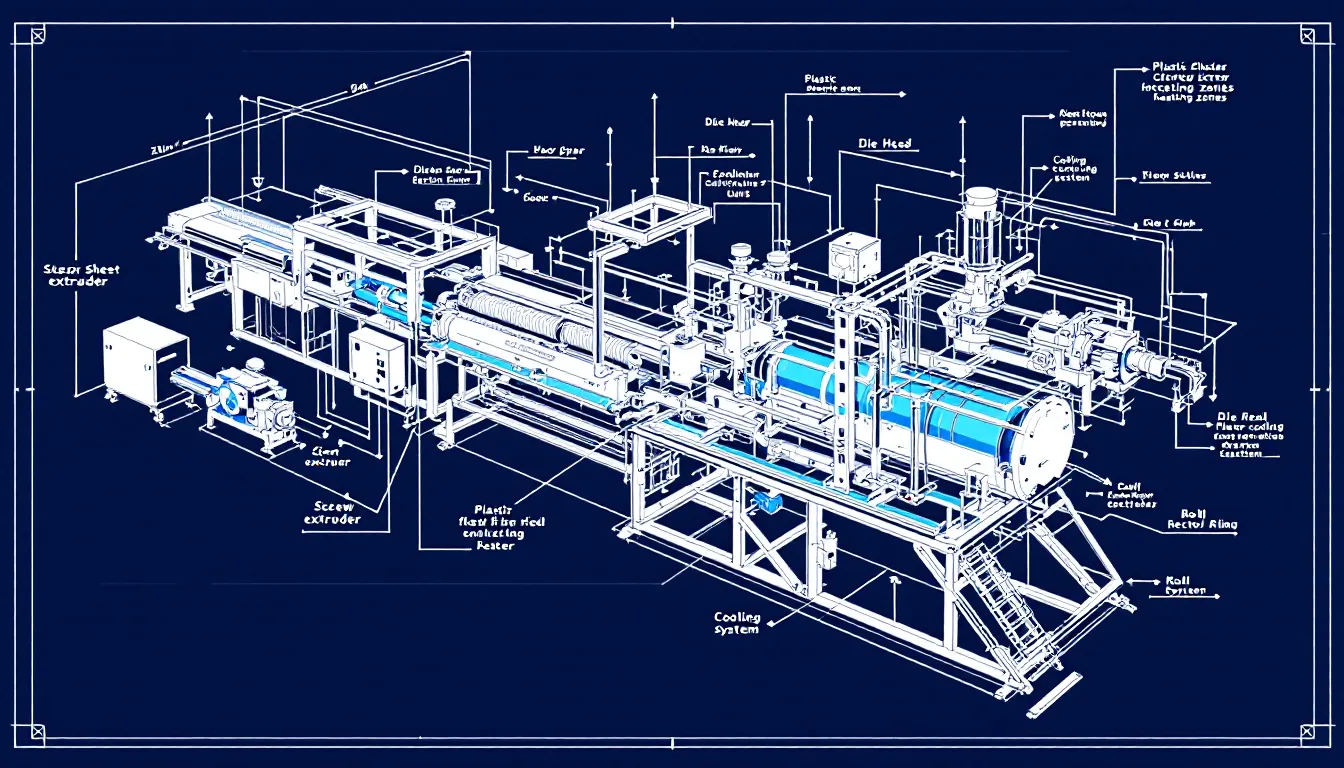
Grasping the key components of a plastic sheet extruder machine is essential for those in the manufacturing process. The main parts include:
- The extruder
- Die head
- Cooling rolls
- The control system Each integral to producing high-quality plastic sheets.
These individual components work in harmony to melt, shape, and solidify plastic materials, ensuring consistency and precision in the final product.
The Extruder
The extruder is the core of the plastic sheet extrusion process, tasked with:
- Melting and homogenizing plastic materials.
- Utilizing rotating screws to blend the plastic uniformly, ensuring a consistent flow of molten plastic.
- Mixing and transporting the material.
- Generating the needed heat for melting.
Whether using single or twin screws, the efficiency and reliability of several extruders are critical for producing high-quality plastic sheets.
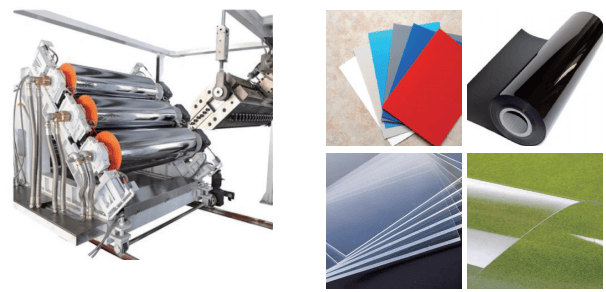
Die Head
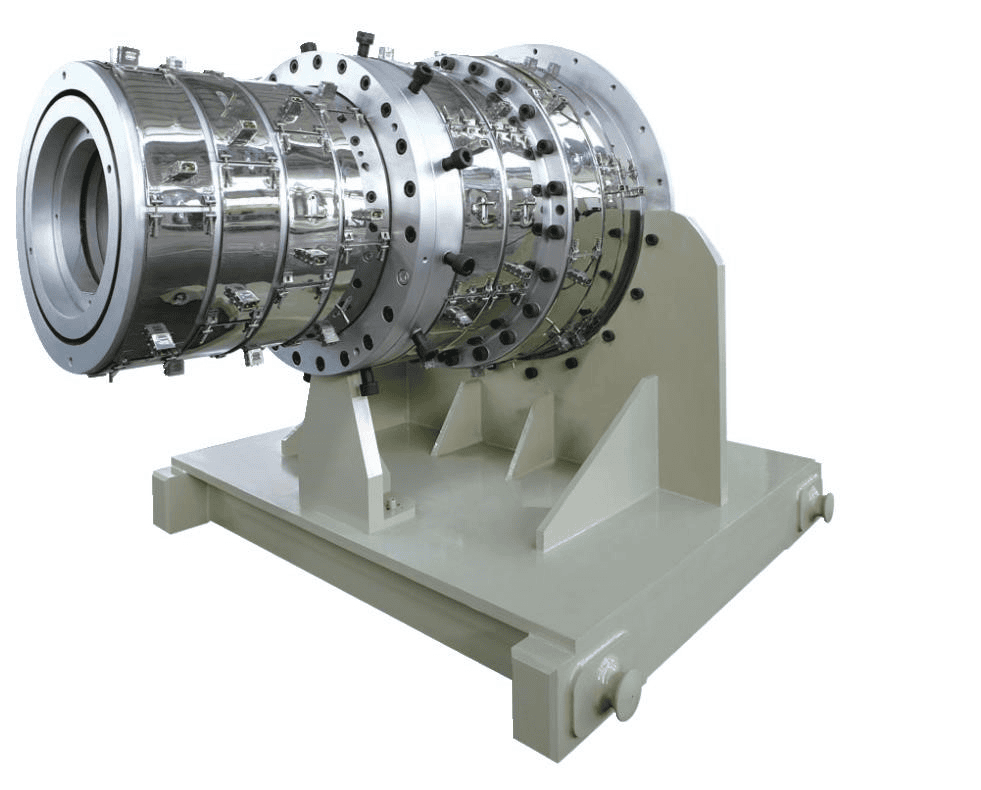
The die head is where the magic happens, shaping the molten plastic into sheets with precise thickness. In sheet extrusion, T-shaped, coat-hanger dies, and flat dies are commonly used to achieve the necessary sheet profiles. However, improper die design can lead to clogging issues, impacting the final product’s quality.
Therefore, meticulous attention to die head design is crucial for optimal performance.
Cooling Rolls
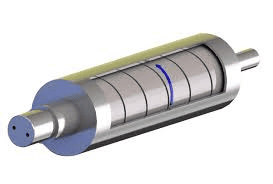
Cooling rolls are critical in the plastic sheet extrusion process, playing a vital role in solidifying the extruded material. They maintain a uniform temperature, ensuring that the plastic sheets cool evenly and retain their intended shape and properties.
Effective temperature control via cooling rolls is vital for producing high-quality plastic sheets.
Control System
The control system is the brain of the plastic sheet extruder machine, managing critical parameters such as temperature and speed. Precise management of these parameters ensures the consistent quality of the extruded sheets.
Maintaining optimal conditions throughout the extrusion process, the control system is pivotal in achieving high production efficiency and product quality.
Types of Plastic Sheet Extruder Machines
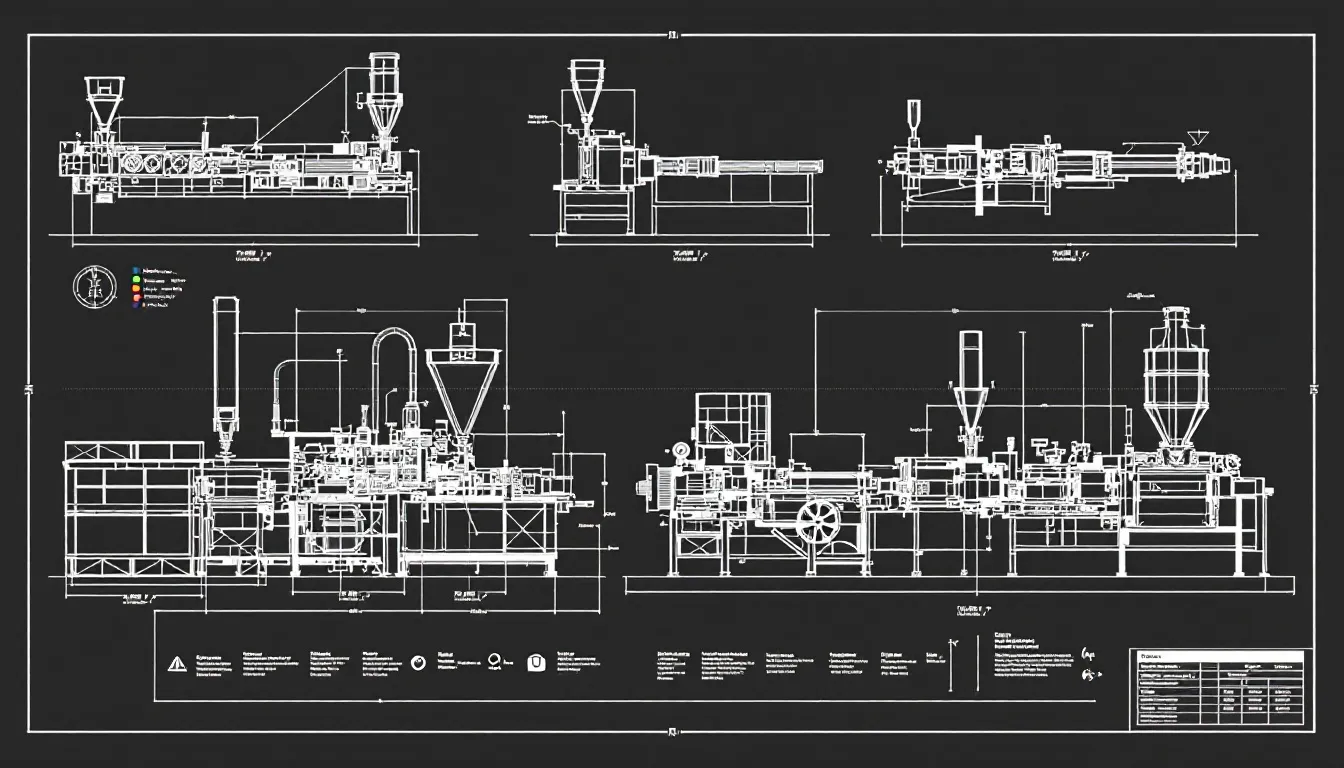
Plastic sheet extruder machines come in various types, with single screw and twin screw extruders being the most common. Each type has its unique advantages and is suited for different applications. Recognizing these differences helps in selecting the right machine for your specific needs, be it simplicity and ease of operation or advanced mixing capabilities.
Single Screw Extrusion Machines
Single screw extrusion machines are renowned for their simplicity and reliability. They are widely used in plastic sheet production due to their straightforward one screw operating and maintenance.
Industries ranging from food packaging to automotive benefit from the versatility of these machines, making them a staple in many manufacturing processes. Their design allows for efficient processing of various plastic materials, ensuring consistent product quality.
Twin Screw Extrusion Machines
Twin screw extrusion machines offer superior mixing capabilities, making them ideal for processing complex materials. They come in two sub-types: co-rotating and counter-rotating, each with specific advantages.
While co-rotating extruders provide excellent ingredient uniformity, counter-rotating extruders can handle higher pressure build-up, enhancing operational efficiency. These machines are essential for applications requiring precise material blending and high-quality outputs through coextrusion.
Materials Used in Plastic Sheet Extrusion
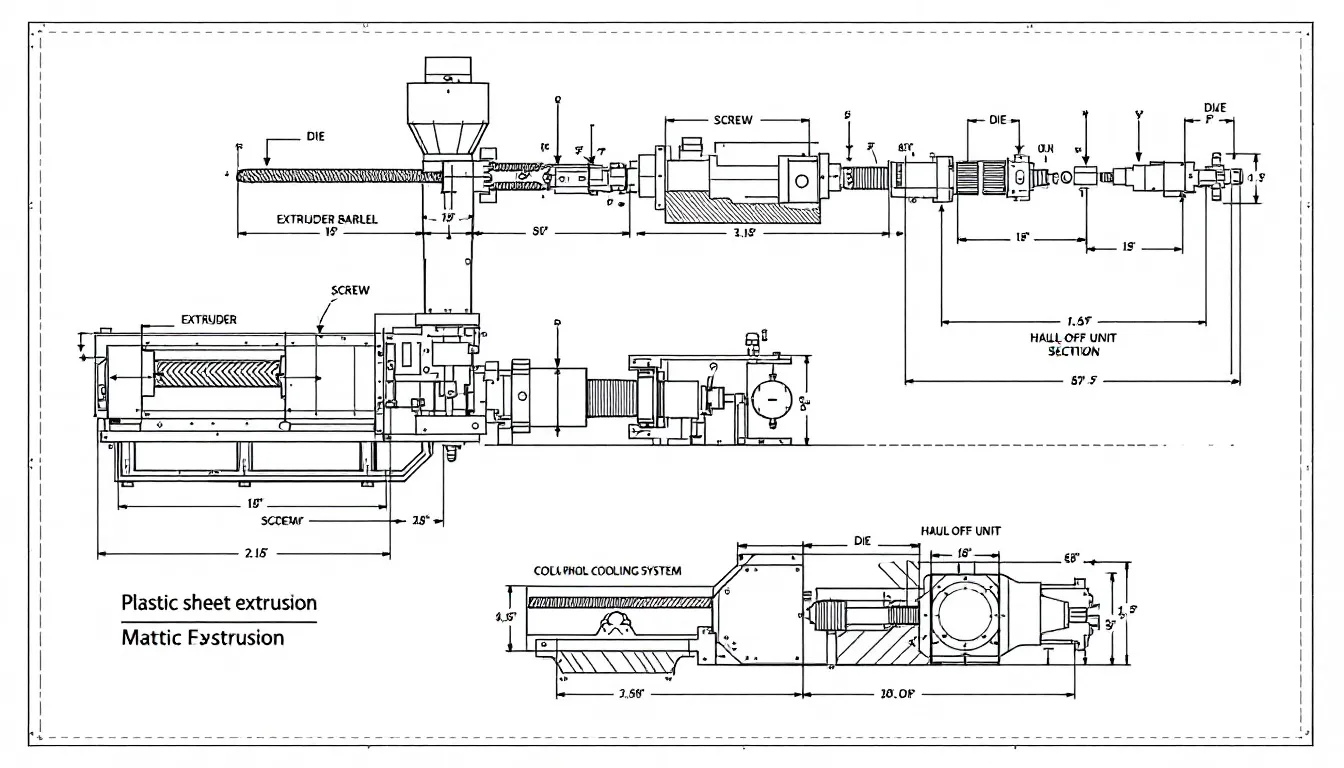
Choosing the right materials for plastic sheet extrusion is critical for achieving the desired properties in the final product. Common materials include polyethylene (PE), polypropylene (PP), and polycarbonate (PC), each offering unique benefits.
The choice of material impacts not only the extrusion process but also the performance and durability of the plastic sheets.
Polyethylene Terephthalate (PET)
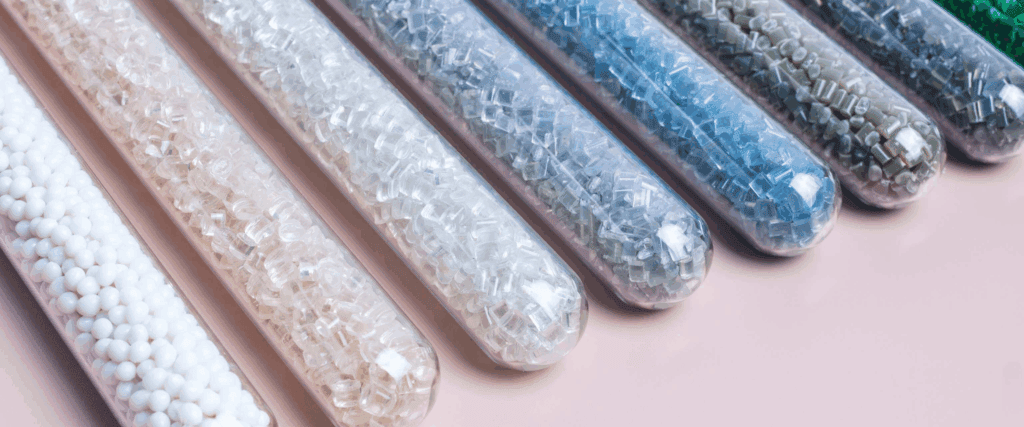
Polyethylene Terephthalate (PET) is a thermoplastic polymer widely used in plastic sheet production due to its excellent strength, thermal stability, and chemical resistance. Its versatility makes it a preferred choice for various applications, including packaging, automotive components, and medical devices.
PET’s performance in extrusion processes highlights its essential role in manufacturing high-quality plastic sheets.
Polypropylene (PP)
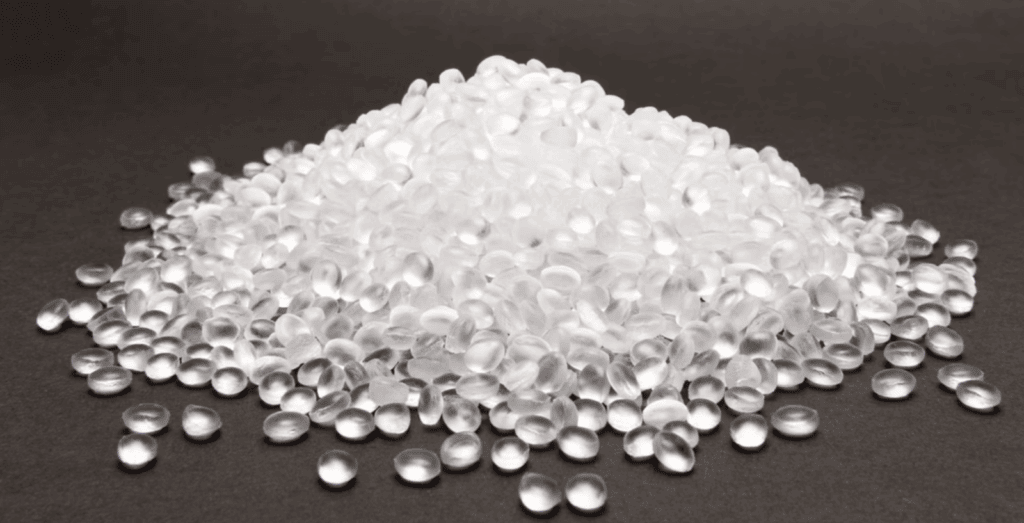
Polypropylene (PP) is a highly versatile material used in numerous industrial applications. Its strength increases with higher ethylene content in its copolymer forms, making it ideal for automotive and industrial sectors.
PP’s robustness and resistance to chemicals and moisture make it a valuable material in plastic sheet extrusion.
Polycarbonate (PC)
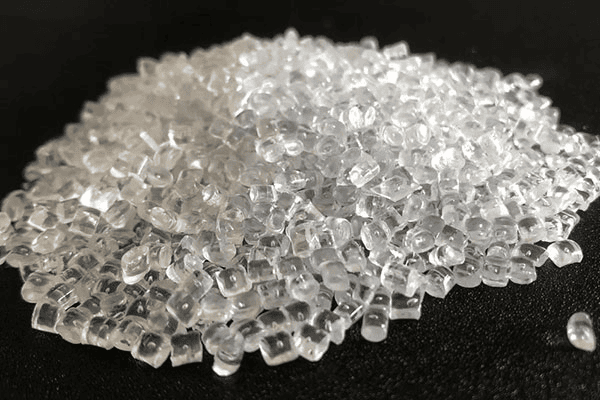
Polycarbonate (PC) is renowned for its impact resistance, making it suitable for protective barriers and high-stress applications. Industries benefit from PC’s ability to produce high-quality sheets that can withstand significant physical stress, ensuring durability and reliability in various industrial applications.
The Plastic Sheet Extrusion Process
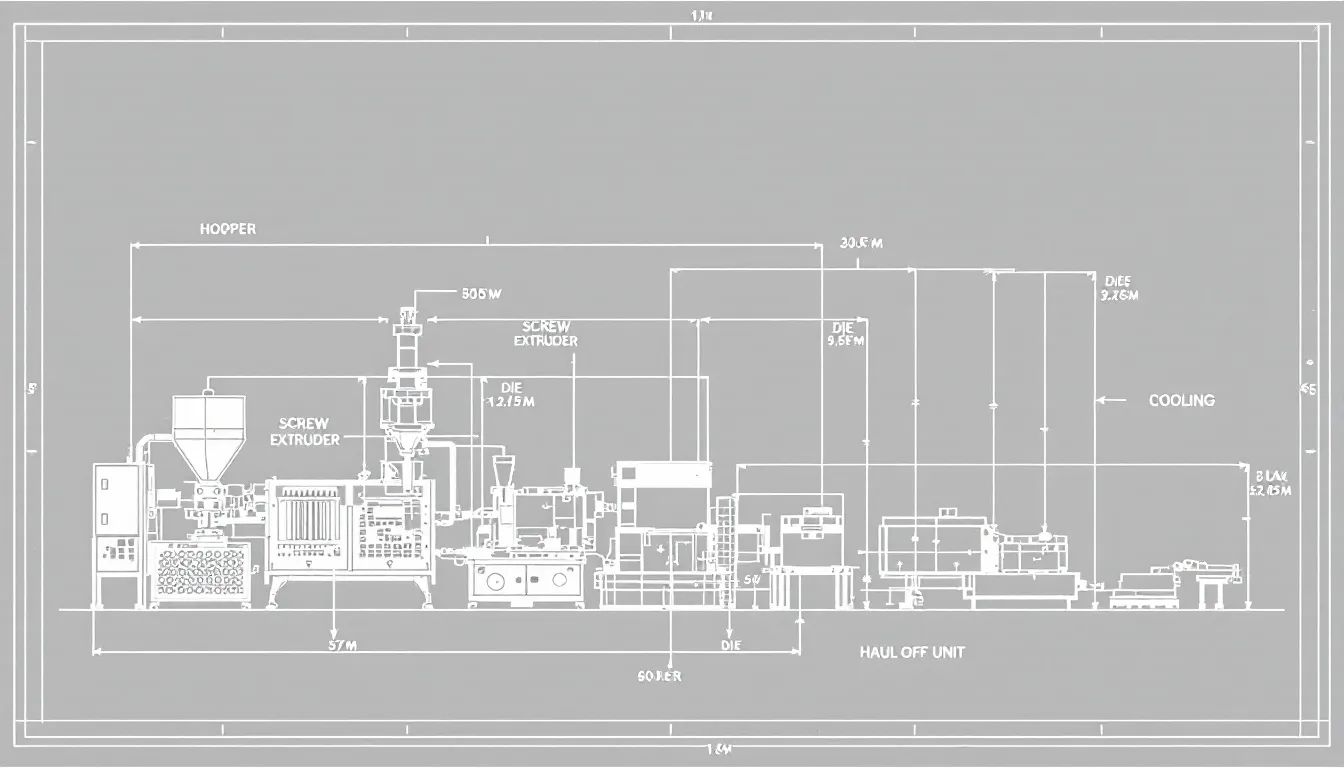
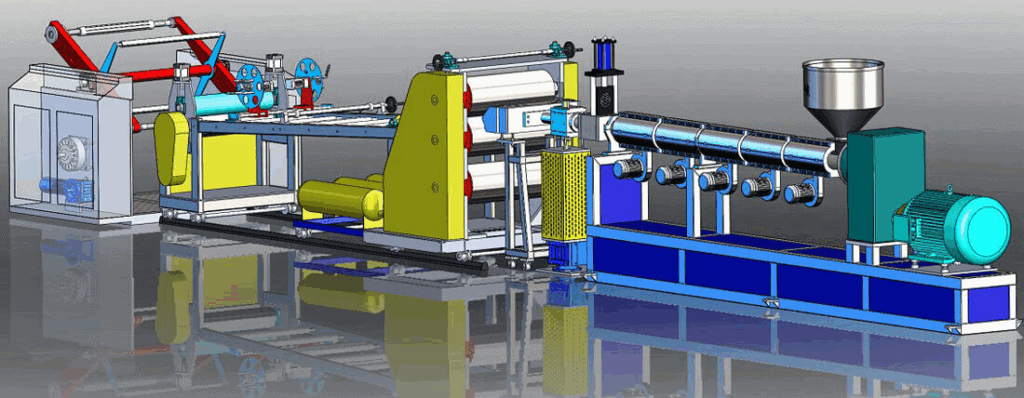
The plastic sheet extrusion process is a meticulous sequence of steps that transform raw materials into high-quality processed plastic sheets, with further processing involved. It begins with feeding raw materials into the extruder, followed by melting and mixing, and culminates in shaping and cooling the molten plastic using plastic sheet extrusion lines.
Each step is critical for ensuring the consistency and quality of the final product.
Feeding Raw Materials
The journey of plastic sheet extrusion begins with the introduction of raw materials. These materials:
- They are usually in pellet or plastic granule form
- Are fed into the extruder
- They are introduced through a hopper
- They are transported to the feed zone, where they begin to melt and mix.
Proper feeding is essential for maintaining a consistent flow and quality of the final product.
Melting and Mixing
Once in the extruder, the raw materials are gradually melted and homogenized using a rotating screw in a heated cylinder. The mechanical energy generated by the screws helps achieve the desired consistency and flow characteristics of the molten plastic.
Maintaining optimal thermal properties and temperature control is critical for ensuring a smooth and efficient extrusion process.
Shaping and Cooling
The molten plastic is then forced through a die, shaping it into continuous sheets. Cooling rolls rapidly cooled the shaped material, solidifying it into the desired form through injection molding.
Effective temperature control during this phase is essential for preventing warping and ensuring uniform thickness and texture in the final product.
Optimizing Plastic Sheet Extrusion
Optimizing the plastic sheet extrusion process is key to enhancing production efficiency and product quality. Manufacturers can employ various strategies, including:
- Equipment adjustments
- Process parameter tuning
- Material selection improvements. These optimizations ensure consistent product quality and reduce operational costs.
Equipment Adjustments
Regular maintenance and adjustments of plastic sheet extruder machines are key to optimal performance. Scheduled checks help identify potential issues before they escalate, ensuring longevity and consistent operation.
Adjusting machine settings, such as screw configurations and temperature controls, can significantly improve throughput and product quality.
Process Parameter Tuning
Fine-tuning process parameters like temperature and screw speed is crucial for optimizing the efficiency and quality of plastic sheet extrusion. Advanced technologies and detailed analyses can identify inefficiencies and opportunities for enhancement, leading to better product consistency and overall process efficiency.
Material Selection Improvements
Selecting the right plastic materials is fundamental to improving the extrusion process and the final product’s performance. Proper plastic material selection minimizes issues related to inconsistent raw materials, ensuring high-quality outputs.
Commonly used materials like PET, PP, and PC offer specific properties that enhance the extrusion process and meet various application needs.
Common Challenges in Plastic Sheet Extrusion
Plastic sheet extrusion is not without its challenges. Issues such as temperature control, screw speed, air pressure adjustments, and pressure adjustments can affect the quality and consistency of the final product.
Addressing these challenges through effective management and optimization strategies is key to producing high-quality plastic sheets.
Material Inconsistencies
Inconsistent raw materials can lead to significant product defects, including surface imperfections and improper thickness. Implementing strict quality control measures and sourcing materials from reputable suppliers can help manage these inconsistencies.
Advanced blending techniques also help ensure consistent product quality.
Die Clogging
Die clogging is a common issue that can disrupt the flow during the extrusion process, leading to uneven thickness or defects in the final product. Using appropriate filters and maintaining the die head can help mitigate this problem, ensuring a smooth and consistent extrusion process.
Cooling Issues
Effective cooling is crucial for preventing defects like warping and maintaining the quality of extruded plastic sheets. Proper temperature control and cooling management ensure uniform thickness and texture, resulting in high-quality final products.
Manufacturers must prioritize cooling systems to achieve consistent and reliable outputs.
Applications of Plastic Sheets
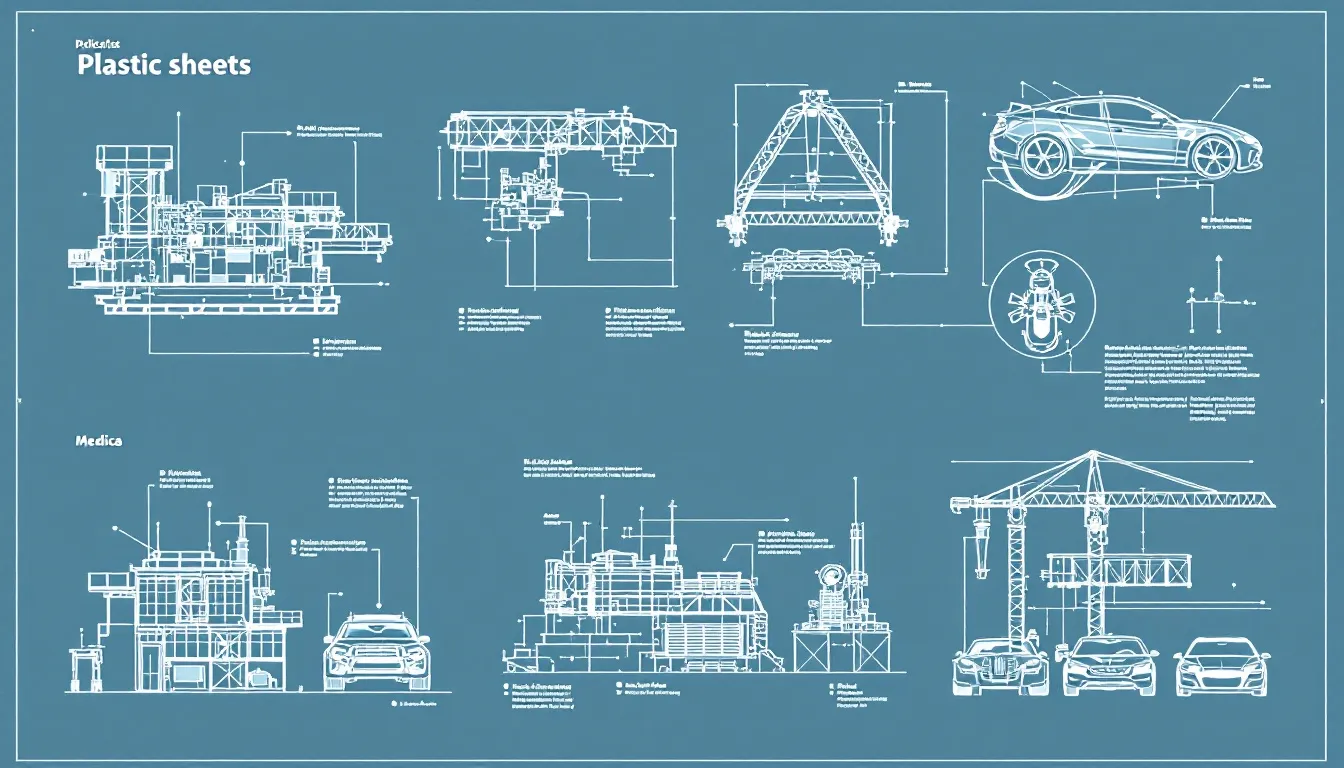
Plastic sheets are integral to a wide range of industries, from automotive to food packaging and medical devices. Their versatility and adaptability make them essential in manufacturing processes, providing solutions that meet specific industry requirements.
The following subsections explore some of the key applications of plastic sheets.
Automotive Industry
In the automotive industry, plastic sheets are widely used to manufacture various automotive parts and components. Extruded sheets are specifically utilized for dashboards, protective panels, and other interior elements.
Polypropylene, in particular, is highly valued for its strength and durability, making it an ideal choice for vehicle interiors and other high-stress applications.
Food Packaging
Plastic sheets, especially those made from PET, play a crucial role in food packaging, providing durable and safe solutions for storing and transporting food products. These plastic sheets can be produced from both virgin and recycled materials, enhancing their sustainability and reducing environmental impact.
Their clarity and strength make them ideal for forming trays, lids, and flexible packaging.

Medical Devices
The use of plastic sheets in medical devices is essential for ensuring product sterility and safety. These sheets are designed to withstand chemical exposure and are easy to clean, making them suitable for a variety of medical applications.
Their role in the production of medical devices highlights their importance in maintaining high standards of hygiene and effectiveness.
Factors to Consider When Choosing a Plastic Sheet Extruder Machine
Selecting the right plastic sheet extruder machine is crucial for optimizing production efficiency and product quality. Key factors to consider include the manufacturer’s reputation, customization options, and energy consumption.
These considerations ensure that the chosen machine meets specific production requirements and supports sustainable manufacturing practices.
Manufacturer Reputation
Choosing a reputable manufacturer is critical for ensuring the reliability and performance of plastic extrusion machines. Evaluating customer feedback and case studies can provide insights into a manufacturer’s service quality and reliability.
Well-regarded brands like Davis-Standard are known for their high-quality equipment and exceptional support, making them a preferred choice in the industry.
Customization Options
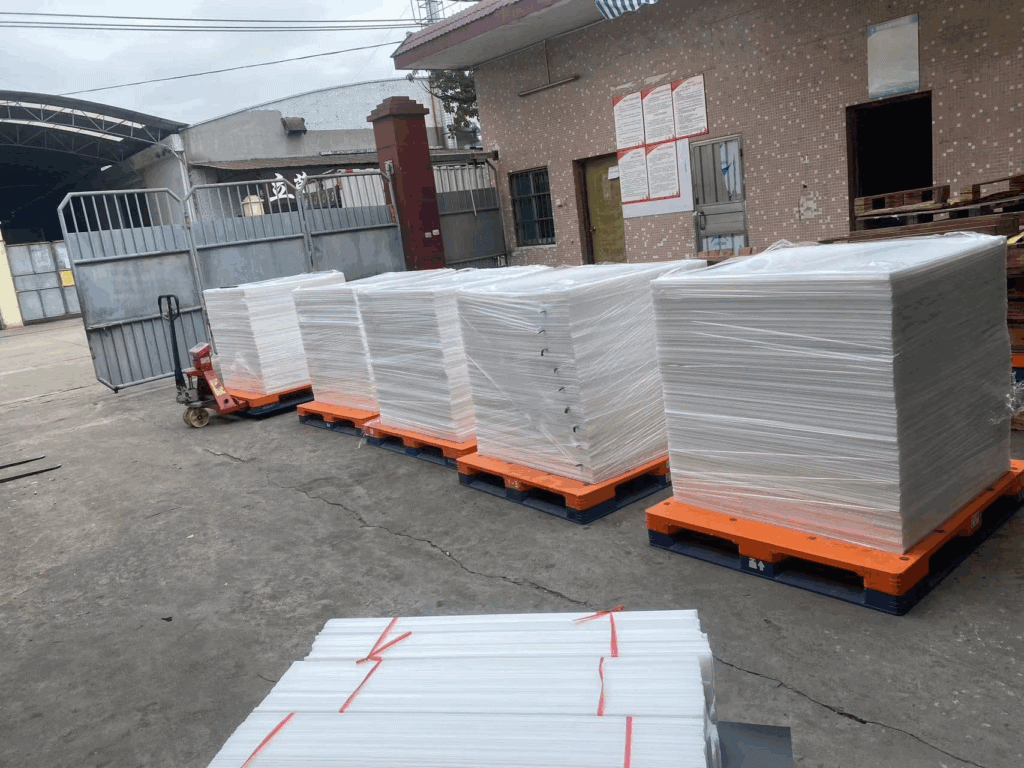
Customization options are essential for meeting specific production requirements in plastic sheet extrusion. Features such as adjustable sheet thickness, texture, and color allow manufacturers to produce sheets tailored to their needs.
Companies like Bixby International and Reifenhäuser Group offer customized sheet production lines, ensuring versatility and adaptability in various applications.
Energy Consumption
Energy efficiency is a critical factor in plastic sheet extrusion, influencing operational costs and environmental sustainability. Energy-efficient machines reduce the carbon footprint and promote greener production practices.
By choosing energy-efficient equipment, manufacturers can lower operational costs and contribute to sustainable manufacturing.
Summary
Plastic sheet extruder machines are indispensable in the manufacturing industry, offering versatility and efficiency across various applications. Understanding the key components, types, and materials used in these machines is essential for optimizing production processes and ensuring high-quality outputs. From feeding raw materials to shaping and cooling, each step in the extrusion process plays a crucial role in determining the final product’s quality and consistency.
Addressing common challenges and optimizing the extrusion process through equipment adjustments, process parameter tuning, and material selection improvements can significantly enhance production efficiency. When choosing a plastic sheet extruder machine, factors such as manufacturer reputation, customization options, and energy consumption should be carefully considered to meet specific production needs and support sustainable practices. By staying informed and making strategic decisions, manufacturers can achieve consistent product quality and operational excellence.
]]>- Plastic extruders are essential machines in manufacturing, transforming raw plastic materials into a variety of products through a three-zone process: feed, melting, and metering.
- Various types of plastic extruders, including single screw and twin screw, belong to distinct categories tailored to specific processing needs, affecting the efficiency and quality of the extrusion process.
- Regular maintenance, including cleaning and component inspection, is crucial for the operational efficiency and longevity of plastic extruders, ensuring consistent production quality.
Understanding Plastic Extruders
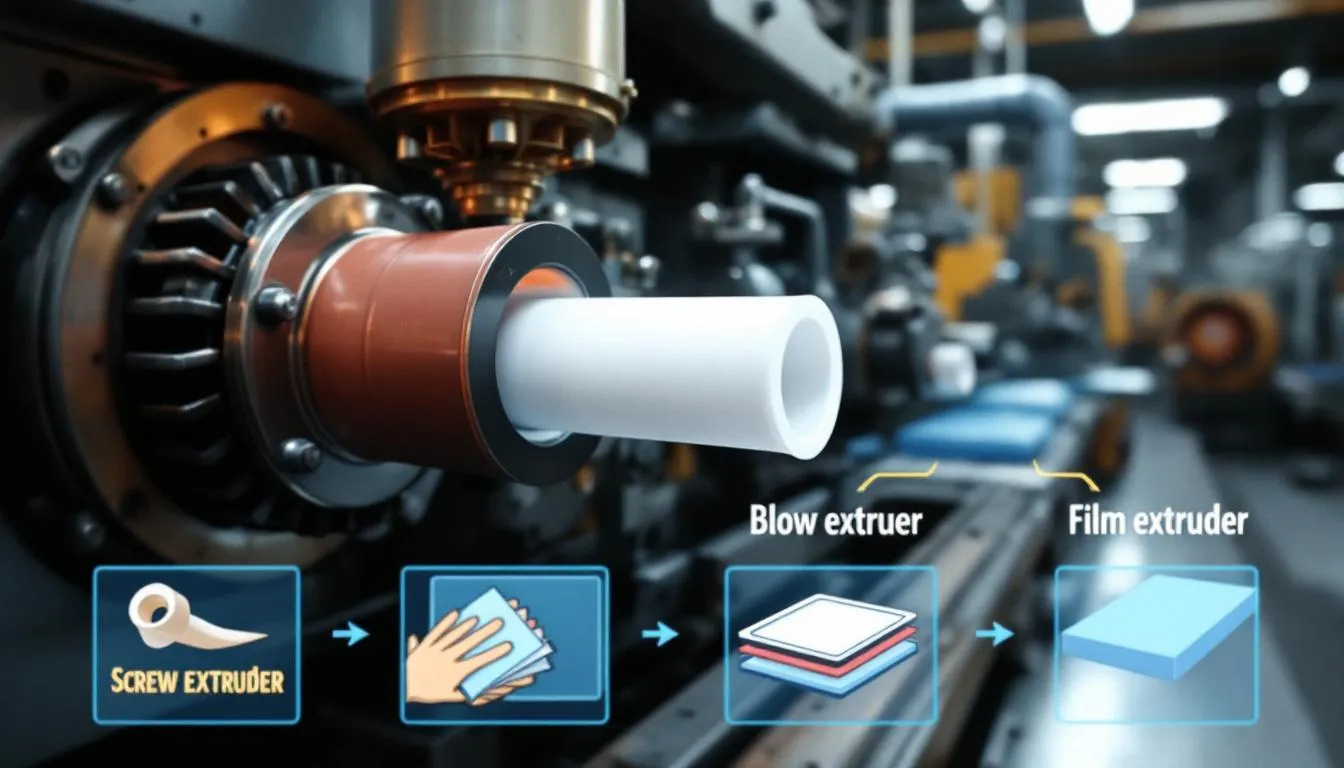
Plastic extruders are indispensable machines in the manufacturing industry, vital for shaping and processing plastic materials into numerous products. This technology is widely used in the plastics industry, producing high-quality products with uniform properties using an extruder machine, an extrusion machine, a plastic extrusion machine, plastic extrusion machinery, and plastic extrusion equipment. Plastic extrusion plays a crucial role in this process.
Everyday products, from simple plastic containers to complex automotive industry parts, owe their existence to this sophisticated equipment machine machines.
How Plastic Extruders Work
The magic of plastic extruders lies in their ability to transform raw plastic materials into finished products through a process of melting, processing, and re-melting plastic polymers. This intricate process is broken down into three critical zones: the feed zone, the melting zone, and the metering zone.
Each zone is vital for the proper processing and shaping of the plastic material into the desired form.
The Feed Zone
In the feed zone, the journey of plastic resins begins. These resins, typically in pellet form as small pellets or beads, are introduced into the extruder. The material can enter the extruder either by gravity fed in a process known as flood feeding or at a controlled rate called starve feeding.
The hopper, designed to ensure a consistent flow of materials, plays a critical role here. Temperature control is essential in this zone to ensure the plastic starts adhering to the barrel, although it remains in a solid state at this stage.
The Melting Zone
As the plastic moves from the feed zone, it enters the melting zone where the real transformation begins. Here, the plastic material is subjected to heat generated from the turning screws and heating components of the extruder.
The plastic gradually melted, transitioning from a solid to a molten state, ensuring a consistent melt. This phase prepares the material for its final shaping.
The Metering Zone
In the metering zone, the molten plastic is readied for its final form. This zone is crucial for preparing the plastic to be forced into a die, where it will be shaped into the desired product.
The metering zone ensures uniform temperature melting and maintains consistent air pressure and flow toward the die, crucial for achieving a high pressure, high-quality final product.
Types of Plastic Extruders
Plastic extruders come in various types, each suited for different materials and applications. The primary categories are single screw, twin screw, and ram extruders. The choice of extruder impacts the efficiency and quality of the extrusion process, depending on the specific requirements of the plastic material.
Single Screw Extruders
Single screw extruders are the most common type found in the industry, known for their straightforward design and reliability. They are particularly effective for producing continuous lengths of plastic products, such as pipes and tubing.
Different plastics require specific temperature settings and processing conditions, making the right extruder selection vital for optimal performance.
Twin Screw Extruders
Twin screw extruders, available in co-rotating and counter-rotating types, offer higher axial velocity and better mixing capabilities compared to single screw extruders. This makes them ideal for processing complex plastic materials that require precise mixing and melting conditions using twin screw extrusion machines.
Choosing between co-rotating and counter-rotating depends on the specific properties of the plastic being processed.
Applications of Plastic Extruders
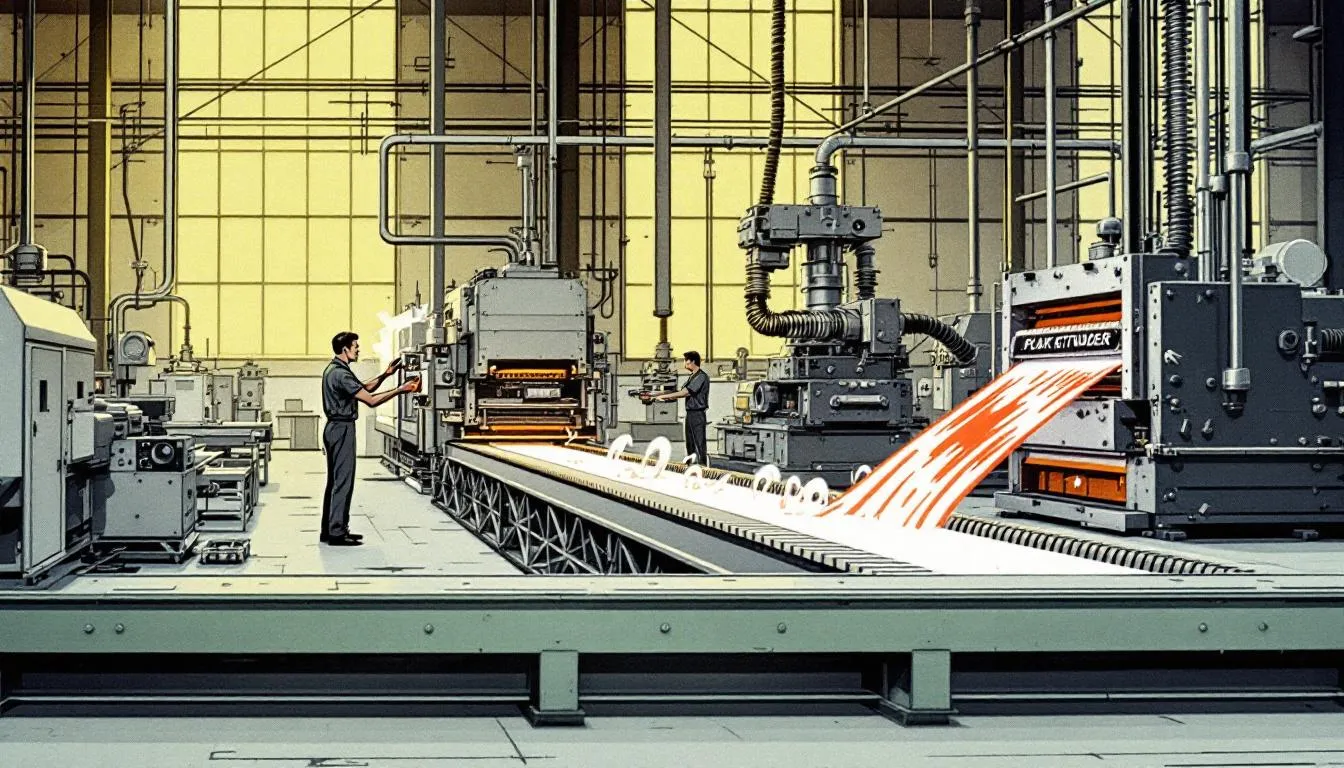
Plastic extruders are versatile machines used across various industries, including construction, automotive, and packaging. The extrusion process transforms thermoplastic materials into continuous products like pipes, films, and medical supplies by melting and shaping them through a die. This process is economical and allows for creating products in various colors, shapes, and finishes.
Pipe and Tubing Extrusion
Pipe and tubing extrusion is a significant application of plastic extruders. Machines designed for this purpose can produce PVC pipes with diameters ranging from 16-1000mm for use in agriculture and construction. HDPE pipe extrusion machines are particularly suited for industrial piping systems, such as underground gas and water pipelines.
These machines’ ability to produce tube pipes of any length and integrate components like couplers with rubber seals during the extrusion process adds to their versatility.
Sheet and Film Extrusion
Plastic extruders are also extensively used in the production of plastic sheets and films. The dies in sheet and film extrusion allow for the continuous extrusion of polymer melt, which can then be used for glazing doors, windows, or as protective plastic sheet against environmental factors.
Blown film extrusion, a subset of this application, produces items such as food packages and shopping bags.
Profile Extrusion
Profile extrusion involves creating custom plastic profiles that meet diverse production needs. This application is crucial across various industries, enabling the production of unique shapes and sizes tailored to specific requirements.
Profile extrusion offers significant flexibility and precision, whether for automotive parts or decorative panels.
Key Components of a Plastic Extruder
A plastic extruder consists of several key components, each playing a vital role in the extrusion process. The main parts include the feed hopper, barrel, screws, die, and cooling system.
Understanding these components and their functions is crucial for anyone involved in operating or maintaining plastic extruders.
The Hopper
The hopper, the starting point of the extrusion process, introduces raw plastic materials into the extruder in various forms:
- Pellets
- Granules
- Flakes
- Powders It ensures a consistent feed of materials, which is crucial for maintaining the quality and efficiency of the extrusion process.
The Barrel and Screws
The barrel and screws are central to the extruder’s screw operating. The barrel provides the necessary heat and pressure to melt the plastic, while one screw conveys, mixes, and homogenizes the material as it moves towards the die.
This ensures that the plastic is uniformly melted and ready for shaping.
The Die
The die is a critical component that shapes the molten plastic into the final product. It is engineered to create specific shapes and profiles, allowing for a wide range of sizes and designs.
The precision of the die determines the quality and consistency of the extruded product.
Benefits of Using Plastic Extruders
Plastic extruders offer numerous benefits, making them a preferred choice in various manufacturing processes. They provide cost advantages, enable high-volume production, and allow for significant customization.
Additionally, modern extruders are designed with sustainability in mind, reducing energy consumption and facilitating recycling.
High Volume Manufacturing
A major benefit of plastic extruders is their ability to support a high volume manufacturing process. The extrusion process is highly efficient, enabling large-scale production of continuous products. This makes it ideal for industries that require mass production, such as automotive and construction.
Customization and Flexibility
Plastic extruders offer unparalleled customization and flexibility. They can be easily adjusted to accommodate different materials and specifications, allowing manufacturers to create unique shapes and sizes.
This flexibility is crucial for meeting specific project requirements and ensuring high-quality products.
Sustainability and Recycling
Sustainability is a significant consideration in modern manufacturing, and plastic extruders are no exception. They help reduce environmental impact by enabling the efficient use of recycled materials and minimizing waste.
Companies like Bausano are at the forefront of offering solutions that reduce energy consumption and enhance the recovery of plastic scrap.
Choosing the Right Plastic Extruder
Selecting the right plastic extruder involves considering several factors:
- Material compatibility
- Output requirements
- Additional features
- Customization options
- Cost factors These all play a crucial role in making the right choice.
This section provides guidance on how to navigate these considerations to find the best extruder for your needs.
Material Compatibility
Material compatibility is paramount when choosing a plastic extruder. The extruder must be able to process the specific plastic material efficiently to ensure high-quality output.
Different thermoplastic materials offer versatility in manufacturing, making it essential to match the extruder with the right material.
Output Requirements
Understanding the output requirements is crucial for selecting an appropriate extruder. The capacity to meet production demands while maintaining efficiency and cost-effectiveness is a key consideration.
Matching the extruder’s output capacity with the type of plastic material ensures optimal performance and quality.
Additional Features
Additional features such as advanced cooling systems, automatic temperature controls, and specialized screws can significantly enhance the performance of plastic extruders.
These optional accessories and enhancements improve the overall efficiency and quality of the extrusion process.
Maintenance and Care of Plastic Extruders
Regular maintenance is essential for ensuring the long-term operation and efficiency of plastic extruders. It helps prevent contamination, identify wear and tear early, and address complex issues through professional servicing.
Proper maintenance practices enhance the lifespan and productivity of extruders.
Regular Cleaning
Keeping the extruder clean is crucial for preventing contamination that can lead to defects in the final product. Regular cleaning prevents the buildup of material residues, maintaining consistent production quality.
Component Inspection
Routine inspection of key components helps prevent serious failures by identifying early signs of wear. Key points include:
- Inspecting screws and barrels regularly
- Spotting potential issues before they escalate
- Ensuring the extruder operates efficiently
- Reducing downtime
Professional Servicing
Professional maintenance ensures accurate diagnosis and effective resolution of complex issues. This professional servicing can address intricate technical problems that regular maintenance might overlook, enhancing the overall performance of the extruder.
Summary
Plastic extruders are indispensable in modern manufacturing, playing a critical role in producing a wide range of plastic products. Understanding how they work, the different types available, their applications, and the benefits they offer is essential for optimizing their use. Regular maintenance and careful selection of the right extruder can significantly enhance production efficiency and product quality. Embrace the potential of plastic extrusion to innovate and elevate your manufacturing processes.
Frequently Asked Questions
What are the main types of plastic extruders?
The main types of plastic extruders are single screw extruders, twin screw extruders, and ram extruders, each designed for specific materials and applications. Understanding these distinctions is crucial for selecting the right extruder for your needs.
How does the feed zone in a plastic extruder work?
The feed zone in a plastic extruder facilitates the introduction of pelletized plastic resins, which are gradually heated and begin to adhere to the barrel, ensuring a consistent flow into the melting zone. This initial stage is crucial for effective processing of the material.
What is the role of the die in a plastic extruder?
The die in a plastic extruder plays a crucial role by shaping the molten plastic into the desired final product, thereby determining its size and profile as it exits the machine. This precision is essential for achieving the intended specifications of the extruded material.
Why is regular maintenance important for plastic extruders?
Regular maintenance is crucial for plastic extruders as it prevents contamination, detects wear and tear early, and optimizes operational efficiency, ultimately extending the equipment’s lifespan and ensuring high product quality.
How do plastic extruders contribute to sustainability?
Plastic extruders significantly enhance sustainability by efficiently utilizing recycled materials, reducing energy consumption, and minimizing waste in the manufacturing process. This leads to more environmentally responsible production methods.
]]>Key Takeaways
- Plastic profile extrusion is a versatile manufacturing process used to create customized plastic shapes across various industries, adhering to stringent quality controls.
- Custom plastic extrusions enable tailored solutions, improving production efficiency and allowing for unique designs that cater to specific industry needs.
- Recent innovations, including automation and sustainable practices, are enhancing the efficiency and eco-friendliness of plastic profile extrusion, shaping future trends in the industry.
What is Plastic Profile Extrusion
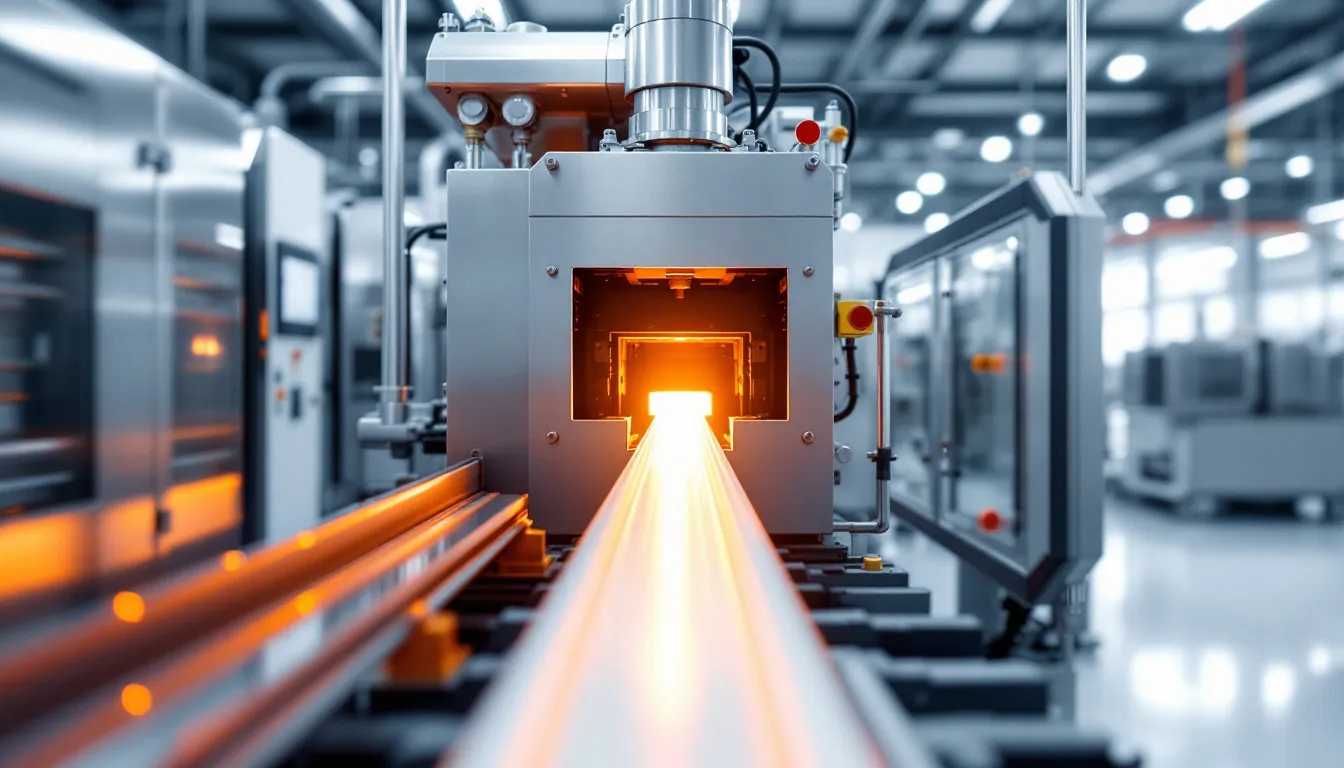
Plastic profile extrusion is a cornerstone of modern manufacturing, creating customized plastic shapes for numerous applications. With over 7,000 profiles developed, this versatile process caters to diverse industry needs, with high standards and stringent quality control ensuring product integrity and customer satisfaction. Plastics extrusion plays a vital role in this process.
The process involves:
- Heating raw plastic materials until they are molten
- Forcing the molten plastic through a die to create continuous shapes, shaping the final product in the entire process
- Cooling the shapes to solidify them
This high-volume manufacturing method is crucial for producing consistent, high-quality manufactured rigid plastic profiles using injection molding.
What is Plastic Profile Extrusion?
Plastic profile extrusion involves melting raw polymers and forcing the molten plastic through a die to create continuous shapes. This efficient plastic profile extrusion process is ideal for high-volume production, ensuring consistent and uniform profiles.
The versatility of plastic extrusion is evident in its ability to produce a wide range of shapes and sizes, from simple tubing and sheet extrusion to complex custom profiles, including plastic tubing. These profiles can then be cooled and solidified, ready for use in various applications.
Key Applications of Plastic Profiles
Plastic profiles are integral to numerous industries due to their versatility and functional attributes. In the construction sector, they are used for components like window frames and drainage systems, while the automotive industry employs them for parts like seals and trims.
Customization further enhances the applicability of these profiles across various sectors.
Custom Plastic Extrusions: Tailored to Your Needs
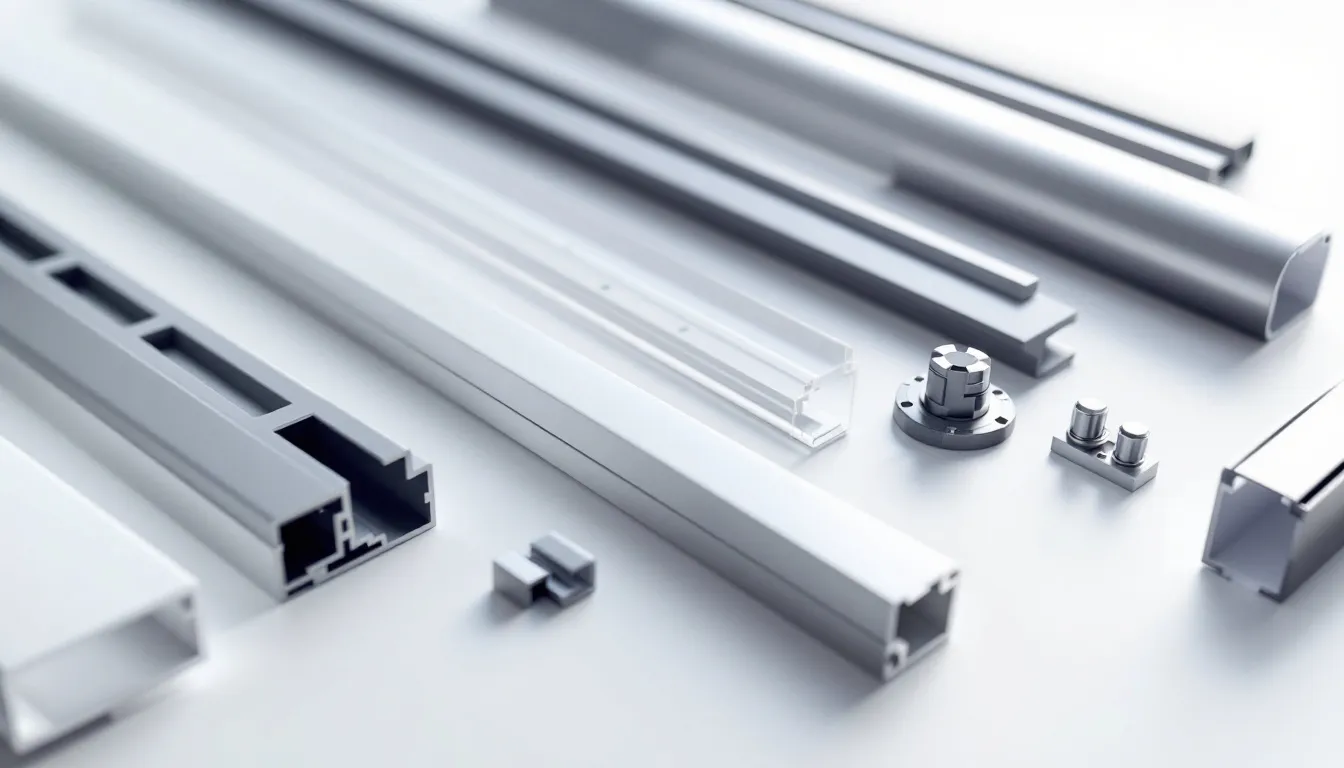
Custom plastic extrusions provide tailored solutions, enhancing production efficiency and product performance. When standard profiles are insufficient, custom extrusions offer the flexibility to create unique designs, benefiting industries like construction with specialized architectural and functional components.
Plastic profile extrusion is crucial across various sectors, contributing to a wide range of products. Options include ready-to-ship or custom extrusions, catering to different needs. Custom extrusions are particularly valuable when stock options don’t fit, allowing businesses to create tailored solutions.
The Custom Extrusion Process
The journey of custom plastic extrusion involves several key steps:
- Selecting the appropriate raw material, which is then heated and melted.
- Using an Extrusion Design Guide to design the extrusion profile, ensuring the final product meets specific requirements.
- Employing rapid prototyping to create preliminary designs quickly, allowing for testing and refinement before full-scale production.
Standard profiles can be customized to specific sizes, shipping closer to their final form and reducing the need for additional processing. Whether it’s hot, cold, or warm extrusion, the process involves careful planning and execution to produce high-quality custom extrusions.
Material Selection for Custom Extrusions
Selecting the right material for custom plastic extrusions is essential, affecting flexibility, chemical resistance, and durability. Extensive experience in thermoplastic extrusion aids in optimal material choices, balancing performance and cost. The lightweight nature of plastics also offers energy efficiency and cost-effectiveness over traditional materials.
Thermoplastic materials are favored for custom extrusions due to their versatility and performance. Choosing the right thermoplastic material significantly impacts the success of the project, effectively balancing cost and performance.
Advantages of Custom Plastic Extrusions
Demand for unique shapes and materials is driving customization in plastic profiles. Custom profiles enhance aesthetics and functionality in architectural and industrial applications. This approach is cost-effective for high-volume production, as the process runs continuously after the initial die is made.
Using multiple materials in extrusion can lower manufacturing costs and optimize material usage. The combination of customization and cost-effectiveness makes custom plastic extrusions a preferred choice across many industries, enabling unique designs and enhanced performance.
Co-Extrusion & Multi-Material Solutions
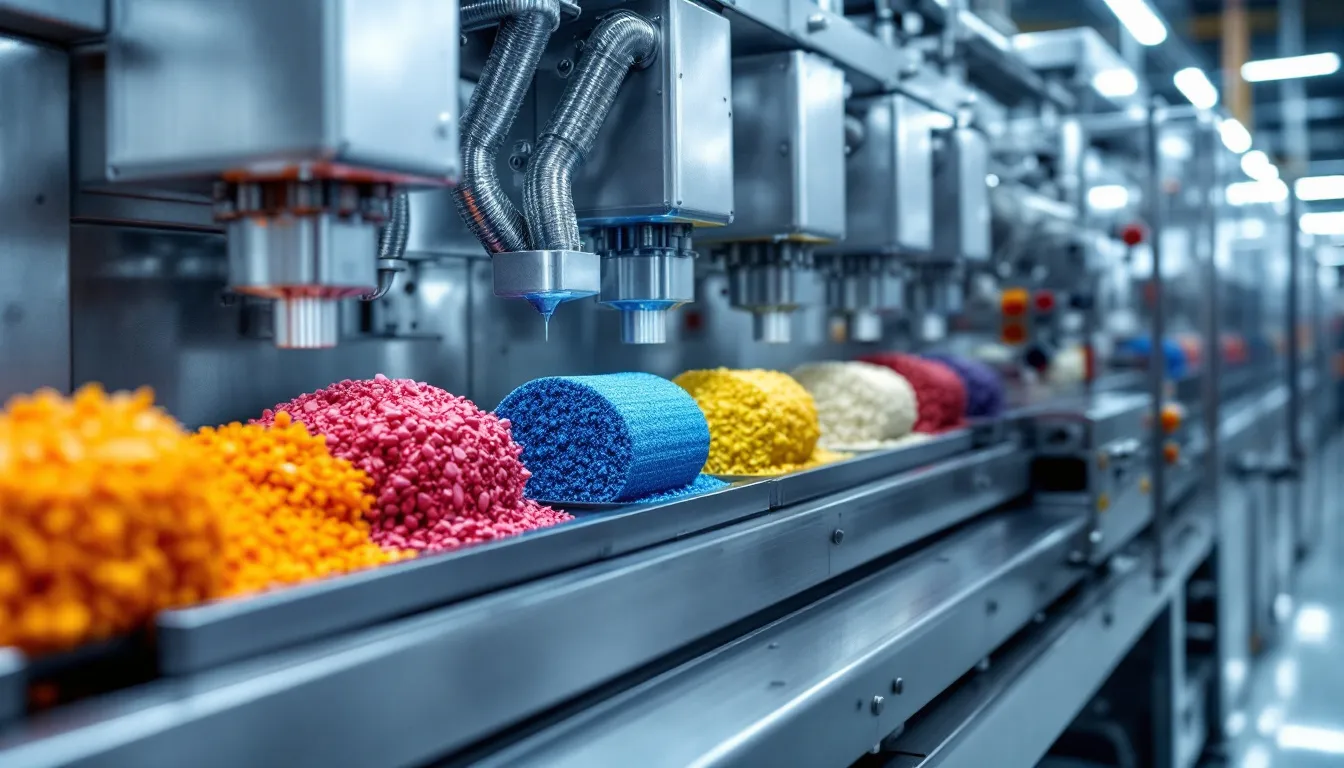
Co-extrusion technology combines multiple materials into a single product, enhancing functionality by leveraging different material properties. This process is beneficial for creating profiles that require characteristics like strength and flexibility within a single structure.
The use of multiple materials in co-extrusion can significantly improve product performance, making it a valuable technique in various industries. By combining different materials at the die stage, co-extrusion produces a cohesive structure that meets specific functional and aesthetic needs.
What is Co-Extrusion?
Co-extrusion involves extruding multiple materials simultaneously to create a cohesive structure. This technique combines different materials or multiple colors into one part, enhancing functionality and appearance. Unlike standard extrusion, co-extrusion processes multiple materials simultaneously, offering greater design flexibility.
At the die stage, the materials are combined to form a unified profile, leveraging the unique benefits of each material. This process is particularly useful for applications that require multiple layers or varying properties within a single product to combine multiple materials.
Benefits of Using Multiple Materials
Using multiple materials in a single profile offers several benefits:
- Enhances overall strength while maintaining flexibility.
- Simplifies manufacturing through co-extrusion by combining functional needs without additional assembly.
- Improves functionality.
- Offers design flexibility for custom applications.
Using multiple materials in extrusion creates products with enhanced performance characteristics, such as increased durability and improved environmental resistance. This makes co-extrusion valuable for producing high-quality, functional products.
Common Applications for Co-Extruded Profiles
Co-extruded profiles are used in various industries, including automotive interiors, retail displays, and specialty packaging. Common products include edge trims, seals, and dual-durometer items, benefiting from enhanced functionality and aesthetics.
The versatility of co-extruded profiles enhances the functionality and aesthetics of various products. From automotive trim components to window frames, these profiles offer improved options and solutions across multiple industries.
Innovations in Plastic Profile Extrusion
Recent advancements in plastic extrusion technology are enhancing production efficiency and precision. Innovations include integrating IoT devices for real-time monitoring, improving product quality and reducing downtime. These advancements are transforming the extrusion process, making it more efficient and reliable.
Sustainability is also a key focus, with practices aimed at transforming waste into valuable raw materials and shifting towards biodegradable plastics to address environmental concerns.
The integration of 3D printing with traditional extrusion techniques is another innovative solutions approach expected to create more sustainable products.
Advanced Extrusion Technologies
Automation is crucial in modern plastic profile extrusion, lowering costs, improving repeatability, and reducing lead times. IoT devices enable real-time monitoring of extrusion parameters, enhancing product quality and reducing downtime. Automated systems check temperature, pressure, and flow rate, ensuring consistency.
Innovative screw designs optimize material flow, improving product consistency and reducing energy consumption. Utilizing 3D printing for tooling design enhances flexibility, allowing quicker adaptations to project requirements.
Sustainable Practices in Extrusion
The shift towards biodegradable plastics is transforming the extrusion industry by addressing pollution concerns. Sustainable practices are crucial for mitigating the environmental impact of plastic production. Integrating 3D printing with traditional extrusion techniques is expected to create more sustainable products, reducing waste and promoting eco-friendly practices.
Adopting sustainable practices allows the extrusion industry to produce high-quality products while minimizing environmental impact. This approach benefits the environment and enhances the industry’s reputation and customer trust.
Future Trends in Plastic Profile Extrusion
Future trends in plastic profile extrusion indicate continuous evolution to meet new challenges and opportunities. Developing multilayer extrusion techniques create products with enhanced functionalities, catering to diverse needs. Digital manufacturing processes are expected to reshape extrusion, making production more customized and on-demand.
Adapting to these future trends is critical for manufacturers aiming to maintain a competitive edge. Staying ahead allows them to leverage new technologies and practices to produce innovative, high-quality products.
Quality Control in Plastic Profile Extrusion
Maintaining high standards and effective quality control is vital for successful plastic profile extrusion. Quality control ensures product integrity, functionality, and customer satisfaction. Processes like in-line printing, notching, and drilling enhance the functionality and aesthetics of extruded profiles.
Evaluating a plastic extruder’s adherence to industry standards is vital for ensuring product quality. High standards and effective quality control ensure functionality and enhance customer satisfaction and trust.
Inspection Techniques
Inspection techniques are crucial for maintaining high-quality standards in extruded profiles. Regular calibration of die setups prevents dimensional inaccuracies, ensuring precise product dimensions. Implementing degassing systems mitigates surface defects caused by trapped air pockets.
Careful monitoring and control of temperature fluctuations during extrusion are crucial for maintaining product consistency and quality. Regular maintenance and cleaning of extruders, including cooling rolls, prevent blockages from impurities or unmelted materials, ensuring smooth production.
Common Quality Issues and Solutions
Common quality issues in plastic profile extrusion include visual defects, dimensional inaccuracies, and surface imperfections. Visual inspections and dimensional measurements assess the quality of extruded profiles. Strategies to prevent issues like seal chatter include using slip-coats, blending slip-agents into seal materials, and applying flock tape or spray.
Surface treatments like painting, anodizing, and coating significantly improve the durability and visual appeal of plastic profiles, enhancing performance and longevity.
Certification and Standards
Adhering to industry certifications and standards ensures product quality and reliability for plastic profile extruders. Certifications like:
- ISO 14001:2004
- ISO/TS 16949:2009
- WBENC Demonstrate compliance with international standards, ensuring products meet customer and regulatory requirements.
These certifications enhance the credibility of plastic profile extruders and promote consumer trust.
Secondary Operations and Finishing Services
Secondary operations and finishing services improve the functionality and aesthetics of plastic profiles. Services include:
- Heat treating
- Printing
- Labeling
- Welding
- Anodizing
- Electroplating
These services enhance the durability, usability, and visual appeal of extruded profiles. Incorporating these operations allows manufacturers to produce high-quality finished products for various applications.
These additional processes enhance product performance, attractiveness, and user-friendliness, catering to specific customer requirements. Secondary operations are essential for creating customized solutions for diverse industry needs.
In-House Tooling and Fabrication
In-house tooling and fabrication are critical for the efficiency and quality of plastic profile extrusion. Manufacturers offer in-house services like design, tooling, prototyping, production processing, and secondary operations, ensuring a streamlined, cost-effective production process. In-house tooling improves quality control, reduces costs, and shortens lead times, benefiting customers significantly.
Maintaining in-house tooling and custom fabrication capabilities allows manufacturers to quickly adapt to project requirements and offer fast, timely delivery of high-quality products. This approach saves time and money for customers, enhancing production efficiency.
Surface Treatments and Coatings
Surface treatments and coatings enhance the durability, appearance, and performance of plastic profiles. Common coatings include UV protectants, antimicrobial finishes, and decorative coatings, which increase resistance to environmental factors and extend product lifespan.
Surface treatments improve the aesthetic qualities of plastic profiles, making them more visually appealing and suitable for various applications, including enhancing the surface texture.
Assembly and Packaging
Proper assembly and packaging are crucial for protecting and presenting finished product plastic products during delivery. Customized packaging solutions meet specific logistical requirements, ensuring safe transport of extruded profiles.
Components like end caps may be included with extruded products during packaging, enhancing functionality and presentation.
Industries Served by Plastic Profile Extruders
Plastic profile extrusions serve a wide range of industries, showcasing their versatility and functional benefits. The industry is projected to grow at a CAGR of 3.7% from 2022 to 2030, driven by innovations and eco-friendly materials. Co-extruded profiles are widely used in automotive trim components, window frames, and packaging solutions, highlighting their importance across various sectors.
The construction sector, in particular, employs co-extruded profiles for creating window frames and weather stripping, while the automotive industry uses them for seals and trims. Utilizing recycled materials in extrusion processes significantly reduces reliance on virgin plastics, promoting sustainable production practices and minimizing environmental impact.
Automotive Industry
Plastic profiles play a critical role in automotive manufacturing by providing essential components like seals and trims. To prevent issues like bleeding in rubber seals, manufacturers can use alternative materials such as thermoplastic vulcanizate (TPV), ensuring proper sealing and insulation.
These profiles enhance the functionality and durability of automotive components, contributing to the overall performance and safety of vehicles.
Construction and Building Materials
In the construction sector, plastic profiles are crucial for creating window frames, pipe systems, and insulation materials. Their lightweight nature makes them easier to transport and install compared to traditional materials, providing energy efficiency and cost-effectiveness. Additionally, flexible pvc pipes are often used in these applications for their durability and versatility, making them an excellent choice for various plastic material needs.
Plastic extrusions are also essential for making roofing components and trim, enhancing the structural integrity and aesthetic appeal of buildings.
Consumer Goods and Electronics
The versatility of plastic profiles allows manufacturers to create a wide range of products, from household items to complex electronic devices. Consumer goods such as kitchenware and sporting goods often incorporate plastic extrusions in their design, leveraging their functional and aesthetic benefits.
In consumer electronics, plastic profiles are used for components like protective casings and structural supports, highlighting their importance in this sector.
Choosing the Right Plastic Profile Extruder
Choosing the right plastic profile extruder is crucial for ensuring high-quality outcomes and meeting specific production needs. When selecting an extruder, consider the following factors:
- Reliability
- Capacity
- Specialized services to meet your requirements
- The company’s experience in the industry, which provides insights into their reliability and capability to fulfill your needs
Prioritize companies with a strong track record of successful production and customer satisfaction. Consider the following factors to determine if they are the right fit for your project:
- Assess their capabilities
- Evaluate their customer service and support
- Ensure effective communication throughout the project
- Confirm availability of technical support to address any issues
These elements are essential for ensuring optimal product performance and addressing any issues that may arise.
Assessing Capabilities and Experience
Evaluating an extruder’s capabilities and experience is crucial for ensuring high-quality production of plastic profiles. Experience in handling complex challenges can indicate a manufacturer’s ability to produce specialized profiles, making it an important consideration when selecting an extruder.
Assessing their manufacturing experience and past projects can provide valuable insights into their expertise and reliability.
Evaluating Customer Service and Support
Excellent customer service and structural support are vital for successful extrusion projects. Integrating customer service, technical support, and communication leads to increased efficiency and satisfaction, fostering trust and building long-term relationships between the extrusion provider, clients, and the engineering team.
Effective communication throughout the project allows for adjustments and improvements based on feedback, enhancing overall project outcomes.
Requesting Quotes and Samples
Requesting samples from a plastic profile extruder can help assess the quality of their products before making larger commitments. When requesting quotes, providing detailed specifications ensures accurate estimates from the extruder, allowing for better planning and budgeting.
Evaluating quotes and samples helps in making informed decisions, ensuring you choose the right extruder for your needs.
In general
In general, understanding the intricacies of plastic profile extrusion, from the basic processes to advanced innovations and quality control, is essential for leveraging its full potential. Custom plastic extrusions, co-extrusion, and secondary operations offer tailored solutions that enhance product performance and efficiency. By selecting the right extruder, businesses can ensure high-quality outcomes and meet specific production needs. Embracing these insights will empower you to make informed decisions and achieve success in your extrusion projects.
]]>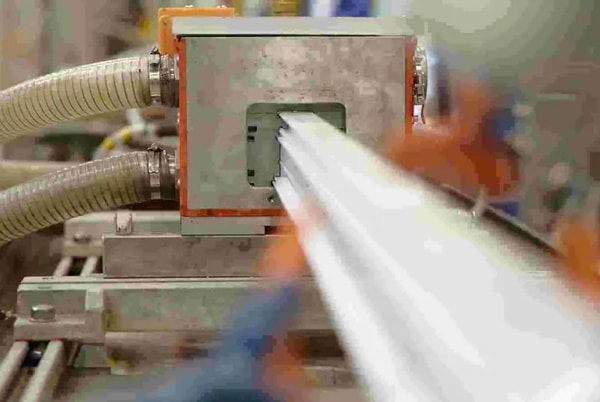
1) What is the Reason Behind China’s Popularity for Plastic Extruders?
China’s plastic extruder manufacturing industries provide rapid refinement of machinery while keeping costs low. Whether launching a new product or scaling business operations, China’s extrusions provide unmatched performance and value.
- Advanced Manufacturing at Lower Costs
China’s plastic industry factories offer powerful machines and equipment at a lower cost compared to the US and Europe. Their use of sophisticated supply chains and mass production makes them offer unrivalled value for their equipment.
- Innovation Backed by R&D
Leadership in various machinery co ltd sectors improves the China plastic extruder design, like screw design, smart controls, and heater efficiency. It is all done by working with universities, funded research labs, and tech.

- Scope and Flexibility
China has it all, from lab scale to industrial extruders, even to sheets, pipes, and films, including biodegradable options. Moreover, machines can be tailored for your specific application, from screw diameter to output rate and even system size.
- Reputation and Readiness for Exports
Ensured quality providers have CE, UL, and ISO compliance. Another good thing is that reliable suppliers are familiar with shipping, handling, and serving documentation and certification demands for international clientele.
- Immediate Client Servicing and shipping
Staff who speak English, combined with virtual site visits and expedited shipping, mean timely servicing and seamless interaction. Contact and parts are delivered and replenished in days.

- Case In Point
- A Brazilian company implemented a Chinese PET sheet production line for food packaging in 27 days.
- An Indian company that had just started took on a Chinese PLA film extruder to produce compostable bags.
2) Kinds of Plastic Extruders You Can Source from China
China’s extrusion plastic industry has a wealth of machines to meet various types of production requirements. Single screw extruders, custom single screw extruders, and twin screw extruders are the most common ones. Here’s a comparison between the two.
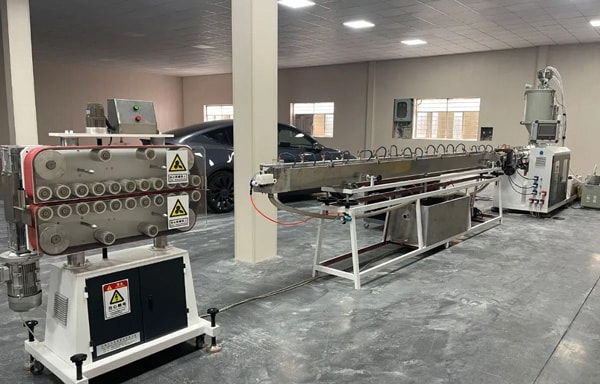
i) Twin Screw Extruders
Complex tasks requiring extensive processing, as well as output and blending of the material, are best served with twin screw extruders. Chinese manufacturers have refined these machines to handle applications such as:
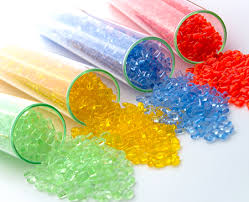
- Plastic granulation with additives or color masterbatch
- Producing multi-layered films and sheets
- Pipe and profile extrusion
- Biodegradable and other specialty blends
- Why choose them?
Their performance in mixing and blending various materials is unmatched, along with high melt quality. Chinese twin-screw extruders with a torque rating of 14 Nm/cm³ and speeds of 1800 RPM offer unrivalled performance.
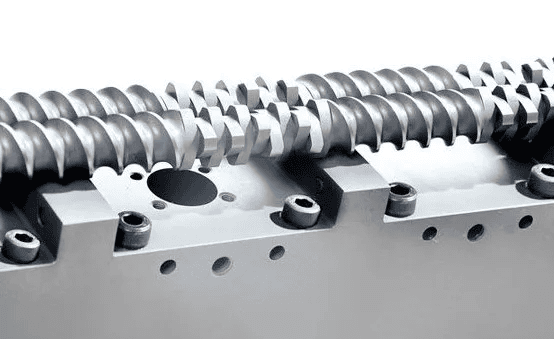
ii) Custom Single Screw Extruders
Single screw extruders are less complicated and more suited for simpler projects with minimal mixing requirements. Chinese suppliers offer custom designs tailored to your desired material, output, and budget. Their applications include:
- Cable sheathing
- Small-diameter tubing
- Basic profiles and 3D printing filament
- Why choose them?
They are more affordable, have low operational and maintenance demands, and are best for low to mid-volume production.
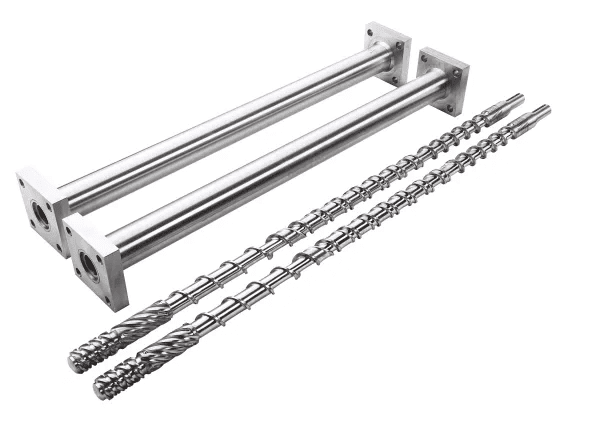
Which Should You Choose?
- Opt for twin screw extruders if you’re dealing with multi-component materials or require high throughput.
- A single screw is ideal if your focus is on simple thermoplastics and if you prefer less complexity during setup.
You can fully customise your machine on whichever model you prefer with China’s vast sourcing capabilities.
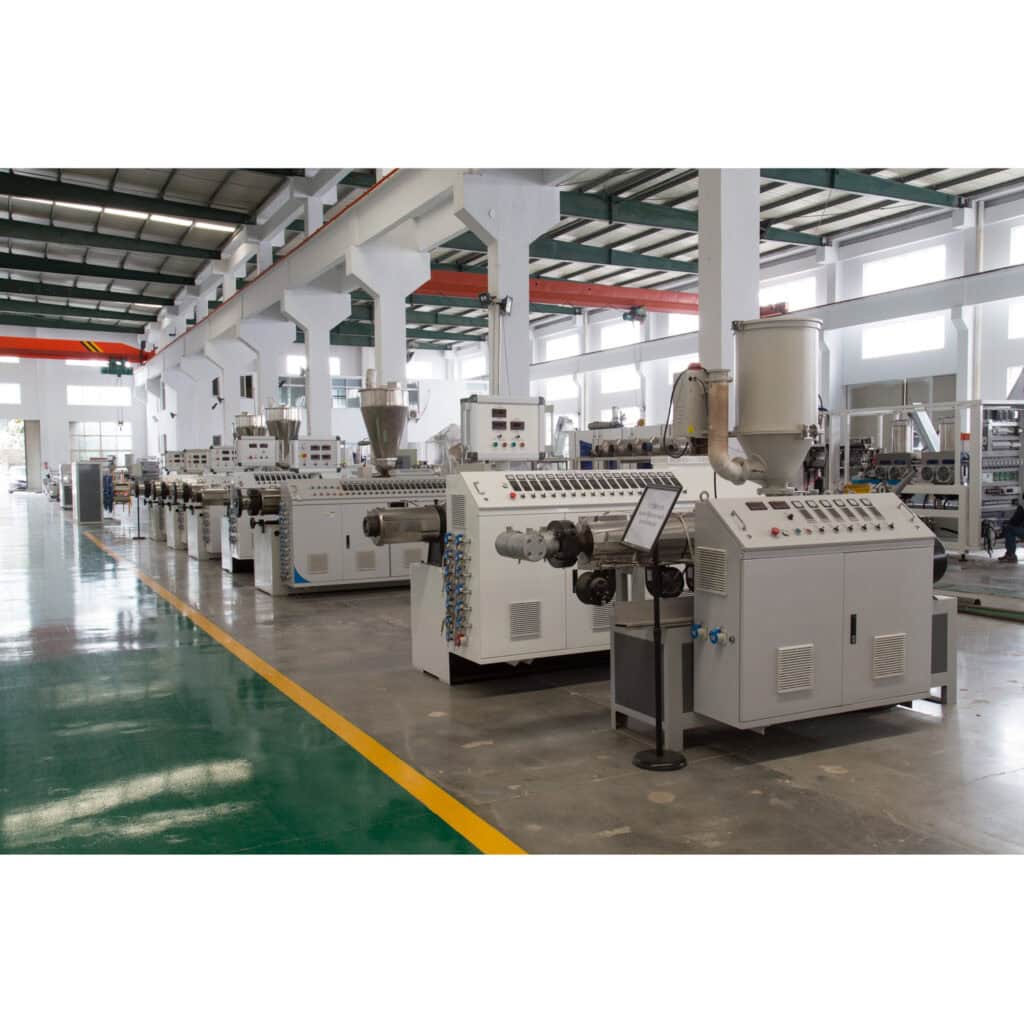
3) Specialized Plastic Extrusion Lines
China is not just a supplier for general-purpose extruders, but is also a provider for industry-specific turnkey project extrusion lines designed with precision for performance, quality, and speed. Here are some solutions from top Chinese sellers:
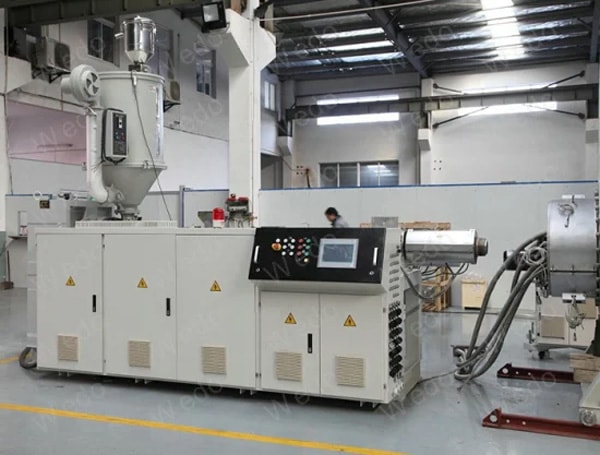
a) PPR Pipe Production
These machines manufacture 3-layer PPR pipes with a fibreglass middle layer that enhances the strength and thermal resistance of the pipes. Their dust-free cutting systems provide seamless edges that minimise the need for post-processing, making them ideal for plumbing and heating systems.
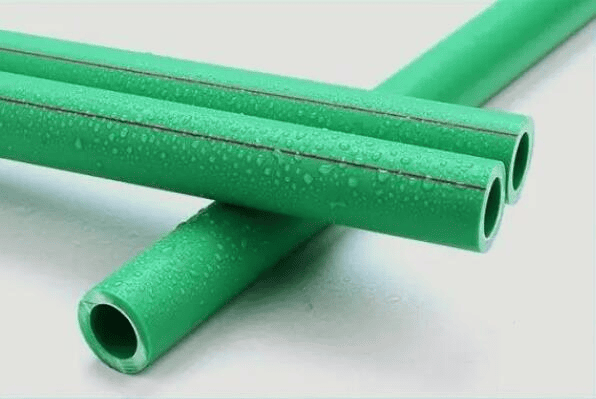
b) Dip Tube Manufacturing
Dip tubes are used in spray and pump bottles. Chinese dip tube extruders work with thermoplastic elastomers and feature angle cuts to avoid leakage and blockage.
c) PVC Braided Hose Lines
These PVC extruder lines possess high tenacity polyester yarn-embedded inner and outer PVC layers. This results in a flexible and strong hose used in construction and appliances, and in gardening. Bonding excels in enhancing integrity and clarity.
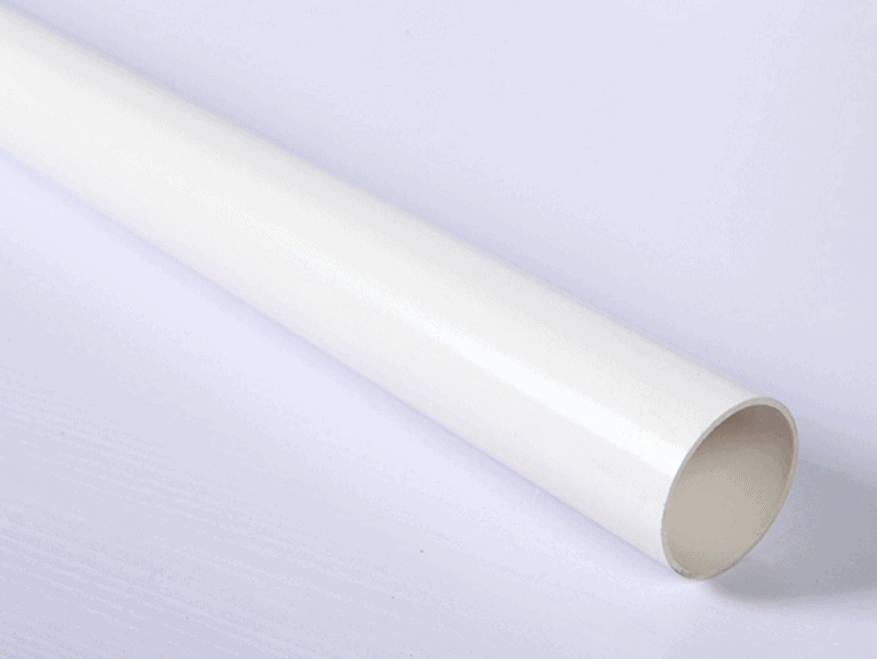
d) Multi-Color Shower Hose Extrusion
These lines produce multi-colour glossy shower hoses for sanitary products employing heat-transfer coating and EU-compliant colour sheets for an appealing and safe finish.
e) PC/PMMA Profiles for LED Covers
These extruders develop optical-grade LED profiles for lighting. Co-extrusion latest technology, permits amalgamating PC and PMMA for UV resistance, clarity, and structural integrity.
f) TPE Elastic Strip Extrusion
These lines produce strips used in packaging, seals, and wearable technology. Thicker uniform strips are achieved with calibrated cooling rollers, tight thickness control, and flexibility.
Most of these extrusion lines are modular units and turnkey systems, designed to fit the client’s requirements.
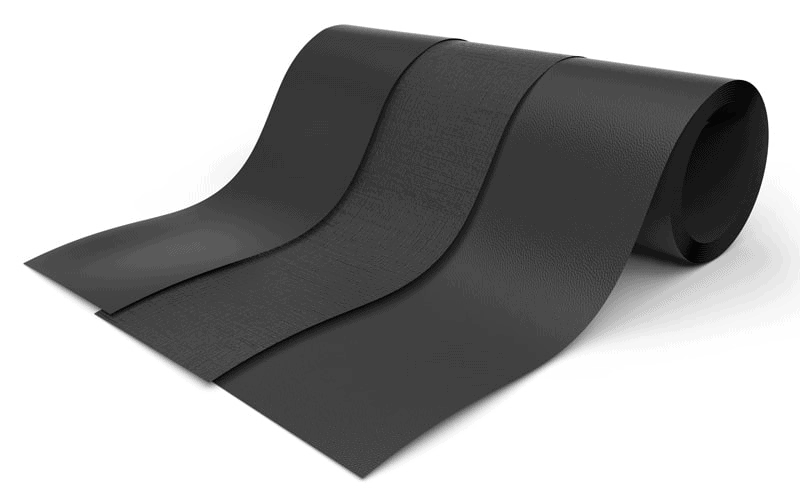
4) Advancements in Technology and Smart Control
With the aid of global supply chains and innovation programs, China’s plastic extrusion machine industry is successfully competing with European companies in several critical areas due to its extensive experience. Now, Chinese manufacturers can produce extruders that are on par with European systems.
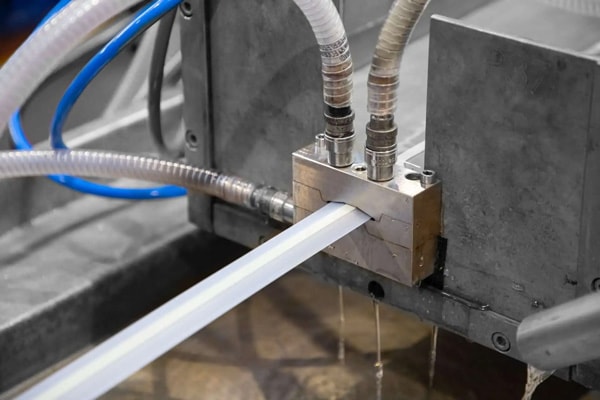
Modular Configuration of Chinese Extruders
Today’s Chinese Extruding Machinery co ltd is modular, enabling users to select feeder systems and die heads, screws, and barrels of varying lengths. This drastically lowers the chances of underperformance during production and expedites development time.
In addition, many of the essential parts that are important for reliability, such as control systems, motors, and even gearboxes, are integrated from top international manufacturers.

Smart Control Systems
No doubt, the evolution of artificial intelligence is occurring at a rapid pace. A number of Chinese equipment now includes smart features such as real-time fault monitoring, automated process supervision, and smart temperature regulators. These functions enhance stability, lessen manual mistakes, and minimise waste. Even some systems are capable of cloud-based remote diagnostics, too.
Alright, China now serves as more than just a cost-effective manufacturing option, as the country has become an innovation centre. Chinese extruders are positioned as forward-looking options for manufacturers who need smart technology, adaptability, and operational performance.

5) How Faygo Union Supports Your Plastic Extrusion Projects
It is essential to assess your design, material, and process validation before you are fully committed to a complete extrusion line. This is where Faygoplas can strategically help you. We are among the foremost rapid prototyping and low-volume manufacturing firms established in China, with extensive experience.
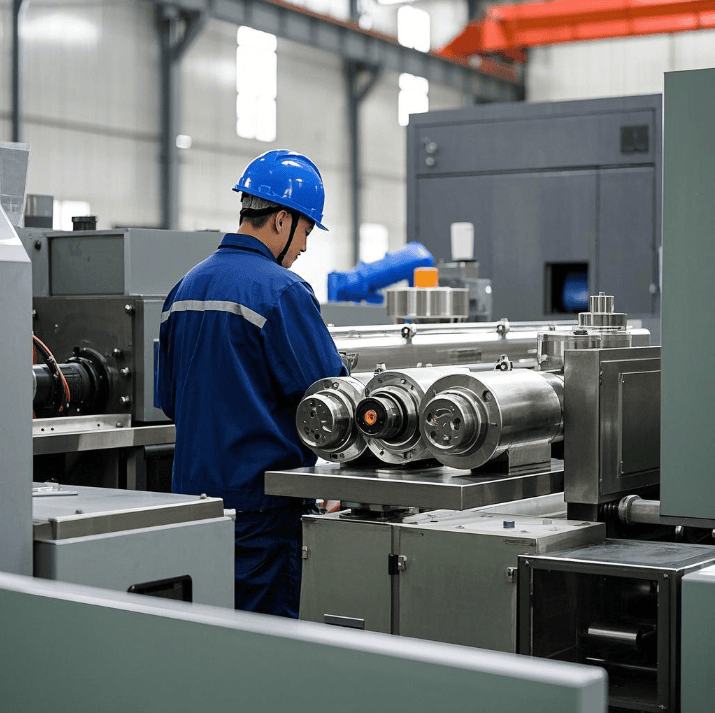
We help as a backbone in the transition from concept to production, which helps manufacturers scale up with certainty.
- Rapid Prototyping for Dies and Parts
Faygoplas helps in testing new extrusion shapes and custom profiles with remarkable precision to prototype the dies with the aid of CNC machining and 3D printing for nozzles, fittings, and end-use components. This helps you assess how the plastic will act in real-world plastic extrusion scenarios prior to any tooling expenditure.
- Design and short-run Faygoplas feedback sessions
At Faygoplas, we always make an effort to delve deeper than simply building what you send us. Well, every submission undergoes CAD file inspection to uncover potential weak points, material flow issues, and overall, any concerning tolerances.
To make it better, you get feedback and suggestions from seasoned engineers experienced with various industries and extrusion setups, allowing you to sidestep costly blunders.
- Short-run Production for Feasibility Testing
Do you need to test a product for market acceptance, product durability, or any other test? At Faygoplas, our mission includes conducting small batch productions that allow you to test products along their full life cycles. You can also replicate extrusion behaviour to work on packaging, fit, or function without running an entire production line.
- Minimising Investment Risk, Faygoplas Approach
With us, there’s no lasting investment to be made in custom extruders or permanent molds. We take an iterative method by allowing you to refine, improve, and test your extrusion concept. This is a great option for startups, R and D departments, along with any product teams looking to test new formulations or designs.
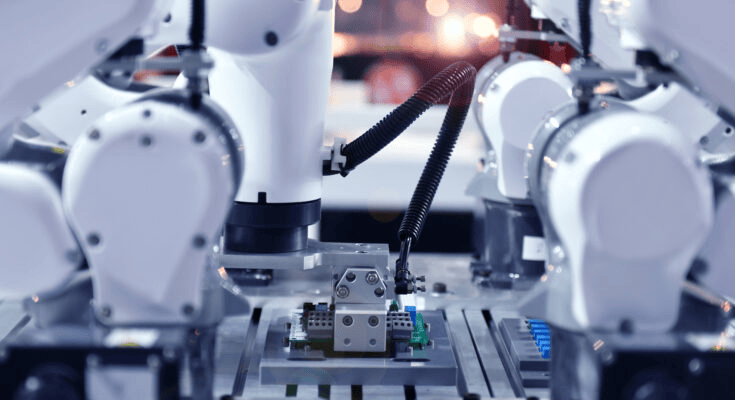
- Real Customer Experiences
Good to share that clients who worked with professional Chinese plastic Extruder firms have cited the use of their machines for decades, along with their customer service. Clients emphasised that the high service responsiveness, low downtimes, and stable output quality all contributed to the enduring use of the machines.
Others praise the speed of contact response and replacement part sales. Faygoplas’s employees are often credited for offering feedback that reduced errors in early-stage granulation and product validation.
Conclusion
China, in particular the Jiangsu province and Zhejiang provinces, is the largest producer of plastic extruders in the world. Their manufacturers are well-equipped, at industry-competitive pricing, and leverage modern technology.
With trusted suppliers and industry leaders like Faygoplas, China’s plastic industry advantages are ready to be explored, assuring that you’re supported throughout the manufacturing process. You can contact us right now!
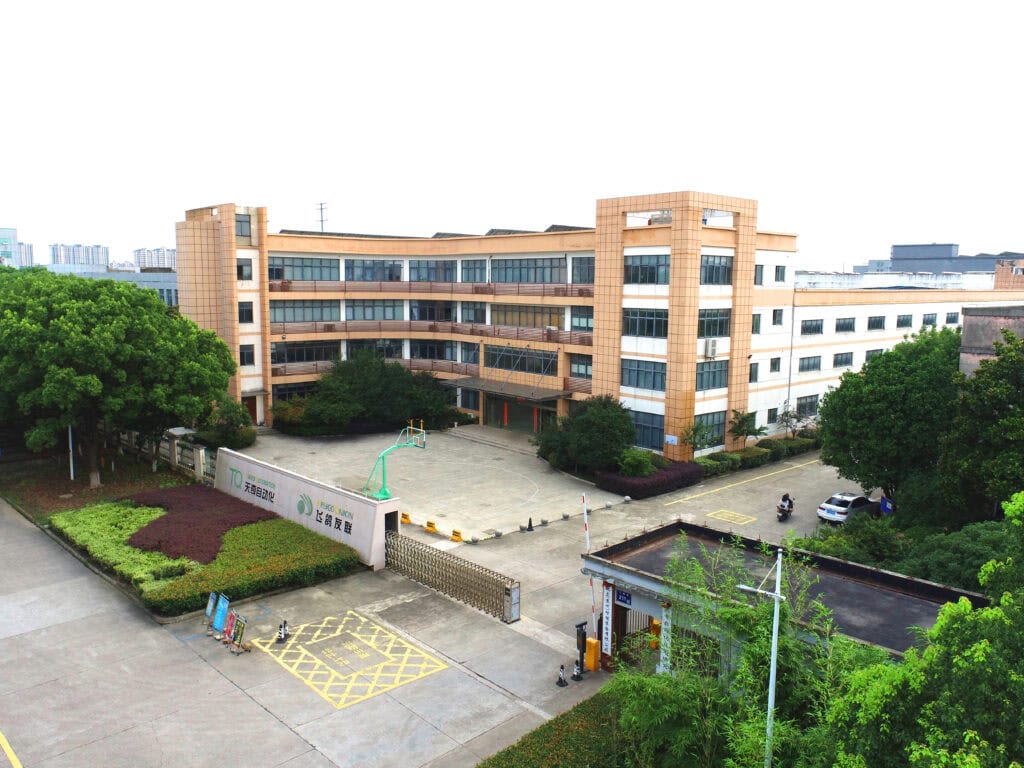
Moreover, in today’s fast-moving plastic processing era, modern extrusion technology produces very efficient, cost-effective and durable products. In this blog, you will explore what a sheet extruder machine is, its working principle, types and industrial use, and some more points. So, stay connected!
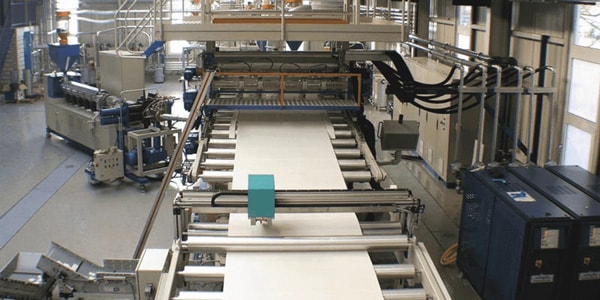
1) What Is a Sheet Extruder Machine?
“A sheet extruder machine is an industrial machine designed to manufacture flat plastic sheets by melting raw plastic materials such as pellets or granules, then forcing the melted plastic through a flat die.”
Well, solid plastic pellets are used in machines, and then heat and pressure are applied through a flat die to form a desired product. However, this mechanism generates plastic sheets which are smooth and uniform in thickness, and they can be further processed by cutting and shaping.
Common Plastic Materials Used
In these machines, materials are used, such as PVC, PET, and polyethene. You know each of these has different characteristics: some are strong, some are flexible, some are clear, and others are opaque.
Why It Matters
If you are a manufacturer of automotive parts, curtain walls or food products, or you are a product designer, you have to know that sheet extruder machines tend to produce reliable, quality and cost-saving products. Thus, these plastic extruder machines save you time and resources when you are in need of strong and flexible materials.
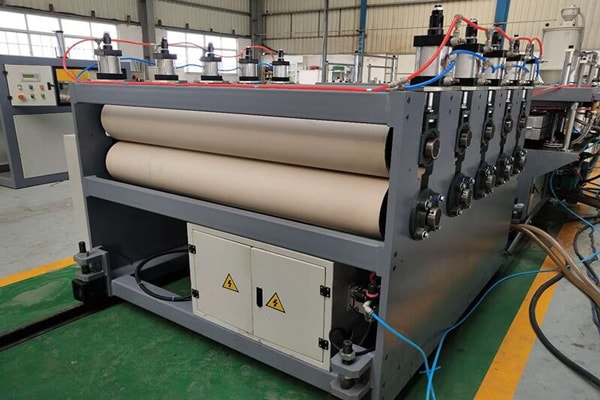
2) Key Components of a Sheet Extruder Machine
Honestly speaking, if you know the key components of a sheet extruder machine, then you will easily understand how this machine functions properly. Let’s discuss key components of this machine, so get in touch!
i) Hopper
Well, the process begins in the hopper, which stores the raw plastic and gradually releases it while preventing backups.
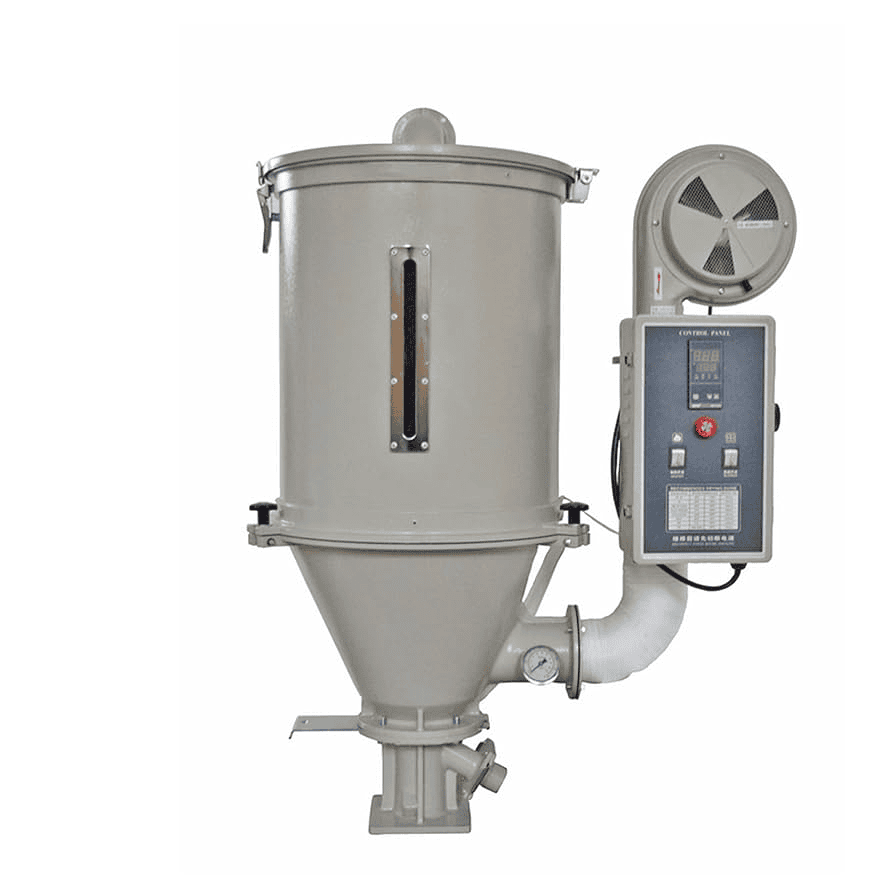
ii) Screw and Barrel
Most importantly, the component of the extruder machine which does the heavy work is the screw and barrel. However, they heat, mix and ‘push’ the plastic forward, which is also where the plastic solids begin the melting process. Moreover, there are variety of screw diameters that are used to control the melting rate and flow of material.

iii) Compression Section
Another significant component is the compression section. While the plastic is trying to move forward, the compression section gradually increases its pressure. This is done to maintain an even melting state and to prepare the plastic for the next phase. Furthermore, this section is important to handle the complex shapes.
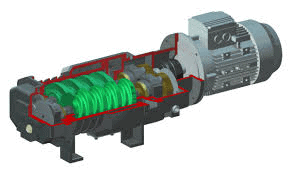
iv) Outlet/Die
Significantly, the die component is referred to as the forming tool. However, the products of specific shapes are formed like the plastic into a broad, thin sheet. Thus, this part finalises the end width, thickness and customization options for your product.
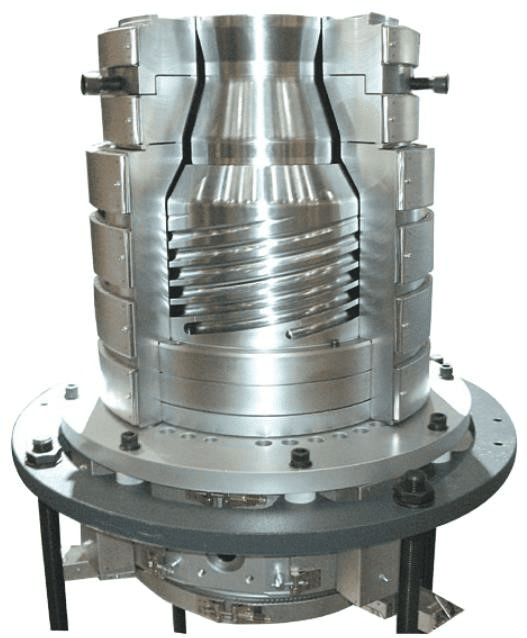
v) Cooling System
The system of cooling rollers cools the sheet, bringing it to a solid state while providing a strong form. Such a step is important in keeping the desired shape after cooling. Thus, this system is important for film extrusion.
vi) Drive System
Lastly, the virtually mechanical part of the system allows the screw to rotate while also controlling its speed. Such a factor impacts the system’s speed as well as the quality of the final product.
To put this discussion together, all the components contribute to the reliability, efficiency, and importance of sheet extruder machines in the production of plastic sheets.
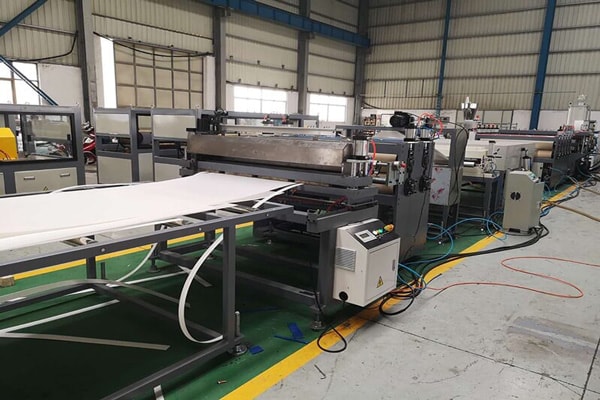
3) Working Principle of Sheet Extruder Machines
Alright! The working principle is the heart of this blog. Let’s talk about how sheet extruder machines convert raw material into fine plastic. It seems difficult, but it is too easy a working principle:
Step 1) Feeding and Melting
The first and foremost step is that the plastic pellets are fed into the hopper. The hopper then introduces them to a rotating screw that’s located in a heated barrel. Through the rotation, the screw pushes the plastic forward, and simultaneously heat melts it.
Then, the screw creates friction, which in turn speeds up the melting process. At this stage, you can also add colour and other custom materials to the plastic.
Step 2) Shaping the Sheet
After the plastic is melted, it converts into a flat die. Well, the die is the heart of the extrusion machine since it gives the plastic its shape, width, and thickness. Then, a pure plastic is produced from the die in a single, continuous and uniform strip.
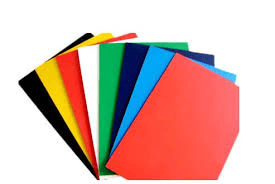
Step 3) Cooling and Solidifying
Subsequently, the hot plastic sheets cool down. However, they are either cooled via rollers or exposed to air or water, which helps them harden in a uniform manner.
Step 4) Cutting and Finishing
Lastly, the sheet is cut into the required sizes. After the cut, it can either be used in the current step or further processed in subsequent steps. Then, it is okay to use for automotive parts, architectural profiles or food processing sectors.
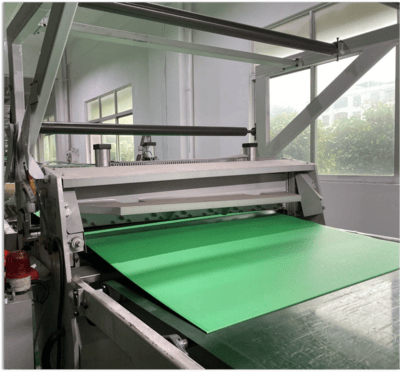
4) Types of Sheet Extruder Machines
You know different tasks are done with different types of sheet extruder machines. Let’s discuss the three major types and describe each individually.
i) Single-Screw Extruders
Well, single-screw extruders are the oldest and most basic types of extruding machines. However, single screw extrusion machines utilise one screw to convey and melt the plastic. The good thing is that this type is well-suited for basic operations, such as manufacturing simple plastic sheets.
Moreover, this model is inexpensive, reliable, and trouble-free to service and is suited for operations that do not have specialised requirements.
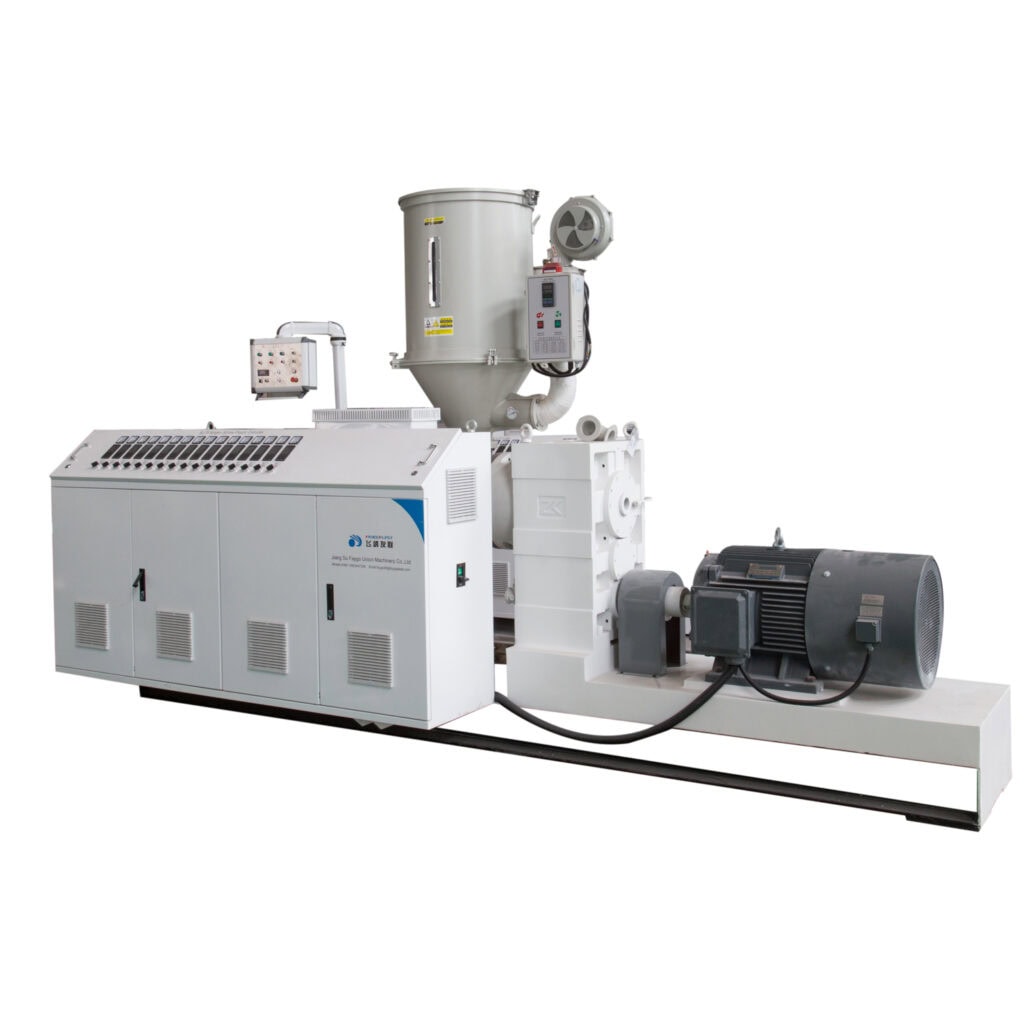
ii) Twin-Screw Extruders
Twin screw extrusion machines are best for greater control of the process and better mixing. They utilise two screws, and both rotate in the same direction.
Moreover, this configuration provides better mixing, which makes it ideal for operations involving fillers, additives, or colour changes. Thus, It is suitable for advanced customised sheet production.
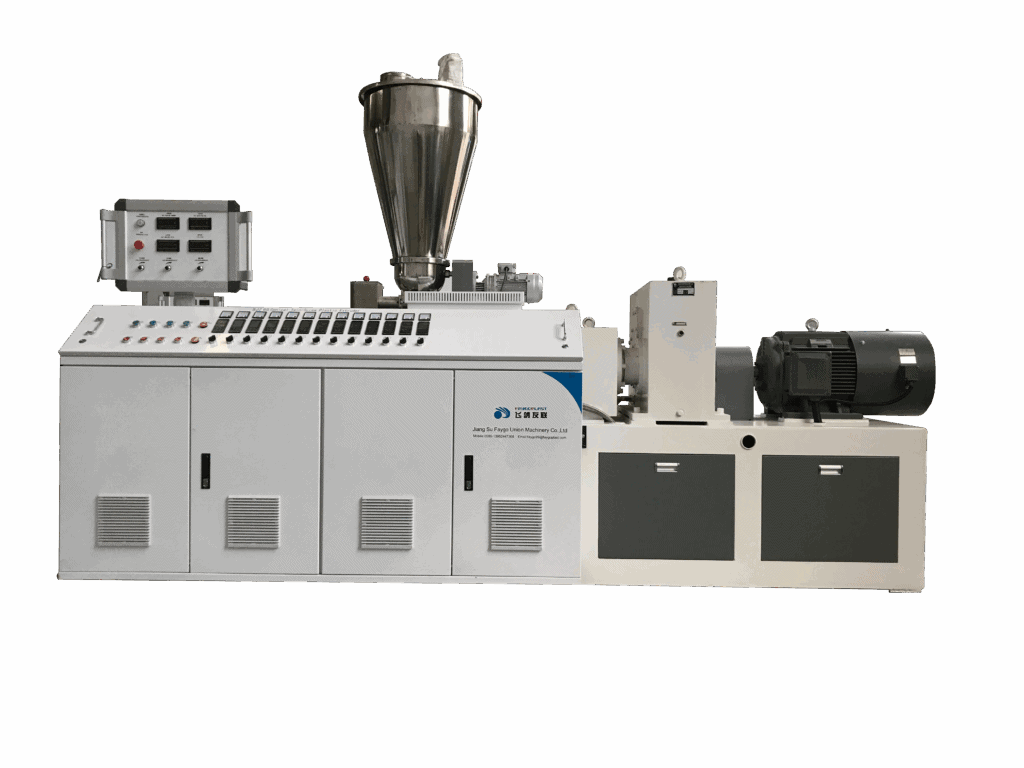
iii) Series Extrusion Machines
Lastly, the series extrusion machines are used more often when the raw material is partially processed. For example, they can convert extruded foam melts into finished sheets like PE foam. This is a convenient method, as it reduces environmental impact and material recycling is possible.
To put it simply, each type of sheet extrusion machine is designed for a particular function. Thus, the right selection is made for the machine based on the material and the intended use.
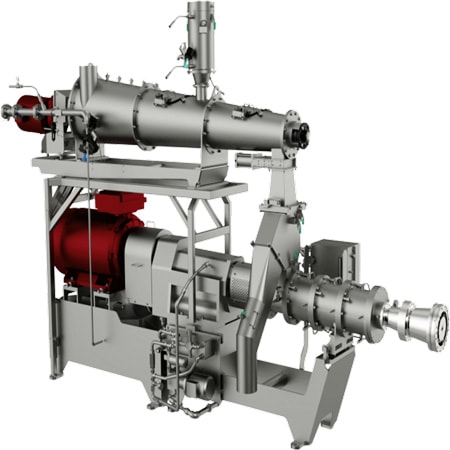
5) Applications of Sheet Extruder Machines
Alright! Sheet extruder machines have a wide variety of applications in the industry. The broad use of such machines is due to their ability to manufacture strong and smooth sheets for various purposes. Let’s talk about some applications:
- Plastic Industry
Most importantly, these machines are made for the production of plastic sheets for packaging as well as construction materials and thermoformed products. Moreover, they are applicable in food containers and trays, as well as wall panels. Furthermore, they are useful for fast and reliable production of uniform, excellent products.
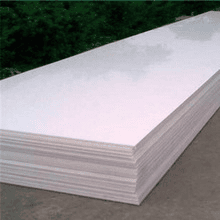
- Foam Production
Significantly, in the manufacturing of foam, especially PE foam sheets, plastic extrusion machines are very important. You know, in series extrusion machine processes, the foam melts into sheets that are light and flexible and used for padding and insulation, among other things.
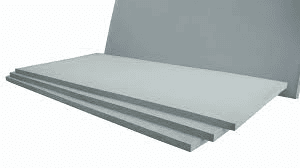
- Medical and Technical Uses
Another application of this machine is in medical and technical uses. Well, certain industries require uniform and exact dimensions for the sheets.
You know accuracy is very important for the manufacturing of medical and laboratory equipment. Thus, plastics which are required for medical and technical use should be clean, high-grade plastics. Thus, these machines provide the precision needed for such applications.
In simple words, sheet extruder machines simplify production processes from everyday packaging to more complex technical tools, making them easier, faster, and more efficient.
6) Advantages of Using Sheet Extruder Machines
Well, there are several advantages when using sheet extruder machines in your production processes. Now, let’s explore the key reasons that enhance efficiency.
+ Fast and Cost-Effective: Well, the first and foremost advantage of using a sheet extruder machine is that they are fast and cost-effective. It is because it allows the production of large quantities of plastic sheets in a shorter amount of time. Moreover, this reduces the amount of time and money spent, especially for bulk orders.

+ Consistent Quality: Most importantly, uniform consistency is achieved when every sheet is produced with the same thickness and smooth finish. Thus, this results in fewer errors, making the production more efficient while improving waste management.
+ Flexible and Versatile: Sheet extruder machines are able to work with a broad variety of materials, including PET, PVC, and PE. Therefore, this makes it easier to produce packaging, foam, or even parts for industrial machinery.
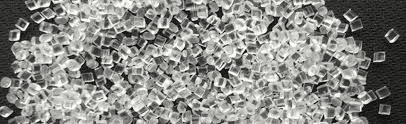
+ Easy to Automate: Finally, fewer delays and a less manual workload make it easier to use these machines with automated systems. Thus, this helps with running longer workloads without constant monitoring.
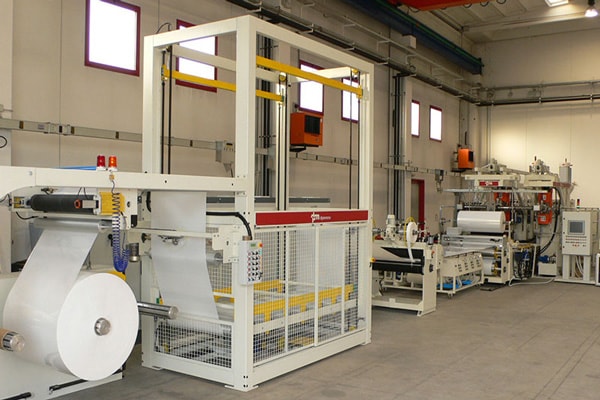
7) Challenges and Solutions
To be honest, even though these machines are very productive, they may present some challenges. The good news is that the solutions to these challenges are often very simple and straightforward. Let’s start the discussion:
! Screw Wear: The screw of an extruder machine may wear out with time. Then, this may affect mixing and flow. Therefore, regular washing and preventative maintenance are very important; they help smooth operations.
! Material Degradation: Keep in mind, excessive temperature may cause burning or degradation of quality. Therefore, precise temperature control helps maintain these materials.
! Feeding Blockages: You have to know that material may sometimes assemble in the feeding section. This is most likely to occur with an insufficiently warm temperature or insufficiently consistent feed. Thus, appropriate feeding temperature and regulation of consistent flow may help eliminate these risks.
! Uneven Sheet Thickness: Lastly, if the final sheet is not as smooth as desired, the sheet calibration requires further adjustments. Such systems enhance quality in real time and thus provide automated monitoring and adjustment while actively enhancing the process.
8) Faygo Union’s Custom Plastic Extrusion Services
Alright! Faygo Union provides reliable and custom extrusion services to help maintain extrusion specifications with quality and accuracy in focus. Let’s dive into the discussion:
- Expert Material Handling
First, plastic extrusion and aluminium profiles are our specialisation. You provide the design, and we help shape it into a custom part.
- Fast Prototyping & Short Runs
Significantly, fast production of prototypes and small quantities is done with modern machinery. Such rapid manufacturing enables testing and refining designs within days.
- Precision & Quality
In addition to the initial inspection, a thorough examination is performed on every component. The checks performed guarantee that the shape, size, and strength of the parts function perfectly for your requirements.
- Complete Support
In addition, we walk you through the steps of material selection and process configuration. This helps in obtaining the exact part needed for the project.
To be honest, Faygo Union has over two decade of experience and has completed over thirty thousand custom projects. Our blend of speed and quality, along with exceptional customer support, makes us a preferred provider of plastic extrusion equipment.
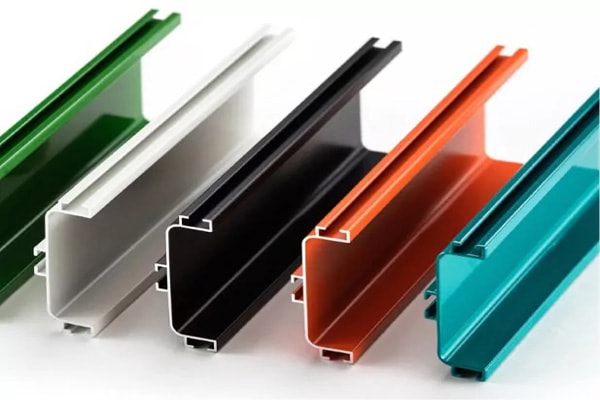
9) Conclusion
Alright! The importance of sheet extruder machines in manufacturing high-quality plastic sheets for different industries cannot be overlooked. The capability of achieving consistent output and the ability to shift to different materials make them indispensable in modern manufacturing.
However, if your priority is efficiency, safety and sustainability, then your production becomes future-ready. For those wanting to change their sheet extrusion process, Faygo Union provides excellent custom extrusion services with fast response times and good precision. Thus, Faygo Union will be a valuable partner for reliable and efficient sheet extrusion.
You can contact us right now by clicking here.
]]>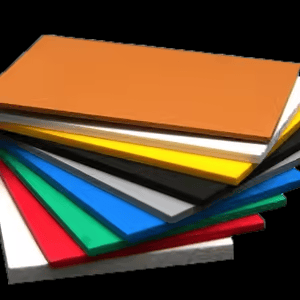
Plastic sheet extruders are vital for producing high-quality sheets used in various industries, including packaging, automotive, and medical devices.
Key components of plastic sheet extrusion machines include the extruder, sheet die, and cooling system, each playing a crucial role in ensuring efficient production and quality output.
Choosing the right materials, understanding processing parameters, and regular maintenance are essential for optimizing the plastic sheet extrusion process and achieving consistent, high-quality results.
What is Plastic Sheet Extruders
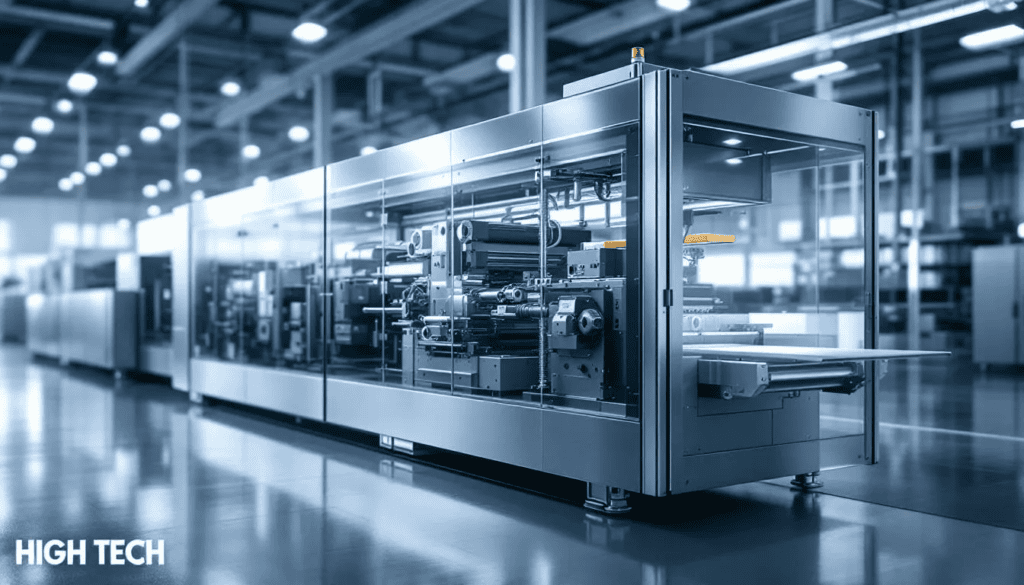
Plastic sheet extruders are pivotal in the manufacturing landscape, playing a crucial role in producing plastic sheets essential in various industries. These machines ensure high efficiency and quality, making them indispensable in applications ranging from packaging to construction.
With components like the extruder, sheet die, and cooling system, plastic sheet extrusion machinery transforms raw plastic materials into finished products with remarkable consistency and precision. Gaining insights into these machines’ operations and varieties helps appreciate their significance.
How Plastic Sheet Extruders Work
Plastic sheet extrusion starts with:
Raw plastic materials fed into a heated barrel.
Materials moving through the barrel and melting into a viscous liquid.
The viscous liquid being pushed through a sheet die, forming continuous sheets.
Once shaped, the extruded plastic sheets are rapidly cooled and solidified. This process not only allows for the production of thin films but also thicker sheets used in automotive and construction industries.
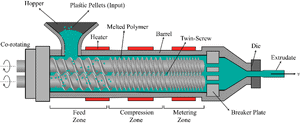
Types of Plastic Sheet Extruders
Plastic sheet extrusion machines come in two primary types: single-screw and twin-screw extruders. Single-screw extruders are widely used for general-purpose applications due to their simplicity and reliability.
Twin-screw extruders, on the other hand, offer enhanced mixing and compounding capabilities, making them ideal for more complex and high-quality plastic sheets. Both types play significant roles in producing various plastic products, ensuring the right machine is used for the right application.
Key Components of Plastic Sheet Extrusion Machines
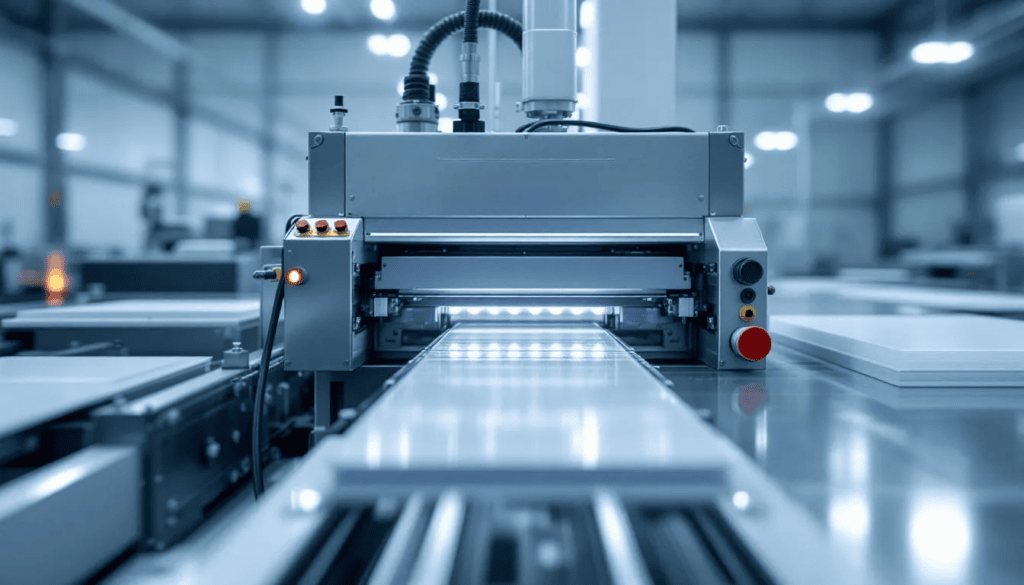
Understanding the key components of plastic sheet extrusion machines is essential for grasping how they function. These machines comprise several critical parts, including the extruder, sheet die, and cooling system. Each component plays a unique role in ensuring efficient production and high-quality output.
The extruder melts and homogenizes the plastic, the sheet die form it into thin sheets, and the cooling system quickly solidifies them to ensure precision and consistency.
The Extruder
The extruder is the heart of the plastic sheet extrusion machine. It melts and homogenizes the plastic materials using a heated cylinder and a rotating screw. Production capacity for these machines is often measured in kilograms or pounds per hour, and this capacity can vary significantly based on the model and design of the extruder.
Grasping the extruder’s role is key to maintaining the efficiency and output of the extrusion process.
Sheet Die
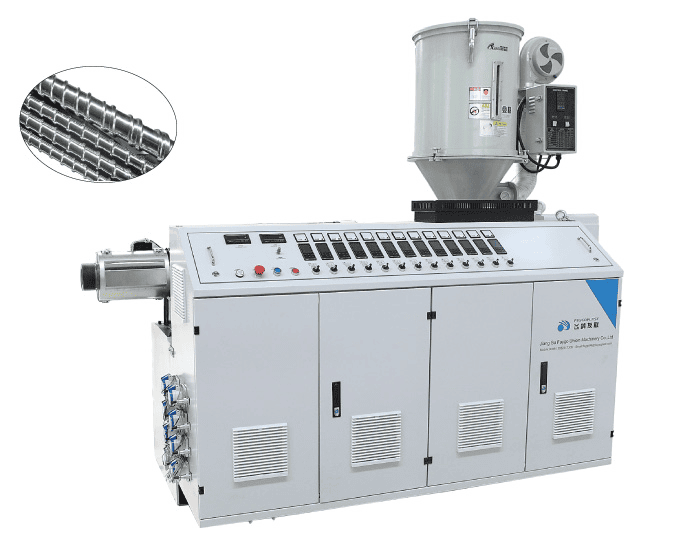
The sheet die is a critical component that shapes the molten plastic into uniformly thick sheets and thin sheet. Precision engineering in the sheet die guarantees consistent thickness and surface quality of the extruded sheets.
The sheet die regulates the width and thickness, playing a fundamental role in producing high-quality, uniformly extruded plastic sheets.
Cooling System
The cooling system quickly solidifies the extruded sheets, maintaining their shape and precision. This phase rapidly reduces the temperature of the extruded material using various methods such as water and air, allowing the process to extrude efficiently.
Strategically located cooling roll ers provide even cooling, preventing deformation and ensuring the final product meets its specifications.
Materials Used in Plastic Sheet Extrusion
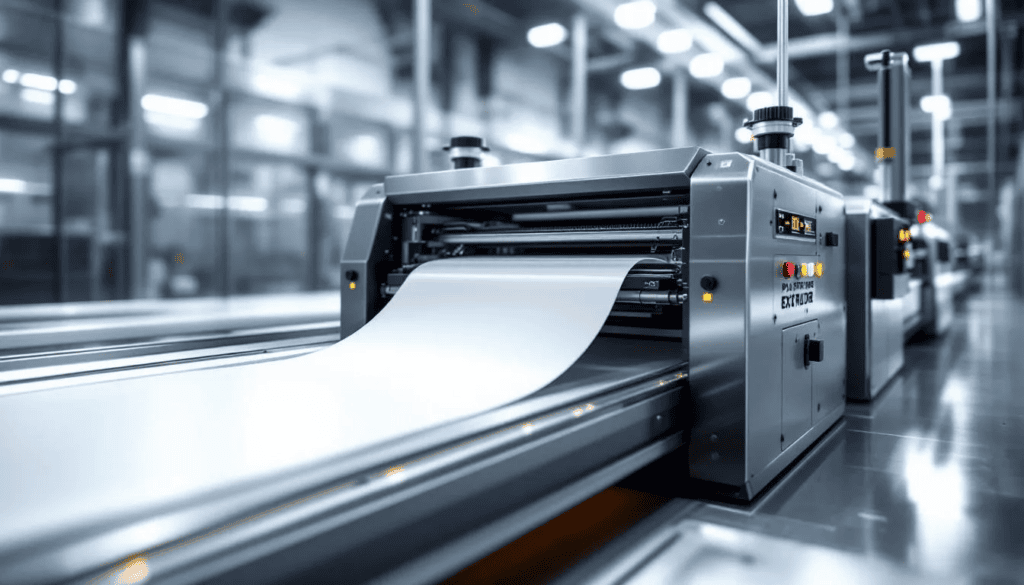
Selecting the right materials is crucial in the plastic sheet extrusion process. Commonly used materials include Polyethylene (PE), Polypropylene (PP), and Polyvinyl Chloride (PVC). Each material has its own unique properties and applications, affecting the extrusion process and the final product’s characteristics.
High-quality raw plastic materials reduce defects and improve the overall efficiency and quality of the produced plastic sheets.
Polyethylene (PE)

Polyethylene (PE) is known for its flexibility and toughness, making it versatile for various applications. Its balance of strength and flexibility ensures high-quality, durable plastic sheets.
Polypropylene (PP)
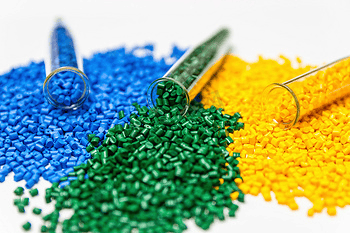
Polypropylene (PP) offers higher heat resistance, ideal for applications needing durability at elevated temperatures. Effective extrusion of PP requires a specific melt flow index and processing temperature between 180-240°C.
This versatility makes PP a popular choice for producing durable and high-quality plastic sheets.
Polyvinyl Chloride (PVC)
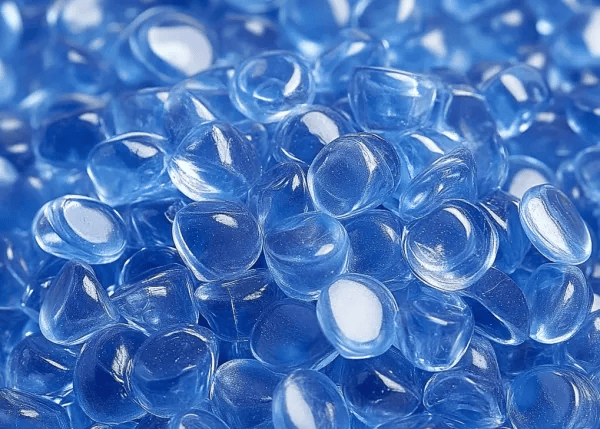
Polyvinyl Chloride (PVC) is widely used in plastic sheet extrusion due to its strength and weather resistance. Processing PVC involves incorporating stabilizers and maintaining a temperature range of 160-220°C.
These properties make PVC a preferred material for various applications, including construction and building materials.
Advantages of Using Plastic Sheet Extruders
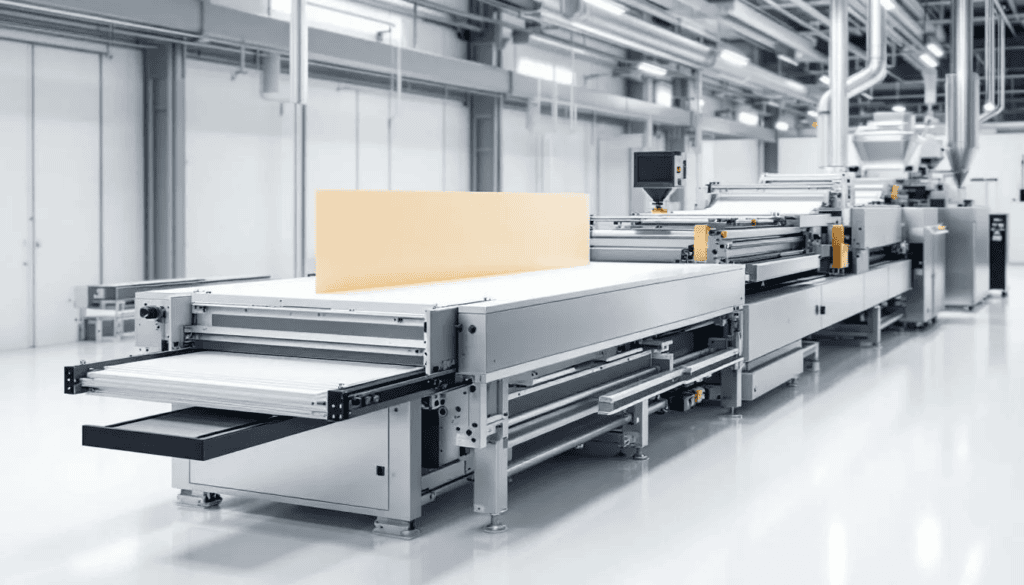
Plastic sheet extruders provide numerous benefits, such as cost-effective production, continuous sheet manufacturing, and precise material property customization. The extrusion process allows for large quantities of plastic sheets to be produced quickly and efficiently, reducing labor and assembly costs.
Modern extrusion machines also improve energy efficiency by optimizing heating and cooling mechanisms, further enhancing their cost-effectiveness.
Challenges in Plastic Sheet Extrusion
Despite their advantages, plastic sheet extruders face several challenges. Material inconsistencies, die clogging, and cooling issues can disrupt the extrusion process. Improper cooling can lead to warping or deformities in the extruded sheets, affecting their quality. Regular maintenance is crucial to avoid machine breakdowns and ensure consistent product quality.
Overcoming these challenges is vital for maintaining efficient and reliable support produce.
Applications of Extruded Plastic Sheets
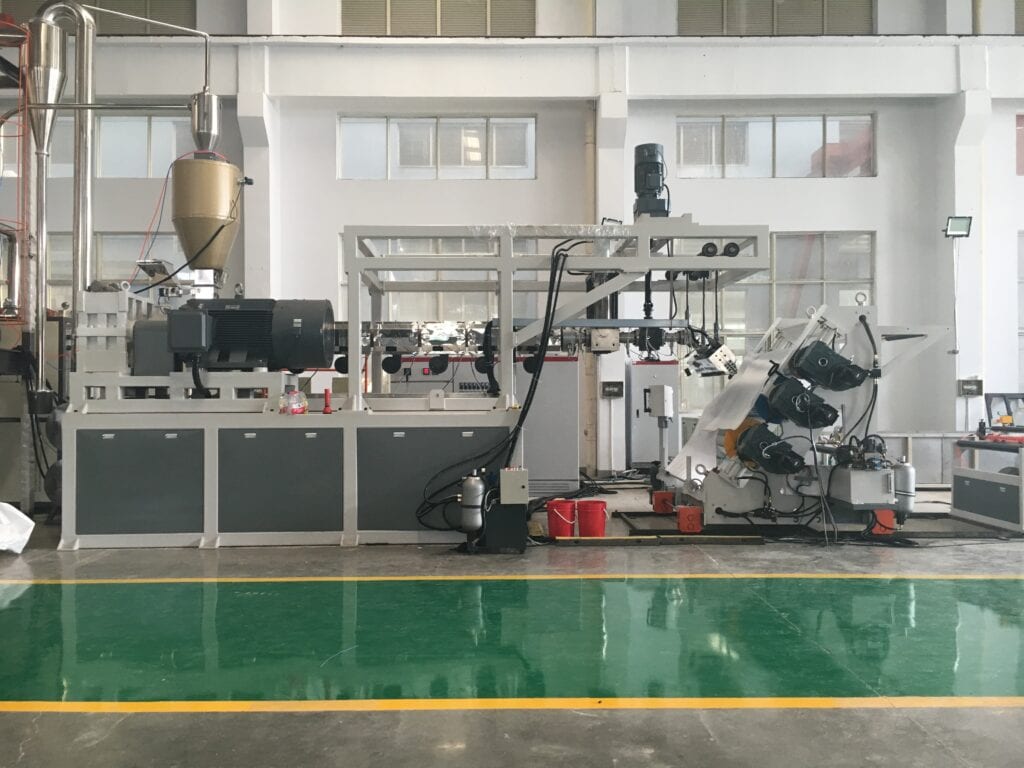
Extruded plastic sheets have a wide range of different applications across various industries. These sheets are integral to numerous products and components, from packaging to automotive and medical devices. Their versatility and adaptability make them invaluable in many sectors, ensuring that high-quality plastic sheets meet diverse industry needs.
Packaging Industry
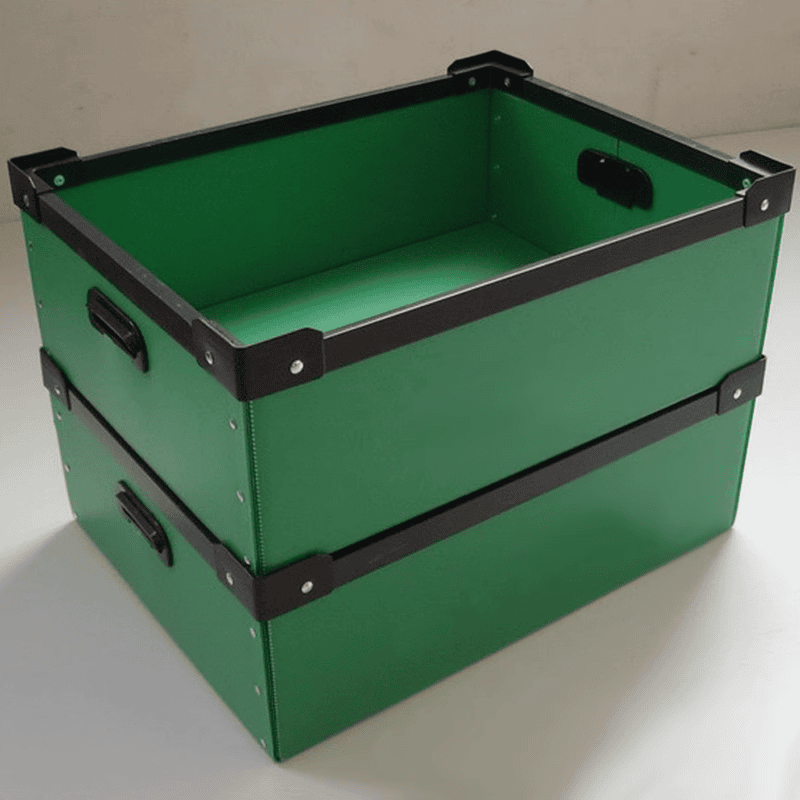
One of the largest consumers of extruded plastic sheets is the packaging industry. This sector relies heavily on these materials for various applications. These sheets are used to create clamshells, blisters, and skin films, thanks to their excellent chemical resistance and durability.
Polyethylene is a popular choice for packaging due to its strength and flexibility.
Automotive Industry

The automotive industry uses extruded plastic sheets to create components such as dashboards, panels, trim pieces, headlight lenses, and instrument clusters.
Polypropylene’s lightweight and fatigue resistance make it ideal for ensuring durable, high-performance automotive parts.
Medical Devices
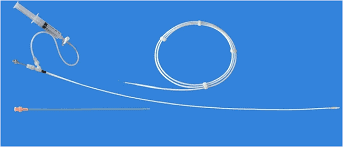
In the medical field, extruded plastic sheets are used for components like catheters and tubing. Polypropylene is favored in medical applications for its sterilization capabilities and regulatory compliance.
These properties make extruded plastic sheets vital for various medical devices and equipment.
Optimizing Plastic Sheet Extrusion Process
Optimizing the extrusion process involves adjusting settings like temperature, pressure, and real-time monitoring to enhance material flow and product quality. Effective degassing prevents air bubbles, ensuring the integrity of the extruded sheets.
Controlling the cooling rate is also crucial to prevent deformation and maintain product specifications.
Material Selection
Choosing the right raw plastic materials is key to achieving optimal results in plastic sheet extrusion. The type of material chosen can significantly impact the final sheet’s performance and characteristics.
Knowing the properties of different plastics and their extrusion compatibility is essential for producing high-quality sheets.
Processing Parameters
Processing parameters like temperature control, thickness tolerance, feeding speed, and cutting system accuracy influence the performance and quality of extruded plastic sheets.
Adjusting these parameters based on the materials and desired sheet characteristics ensures optimal quality and efficiency.
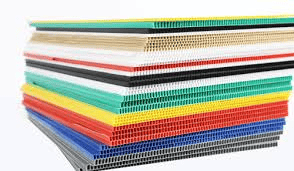
Regular Maintenance
Regular maintenance ensures that extrusion machines operate efficiently and reliably. It identifies and resolves issues before they escalate, extending equipment life and maintaining consistent product quality.
A scheduled maintenance program prevents unexpected downtimes and enhances operational efficiency.
Choosing the Right Plastic Sheet Extrusion Machine
Choosing the right plastic sheet extrusion machine involves considering production capacity, material compatibility, and customization options. Meeting specific production requirements and market demands is crucial for successful extrusion operations.
Leading facilities offer optimal solutions, catering to various manufacture expertise requirements.
Production Capacity
Assessing production capacity ensures extrusion operations meet market demands without compromising quality. Production speed, sheet dimensions, and extruder type significantly influence overall capacity.
Evaluating these factors helps manufacturers achieve desired output and maintain consistent quality.
Material Compatibility
The physical properties and processing requirements of plastics affect their compatibility with extrusion machines. Choosing thermoplastic materials should consider their melt flow index and thermal stability for effective processing.
Understanding material compatibility is essential for producing high-quality plastic sheets with impact resistance.
Customization Options
Customization options in plastic sheet extrusion provide flexibility, allowing manufacturers to tailor production to specific market needs and customer demands. Evaluating production goals, material compatibility, and desired end-product characteristics is crucial for choosing the right customization options.
These options ensure the extrusion process aligns with specific requirements, enhancing efficiency and quality.
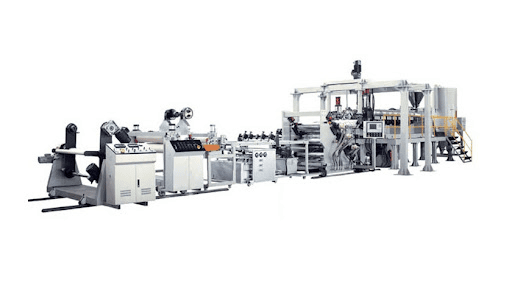
In conclusion
Overall,Plastic sheet extruders are indispensable in various industries, providing efficient and high-quality solutions for producing plastic sheets. Understanding their working principles, key components, and the materials used is essential for optimizing the extrusion process and overcoming challenges. With the right machine, proper material selection, and regular maintenance, manufacturers can achieve consistent product quality and meet diverse application needs. Embrace the advantages of plastic sheet extrusion to enhance your production capabilities and stay ahead in the competitive market.
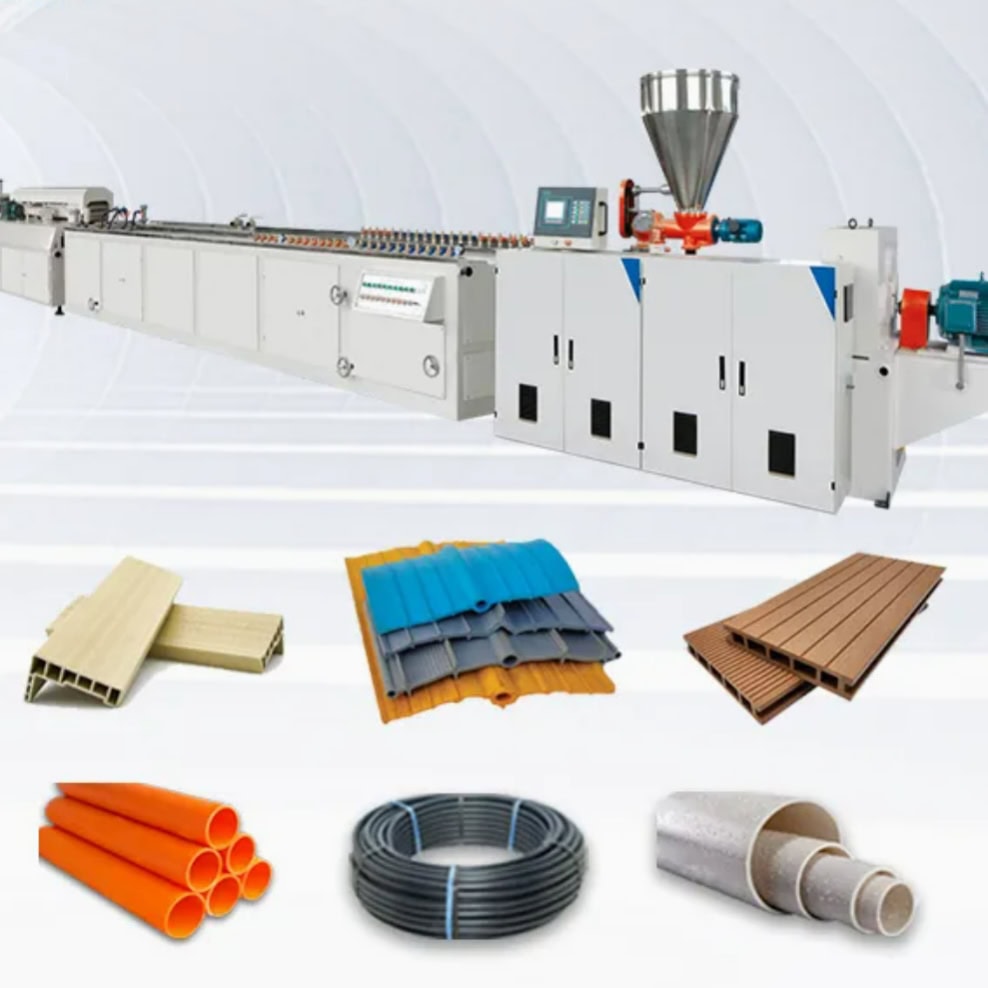
1、Do you know, what is PVC Extruders?
PVC extruders are the workhorses of the plastic manufacturing industry, used to produce a variety of plastic products. They ensure that materials are evenly mixed, melted, and re-melted to create the desired shape or form. Customizable to process a wide range of plastic materials, including PVC, HDPE, and pet food or grain-based food, PVC extruders are a vital component of a plastic pipe extrusion line, enabling the production of high-quality plastic pipes.
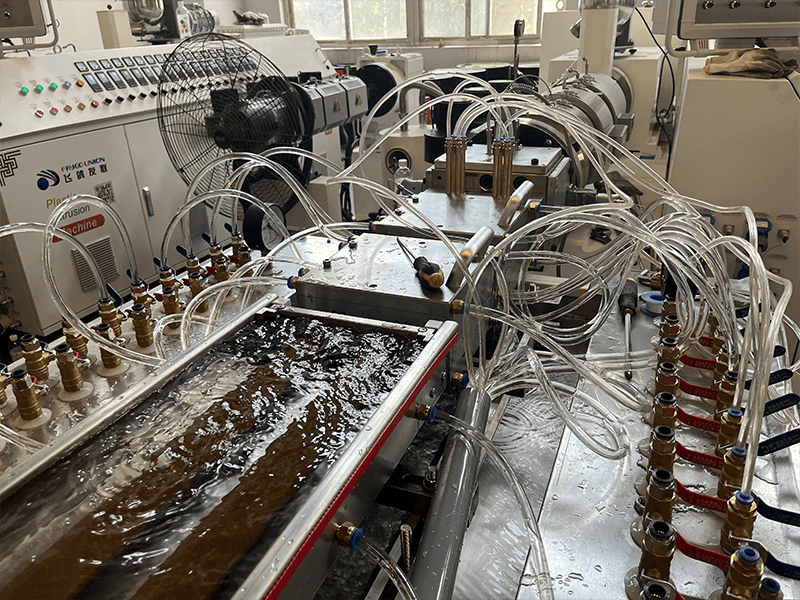
2、How many types of PVC Extruders?
There are three core types of extruders on the market:
- Single screw extruders are widely used for producing plastic pipes and profiles. They are known for their simplicity and cost-effectiveness.
- Twin screw extruders, including parallel twin screw extruders, are utilized for producing pipes, profiles, and sheets/boards. They offer better mixing and are suitable for more complex materials.
- Counter-rotating conical twin screw extruders are specialized for producing pipes and profiles, offering high precision and quality.
- Planetary roller extruders are used for producing high-quality plastic products, known for their advanced technology and efficiency.
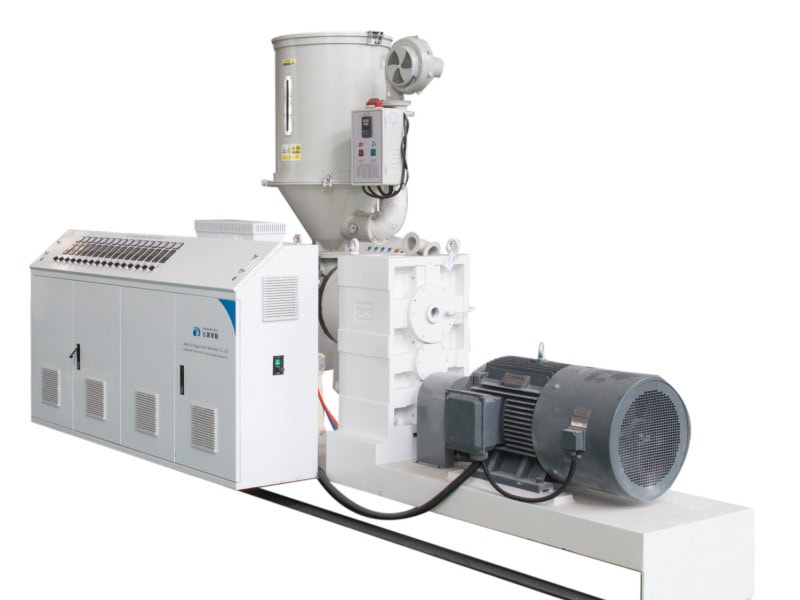
3、Do you know the key components of PVC extruder?
The performance of a PVC extruder is determined by its components:
- The extruder screw is critical, designed to ensure a homogeneous mixture, better plastification, and production efficiency.
- Mechanical components, such as gears and bearings, are essential for the smooth operation of the extruder.
- Downstream equipment, such as pelletizers and cutters, are used to process the extruded plastic material.
- The extruder barrel is designed to withstand high temperatures and pressures, ensuring the integrity of the extrusion process.
4、What is common Applications of PVC Extruder Machines?
PVC extruders find their applications in various sectors:
- PVC Pipes: Used in construction, plumbing, and drainage, PVC pipes are a staple in the building industry.
- Profiles: Employed in window frames, door profiles, and other construction components, profiles add structural integrity and aesthetic appeal.
- Sheets and Boards: With applications in signage, packaging, and the automotive industry, PVC sheets and boards are versatile and durable.
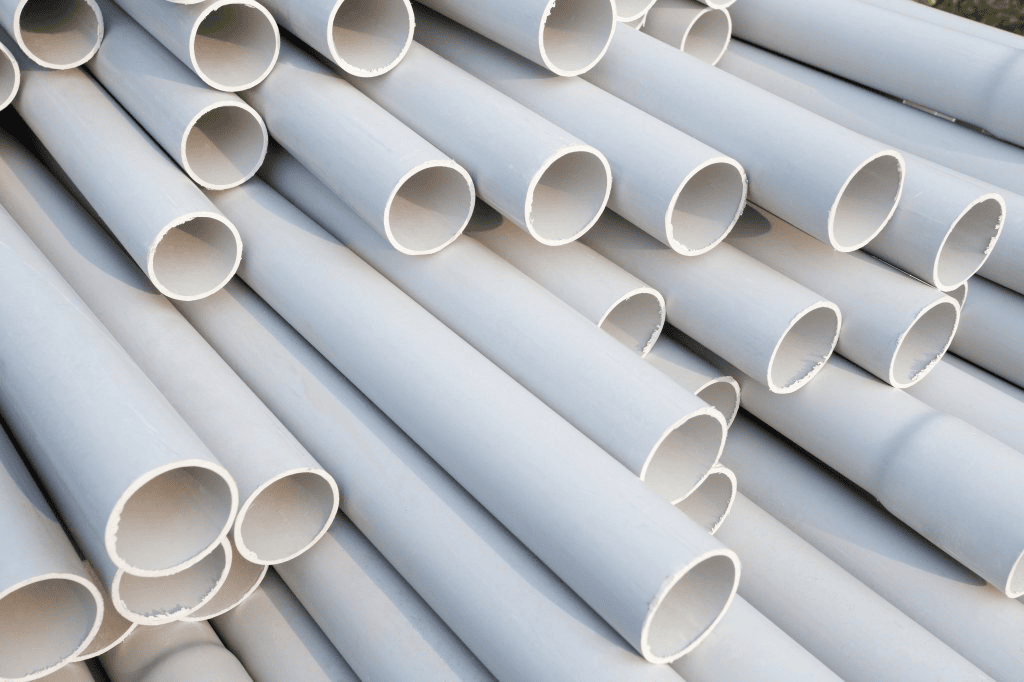
5、How to Choose the Right PVC Extruder?
When selecting a PVC extruder, consider the following:
- The type of plastic material to be processed and the desired product quality.
- Evaluate the production capacity and efficiency requirements of your production line.
- Assess the need for customization and flexibility in the extruder design.
- Consider the cost of ownership, including maintenance and operating costs.
6、Do you know the benefits of Using a Plastic Extruder?
There are several benefits plastic extruders can supply:
- They enable high-volume manufacturing processes, producing standard products like pipes and profiles.
- Customizable to process a wide range of plastic materials and produce various products.
- Cost-advantageous and efficient, making them an attractive option for many industries.
- They enable the creation of complex shapes and forms.
7、How and when to maintenance and Troubleshooting?
Regular maintenance is essential to ensure the smooth operation of the extruder. Troubleshooting common issues, such as clogging and overheating, can help minimize downtime. Proper cleaning and lubrication of mechanical components can extend the lifespan of the extruder. Regular inspection of the extruder screw and barrel can help identify wear and tear.
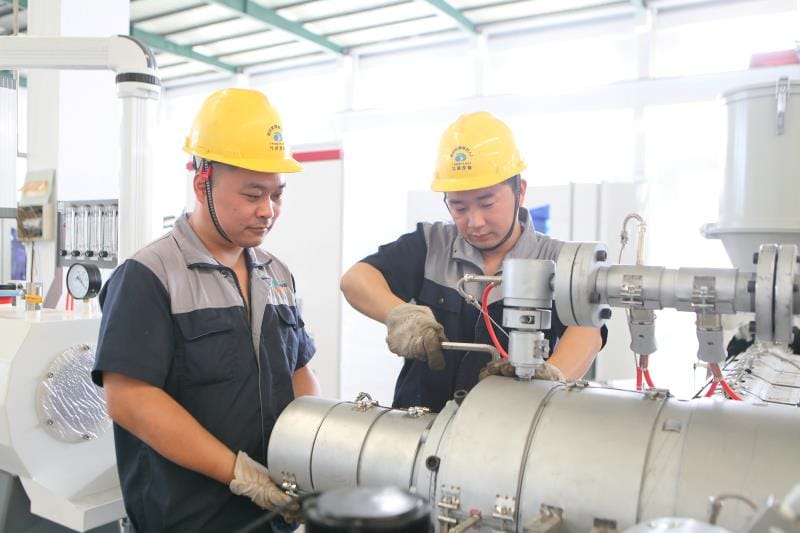
8、What is safety Precautions and Best Practices?
Ensure proper training and supervision of operators to prevent accidents. Follow safety guidelines and regulations when handling hot and sharp objects. Use personal protective equipment, such as gloves and safety glasses, when working with the extruder. Regularly inspect the extruder and downstream equipment to ensure safe operation.
9、How to calculate investment cost?
The cost of a PVC extruder depends on many factors, including the material to be processed and the quality of the parts. Consider the total cost of ownership, including maintenance and operating costs. Evaluate the cost-effectiveness of different extruder designs and configurations. Consider the potential for energy savings and reduced waste.

Overall, choosing the right PVC extruder is crucial to maximizing the efficiency of your production line.
Understanding the different types of PVC extruders and their key accessories can help you make more efficient decisions. Keep in mind that no matter what kind of machinery, regular maintenance and troubleshooting are required, which helps minimize downtime and ensure safe operation.
Through accurate accounting, you can match the lowest cost with the maximum benefit and optimize the production line to maintain market competitiveness.
If you want to know more about PVC extruder, please contact us: FAYGO UNION for expert advice on choosing the PVC extruder that best suits your current needs. Let our experience guide you to find the most efficient and cost-effective solution for your plastic manufacturing needs.
This article provides a comprehensive overview of PVC extruder machines, their types, components, applications, and considerations for purchase. It is designed to be informative and actionable, guiding readers towards making informed decisions about their extrusion equipment.
]]>