- Plastic extrusion is an efficient manufacturing process that transforms thermoplastic materials into custom shapes, crucial for diverse industries.
- Material selection is vital in extrusion, with common materials including polyethylene, PVC, and ABS, each offering unique properties for various applications.
- Custom extruded plastic shapes enhance production efficiency, reduce costs, and support sustainability through minimal waste and the utilization of recycled materials.
Understanding Extruded Plastic Shapes
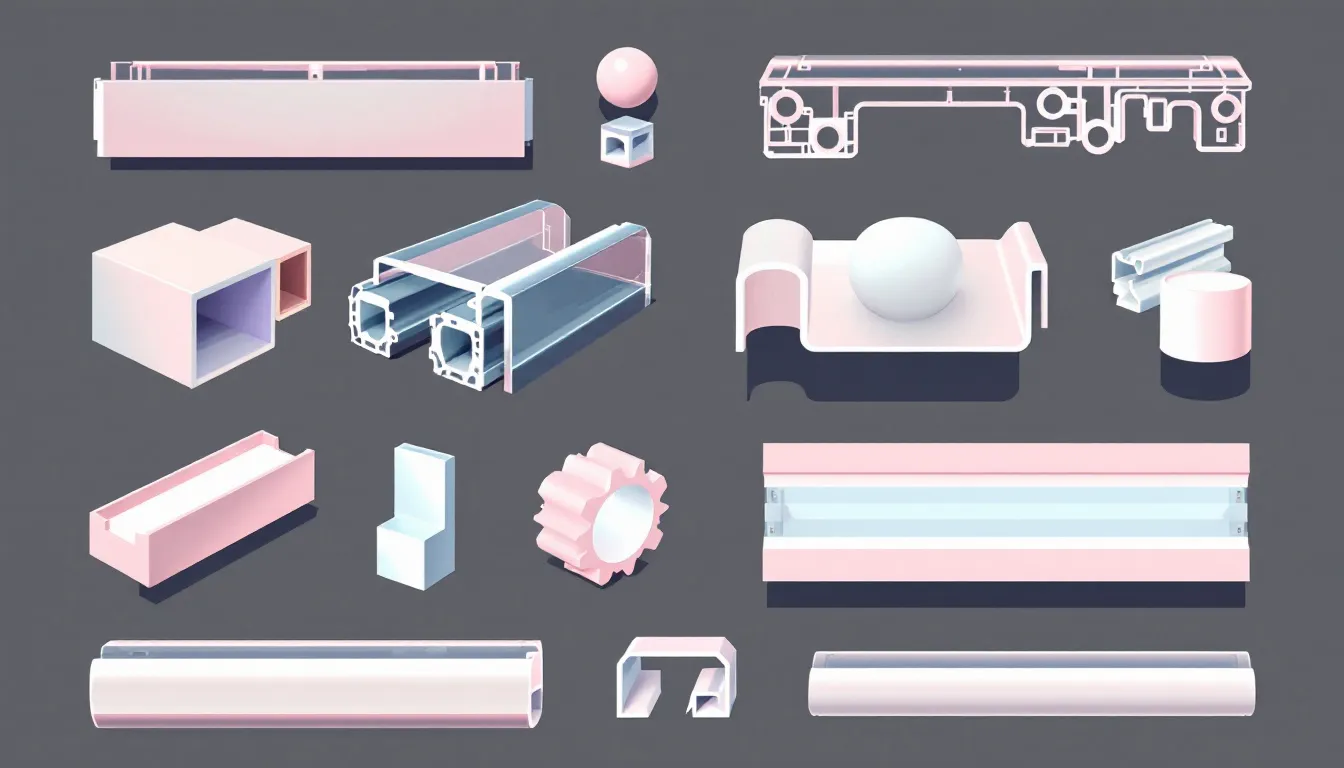
Plastic extrusion is a marvel of modern manufacturing. It involves melting thermoplastic material and forcing it through a die under pressure to produce continuous profiles like pipes, tubes, and sheets. This process transforms raw plastic pellets into functional and versatile products, including molten plastic, catering to diverse industrial demands.
The historical significance of plastic extrusion cannot be overstated. For over a century, this process has evolved, showcasing its role in high-volume manufacturing. From the early days of rudimentary machines to today’s sophisticated plastic extruders, the journey has been marked by continuous innovation. Modern plastic extruders handle diverse materials and applications, making them indispensable in the plastics industry.
Plastic extrusion stands out for its efficiency and accuracy, enabling the creation of complex shapes with consistent quality, a challenge for other manufacturing methods. Whether it’s for producing standard products like pipes and profiles or custom plastic shapes, the extrusion process offers cost-effectiveness and customization possibilities, particularly when utilizing an extrusion line.
Key Materials for Extruded Plastic Shapes
Material selection in plastic extrusion is crucial to the final product’s performance and application. Common extruded plastic materials include:
- Polyethylene
- Polypropylene
- Polyvinyl chloride (PVC)
- Polystyrene
- Acrylonitrile butadiene styrene (ABS) Each of these materials has unique properties that make them suitable for different uses.
Polyethylene is a versatile thermoplastic used in products from bags to pipes. Its flexibility and durability make it a popular choice in industries requiring robust yet lightweight materials. On the other hand, polypropylene is frequently employed in packaging and automotive components due to its excellent chemical resistance and mechanical properties.
PVC is another widely used plastic material, known for its rigidity and resistance to environmental degradation. It’s commonly used to make window frames and electrical insulation. Polystyrene, meanwhile, is used for signage and packaging materials, offering a balance of strength and affordability.
These materials can be customized for specific applications, ensuring that the final product of extruded manufactured products meets precise performance criteria.
Types of Extruded Plastic Shapes
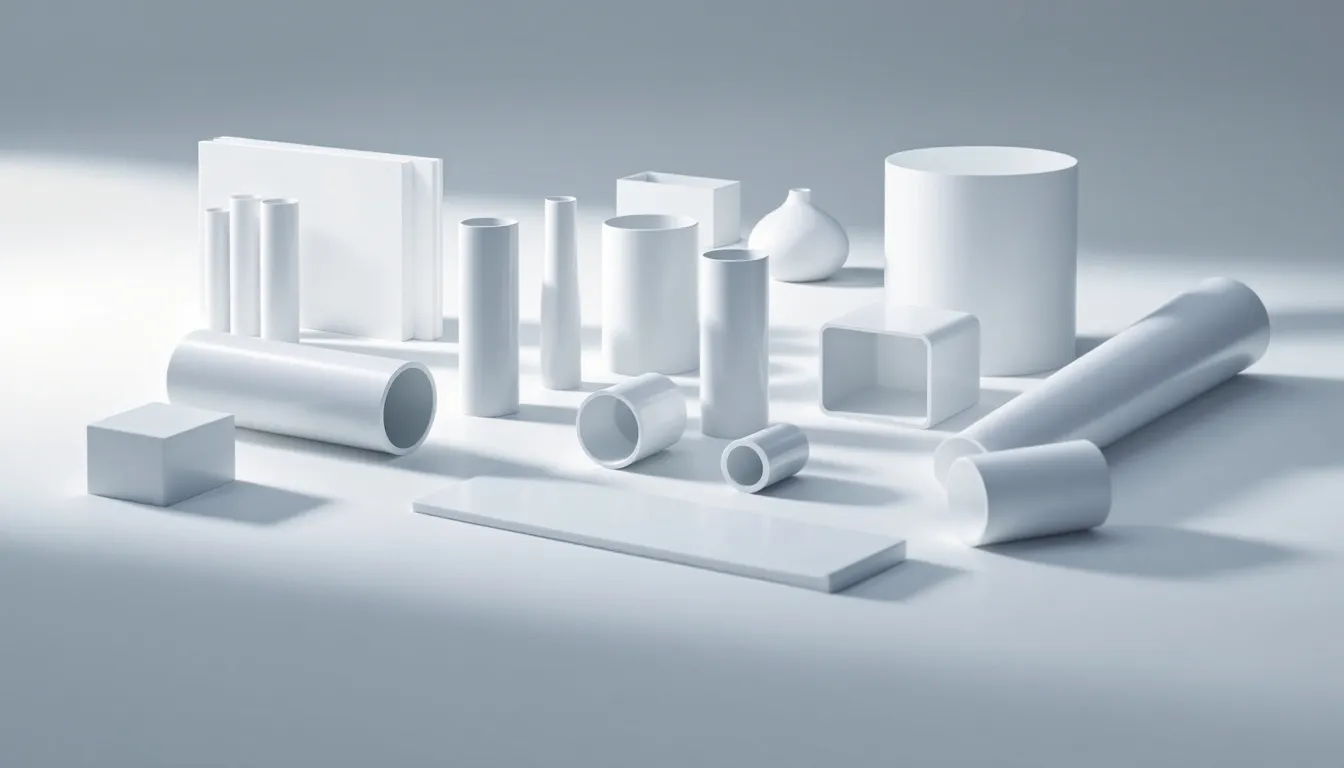
The versatility of plastic extrusion is evident in the variety of shapes it can produce. From simple pipes and tubes to complex custom profiles, the possibilities are vast. Tubing extrusion, for example, allows for the production of hollow items by utilizing a mandrel within the die. This method is particularly useful for creating products like medical tubing and electrical conduits.
Tailored extruded plastic profiles are used in applications such as:
- Window frames
- Gaskets
- Structural components These are crucial in industries demanding precision and durability. Additionally, plastic sheets and films are produced through extrusion processes, offering a range of sheet thickness and properties for different uses.
Vacuum calibration is often employed to cool and size the extruded plastic thickness immediately after it exits the die, ensuring accurate dimensions and high quality with the use of cooling rolls.
Creating custom shapes through extrusion allows manufacturers to address specific challenges and requirements, making this process essential in many sectors. Whether it’s for standard products or bespoke designs, plastic extrusion provides a reliable solution.
Custom Plastic Extrusion Process
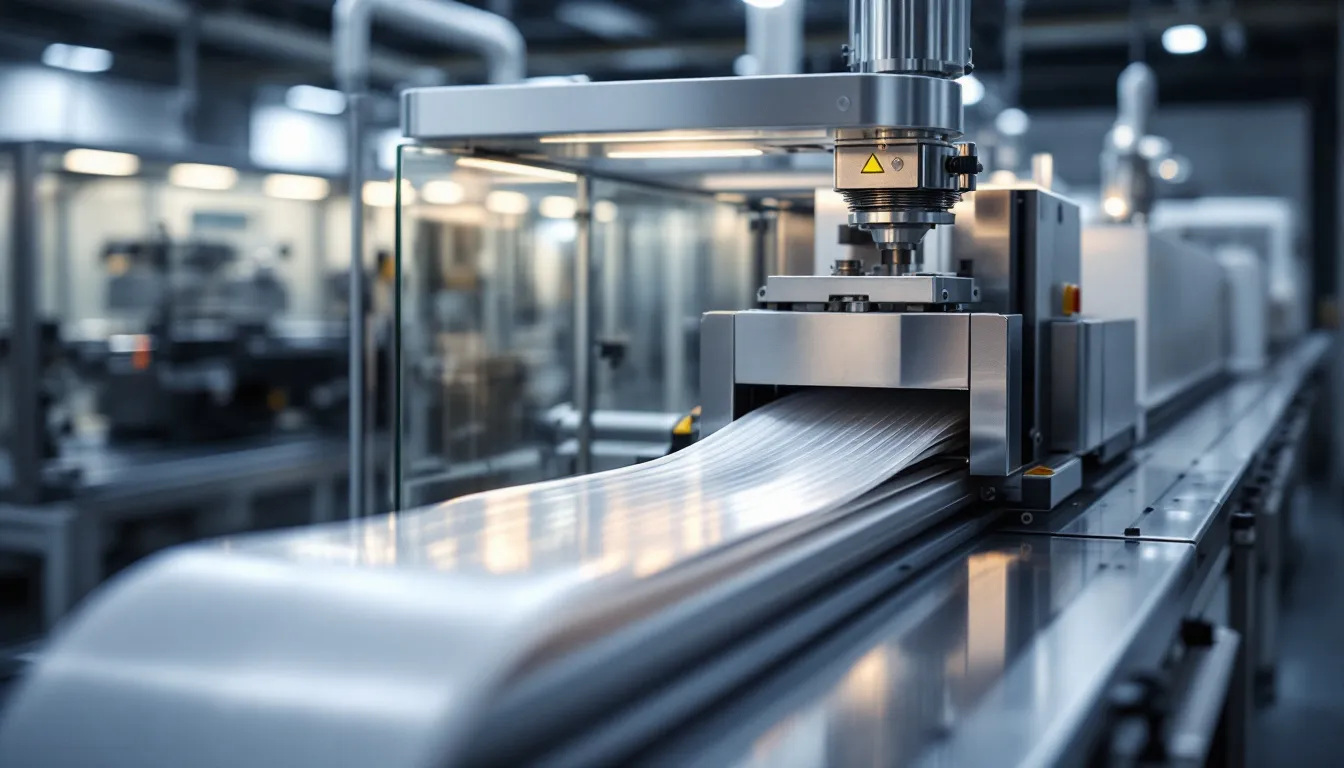
The custom plastic extrusion process is a method of high volume manufacturing process. It involves melting raw plastic and shaping it into continuous profiles. The process includes the following steps:
- Selecting materials that are then fed into a plastic extruder.
- The extruder melts the plastic pellets, creating a polymer melt.
- The polymer melt is forced into a die to shape.
- The shaped plastic hardens as it cools.
Different methods are employed to create custom plastic shapes, including:
- Blow-film extrusion: produces plastic film for packaging.
- Plastic sheet film extrusion: creates large sheets for industrial applications.
- Over-jacketing extrusion.
- Tubing.
Each method offers unique advantages depending on the co desired form and application.
Adjusting parameters like temperature and pressure in plastic extrusion optimizes product properties. This level of control ensures that the final products meet specific performance criteria, making custom plastic extrusion a versatile and efficient manufacturing process.
Twin Screw Extruders vs. Single Screw Extruders
When it comes to plastic extruders, two or more extruders dominate the field: twin screw extruders and single screw extruders. Each type has its own set of advantages and is suited to different applications. The choice between them often depends on production speed, mixing capability, and operational flexibility.
Single screw extruders are generally simpler and less expensive, making them suitable for straightforward extrusion tasks. However, they have slower speeds and limited mixing capabilities, which can be a drawback for more complex applications involving a single extrusion head.
In contrast, twin screw extruders excel in mixing, venting, and processing materials with poor thermal stability. They feature two parallel screws that enhance stability, improve mixing, and allow for increased speed. Twin screw extruders are often preferred for more demanding tasks, such as compounding and reactive extrusion.
Twin screw extruders offer superior performance because:
- They can handle a broader range of materials.
- They provide better extrusion stability.
- They are suitable for producing complex plastic shapes.
- They can handle materials with different viscous plastics.
Benefits of Custom Extruded Plastic Shapes
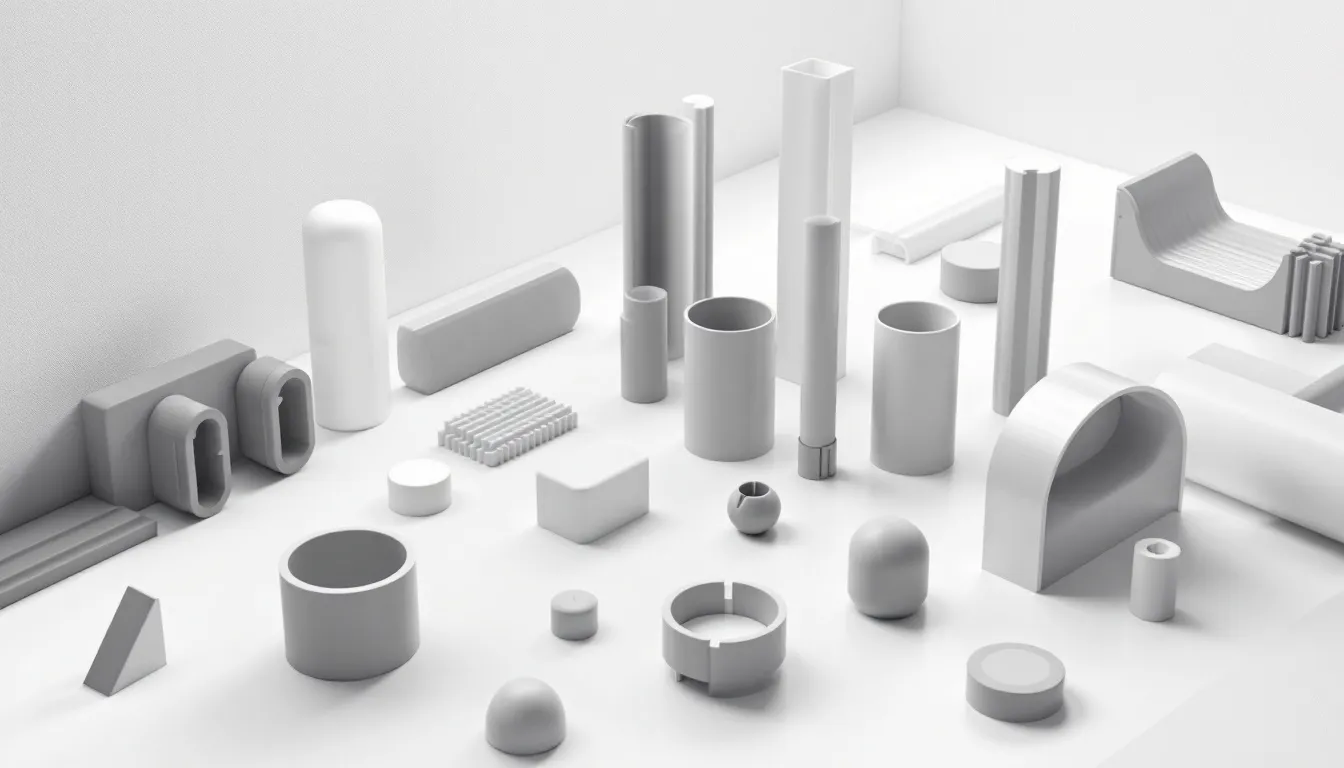
Custom plastic extrusion offers numerous benefits that make it an attractive option for manufacturers. One of the primary advantages is cost efficiency. Once the initial die is made, the process allows for continuous manufacturing of large quantities, significantly reducing production costs.
The versatility of plastic extrusion is another major benefit. The process can produce complex shapes with high precision, often challenging for other manufacturing methods. Additionally, custom plastic extrusion enables the production of unique shapes with accurate tolerances, ensuring that the final products meet specific requirements.
Involving the extrusion partner early in design and material selection enhances time and cost efficiency. Collaboration with the extrusion partner helps manufacturers optimize production processes and achieve superior results through co extrusion.
Applications of Extruded Plastic Shapes
Extruded plastic shapes find applications in a wide range of industries due to their efficiency and cost-effectiveness. In construction, extruded plastic components for windows and doors:
- Enhance energy efficiency
- Ease installation
- Are lightweight
- Are durable These qualities make them ideal for modern construction projects.
In the automotive industry, extruded plastics are used for weather seals, gaskets, and interior trim components. These products need to withstand harsh environmental conditions, chemicals, and UV exposure, making plastic extrusion a suitable manufacturing process.
The appliance industry also relies on extruded plastics for components like gaskets and seals, which help improve energy efficiency and maintain production volume consistency.
The renewable energy sector benefits from extruded plastic components in solar panels and other systems. These components enhance durability and environmental resistance, contributing to the overall efficiency of renewable energy projects. Moreover, using lightweight extruded plastic parts can reduce transportation energy consumption and lower carbon emissions.
Quality Assurance in Plastic Extrusion
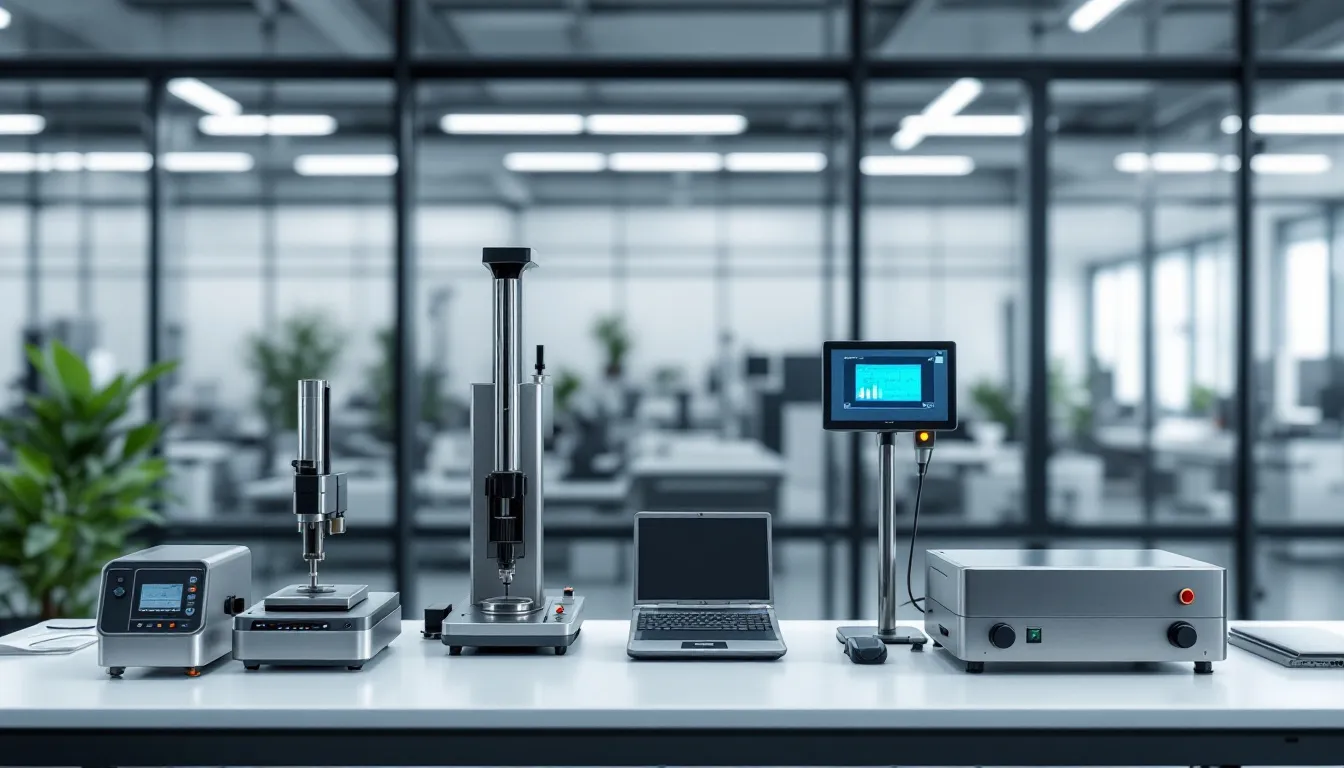
Quality assurance is a crucial aspect of plastic extrusion, ensuring that the final products meet the required standards. Bausano, for example, ensures maximum quality at the technical-functional level during their plastic extrusion process. This involves using high-quality raw materials and advanced machinery to produce reliable plastic extrusions.
Various finishing processes, such as cutting and drilling, can be applied to custom extrusions to enhance their usability. These additional steps help ensure that the final processed products are not only precise but also ready for further processing in their intended applications.
Partnering with a manufacturer that prioritizes quality assurance can significantly impact the performance and durability of plastic extrusions. By choosing a reliable partner, manufacturers can trust that their products will manufacture the highest standards of quality and functionality.
Energy Efficiency in Plastic Extrusion
The plastic extrusion process is inherently energy-efficient and environmentally friendly. Its continuous nature results in minimal waste during production, supporting sustainability initiatives in manufacturing. The process allows using recycled plastics, further minimizing environmental impact.
Strategies to enhance sustainability in plastic extrusion include limiting waste, reducing energy consumption, and using sustainable materials. These efforts are crucial for the plastics industry, which faces significant challenges in minimizing its environmental footprint.
By adopting energy-efficient practices and using recycled materials, manufacturers can contribute to a more sustainable future. Plastic extrusion not only provides cost-effective solutions but also supports environmental responsibility.
Expert Tips for Choosing an Extrusion Partner
Choosing the right extrusion partner is essential for ensuring successful production outcomes. Evaluating the operational capabilities of a potential partner, including machinery, production capacity, and engineering expertise to meet specific requirements, is crucial.
Reputation is another key factor. A partner with a strong reputation ensures reliability and quality in producing extruded plastic profiles. Additionally, the use of high-quality raw materials significantly impacts the durability and performance of the final products.
Clear communication on expectations and challenges during the production process is vital for successful collaboration. Evaluating a partner’s tooling and manufacturing methods can help determine their capacity to produce complex designs and finishes. Ensuring that they have a dedicated customer service team is also important for maintaining effective communication and support throughout the project, especially with the advancements in technology.
How to extrude the plastic products you want
The versatility and efficiency of custom extruded plastic shapes make them indispensable in various industries. From the choice of materials to the intricacies of the extrusion process, each step is designed to produce high-quality, customized products that meet specific needs. Understanding the benefits and applications of plastic extrusion can help manufacturers make informed decisions and optimize their production processes.
Choosing the right extrusion partner is crucial for achieving the best results. By focusing on quality, reputation, and clear communication, manufacturers can ensure that their extruded plastic products meet the highest standards. The journey of plastic extrusion is one of innovation, precision, and sustainability, offering endless possibilities for modern industry.
]]>Moreover, in today’s fast-moving plastic processing era, modern extrusion technology produces very efficient, cost-effective and durable products. In this blog, you will explore what a sheet extruder machine is, its working principle, types and industrial use, and some more points. So, stay connected!
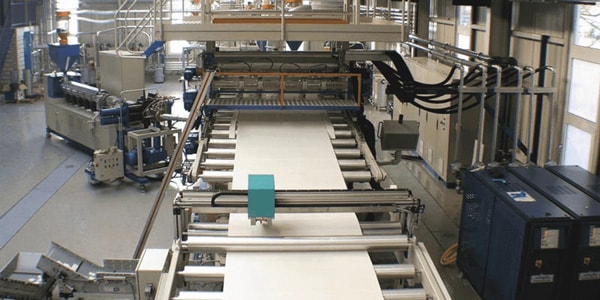
1) What Is a Sheet Extruder Machine?
“A sheet extruder machine is an industrial machine designed to manufacture flat plastic sheets by melting raw plastic materials such as pellets or granules, then forcing the melted plastic through a flat die.”
Well, solid plastic pellets are used in machines, and then heat and pressure are applied through a flat die to form a desired product. However, this mechanism generates plastic sheets which are smooth and uniform in thickness, and they can be further processed by cutting and shaping.
Common Plastic Materials Used
In these machines, materials are used, such as PVC, PET, and polyethene. You know each of these has different characteristics: some are strong, some are flexible, some are clear, and others are opaque.
Why It Matters
If you are a manufacturer of automotive parts, curtain walls or food products, or you are a product designer, you have to know that sheet extruder machines tend to produce reliable, quality and cost-saving products. Thus, these plastic extruder machines save you time and resources when you are in need of strong and flexible materials.
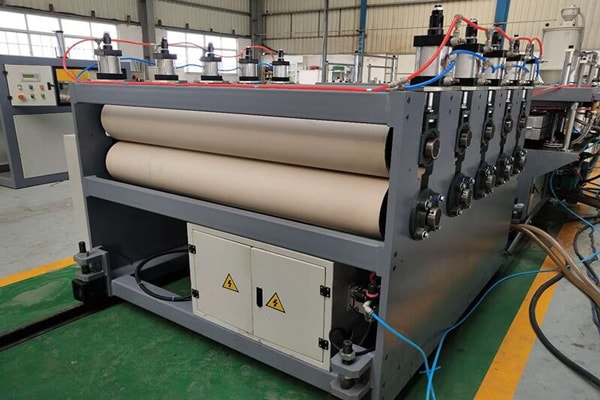
2) Key Components of a Sheet Extruder Machine
Honestly speaking, if you know the key components of a sheet extruder machine, then you will easily understand how this machine functions properly. Let’s discuss key components of this machine, so get in touch!
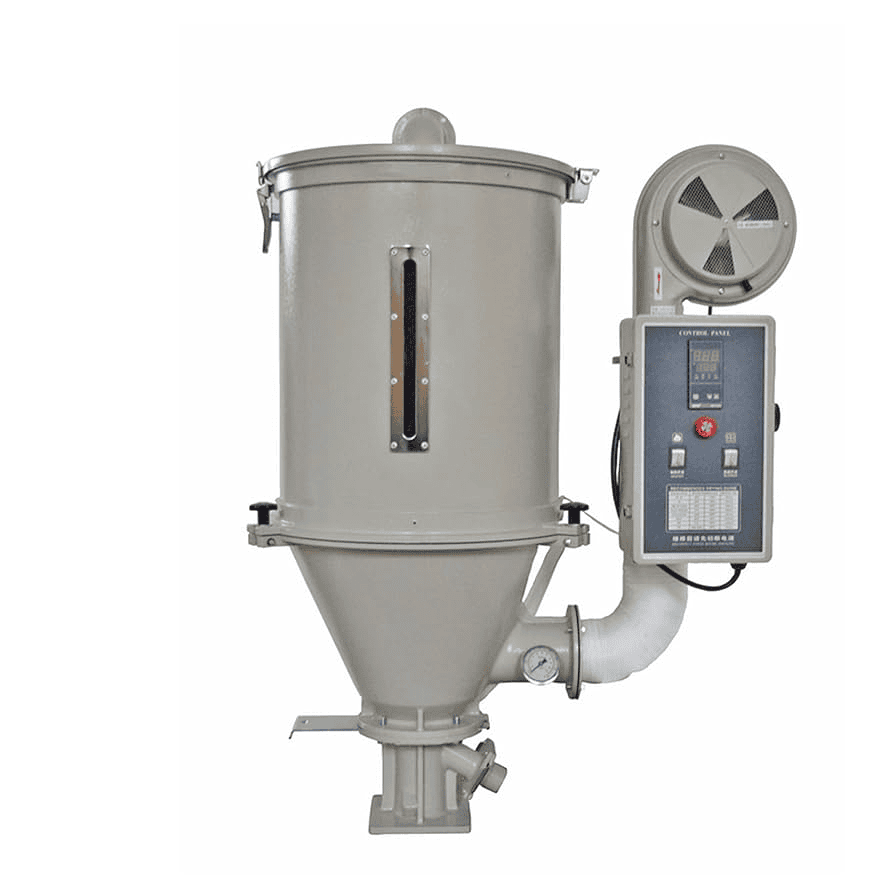
i) Hopper
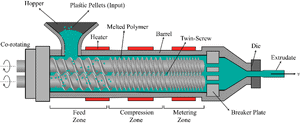
Well, the process begins in the hopper, which stores the raw plastic and gradually releases it while preventing backups.
ii) Screw and Barrel
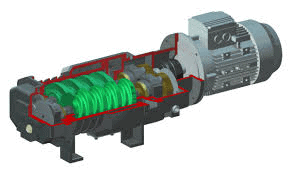
Most importantly, the component of the extruder machine which does the heavy work is the screw and barrel. However, they heat, mix and ‘push’ the plastic forward, which is also where the plastic solids begin the melting process. Moreover, there are variety of screw diameters that are used to control the melting rate and flow of material.

iii) Compression Section
Another significant component is the compression section. While the plastic is trying to move forward, the compression section gradually increases its pressure. This is done to maintain an even melting state and to prepare the plastic for the next phase. Furthermore, this section is important to handle the complex shapes.
iv) Outlet/Die
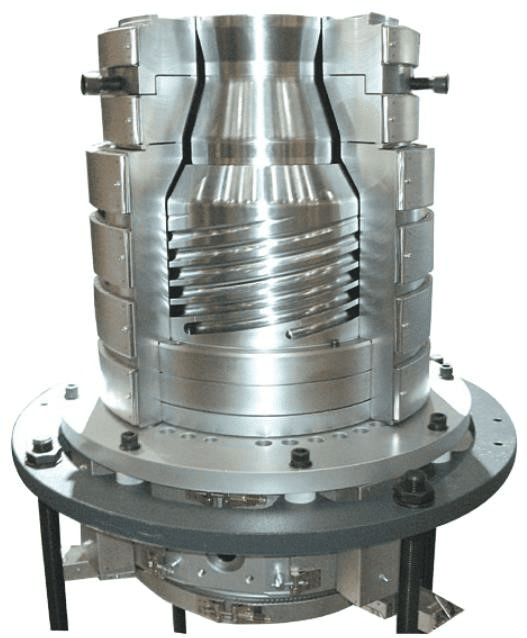
Significantly, the die component is referred to as the forming tool. However, the products of specific shapes are formed like the plastic into a broad, thin sheet. Thus, this part finalises the end width, thickness and customization options for your product.
v) Cooling System
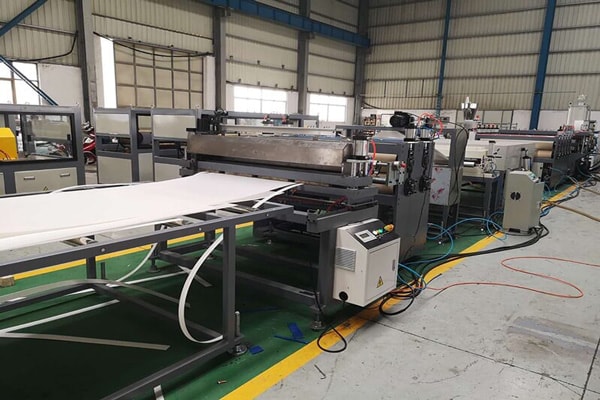
The system of cooling rollers cools the sheet, bringing it to a solid state while providing a strong form. Such a step is important in keeping the desired shape after cooling. Thus, this system is important for film extrusion.
vi) Drive System
Lastly, the virtually mechanical part of the system allows the screw to rotate while also controlling its speed. Such a factor impacts the system’s speed as well as the quality of the final product.
To put this discussion together, all the components contribute to the reliability, efficiency, and importance of sheet extruder machines in the production of plastic sheets.
3) Working Principle of Sheet Extruder Machines
Alright! The working principle is the heart of this blog. Let’s talk about how sheet extruder machines convert raw material into fine plastic. It seems difficult, but it is too easy a working principle:
Step 1) Feeding and Melting
The first and foremost step is that the plastic pellets are fed into the hopper. The hopper then introduces them to a rotating screw that’s located in a heated barrel. Through the rotation, the screw pushes the plastic forward, and simultaneously heat melts it.
Then, the screw creates friction, which in turn speeds up the melting process. At this stage, you can also add colour and other custom materials to the plastic.
Step 2) Shaping the Sheet
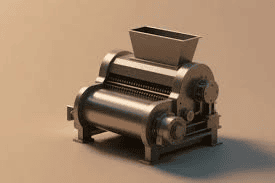
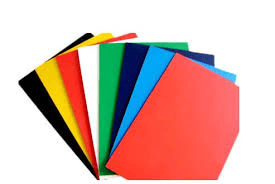
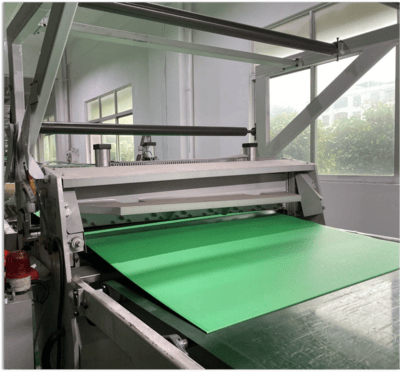
After the plastic is melted, it converts into a flat die. Well, the die is the heart of the extrusion machine since it gives the plastic its shape, width, and thickness. Then, a pure plastic is produced from the die in a single, continuous and uniform strip.
Step 3) Cooling and Solidifying
Subsequently, the hot plastic sheets cool down. However, they are either cooled via rollers or exposed to air or water, which helps them harden in a uniform manner.
Step 4) Cutting and Finishing
Lastly, the sheet is cut into the required sizes. After the cut, it can either be used in the current step or further processed in subsequent steps. Then, it is okay to use for automotive parts, architectural profiles or food processing sectors.
4) Types of Sheet Extruder Machines
You know different tasks are done with different types of sheet extruder machines. Let’s discuss the three major types and describe each individually.
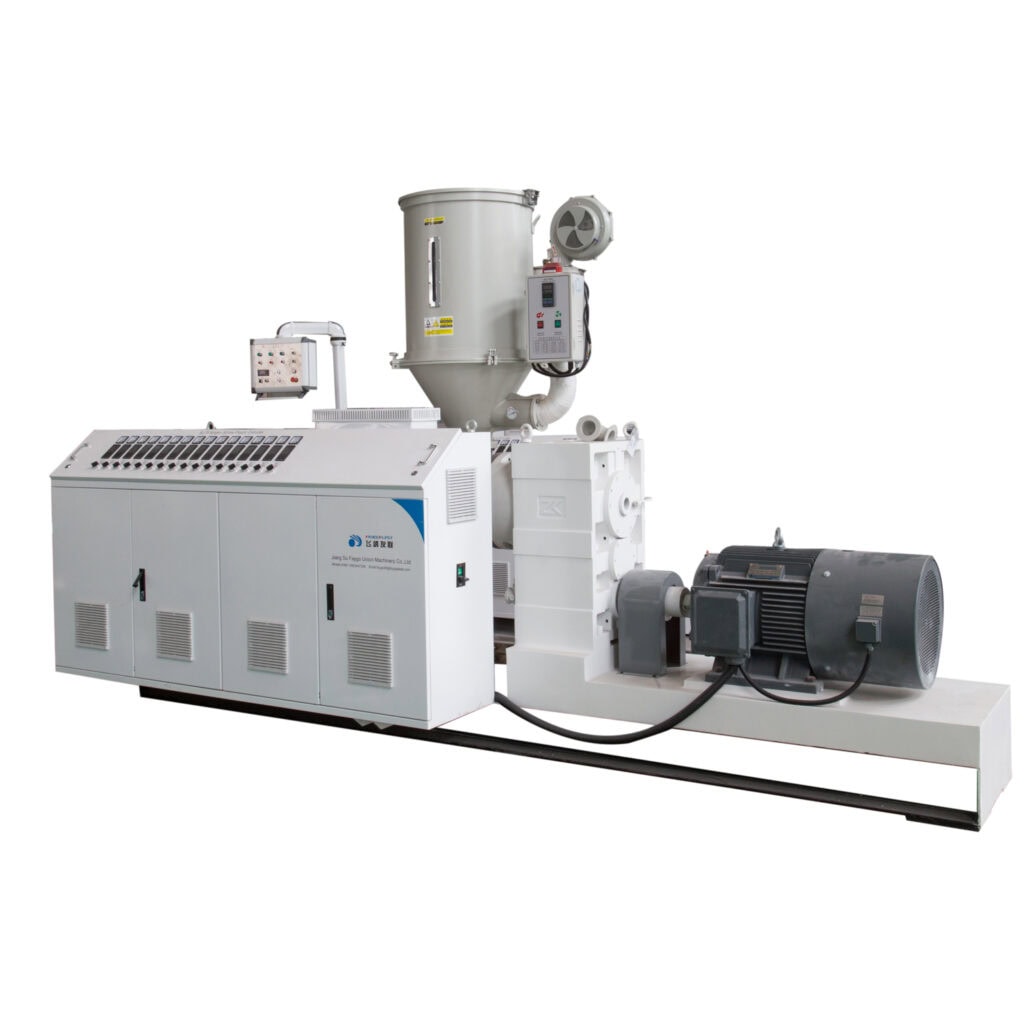
i) Single-Screw Extruders
Well, single-screw extruders are the oldest and most basic types of extruding machines. However, single screw extrusion machines utilise one screw to convey and melt the plastic. The good thing is that this type is well-suited for basic operations, such as manufacturing simple plastic sheets.
Moreover, this model is inexpensive, reliable, and trouble-free to service and is suited for operations that do not have specialised requirements.
ii) Twin-Screw Extruders
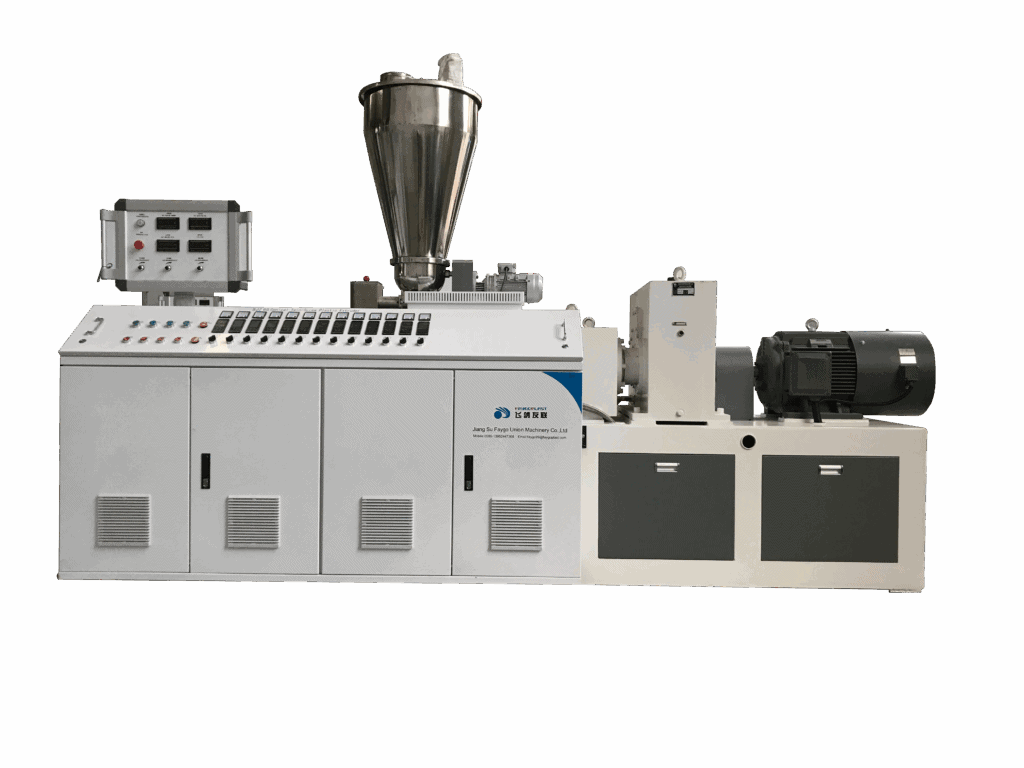
Twin screw extrusion machines are best for greater control of the process and better mixing. They utilise two screws, and both rotate in the same direction.
Moreover, this configuration provides better mixing, which makes it ideal for operations involving fillers, additives, or colour changes. Thus, It is suitable for advanced customised sheet production.
iii) Series Extrusion Machines
Lastly, the series extrusion machines are used more often when the raw material is partially processed. For example, they can convert extruded foam melts into finished sheets like PE foam. This is a convenient method, as it reduces environmental impact and material recycling is possible.
To put it simply, each type of sheet extrusion machine is designed for a particular function. Thus, the right selection is made for the machine based on the material and the intended use.
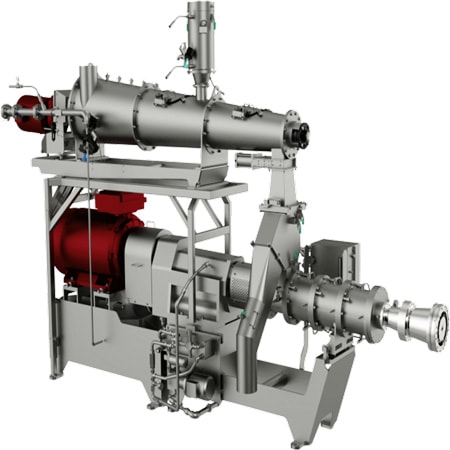
5) Applications of Sheet Extruder Machines
Alright! Sheet extruder machines have a wide variety of applications in the industry. The broad use of such machines is due to their ability to manufacture strong and smooth sheets for various purposes. Let’s talk about some applications:
- Plastic Industry
Most importantly, these machines are made for the production of plastic sheets for packaging as well as construction materials and thermoformed products. Moreover, they are applicable in food containers and trays, as well as wall panels. Furthermore, they are useful for fast and reliable production of uniform, excellent products.
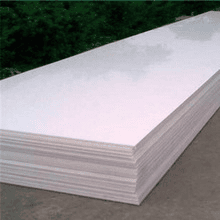
- Foam Production
Significantly, in the manufacturing of foam, especially PE foam sheets, plastic extrusion machines are very important. You know, in series extrusion machine processes, the foam melts into sheets that are light and flexible and used for padding and insulation, among other things.
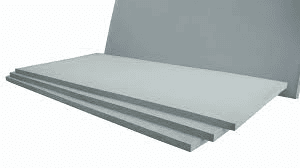
- Medical and Technical Uses
Another application of this machine is in medical and technical uses. Well, certain industries require uniform and exact dimensions for the sheets.
You know accuracy is very important for the manufacturing of medical and laboratory equipment. Thus, plastics which are required for medical and technical use should be clean, high-grade plastics. Thus, these machines provide the precision needed for such applications.
In simple words, sheet extruder machines simplify production processes from everyday packaging to more complex technical tools, making them easier, faster, and more efficient.
6) Advantages of Using Sheet Extruder Machines
Well, there are several advantages when using sheet extruder machines in your production processes. Now, let’s explore the key reasons that enhance efficiency.
+ Fast and Cost-Effective: Well, the first and foremost advantage of using a sheet extruder machine is that they are fast and cost-effective. It is because it allows the production of large quantities of plastic sheets in a shorter amount of time. Moreover, this reduces the amount of time and money spent, especially for bulk orders.

+ Consistent Quality: Most importantly, uniform consistency is achieved when every sheet is produced with the same thickness and smooth finish. Thus, this results in fewer errors, making the production more efficient while improving waste management.
+ Flexible and Versatile: Sheet extruder machines are able to work with a broad variety of materials, including PET, PVC, and PE. Therefore, this makes it easier to produce packaging, foam, or even parts for industrial machinery.
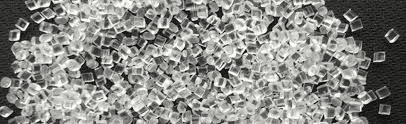
+ Easy to Automate: Finally, fewer delays and a less manual workload make it easier to use these machines with automated systems. Thus, this helps with running longer workloads without constant monitoring.
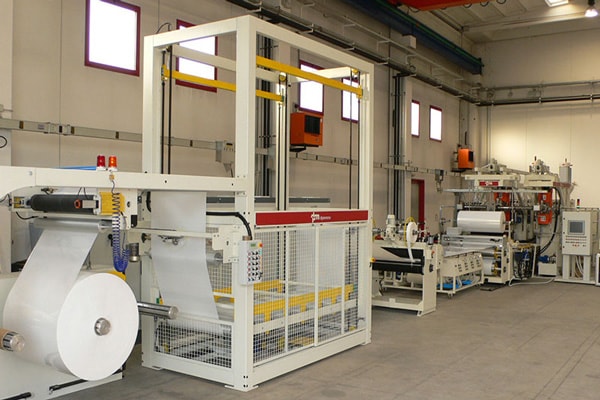
7) Challenges and Solutions
To be honest, even though these machines are very productive, they may present some challenges. The good news is that the solutions to these challenges are often very simple and straightforward. Let’s start the discussion:
! Screw Wear: The screw of an extruder machine may wear out with time. Then, this may affect mixing and flow. Therefore, regular washing and preventative maintenance are very important; they help smooth operations.
! Material Degradation: Keep in mind, excessive temperature may cause burning or degradation of quality. Therefore, precise temperature control helps maintain these materials.
! Feeding Blockages: You have to know that material may sometimes assemble in the feeding section. This is most likely to occur with an insufficiently warm temperature or insufficiently consistent feed. Thus, appropriate feeding temperature and regulation of consistent flow may help eliminate these risks.
! Uneven Sheet Thickness: Lastly, if the final sheet is not as smooth as desired, the sheet calibration requires further adjustments. Such systems enhance quality in real time and thus provide automated monitoring and adjustment while actively enhancing the process.
8) Faygo Union’s Custom Plastic Extrusion Services
Alright! Faygo Union provides reliable and custom extrusion services to help maintain extrusion specifications with quality and accuracy in focus. Let’s dive into the discussion:
- Expert Material Handling
First, plastic extrusion and aluminium profiles are our specialisation. You provide the design, and we help shape it into a custom part.
- Fast Prototyping & Short Runs
Significantly, fast production of prototypes and small quantities is done with modern machinery. Such rapid manufacturing enables testing and refining designs within days.
- Precision & Quality
In addition to the initial inspection, a thorough examination is performed on every component. The checks performed guarantee that the shape, size, and strength of the parts function perfectly for your requirements.
- Complete Support
In addition, we walk you through the steps of material selection and process configuration. This helps in obtaining the exact part needed for the project.
To be honest, Faygo Union has over two decade of experience and has completed over thirty thousand custom projects. Our blend of speed and quality, along with exceptional customer support, makes us a preferred provider of plastic extrusion equipment.
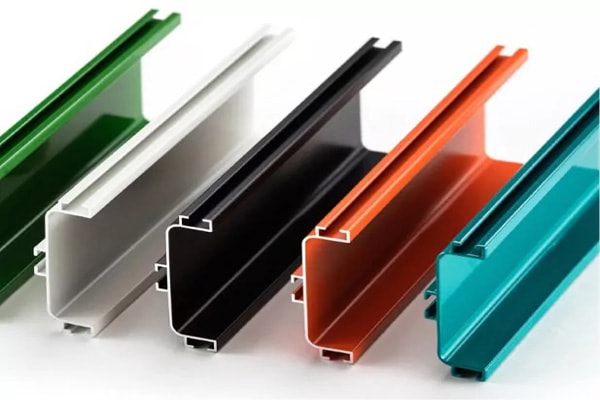
9) Conclusion
Alright! The importance of sheet extruder machines in manufacturing high-quality plastic sheets for different industries cannot be overlooked. The capability of achieving consistent output and the ability to shift to different materials make them indispensable in modern manufacturing.
However, if your priority is efficiency, safety and sustainability, then your production becomes future-ready. For those wanting to change their sheet extrusion process, Faygo Union provides excellent custom extrusion services with fast response times and good precision. Thus, Faygo Union will be a valuable partner for reliable and efficient sheet extrusion.
You can contact us right now by clicking here.
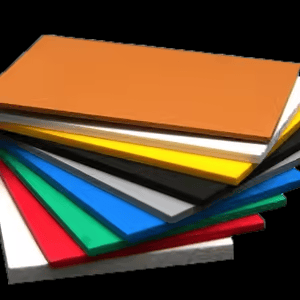
]]>
Plastic sheet extruders are vital for producing high-quality sheets used in various industries, including packaging, automotive, and medical devices.
Key components of plastic sheet extrusion machines include the extruder, sheet die, and cooling system, each playing a crucial role in ensuring efficient production and quality output.
Choosing the right materials, understanding processing parameters, and regular maintenance are essential for optimizing the plastic sheet extrusion process and achieving consistent, high-quality results.
What is Plastic Sheet Extruders
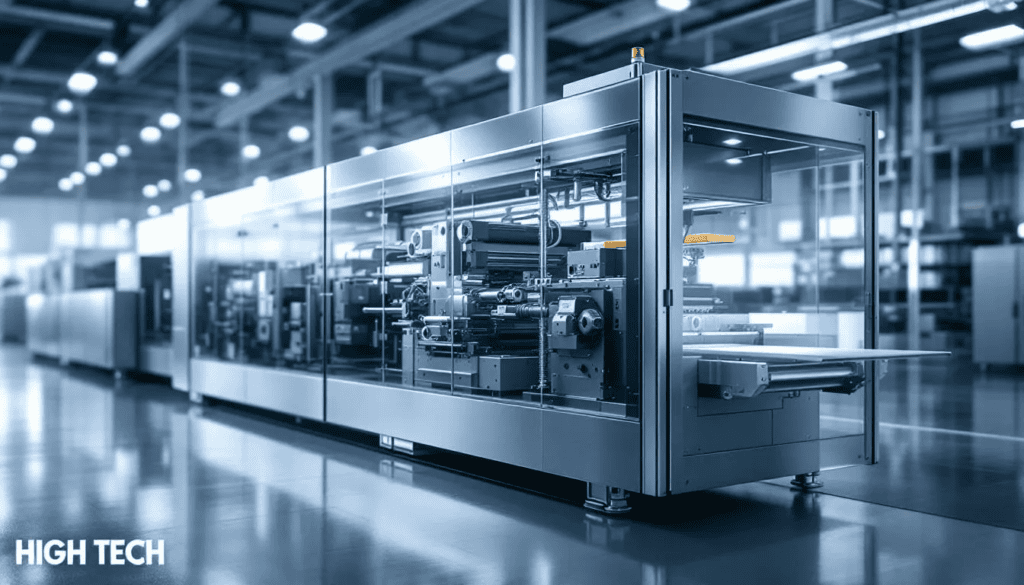
Plastic sheet extruders are pivotal in the manufacturing landscape, playing a crucial role in producing plastic sheets essential in various industries. These machines ensure high efficiency and quality, making them indispensable in applications ranging from packaging to construction.
With components like the extruder, sheet die, and cooling system, plastic sheet extrusion machinery transforms raw plastic materials into finished products with remarkable consistency and precision. Gaining insights into these machines’ operations and varieties helps appreciate their significance.
How Plastic Sheet Extruders Work
Plastic sheet extrusion starts with:
Raw plastic materials fed into a heated barrel.
Materials moving through the barrel and melting into a viscous liquid.
The viscous liquid being pushed through a sheet die, forming continuous sheets.
Once shaped, the extruded plastic sheets are rapidly cooled and solidified. This process not only allows for the production of thin films but also thicker sheets used in automotive and construction industries.
Types of Plastic Sheet Extruders
Plastic sheet extrusion machines come in two primary types: single-screw and twin-screw extruders. Single-screw extruders are widely used for general-purpose applications due to their simplicity and reliability.
Twin-screw extruders, on the other hand, offer enhanced mixing and compounding capabilities, making them ideal for more complex and high-quality plastic sheets. Both types play significant roles in producing various plastic products, ensuring the right machine is used for the right application.
Key Components of Plastic Sheet Extrusion Machines
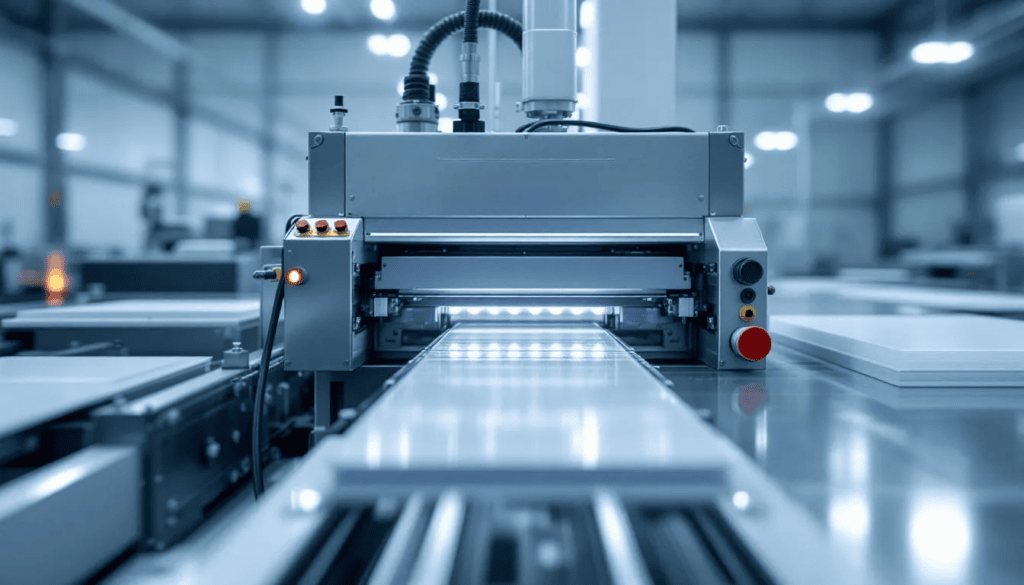
Understanding the key components of plastic sheet extrusion machines is essential for grasping how they function. These machines comprise several critical parts, including the extruder, sheet die, and cooling system. Each component plays a unique role in ensuring efficient production and high-quality output.
The extruder melts and homogenizes the plastic, the sheet die form it into thin sheets, and the cooling system quickly solidifies them to ensure precision and consistency.
The Extruder
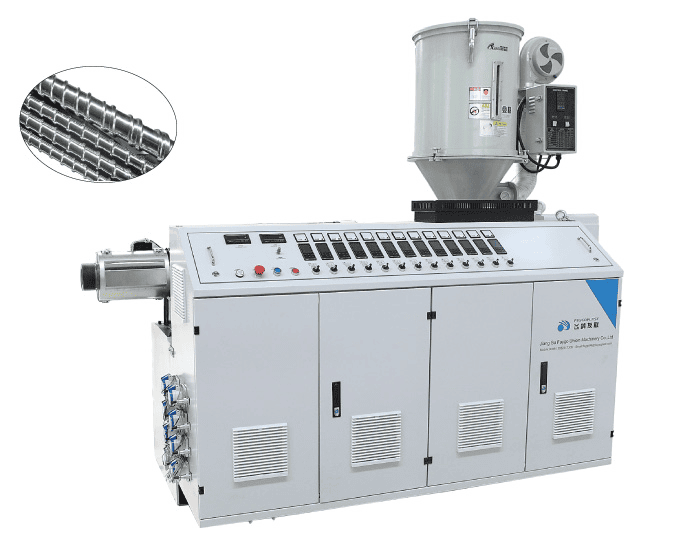
The extruder is the heart of the plastic sheet extrusion machine. It melts and homogenizes the plastic materials using a heated cylinder and a rotating screw. Production capacity for these machines is often measured in kilograms or pounds per hour, and this capacity can vary significantly based on the model and design of the extruder.
Grasping the extruder’s role is key to maintaining the efficiency and output of the extrusion process.
Sheet Die
The sheet die is a critical component that shapes the molten plastic into uniformly thick sheets and thin sheet. Precision engineering in the sheet die guarantees consistent thickness and surface quality of the extruded sheets.
The sheet die regulates the width and thickness, playing a fundamental role in producing high-quality, uniformly extruded plastic sheets.
Cooling System
The cooling system quickly solidifies the extruded sheets, maintaining their shape and precision. This phase rapidly reduces the temperature of the extruded material using various methods such as water and air, allowing the process to extrude efficiently.
Strategically located cooling roll ers provide even cooling, preventing deformation and ensuring the final product meets its specifications.
Materials Used in Plastic Sheet Extrusion
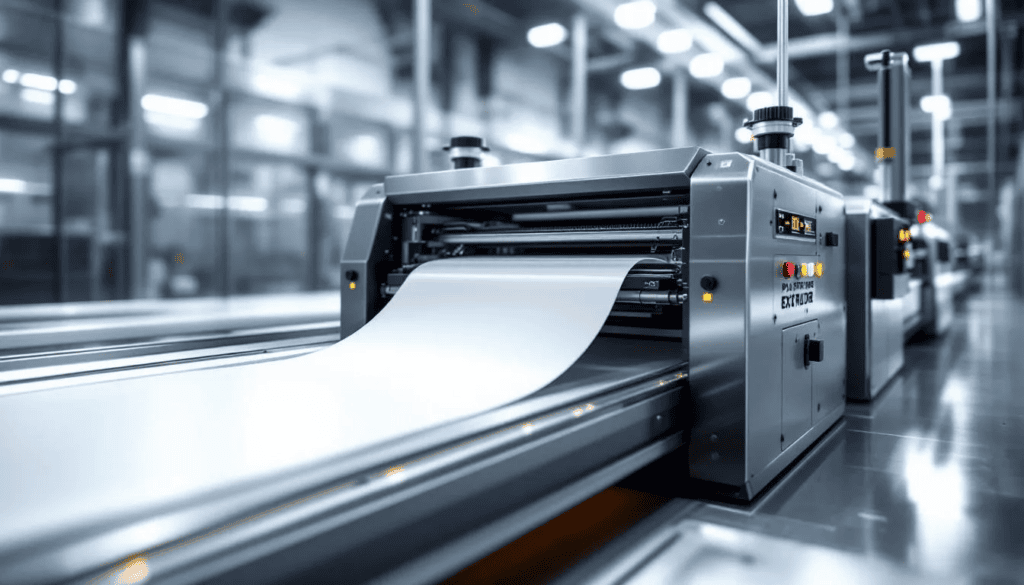
Selecting the right materials is crucial in the plastic sheet extrusion process. Commonly used materials include Polyethylene (PE), Polypropylene (PP), and Polyvinyl Chloride (PVC). Each material has its own unique properties and applications, affecting the extrusion process and the final product’s characteristics.
High-quality raw plastic materials reduce defects and improve the overall efficiency and quality of the produced plastic sheets.
Polyethylene (PE)

Polyethylene (PE) is known for its flexibility and toughness, making it versatile for various applications. Its balance of strength and flexibility ensures high-quality, durable plastic sheets.
Polypropylene (PP)
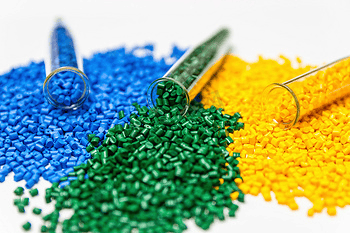
Polypropylene (PP) offers higher heat resistance, ideal for applications needing durability at elevated temperatures. Effective extrusion of PP requires a specific melt flow index and processing temperature between 180-240°C.
This versatility makes PP a popular choice for producing durable and high-quality plastic sheets.
Polyvinyl Chloride (PVC)
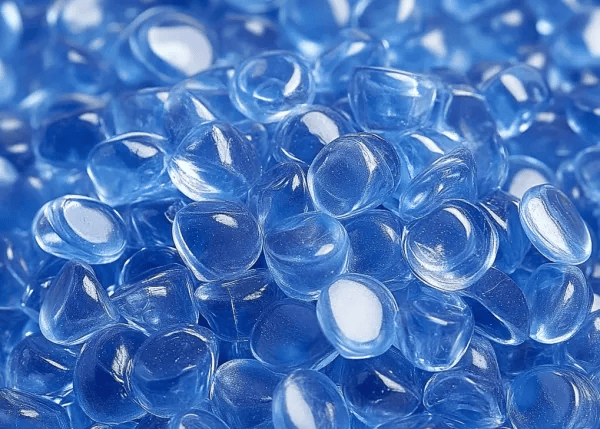
Polyvinyl Chloride (PVC) is widely used in plastic sheet extrusion due to its strength and weather resistance. Processing PVC involves incorporating stabilizers and maintaining a temperature range of 160-220°C.
These properties make PVC a preferred material for various applications, including construction and building materials.
Advantages of Using Plastic Sheet Extruders
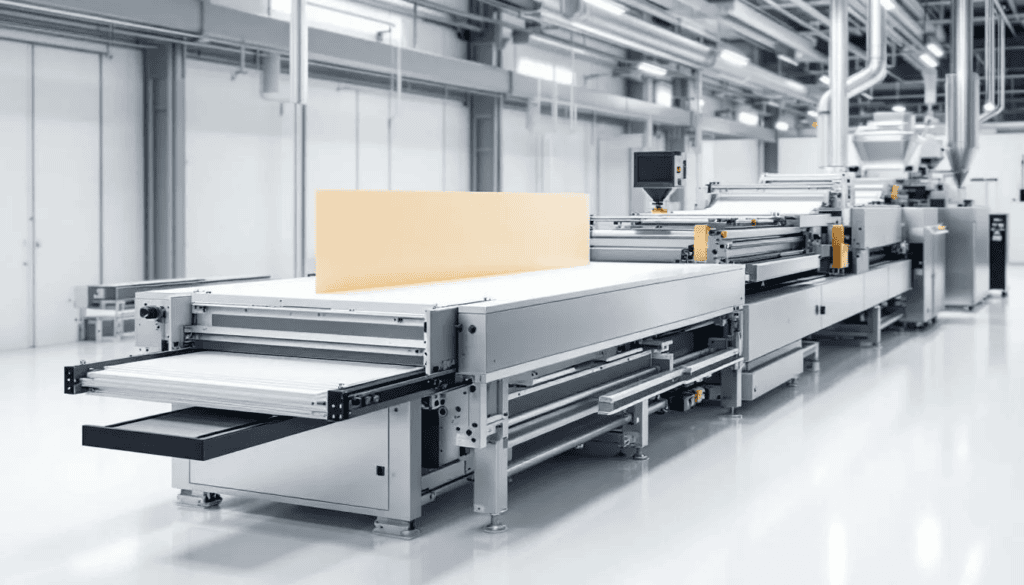
Plastic sheet extruders provide numerous benefits, such as cost-effective production, continuous sheet manufacturing, and precise material property customization. The extrusion process allows for large quantities of plastic sheets to be produced quickly and efficiently, reducing labor and assembly costs.
Modern extrusion machines also improve energy efficiency by optimizing heating and cooling mechanisms, further enhancing their cost-effectiveness.
Challenges in Plastic Sheet Extrusion
Despite their advantages, plastic sheet extruders face several challenges. Material inconsistencies, die clogging, and cooling issues can disrupt the extrusion process. Improper cooling can lead to warping or deformities in the extruded sheets, affecting their quality. Regular maintenance is crucial to avoid machine breakdowns and ensure consistent product quality.
Overcoming these challenges is vital for maintaining efficient and reliable support produce.
Applications of Extruded Plastic Sheets
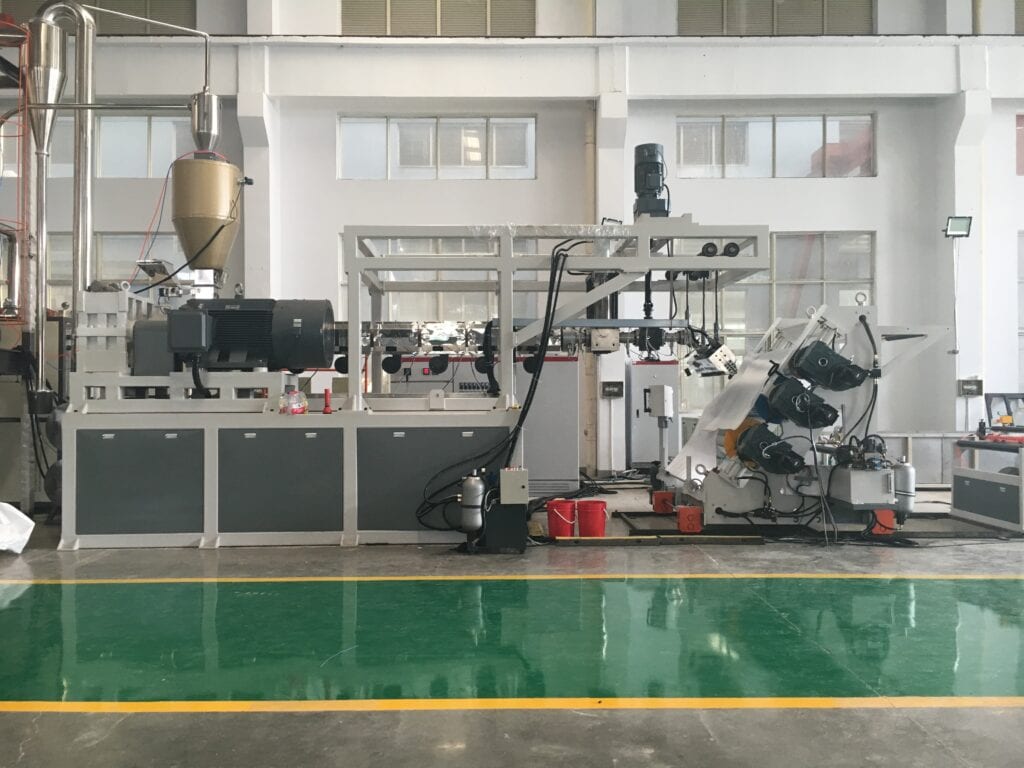
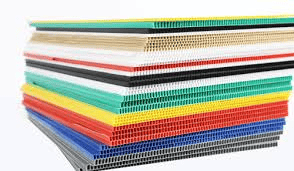
Extruded plastic sheets have a wide range of different applications across various industries. These sheets are integral to numerous products and components, from packaging to automotive and medical devices. Their versatility and adaptability make them invaluable in many sectors, ensuring that high-quality plastic sheets meet diverse industry needs.
Packaging Industry
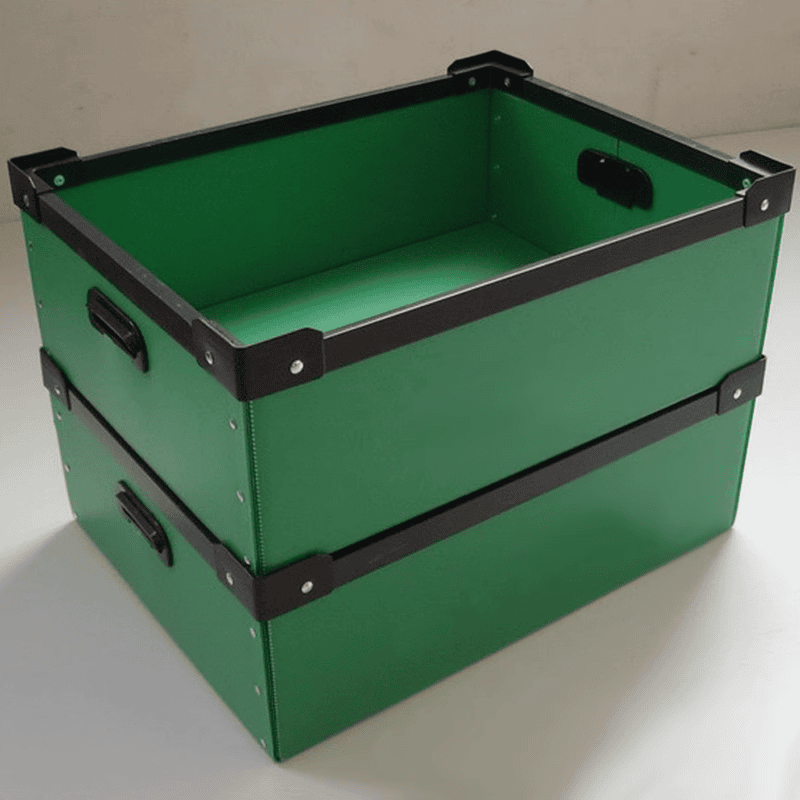
One of the largest consumers of extruded plastic sheets is the packaging industry. This sector relies heavily on these materials for various applications. These sheets are used to create clamshells, blisters, and skin films, thanks to their excellent chemical resistance and durability.
Polyethylene is a popular choice for packaging due to its strength and flexibility.
Automotive Industry

The automotive industry uses extruded plastic sheets to create components such as dashboards, panels, trim pieces, headlight lenses, and instrument clusters.
Polypropylene’s lightweight and fatigue resistance make it ideal for ensuring durable, high-performance automotive parts.
Medical Devices
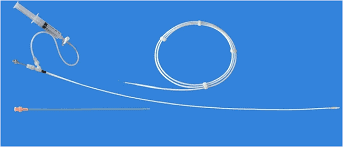
In the medical field, extruded plastic sheets are used for components like catheters and tubing. Polypropylene is favored in medical applications for its sterilization capabilities and regulatory compliance.
These properties make extruded plastic sheets vital for various medical devices and equipment.
Optimizing Plastic Sheet Extrusion Process
Optimizing the extrusion process involves adjusting settings like temperature, pressure, and real-time monitoring to enhance material flow and product quality. Effective degassing prevents air bubbles, ensuring the integrity of the extruded sheets.
Controlling the cooling rate is also crucial to prevent deformation and maintain product specifications.
Material Selection
Choosing the right raw plastic materials is key to achieving optimal results in plastic sheet extrusion. The type of material chosen can significantly impact the final sheet’s performance and characteristics.
Knowing the properties of different plastics and their extrusion compatibility is essential for producing high-quality sheets.
Processing Parameters
Processing parameters like temperature control, thickness tolerance, feeding speed, and cutting system accuracy influence the performance and quality of extruded plastic sheets.
Adjusting these parameters based on the materials and desired sheet characteristics ensures optimal quality and efficiency.
Regular Maintenance
Regular maintenance ensures that extrusion machines operate efficiently and reliably. It identifies and resolves issues before they escalate, extending equipment life and maintaining consistent product quality.
A scheduled maintenance program prevents unexpected downtimes and enhances operational efficiency.
Choosing the Right Plastic Sheet Extrusion Machine
Choosing the right plastic sheet extrusion machine involves considering production capacity, material compatibility, and customization options. Meeting specific production requirements and market demands is crucial for successful extrusion operations.
Leading facilities offer optimal solutions, catering to various manufacture expertise requirements.
Production Capacity
Assessing production capacity ensures extrusion operations meet market demands without compromising quality. Production speed, sheet dimensions, and extruder type significantly influence overall capacity.
Evaluating these factors helps manufacturers achieve desired output and maintain consistent quality.
Material Compatibility
The physical properties and processing requirements of plastics affect their compatibility with extrusion machines. Choosing thermoplastic materials should consider their melt flow index and thermal stability for effective processing.
Understanding material compatibility is essential for producing high-quality plastic sheets with impact resistance.
Customization Options
Customization options in plastic sheet extrusion provide flexibility, allowing manufacturers to tailor production to specific market needs and customer demands. Evaluating production goals, material compatibility, and desired end-product characteristics is crucial for choosing the right customization options.
These options ensure the extrusion process aligns with specific requirements, enhancing efficiency and quality.
In conclusion
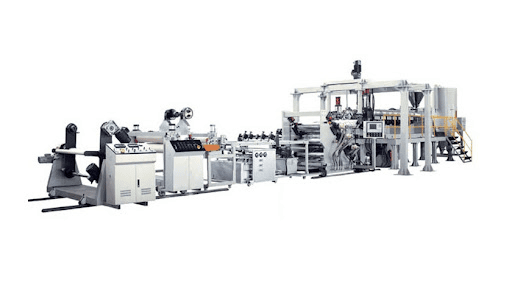
Overall,Plastic sheet extruders are indispensable in various industries, providing efficient and high-quality solutions for producing plastic sheets. Understanding their working principles, key components, and the materials used is essential for optimizing the extrusion process and overcoming challenges. With the right machine, proper material selection, and regular maintenance, manufacturers can achieve consistent product quality and meet diverse application needs. Embrace the advantages of plastic sheet extrusion to enhance your production capabilities and stay ahead in the competitive market.