Key Takeaways
- Extruded plastic profiles are vital in various industries such as automotive, medical, and construction, providing functionality and design versatility.
- Customization in plastic extrusion allows for tailored profiles that meet specific industry requirements, enhancing functionality and precision.
- The plastic extrusion process involves careful quality control and monitoring to ensure optimal performance, durability, and compliance with industry standards.
Overview of Extruded Plastic Profiles
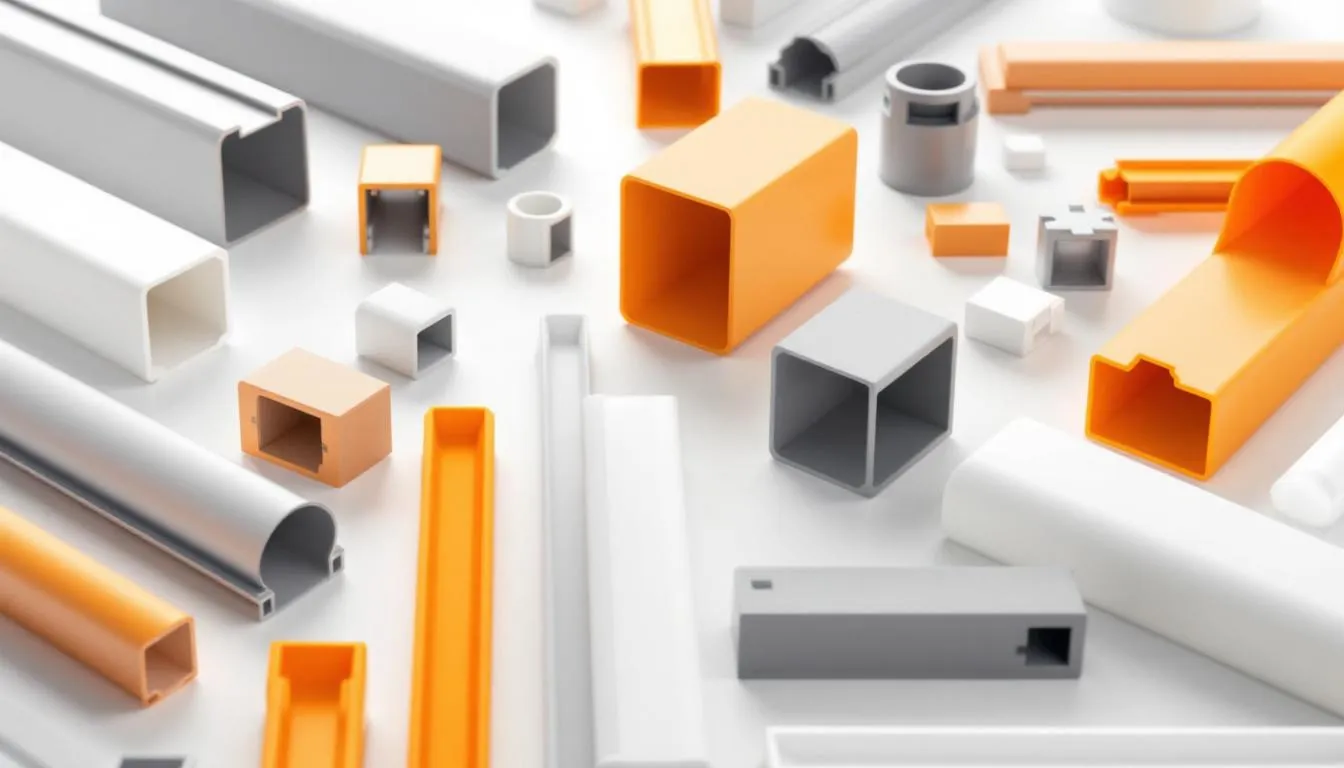
Plastic extrusion is a high-volume manufacturing process that transforms raw plastic materials into continuous profiles, known as extruded plastic profiles and stock plastic extrusions. These profiles are indispensable in various industries, contributing significantly to manufacturing efficiency and versatility. From automotive parts to consumer goods, extruded plastic profiles are everywhere, enhancing both functionality and design.
The versatility of extruded plastic profiles is evident in their usage across diverse sectors:
- In the automotive industry, they are used for weather seals and interior trims.
- In the medical field, they form the backbone of tubing and catheters.
- Agricultural applications, consumer goods, and even solar panels benefit from the adaptability and durability of extruded plastic profiles.
The process allows for the manufacture of tailored shapes and manufactured components, ensuring that each profile meets specific industry requirements.
Common shapes of plastic profiles include:
- Thin films
- Rods
- Wire sheets
- Trims
- Channels
- Tubing
- Gaskets
These shapes are designed to meet the unique demands of their respective applications, providing durability, flexibility, and efficiency. Materials like polyacetal, acrylic, and nylon further expand the range of applications, making polymer plastic extrusion a versatile and invaluable process in modern manufacturing.
Types of Plastic Materials Used in Extrusion
The choice of plastic materials is crucial in plastic extrusion, as it determines the properties and applications of the final product. A variety of thermoplastic materials are utilized, including ABS, PVC, and polypropylene, each offering unique plastic material properties that cater to specific needs, including different viscous plastics. For instance, material selection is important, as PVC is known for its durability and resistance to environmental factors, making it ideal for construction and automotive applications.
Polyethylene, polypropylene, polyacetal, acrylic, nylon, polystyrene, ABS, polycarbonate, and acrylonitrile butadiene styrene are among the most commonly used materials in plastic extrusion. Each material brings its own set of advantages:
- Low density polyethylene: valued for its flexibility and resistance to chemicals.
- Polypropylene: offers high tensile strength and is used in a variety of industrial applications.
- Polycarbonate: known for its impact resistance and is often used in safety and electronic applications.
Bausano extruders, for instance, can process a wide range of materials, including PVC and HDPE, enhancing the possibilities for custom plastic extrusions. This capability allows manufacturers to select the best material for their specific application, ensuring optimal performance and durability.
Custom Plastic Extrusions
Customization in plastic extrusion is a game-changer, allowing manufacturers to design unique profiles that meet specific industry requirements. This capability is especially crucial for projects that demand tailored solutions. Whether it’s a complex automotive component or a specialized medical device, custom plastic extrusions can be meticulously designed to enhance functionality and fit precise application needs.
The ability to produce small, tailored batches efficiently has significantly improved with advancements in customization capabilities. This means that even niche applications can benefit from the precision and versatility of custom plastic extrusions. Options for additive customization, such as UV resistance, color matching, and flame retardance, further enhance the performance of these profiles in various environments.
Precision manufacturing is key in custom plastic extrusions. Tolerances for wall thicknesses can range from 0.030 inches to 0.375 inches, ensuring that each profile meets the exact specifications required for its application. This high degree of customization in shapes and sizes makes extruded plastic profiles indispensable for a wide range of industries.
The Plastic Extrusion Process
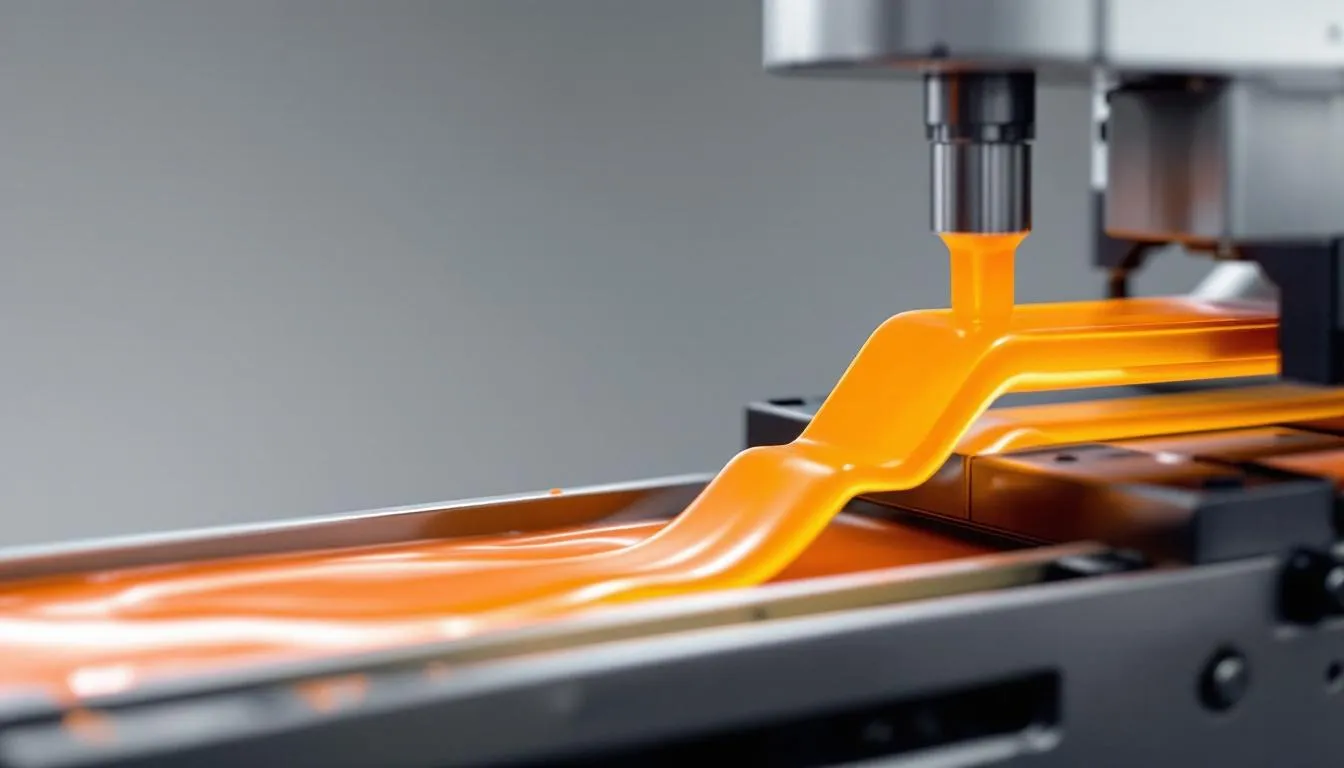
Plastic extrusion is a high-volume manufacturing process that transforms raw plastic materials into continuous profiles. The processed materials involve:
- Starting with raw plastic materials, typically in the form of granules, plastic pellets, pellet form, or powder.
- Feeding these materials into a heated chamber.
- Using a rotating screw to move the materials through the chamber.
- Gradually melting the materials through friction and applied heat in the plastics extrusion process.
The extrusion process involves the following steps:
- The temperature applied is carefully tailored to the specific type of plastic being used.
- As the plastic moves through the screw conveyor, it is sheared and heated, eventually becoming molten plastic.
- This molten plastic is then forced through a die, which shapes it into the desired profile extrusion by extruding it.
- The design of the die is crucial, as it ensures a smooth and consistent flow of melted plastic into the final product shape.
Cooling is an essential part of the extrusion process. Once the plastic exits the die, it must be cooled quickly to retain its shape. This can be done using air or water as the extruded plastic moves onto a conveyor belt. Cooling rolls may also be used to cool and size the extruded plastic immediately, ensuring precise internal and external dimensions.
Quality control is integral to the plastic extrusion process. It involves:
- Assessment of raw plastic materials to ensure their purity and integrity.
- Regular inspection of the extrusion die and screw to maintain proper material flow and pressure.
- Monitoring temperature, pressure, and speed during the extrusion process to guarantee consistent product quality.
Applications of Extruded Plastic Profiles
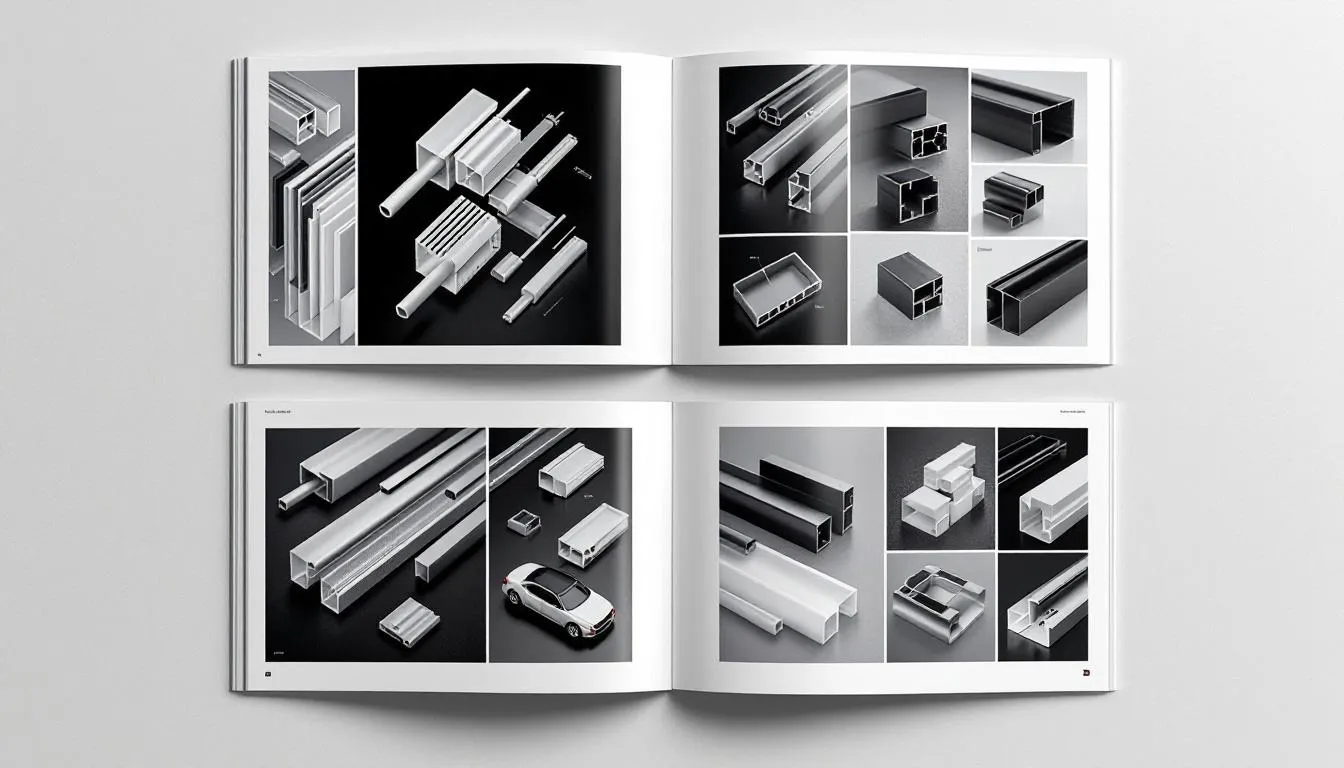
Extruded plastic profiles are used in a wide range of applications, thanks to their versatility and functionality. In the construction industry, extruded profiles contribute to the creation of weather-resistant and thermally efficient profiles used in windows and doors. These profiles help improve energy efficiency and durability in buildings, making them an essential component in modern construction.
The automotive industry relies heavily on extruded plastic profiles for various parts, especially those such as weather seals and interior trims. These other components are designed to withstand chemical and temperature variations, ensuring long-lasting performance.
In the medical field, plastic extrusion is key for producing rigid tubing and catheters, utilizing medical-grade plastics that comply with regulatory standards.
Extruded plastics also play a significant role in the packaging industry, where they are used to create plastic film and sheets of various thicknesses. These materials offer protective qualities that enhance product shelf life. Additionally, materials like polycarbonate and polystyrene are used in specialized applications, such as electronic housings and solar panel frames, further showcasing the versatility of extruded plastic profiles.
Advantages of Using Extruded Plastic Profiles
The advantages of using extruded plastic profiles are numerous. Their lightweight nature simplifies handling, transportation, and installation, leading to significant cost savings. Additionally, extrusion tooling is generally more economical and efficient compared to other plastic manufacturing methods.
Plastic extrusions are also known for their resistance to corrosion, chemicals, and moisture, making them suitable for harsh environments. The fabrication process is straightforward, allowing for efficient cutting, drilling, and assembly. Twin screw extruders, in particular, offer enhanced efficiency and energy-saving benefits, especially when handling materials with poor thermal stability.
Twin Screw Extruders vs. Single Screw Extruders
Twin screw extruders and single screw extruders each have their unique advantages and applications. The most common type of twin screw extruders are divided into two main types. These are co-rotating and counter-rotating extruders. They excel in blending and reactive extrusion due to their advanced mixing capabilities. Moreover, twin screw extruders have superior venting and self-cleaning functions compared to their single screw counterparts.
Single screw extruders, on the other hand, are simpler and less costly, making them suitable for basic applications. The E-GO Series one screw extruders, for example, are customizable in every detail with Digital Extruder Control 4.0, providing precision and efficiency for various plastic extrusion needs, including individual extruders delivering and a single extrusion head.
Co-extrusion Techniques
Co-extrusion is a technique that allows for the combination of multiple materials or colors in a single extrusion, providing both structural and aesthetic benefits. This method enables the fusion and layering of multiple layers to create a composite structure with enhanced properties. For instance, using different materials in co-extrusion can yield products with improved stiffness and resistance to heat.
However, co-extrusion also comes with its challenges. Not all plastics can be co-extruded due to compatibility issues, particularly with polymers that have differing melting points. Despite these challenges, plastic co extrusion remains a valuable technique for producing multilayer films or packaging that enhance product durability and strength.
Quality Assurance in Plastic Extrusion
Quality assurance is paramount in plastic extrusion to ensure that the final products meet desired technical and functional standards. Adhering to industry standards, such as ISO certifications, enhances the reliability and durability of extruded plastic profiles. Bausano, for instance, ensures maximum quality at the technical-functional level during the plastic extrusion process.
These quality control measures contribute to the overall excellence and durability of extruded plastic profiles. Monitoring parameters like temperature, pressure, and speed during the extrusion process ensures consistent product quality and performance.
Choosing the Right Plastic Extruder Manufacturer
Selecting the right plastic extruder manufacturer is crucial for ensuring high-quality production. A strong track record in the plastic extrusion industry is a key indicator of a manufacturer’s reliability. Evaluating the technology and equipment used by a manufacturer can significantly impact production precision and efficiency.
Good communication and after-sales support are essential for building a trustworthy supplier relationship. Customer feedback and references provide valuable insights into a supplier’s reliability and service quality. Additionally, on-time delivery performance is crucial for maintaining production schedules and avoiding disruptions.
Innovations in Plastic Extrusion Technology
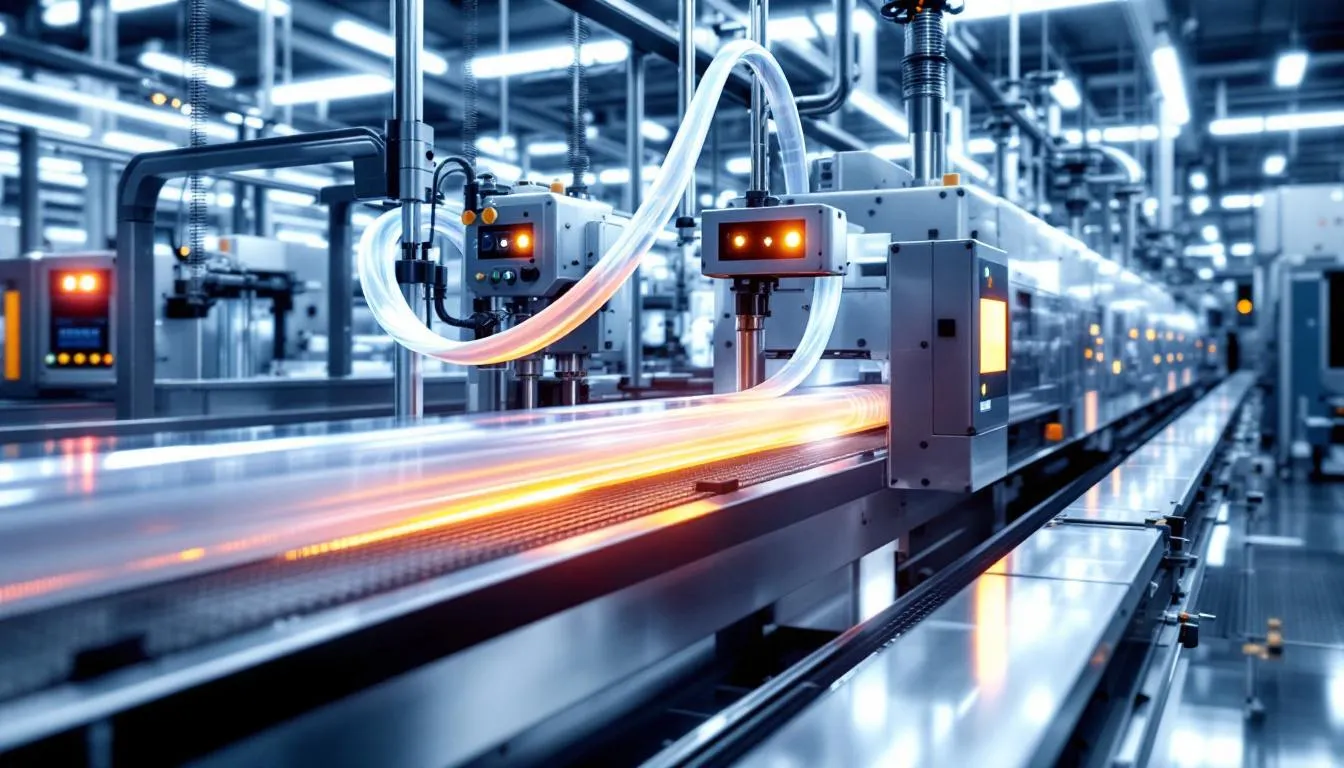
The plastic extrusion industry is witnessing significant advancements, particularly with the integration of digital technologies. These innovations allow for real-time monitoring and predictive maintenance, enhancing efficiency and reducing downtime. Energy-efficient designs and advanced heating systems are being developed to reduce energy consumption in plastic extrusion processes, including those involving plastic extruders. The plastics industry is evolving rapidly, adapting to these new technologies.
Incorporating renewable energy sources is another innovative solutions practice being adopted to decrease reliance on fossil fuels. These developments are essential for lowering carbon emissions and promoting sustainability in plastic extrusion manufacturing.
Environmental Impact and Sustainability
The environmental impact of plastic extrusion processes is a significant consideration, given the materials used and energy consumed. Key points include:
- Utilizing recycled materials in extrusion processes can significantly reduce environmental impact.
- Co-extrusion techniques can incorporate recycled materials mixed with virgin plastics.
- These methods help reduce material costs and waste.
The plastic extrusion industry is increasingly moving towards a circular economy model by incorporating recycling technologies to minimize the need for new materials. Recent technological advancements, such as induction heating systems and recycling extruders, have enhanced sustainability in plastic extrusion.
Manufacturers are committed to reducing energy consumption and recovering plastic scrap material to lessen their environmental impact.
Summary
In summary, extruded plastic profiles are a cornerstone of modern manufacturing, offering versatility, efficiency, and customization. The high-volume manufacturing process, coupled with the wide range of materials available, makes plastic extrusion an invaluable technology across numerous industries. From construction to automotive, and medical to packaging, the applications are diverse and impactful.
As we move forward, innovations in plastic extrusion technology and a focus on sustainability will continue to shape the industry. By understanding the intricacies of the extrusion process and the benefits of custom plastic extrusions, manufacturers can leverage this technology to enhance their products and reduce their environmental footprint. The future of plastic extrusion is bright, promising continued advancements and sustainable practices.
]]>Key Takeaways
- Plastic profile extrusion is a versatile manufacturing process used to create customized plastic shapes across various industries, adhering to stringent quality controls.
- Custom plastic extrusions enable tailored solutions, improving production efficiency and allowing for unique designs that cater to specific industry needs.
- Recent innovations, including automation and sustainable practices, are enhancing the efficiency and eco-friendliness of plastic profile extrusion, shaping future trends in the industry.
What is Plastic Profile Extrusion
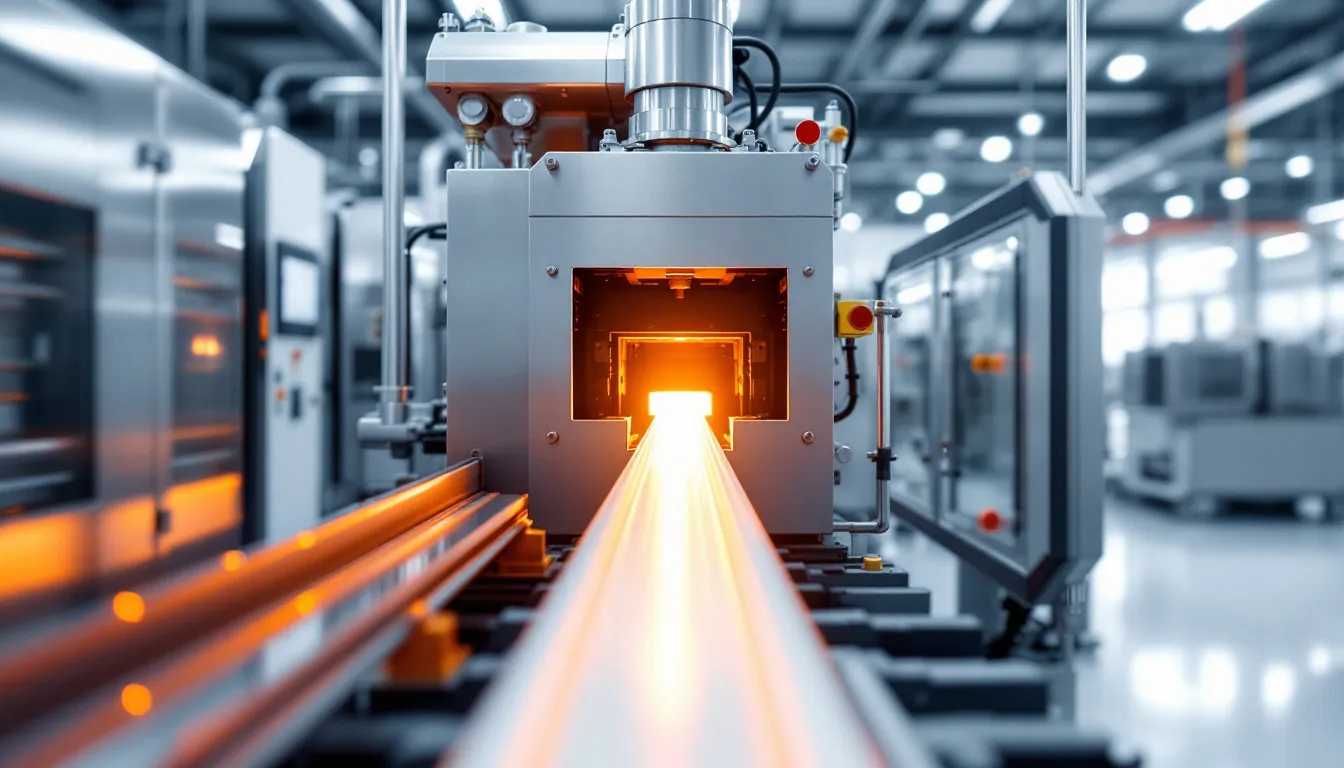
Plastic profile extrusion is a cornerstone of modern manufacturing, creating customized plastic shapes for numerous applications. With over 7,000 profiles developed, this versatile process caters to diverse industry needs, with high standards and stringent quality control ensuring product integrity and customer satisfaction. Plastics extrusion plays a vital role in this process.
The process involves:
- Heating raw plastic materials until they are molten
- Forcing the molten plastic through a die to create continuous shapes, shaping the final product in the entire process
- Cooling the shapes to solidify them
This high-volume manufacturing method is crucial for producing consistent, high-quality manufactured rigid plastic profiles using injection molding.
What is Plastic Profile Extrusion?
Plastic profile extrusion involves melting raw polymers and forcing the molten plastic through a die to create continuous shapes. This efficient plastic profile extrusion process is ideal for high-volume production, ensuring consistent and uniform profiles.
The versatility of plastic extrusion is evident in its ability to produce a wide range of shapes and sizes, from simple tubing and sheet extrusion to complex custom profiles, including plastic tubing. These profiles can then be cooled and solidified, ready for use in various applications.
Key Applications of Plastic Profiles
Plastic profiles are integral to numerous industries due to their versatility and functional attributes. In the construction sector, they are used for components like window frames and drainage systems, while the automotive industry employs them for parts like seals and trims.
Customization further enhances the applicability of these profiles across various sectors.
Custom Plastic Extrusions: Tailored to Your Needs
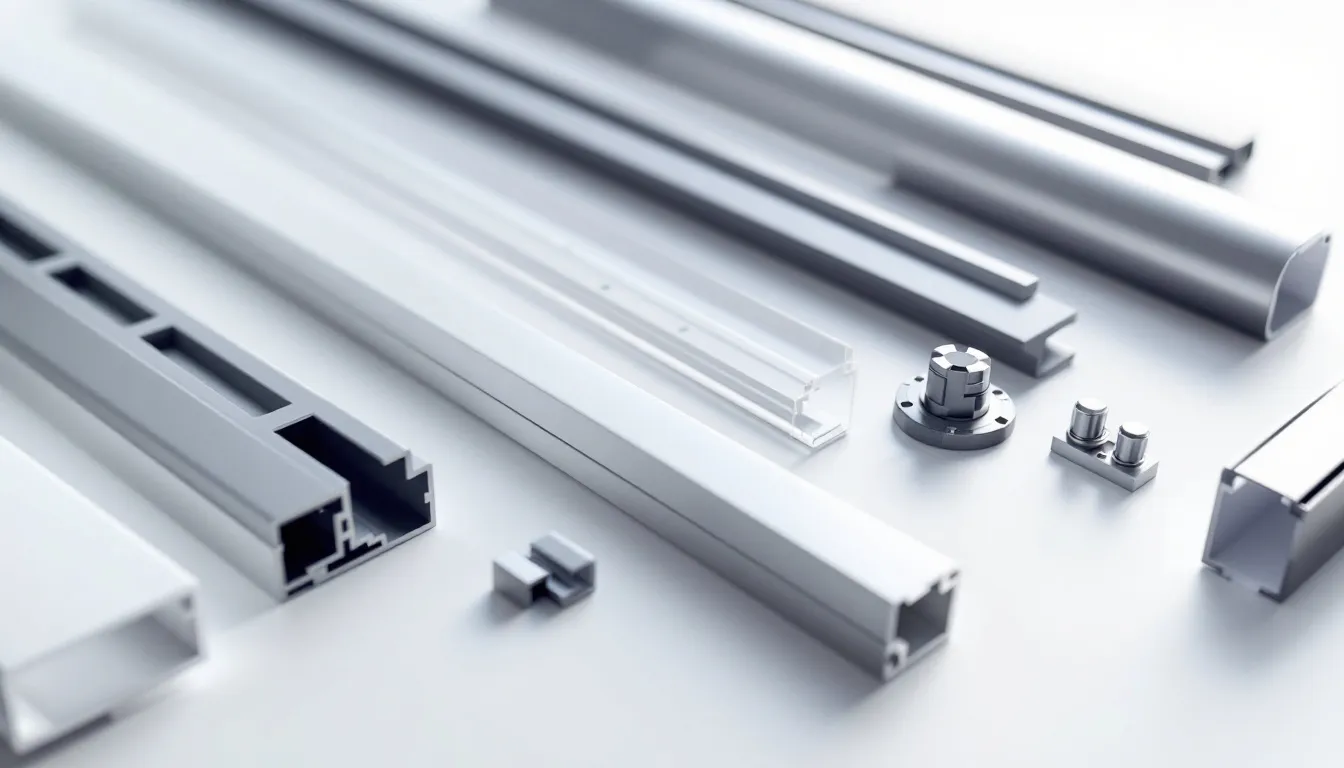
Custom plastic extrusions provide tailored solutions, enhancing production efficiency and product performance. When standard profiles are insufficient, custom extrusions offer the flexibility to create unique designs, benefiting industries like construction with specialized architectural and functional components.
Plastic profile extrusion is crucial across various sectors, contributing to a wide range of products. Options include ready-to-ship or custom extrusions, catering to different needs. Custom extrusions are particularly valuable when stock options don’t fit, allowing businesses to create tailored solutions.
The Custom Extrusion Process
The journey of custom plastic extrusion involves several key steps:
- Selecting the appropriate raw material, which is then heated and melted.
- Using an Extrusion Design Guide to design the extrusion profile, ensuring the final product meets specific requirements.
- Employing rapid prototyping to create preliminary designs quickly, allowing for testing and refinement before full-scale production.
Standard profiles can be customized to specific sizes, shipping closer to their final form and reducing the need for additional processing. Whether it’s hot, cold, or warm extrusion, the process involves careful planning and execution to produce high-quality custom extrusions.
Material Selection for Custom Extrusions
Selecting the right material for custom plastic extrusions is essential, affecting flexibility, chemical resistance, and durability. Extensive experience in thermoplastic extrusion aids in optimal material choices, balancing performance and cost. The lightweight nature of plastics also offers energy efficiency and cost-effectiveness over traditional materials.
Thermoplastic materials are favored for custom extrusions due to their versatility and performance. Choosing the right thermoplastic material significantly impacts the success of the project, effectively balancing cost and performance.
Advantages of Custom Plastic Extrusions
Demand for unique shapes and materials is driving customization in plastic profiles. Custom profiles enhance aesthetics and functionality in architectural and industrial applications. This approach is cost-effective for high-volume production, as the process runs continuously after the initial die is made.
Using multiple materials in extrusion can lower manufacturing costs and optimize material usage. The combination of customization and cost-effectiveness makes custom plastic extrusions a preferred choice across many industries, enabling unique designs and enhanced performance.
Co-Extrusion & Multi-Material Solutions
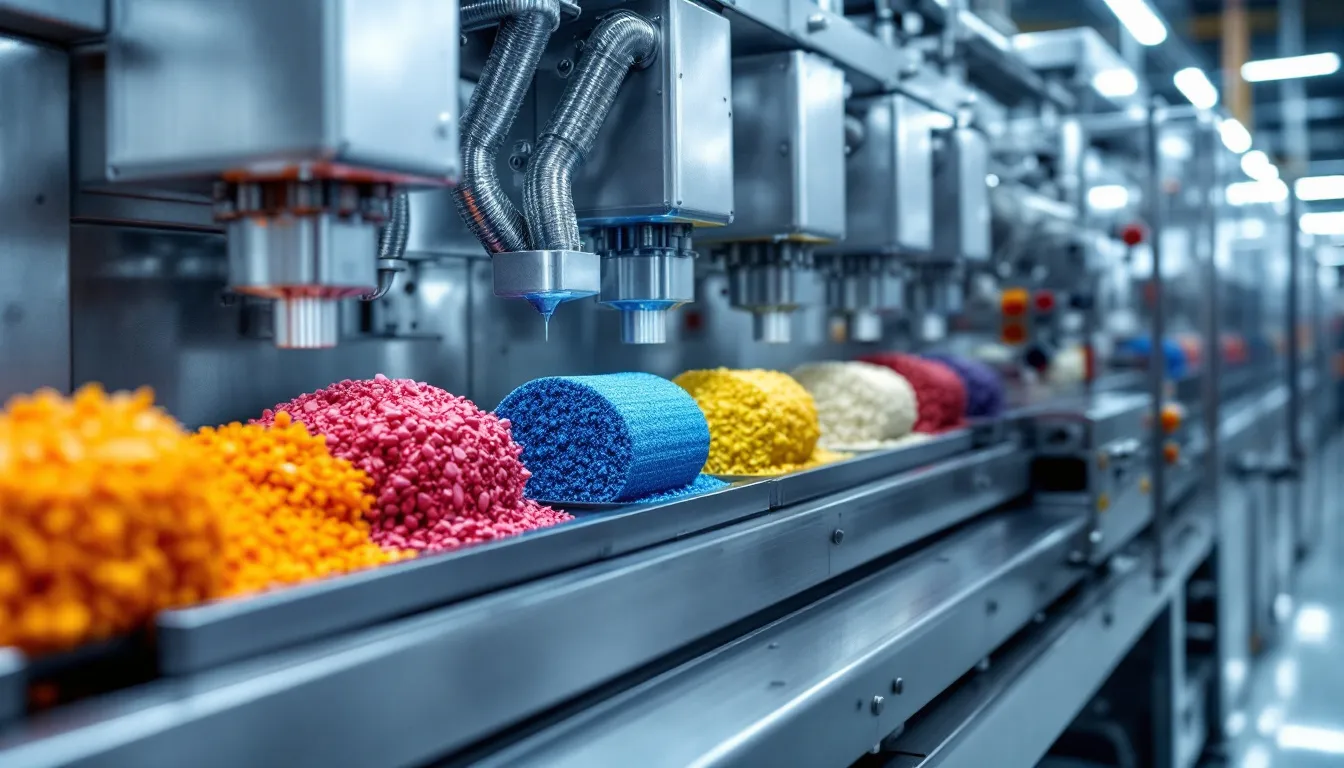
Co-extrusion technology combines multiple materials into a single product, enhancing functionality by leveraging different material properties. This process is beneficial for creating profiles that require characteristics like strength and flexibility within a single structure.
The use of multiple materials in co-extrusion can significantly improve product performance, making it a valuable technique in various industries. By combining different materials at the die stage, co-extrusion produces a cohesive structure that meets specific functional and aesthetic needs.
What is Co-Extrusion?
Co-extrusion involves extruding multiple materials simultaneously to create a cohesive structure. This technique combines different materials or multiple colors into one part, enhancing functionality and appearance. Unlike standard extrusion, co-extrusion processes multiple materials simultaneously, offering greater design flexibility.
At the die stage, the materials are combined to form a unified profile, leveraging the unique benefits of each material. This process is particularly useful for applications that require multiple layers or varying properties within a single product to combine multiple materials.
Benefits of Using Multiple Materials
Using multiple materials in a single profile offers several benefits:
- Enhances overall strength while maintaining flexibility.
- Simplifies manufacturing through co-extrusion by combining functional needs without additional assembly.
- Improves functionality.
- Offers design flexibility for custom applications.
Using multiple materials in extrusion creates products with enhanced performance characteristics, such as increased durability and improved environmental resistance. This makes co-extrusion valuable for producing high-quality, functional products.
Common Applications for Co-Extruded Profiles
Co-extruded profiles are used in various industries, including automotive interiors, retail displays, and specialty packaging. Common products include edge trims, seals, and dual-durometer items, benefiting from enhanced functionality and aesthetics.
The versatility of co-extruded profiles enhances the functionality and aesthetics of various products. From automotive trim components to window frames, these profiles offer improved options and solutions across multiple industries.
Innovations in Plastic Profile Extrusion
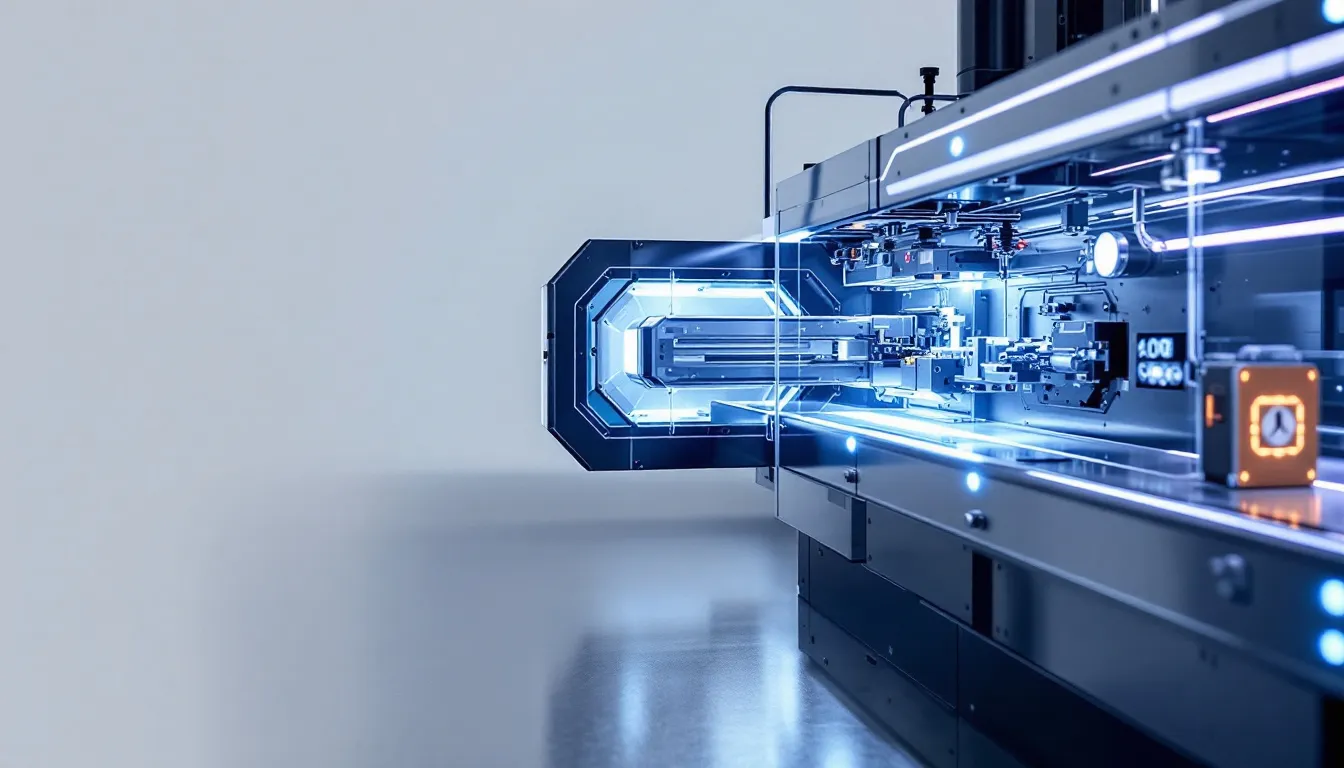
Recent advancements in plastic extrusion technology are enhancing production efficiency and precision. Innovations include integrating IoT devices for real-time monitoring, improving product quality and reducing downtime. These advancements are transforming the extrusion process, making it more efficient and reliable.
Sustainability is also a key focus, with practices aimed at transforming waste into valuable raw materials and shifting towards biodegradable plastics to address environmental concerns.
The integration of 3D printing with traditional extrusion techniques is another innovative solutions approach expected to create more sustainable products.
Advanced Extrusion Technologies
Automation is crucial in modern plastic profile extrusion, lowering costs, improving repeatability, and reducing lead times. IoT devices enable real-time monitoring of extrusion parameters, enhancing product quality and reducing downtime. Automated systems check temperature, pressure, and flow rate, ensuring consistency.
Innovative screw designs optimize material flow, improving product consistency and reducing energy consumption. Utilizing 3D printing for tooling design enhances flexibility, allowing quicker adaptations to project requirements.
Sustainable Practices in Extrusion
The shift towards biodegradable plastics is transforming the extrusion industry by addressing pollution concerns. Sustainable practices are crucial for mitigating the environmental impact of plastic production. Integrating 3D printing with traditional extrusion techniques is expected to create more sustainable products, reducing waste and promoting eco-friendly practices.
Adopting sustainable practices allows the extrusion industry to produce high-quality products while minimizing environmental impact. This approach benefits the environment and enhances the industry’s reputation and customer trust.
Future Trends in Plastic Profile Extrusion
Future trends in plastic profile extrusion indicate continuous evolution to meet new challenges and opportunities. Developing multilayer extrusion techniques create products with enhanced functionalities, catering to diverse needs. Digital manufacturing processes are expected to reshape extrusion, making production more customized and on-demand.
Adapting to these future trends is critical for manufacturers aiming to maintain a competitive edge. Staying ahead allows them to leverage new technologies and practices to produce innovative, high-quality products.
Quality Control in Plastic Profile Extrusion
Maintaining high standards and effective quality control is vital for successful plastic profile extrusion. Quality control ensures product integrity, functionality, and customer satisfaction. Processes like in-line printing, notching, and drilling enhance the functionality and aesthetics of extruded profiles.
Evaluating a plastic extruder’s adherence to industry standards is vital for ensuring product quality. High standards and effective quality control ensure functionality and enhance customer satisfaction and trust.
Inspection Techniques
Inspection techniques are crucial for maintaining high-quality standards in extruded profiles. Regular calibration of die setups prevents dimensional inaccuracies, ensuring precise product dimensions. Implementing degassing systems mitigates surface defects caused by trapped air pockets.
Careful monitoring and control of temperature fluctuations during extrusion are crucial for maintaining product consistency and quality. Regular maintenance and cleaning of extruders, including cooling rolls, prevent blockages from impurities or unmelted materials, ensuring smooth production.
Common Quality Issues and Solutions
Common quality issues in plastic profile extrusion include visual defects, dimensional inaccuracies, and surface imperfections. Visual inspections and dimensional measurements assess the quality of extruded profiles. Strategies to prevent issues like seal chatter include using slip-coats, blending slip-agents into seal materials, and applying flock tape or spray.
Surface treatments like painting, anodizing, and coating significantly improve the durability and visual appeal of plastic profiles, enhancing performance and longevity.
Certification and Standards
Adhering to industry certifications and standards ensures product quality and reliability for plastic profile extruders. Certifications like:
- ISO 14001:2004
- ISO/TS 16949:2009
- WBENC Demonstrate compliance with international standards, ensuring products meet customer and regulatory requirements.
These certifications enhance the credibility of plastic profile extruders and promote consumer trust.
Secondary Operations and Finishing Services
Secondary operations and finishing services improve the functionality and aesthetics of plastic profiles. Services include:
- Heat treating
- Printing
- Labeling
- Welding
- Anodizing
- Electroplating
These services enhance the durability, usability, and visual appeal of extruded profiles. Incorporating these operations allows manufacturers to produce high-quality finished products for various applications.
These additional processes enhance product performance, attractiveness, and user-friendliness, catering to specific customer requirements. Secondary operations are essential for creating customized solutions for diverse industry needs.
In-House Tooling and Fabrication
In-house tooling and fabrication are critical for the efficiency and quality of plastic profile extrusion. Manufacturers offer in-house services like design, tooling, prototyping, production processing, and secondary operations, ensuring a streamlined, cost-effective production process. In-house tooling improves quality control, reduces costs, and shortens lead times, benefiting customers significantly.
Maintaining in-house tooling and custom fabrication capabilities allows manufacturers to quickly adapt to project requirements and offer fast, timely delivery of high-quality products. This approach saves time and money for customers, enhancing production efficiency.
Surface Treatments and Coatings
Surface treatments and coatings enhance the durability, appearance, and performance of plastic profiles. Common coatings include UV protectants, antimicrobial finishes, and decorative coatings, which increase resistance to environmental factors and extend product lifespan.
Surface treatments improve the aesthetic qualities of plastic profiles, making them more visually appealing and suitable for various applications, including enhancing the surface texture.
Assembly and Packaging
Proper assembly and packaging are crucial for protecting and presenting finished product plastic products during delivery. Customized packaging solutions meet specific logistical requirements, ensuring safe transport of extruded profiles.
Components like end caps may be included with extruded products during packaging, enhancing functionality and presentation.
Industries Served by Plastic Profile Extruders
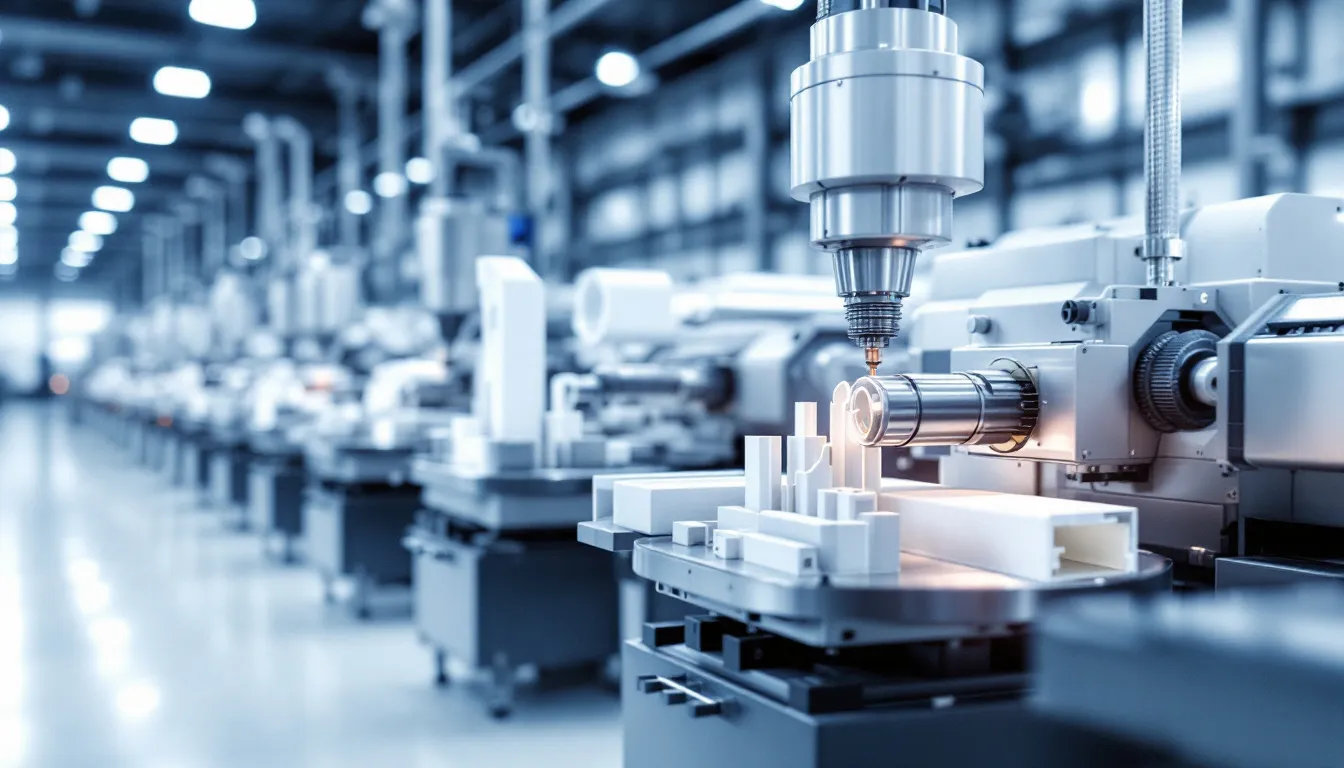
Plastic profile extrusions serve a wide range of industries, showcasing their versatility and functional benefits. The industry is projected to grow at a CAGR of 3.7% from 2022 to 2030, driven by innovations and eco-friendly materials. Co-extruded profiles are widely used in automotive trim components, window frames, and packaging solutions, highlighting their importance across various sectors.
The construction sector, in particular, employs co-extruded profiles for creating window frames and weather stripping, while the automotive industry uses them for seals and trims. Utilizing recycled materials in extrusion processes significantly reduces reliance on virgin plastics, promoting sustainable production practices and minimizing environmental impact.
Automotive Industry
Plastic profiles play a critical role in automotive manufacturing by providing essential components like seals and trims. To prevent issues like bleeding in rubber seals, manufacturers can use alternative materials such as thermoplastic vulcanizate (TPV), ensuring proper sealing and insulation.
These profiles enhance the functionality and durability of automotive components, contributing to the overall performance and safety of vehicles.
Construction and Building Materials
In the construction sector, plastic profiles are crucial for creating window frames, pipe systems, and insulation materials. Their lightweight nature makes them easier to transport and install compared to traditional materials, providing energy efficiency and cost-effectiveness. Additionally, flexible pvc pipes are often used in these applications for their durability and versatility, making them an excellent choice for various plastic material needs.
Plastic extrusions are also essential for making roofing components and trim, enhancing the structural integrity and aesthetic appeal of buildings.
Consumer Goods and Electronics
The versatility of plastic profiles allows manufacturers to create a wide range of products, from household items to complex electronic devices. Consumer goods such as kitchenware and sporting goods often incorporate plastic extrusions in their design, leveraging their functional and aesthetic benefits.
In consumer electronics, plastic profiles are used for components like protective casings and structural supports, highlighting their importance in this sector.
Choosing the Right Plastic Profile Extruder
Choosing the right plastic profile extruder is crucial for ensuring high-quality outcomes and meeting specific production needs. When selecting an extruder, consider the following factors:
- Reliability
- Capacity
- Specialized services to meet your requirements
- The company’s experience in the industry, which provides insights into their reliability and capability to fulfill your needs
Prioritize companies with a strong track record of successful production and customer satisfaction. Consider the following factors to determine if they are the right fit for your project:
- Assess their capabilities
- Evaluate their customer service and support
- Ensure effective communication throughout the project
- Confirm availability of technical support to address any issues
These elements are essential for ensuring optimal product performance and addressing any issues that may arise.
Assessing Capabilities and Experience
Evaluating an extruder’s capabilities and experience is crucial for ensuring high-quality production of plastic profiles. Experience in handling complex challenges can indicate a manufacturer’s ability to produce specialized profiles, making it an important consideration when selecting an extruder.
Assessing their manufacturing experience and past projects can provide valuable insights into their expertise and reliability.
Evaluating Customer Service and Support
Excellent customer service and structural support are vital for successful extrusion projects. Integrating customer service, technical support, and communication leads to increased efficiency and satisfaction, fostering trust and building long-term relationships between the extrusion provider, clients, and the engineering team.
Effective communication throughout the project allows for adjustments and improvements based on feedback, enhancing overall project outcomes.
Requesting Quotes and Samples
Requesting samples from a plastic profile extruder can help assess the quality of their products before making larger commitments. When requesting quotes, providing detailed specifications ensures accurate estimates from the extruder, allowing for better planning and budgeting.
Evaluating quotes and samples helps in making informed decisions, ensuring you choose the right extruder for your needs.
In general
In general, understanding the intricacies of plastic profile extrusion, from the basic processes to advanced innovations and quality control, is essential for leveraging its full potential. Custom plastic extrusions, co-extrusion, and secondary operations offer tailored solutions that enhance product performance and efficiency. By selecting the right extruder, businesses can ensure high-quality outcomes and meet specific production needs. Embracing these insights will empower you to make informed decisions and achieve success in your extrusion projects.
]]>