Key Takeaways
- Plastic extrusion is a precise manufacturing process that transforms thermoplastic materials into various shapes through heating, melting, and cooling.
- Understanding the types of extruders—single screw and twin screw—is crucial for selecting appropriate equipment for specific applications, with each type offering distinct advantages.
- Custom and co-extrusion techniques allow for the production of tailored plastic profiles and multi-layered structures, enhancing product performance and meeting diverse industry needs.
Understanding Plastic Extrusion
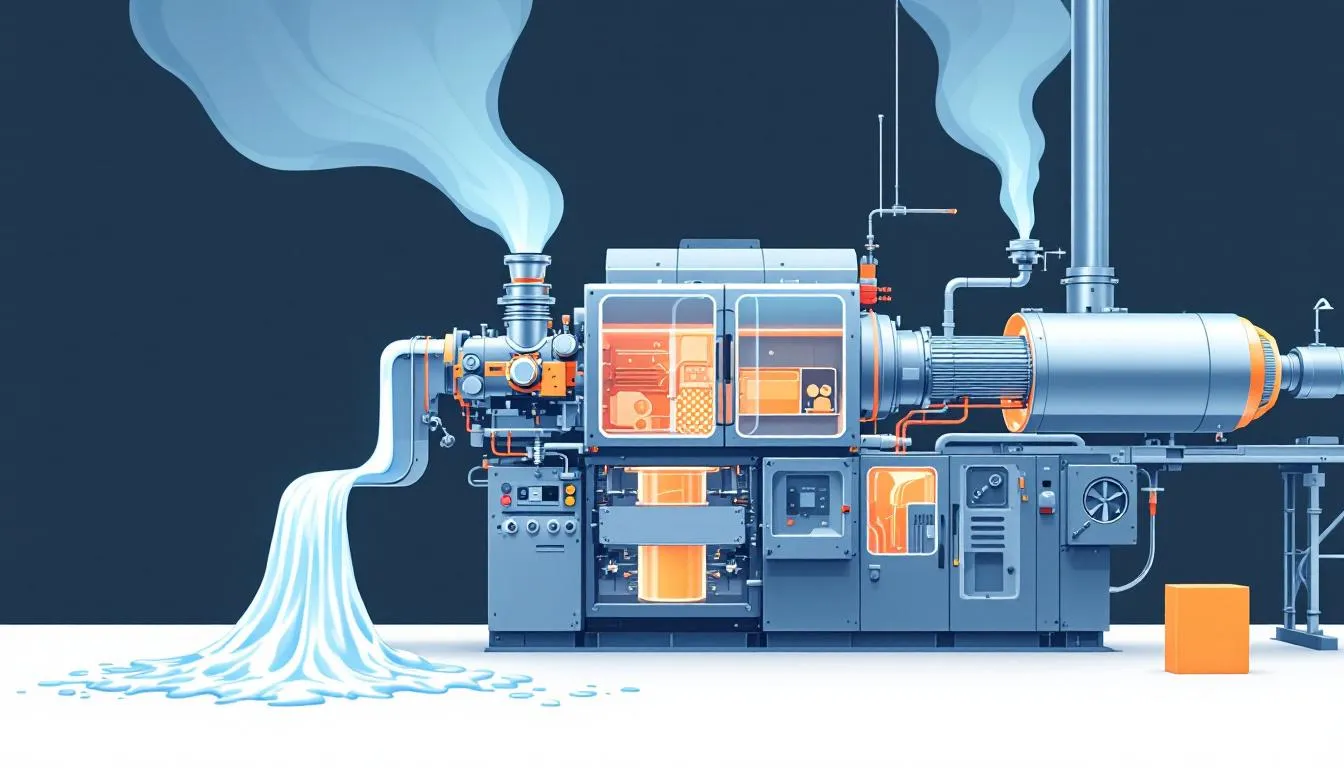
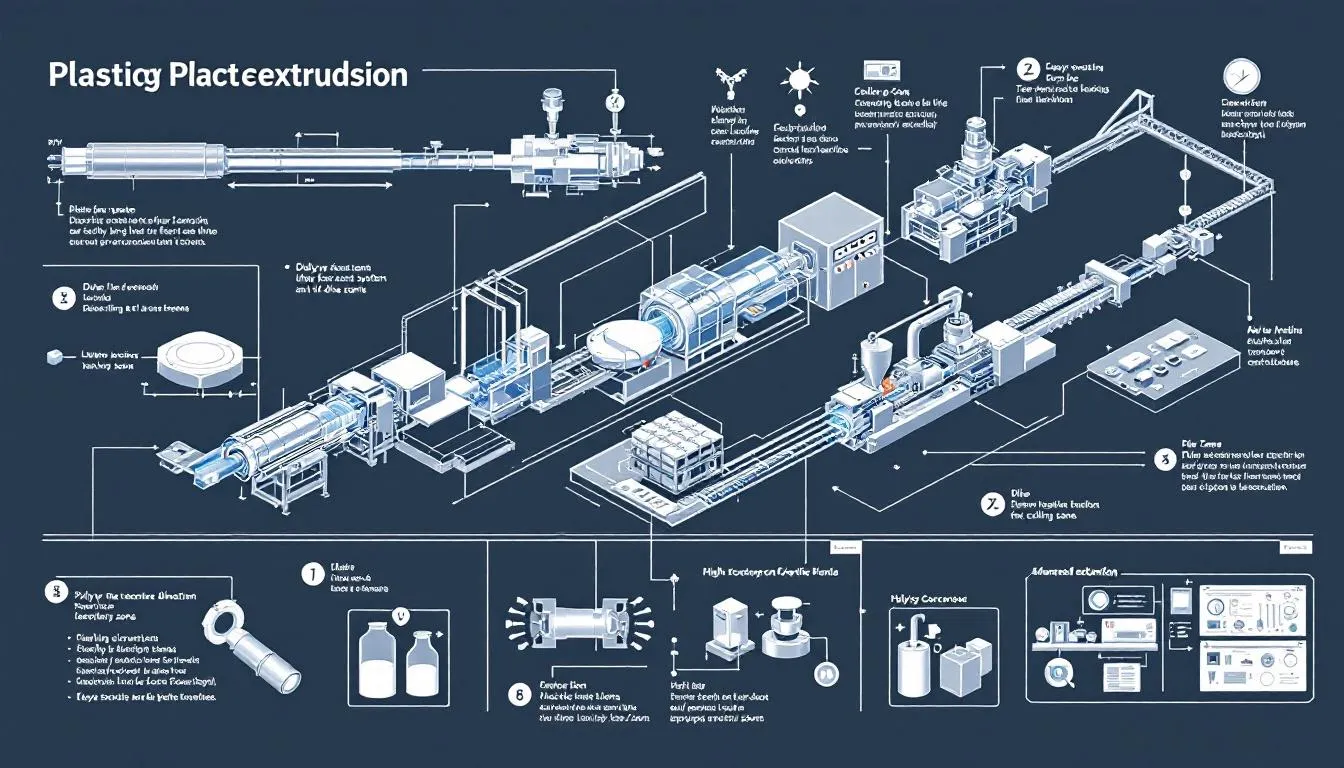
Plastic extrusion is a method where thermoplastic material is melted into a homogeneous state before being shaped through a die. The process involves the following steps:
- Feeding raw plastic material from a hopper into the barrel.
- Inside the barrel, a rotating screw applies pressure, pushing the molten plastic through a precisely shaped die, which determines the final profile of the extruded product.
- Cooling the extruded material to retain its newly formed shape.
Picture a bustling factory floor where the plastic extrusion process is in full swing:
- Raw plastic granules are fed from a hopper into the barrel.
- The granules are heated and transformed into a molten polymer.
- The rotating screw applies just the right amount of pressure to push the molten plastic through the die.
- The extruded plastic profiles emerge and are quickly cooled.
- The profiles solidify into their final shapes, showcasing various plastic forming processes in the high volume manufacturing process, including profile extrusion.
This process is not just about turning plastic into usable forms; it’s about precision and efficiency. Each step, from feeding the raw material to cooling the extruded product, is meticulously controlled to ensure high-quality results. Whether it’s producing stock plastic extrusions or custom plastic profiles, the plastic extrusion process is a marvel of modern manufacturing.
Key Components of Plastic Extruders
Understanding the key components is essential to appreciate the intricacies of plastic extrusion. Central to the process is the plastic extruder, a machine with several critical parts. The hopper stores raw plastic granules, which are then transported into the heated barrel through the feed throat.
Inside the barrel:
- The rotating screw heats and melts the plastic.
- The breaker plate filters the molten plastic and maintains the necessary pressure within the barrel.
- The molten plastic eventually reaches the annular dies, shaping the material into the desired profile, passing through the screen pack.
Think of the plastic extruder as a well-orchestrated symphony. The components work together to create a seamless extrusion process:
- The hopper and feed throat supply raw material steadily.
- The barrel and rotating screw melt and push the plastic forward in harmony.
- The breaker plate filters and maintains pressure.
- The die shapes the molten plastic into intricate profiles.
These components yield high-quality extruded plastic products with remarkable precision.
Types of Plastic Extruders
Plastic extrusion features two primary types of extruders: single screw and single extrusion head twin screw extruders. Single screw extruders are ideal for processing uniform materials, making them popular in the food and packaging industries due to their cost-effectiveness and ease of operation.
Twin screw extruders excel in mixing and processing complex materials, offering precise control over material blending to create products with specific characteristics. They are commonly used for advanced plastic applications that require high precision and consistency.
Imagine a scenario where a manufacturer needs to produce a high-volume batch of plastic film for food packaging. A single screw extruder would be the go-to choice, offering a cost-effective and straightforward solution. However, for a project requiring intricate blending of different viscous plastics, a twin screw extruder would be indispensable, ensuring the final product meets exacting standards.
Recognizing the differences between these individual extruders delivering helps manufacturers select the right tool for the job, ensuring optimal performance and quality.
Materials Used in Plastic Extrusion
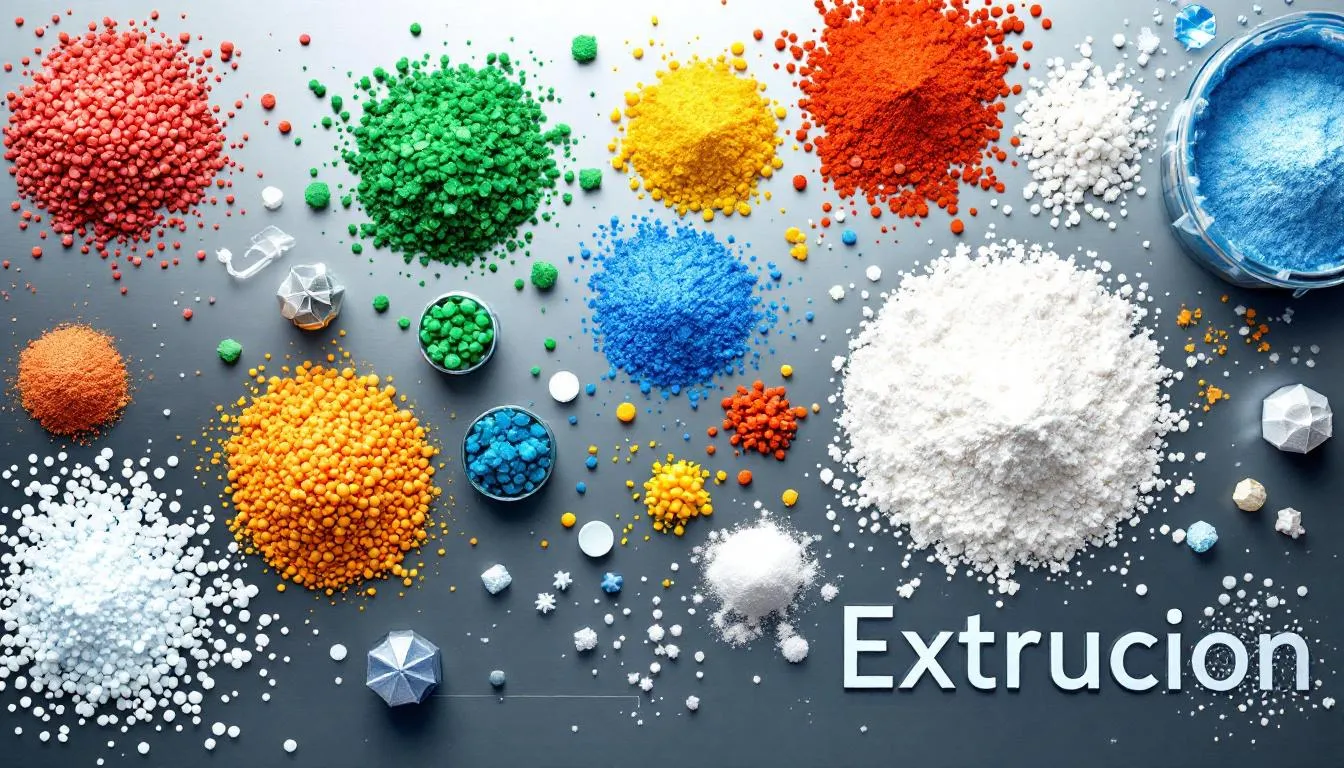
Plastic extrusion’s versatility comes from the wide range of thermoplastic materials it can utilize. Common materials include:
- Acrylonitrile Butadiene Styrene (ABS) for its strength and ease of molding
- Polycarbonate for its impact resistance and optical clarity
- High-Impact Polystyrene (HIPS), which combines standard polystyrene’s properties with enhanced toughness, increasing its resilience.
Materials and their valued properties:
- Polyethylene Terephthalate Glycol (PETG): valued for clarity, toughness, and recyclability; commonly used in packaging.
- Polyurethane: renowned for elasticity and durability.
- Rigid Polyvinyl Chloride (RPVC): preferred for strong, durable plastic profiles.
- Nylon (a type of polyamide): favored for strength and heat resistance; popular in demanding applications.
Additives can enhance these materials’ properties, making them more durable, flame-resistant, or UV-protected. This flexibility allows manufacturers to tailor the extrusion process to meet specific needs, from flexible packaging to rigid structural components. Choosing the appropriate materials and additives allows manufacturers to create extruded plastic profiles that adhere to the highest standards of performance and quality.
Custom Plastic Extrusions
Custom plastic extrusion provides numerous possibilities for businesses producing unique products tailored to niche market demands. The process can create various shapes, including custom shapes and extruded profiles:
- Sheets
- Tubes
- Custom profiles designed to meet project needs Custom extrusion’s flexibility allows for quick and cost-effective solutions, making it attractive for many industries.
Materials in custom extrusion can be tailored for specific needs, such as UV protection and custom color concentrates. Co-extrusion of multiple materials is also possible, allowing for even more customization. A reliable manufacturer should offer capabilities like tooling design and build, prototyping, and all secondary operations to ensure quality and efficiency.
Consider a company needing a custom plastic profile with specific UV resistance for outdoor use. The manufacturer designs the tooling and prototypes the product in its desired form, ensuring it meets all aesthetic requirements before full-scale production. This customization allows them to create profiles that not only meet but exceed expectations, providing unique advantages and a competitive edge in the market.
Co-Extrusion Techniques
Co-extrusion involves the simultaneous extrusion of multiple material layers using two or more extruders. This process bonds different plastics into layered structures without mixing them, enhancing the final product’s performance characteristics through plastic co extrusion.
Co-extrusion is ideal for efficiently producing various products like sheets, tubes, and seals in large quantities. For instance, food packaging films often require multiple layers, each serving a different protective function. One layer might provide moisture resistance, while another offers chemical resistance, all achieved through co-extrusion.
Consider a packaging manufacturer’s production line in the packaging industry. Multiple extruders feed different materials into a single extrusion line, creating multi-layered plastic film. Each layer is carefully controlled to provide specific properties, resulting in a product that meets stringent industry standards. Co-extrusion enhances product performance and enables innovative solutions to complex manufacturing challenges.
Secondary Processes and Finishing Options
Secondary processes and finishing options are crucial for achieving the desired quality and functionality of extruded plastic products. Techniques like CNC trimming precisely shape plastic parts by removing excess material through programmed routes in manufacturing processes. Fastening techniques like screws and rivets attach plastic components without heat, ensuring strong and stable assemblies.
Ultrasonic welding and heat staking join plastic components by applying high-frequency vibrations or localized heat and pressure to fuse parts together. Decorative techniques like pad printing can apply multiple colors to complex plastic surfaces, enhancing the final product’s aesthetic appeal.
A cooling system quickly solidifies the extruded plastic product after it passes through the die, ensuring dimensional stability and quality. These secondary processes and finishing options turn raw extrusions into finished products that meet high standards of precision and performance, including the use of air cooling rolls.
Applications of Plastic Extrusions
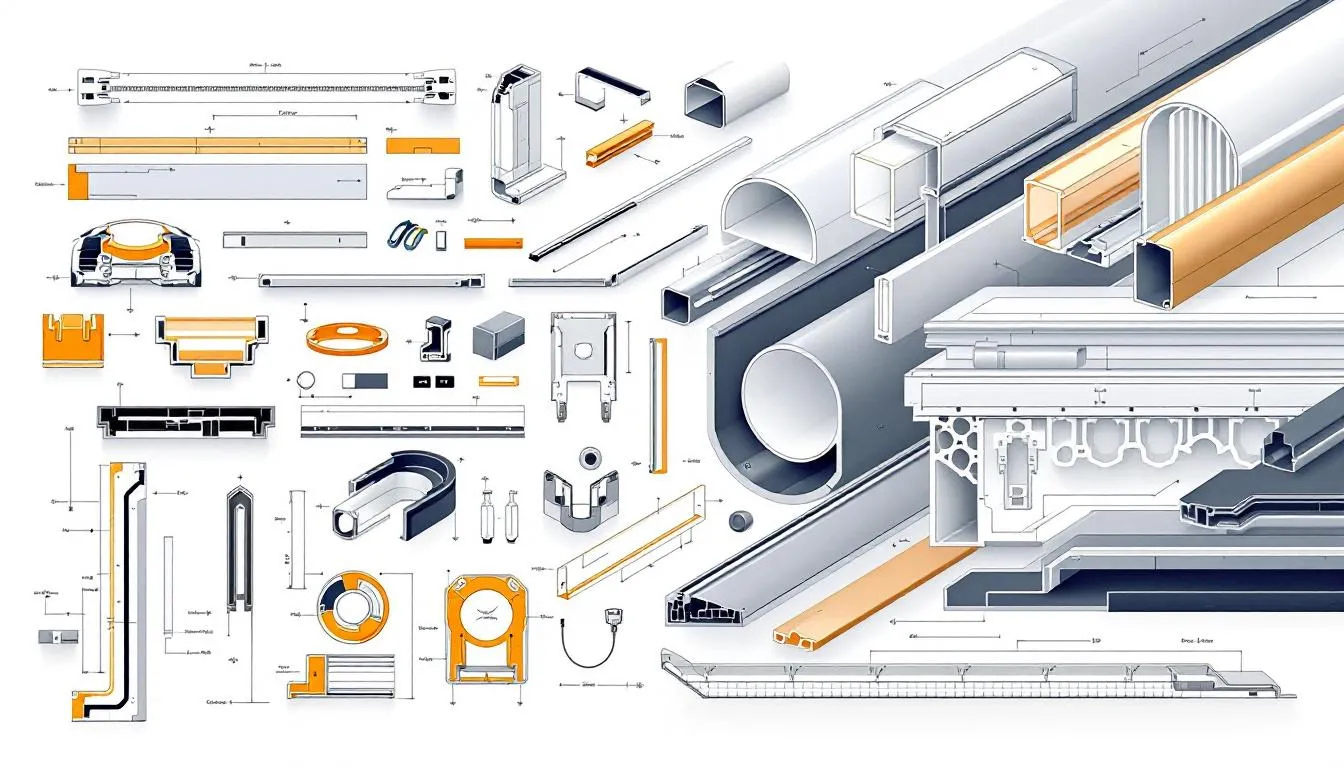
Plastic extrusions have varied applications, just like the materials and techniques used to produce them. Their durability makes plastic extrusions resistant to corrosion, moisture, and chemicals, suitable for harsh conditions like those in the construction and automotive industries. Their insulating properties enhance energy efficiency, benefiting building designs.
Plastic extrusion is widely used to create weather stripping, fencing, and wire insulation, essential components in various industries. The process can produce both flexible and rigid products, suitable for applications including medical tubing and adhesive tapes. The lightweight properties of plastic extrusions make handling, transport, and installation easier, broadening their range of applications.
Consider the versatility of plastic extrusions in everyday life. From the weather stripping that insulates your home to the medical tubing that saves lives, their impact is profound. Industries like automotive, building and construction, and agriculture rely on these durable and versatile products to meet specific needs.
Benefits of Using Plastic Extrusions
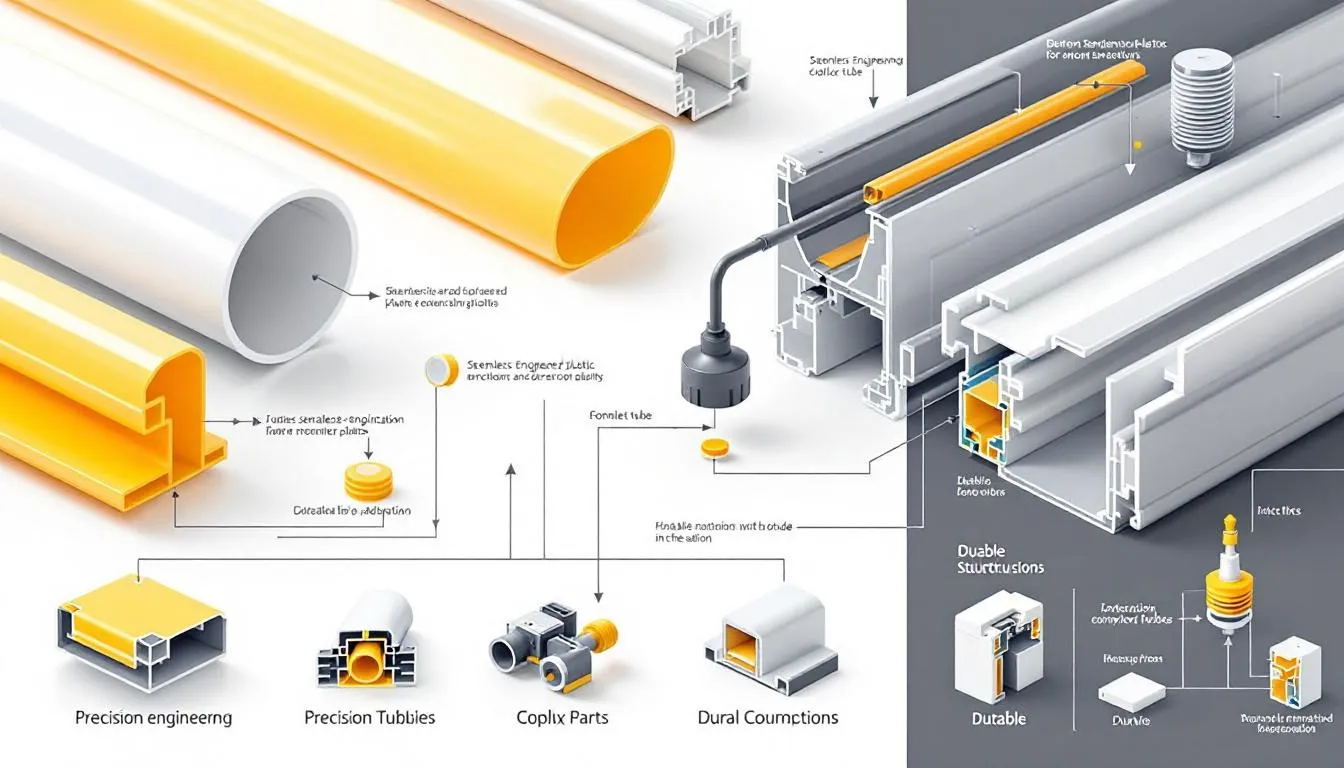
Plastic extrusions offer numerous and compelling benefits. The process is cost-effective for large-scale production, allowing continuous runs once the initial tooling is established. Compared to alternatives like metal or wood, plastic extrusion generally offers lower production costs, making it economically viable for many industries.
Plastic extrusion is known for:
- Its efficiency, enabling rapid production of both simple trim pieces and complex dual-layered tubes.
- Minimizing waste, making it an environmentally friendly manufacturing option.
- Its versatility, allowing for a wide variety of customized shapes, sizes, colors, and finishes to meet diverse market demands in plastics extrusion.
Picture a production line churning out thousands of components with minimal waste and maximum efficiency. Each piece is precisely shaped and customized to meet specific requirements, from simple trim pieces to complex multi-layered tubes. The efficiency, cost-effectiveness, and environmental benefits of plastic extrusion make it a preferred choice for manufacturers globally.
Choosing the Right Plastic Extrusion Manufacturer
Selecting the right plastic extrusion manufacturer is crucial for your project’s success. Key considerations include material selection, assessing a supplier’s capabilities to ensure their offerings match your project requirements. Maintaining effective communication with the supplier to reduce production disruptions. Enhancing overall project management through collaboration.
Knowing pricing structures and contract terms early prevents unexpected manufacturing experience costs. Choosing a manufacturing partner with extensive experience and a proven track record ensures your plastic extrusion needs are met with high standards of quality and efficiency.
Summary
In summary, plastic extrusion is a versatile and efficient manufacturing process that transforms raw plastic material into a wide array of products. From understanding the basic principles to exploring advanced techniques like co-extrusion, we’ve covered the key components, materials, and benefits of plastic extrusions. Whether you’re in the automotive, construction, or agriculture industry, plastic extrusions offer durable, cost-effective, and customizable solutions.
As you consider your manufacturing needs, remember the importance of selecting the right plastic extrusion manufacturer. With the right partner, you can achieve high-quality results that meet your specific requirements and exceed your expectations. Embrace the possibilities of plastic extrusion and discover how it can elevate your projects to new heights.
]]>Key Takeaways
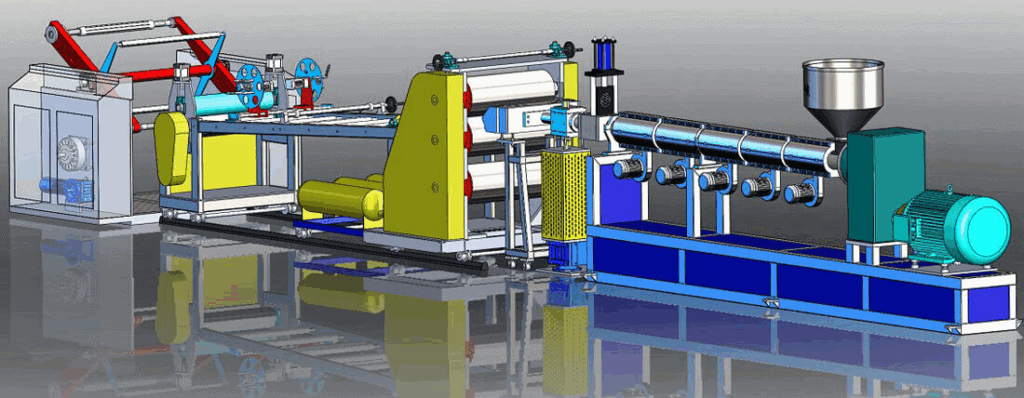
- Key components of a plastic sheet extruder machine include the extruder, die head, cooling rolls, and control system, each essential for high-quality production.
- Types of extruders—single screw and twin screw—offer different advantages, with single screws favored for simplicity and reliability, while twin screws excel in material mixing.
- Choosing the right materials, such as PET, PP, and PC, is vital for the quality and performance of extruded plastic sheets, impacting their applications across industries.
Key Components of a Plastic Sheet Extruder Machine
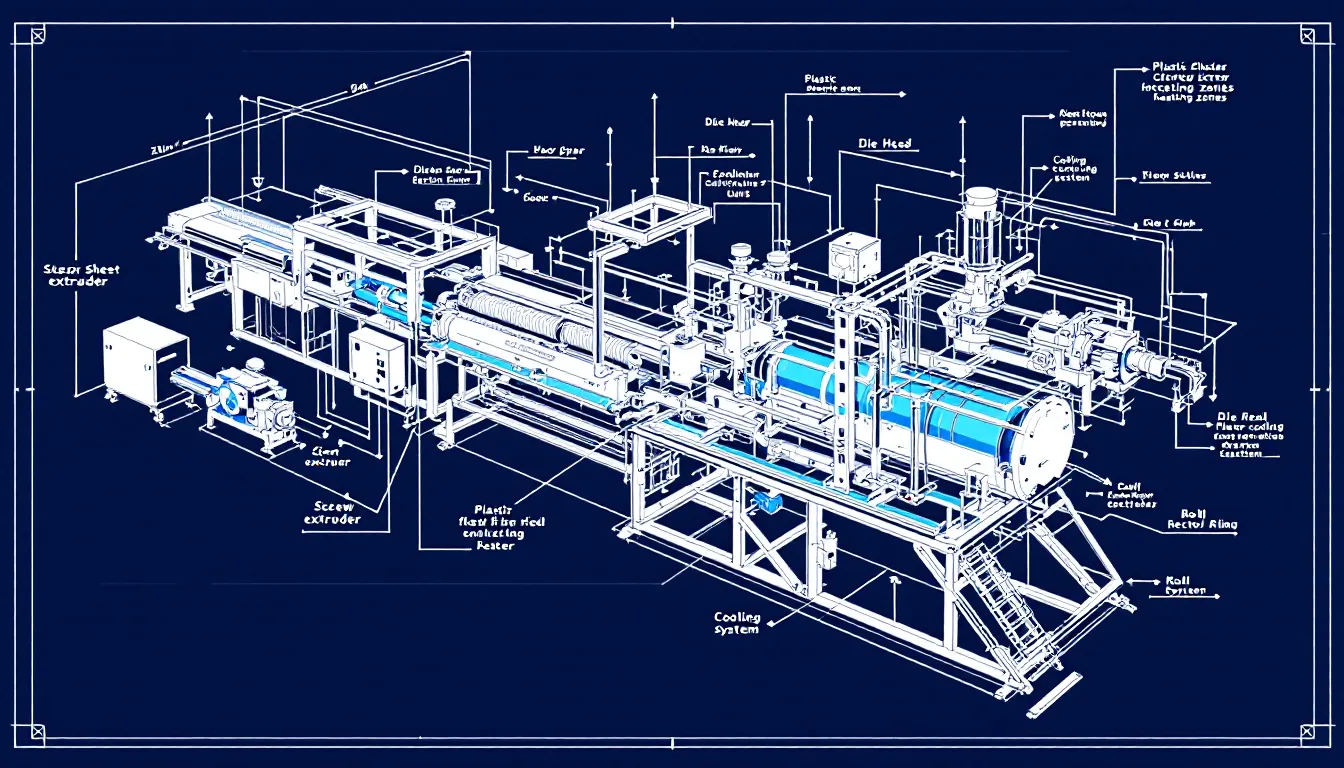
Grasping the key components of a plastic sheet extruder machine is essential for those in the manufacturing process. The main parts include:
- The extruder
- Die head
- Cooling rolls
- The control system Each integral to producing high-quality plastic sheets.
These individual components work in harmony to melt, shape, and solidify plastic materials, ensuring consistency and precision in the final product.
The Extruder
The extruder is the core of the plastic sheet extrusion process, tasked with:
- Melting and homogenizing plastic materials.
- Utilizing rotating screws to blend the plastic uniformly, ensuring a consistent flow of molten plastic.
- Mixing and transporting the material.
- Generating the needed heat for melting.
Whether using single or twin screws, the efficiency and reliability of several extruders are critical for producing high-quality plastic sheets.
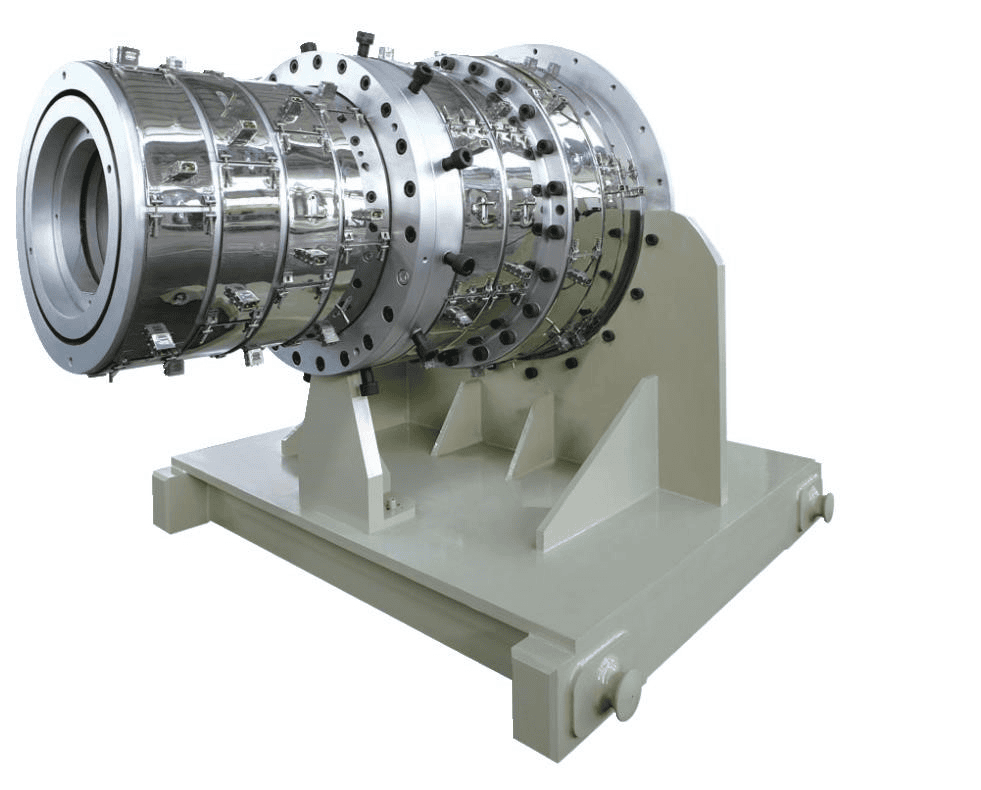
Die Head
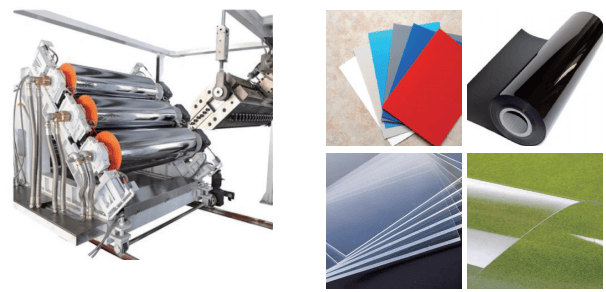
The die head is where the magic happens, shaping the molten plastic into sheets with precise thickness. In sheet extrusion, T-shaped, coat-hanger dies, and flat dies are commonly used to achieve the necessary sheet profiles. However, improper die design can lead to clogging issues, impacting the final product’s quality.
Therefore, meticulous attention to die head design is crucial for optimal performance.
Cooling Rolls
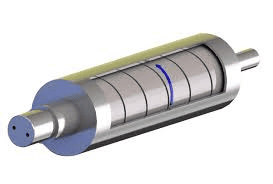
Cooling rolls are critical in the plastic sheet extrusion process, playing a vital role in solidifying the extruded material. They maintain a uniform temperature, ensuring that the plastic sheets cool evenly and retain their intended shape and properties.
Effective temperature control via cooling rolls is vital for producing high-quality plastic sheets.
Control System
The control system is the brain of the plastic sheet extruder machine, managing critical parameters such as temperature and speed. Precise management of these parameters ensures the consistent quality of the extruded sheets.
Maintaining optimal conditions throughout the extrusion process, the control system is pivotal in achieving high production efficiency and product quality.
Types of Plastic Sheet Extruder Machines
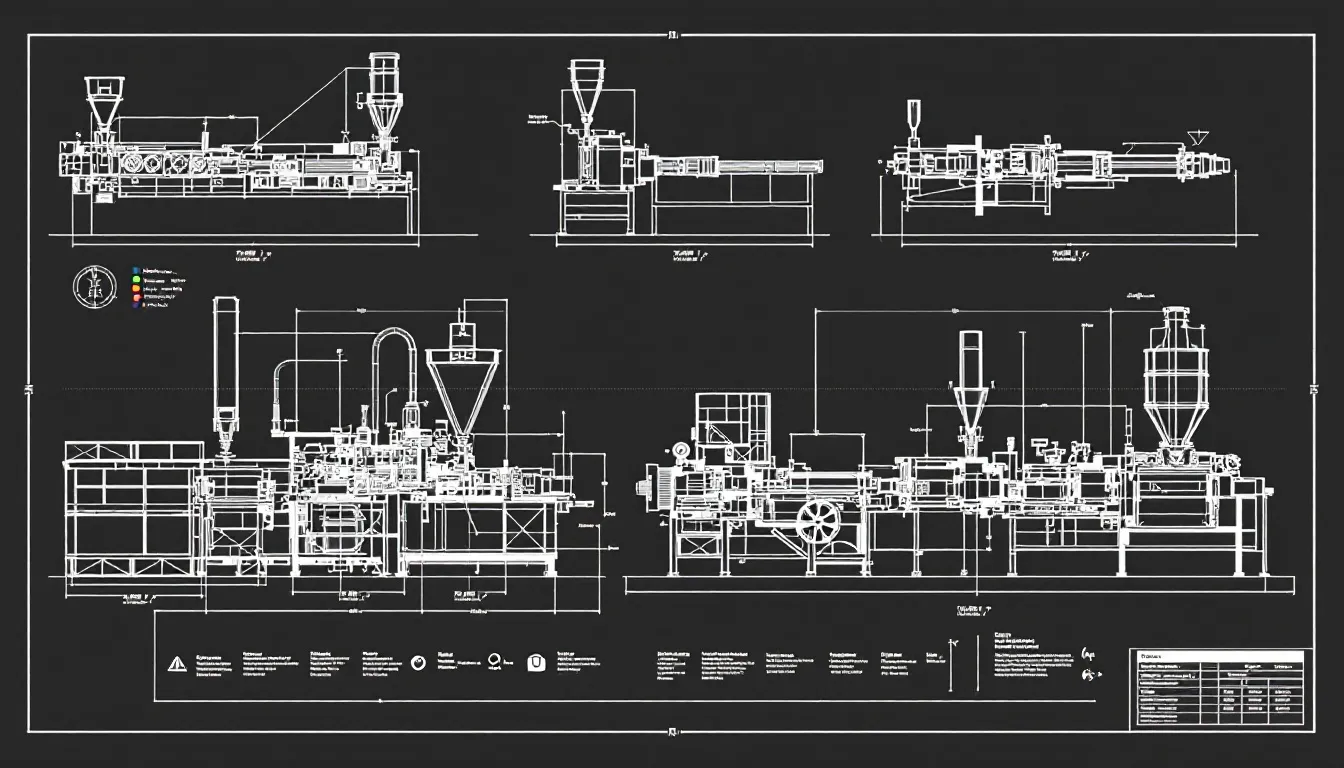
Plastic sheet extruder machines come in various types, with single screw and twin screw extruders being the most common. Each type has its unique advantages and is suited for different applications. Recognizing these differences helps in selecting the right machine for your specific needs, be it simplicity and ease of operation or advanced mixing capabilities.
Single Screw Extrusion Machines
Single screw extrusion machines are renowned for their simplicity and reliability. They are widely used in plastic sheet production due to their straightforward one screw operating and maintenance.
Industries ranging from food packaging to automotive benefit from the versatility of these machines, making them a staple in many manufacturing processes. Their design allows for efficient processing of various plastic materials, ensuring consistent product quality.
Twin Screw Extrusion Machines
Twin screw extrusion machines offer superior mixing capabilities, making them ideal for processing complex materials. They come in two sub-types: co-rotating and counter-rotating, each with specific advantages.
While co-rotating extruders provide excellent ingredient uniformity, counter-rotating extruders can handle higher pressure build-up, enhancing operational efficiency. These machines are essential for applications requiring precise material blending and high-quality outputs through coextrusion.
Materials Used in Plastic Sheet Extrusion
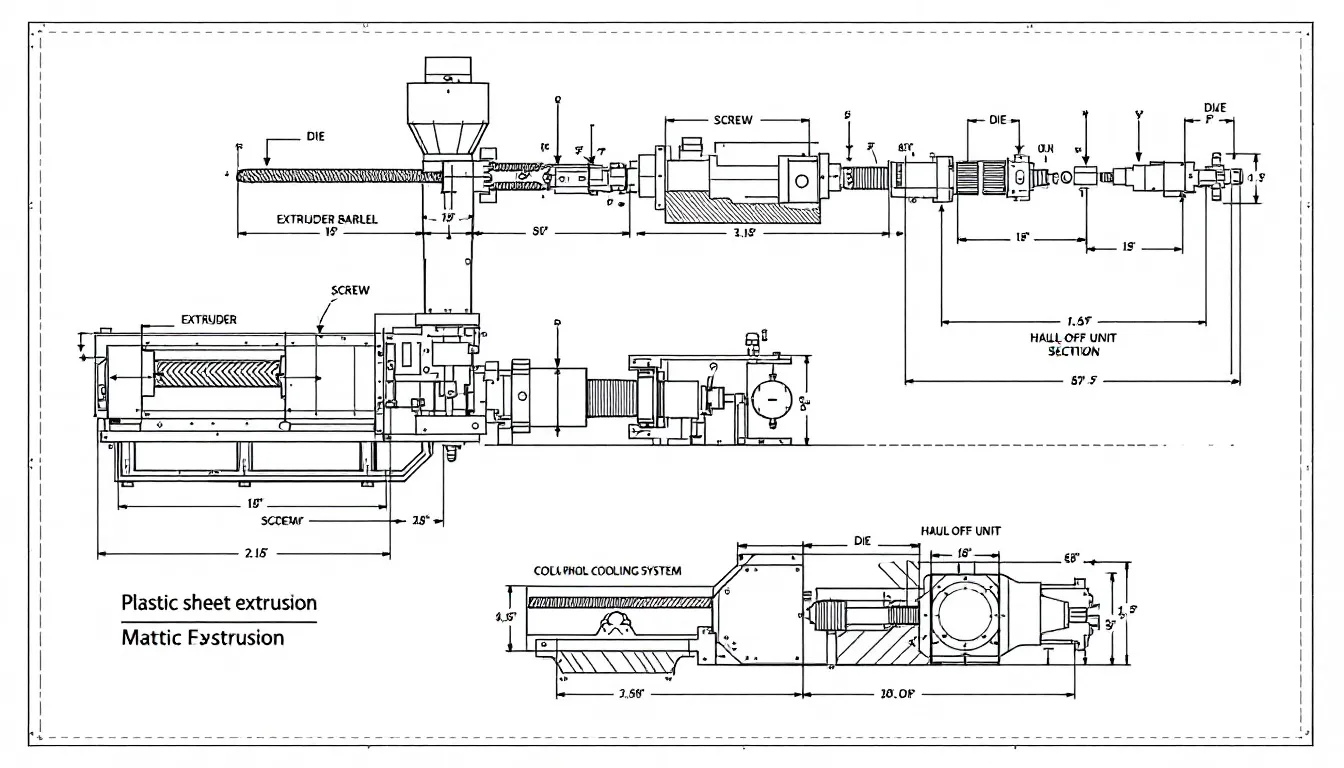
Choosing the right materials for plastic sheet extrusion is critical for achieving the desired properties in the final product. Common materials include polyethylene (PE), polypropylene (PP), and polycarbonate (PC), each offering unique benefits.
The choice of material impacts not only the extrusion process but also the performance and durability of the plastic sheets.
Polyethylene Terephthalate (PET)
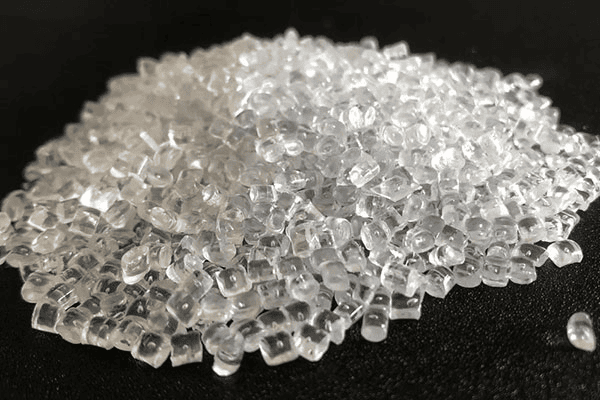
Polyethylene Terephthalate (PET) is a thermoplastic polymer widely used in plastic sheet production due to its excellent strength, thermal stability, and chemical resistance. Its versatility makes it a preferred choice for various applications, including packaging, automotive components, and medical devices.
PET’s performance in extrusion processes highlights its essential role in manufacturing high-quality plastic sheets.

Polypropylene (PP)
Polypropylene (PP) is a highly versatile material used in numerous industrial applications. Its strength increases with higher ethylene content in its copolymer forms, making it ideal for automotive and industrial sectors.
PP’s robustness and resistance to chemicals and moisture make it a valuable material in plastic sheet extrusion.
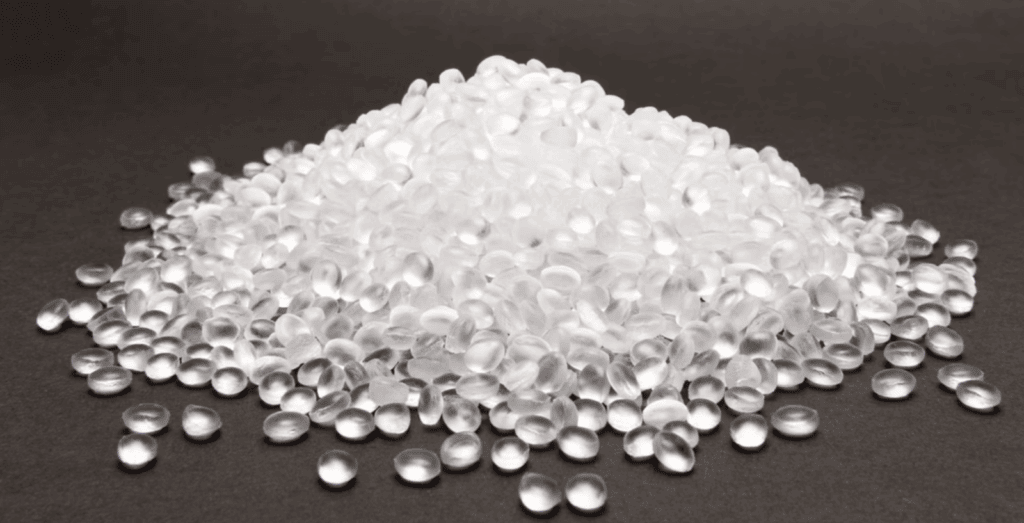
Polycarbonate (PC)
Polycarbonate (PC) is renowned for its impact resistance, making it suitable for protective barriers and high-stress applications. Industries benefit from PC’s ability to produce high-quality sheets that can withstand significant physical stress, ensuring durability and reliability in various industrial applications.
The Plastic Sheet Extrusion Process
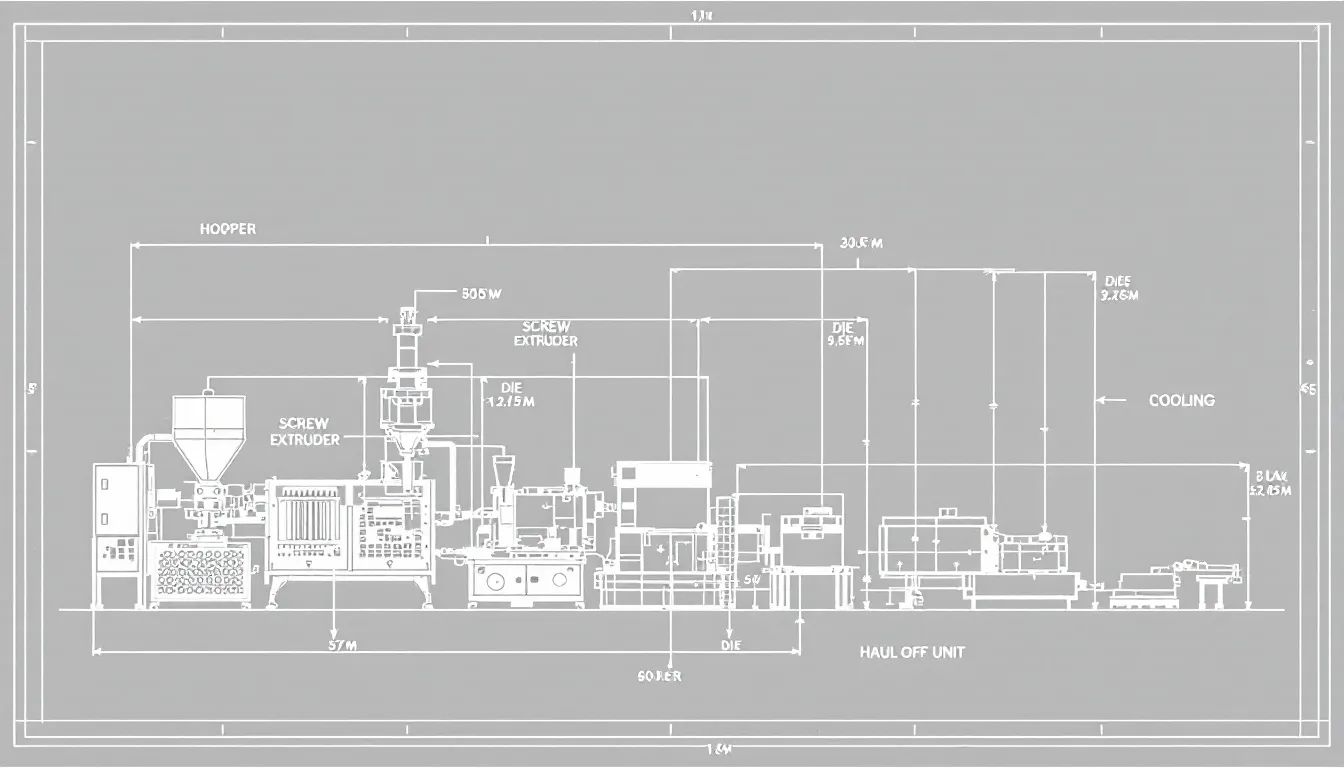
The plastic sheet extrusion process is a meticulous sequence of steps that transform raw materials into high-quality processed plastic sheets, with further processing involved. It begins with feeding raw materials into the extruder, followed by melting and mixing, and culminates in shaping and cooling the molten plastic using plastic sheet extrusion lines.
Each step is critical for ensuring the consistency and quality of the final product.
Feeding Raw Materials
The journey of plastic sheet extrusion begins with the introduction of raw materials. These materials:
- They are usually in pellet or plastic granule form
- Are fed into the extruder
- They are introduced through a hopper
- They are transported to the feed zone, where they begin to melt and mix.
Proper feeding is essential for maintaining a consistent flow and quality of the final product.
Melting and Mixing
Once in the extruder, the raw materials are gradually melted and homogenized using a rotating screw in a heated cylinder. The mechanical energy generated by the screws helps achieve the desired consistency and flow characteristics of the molten plastic.
Maintaining optimal thermal properties and temperature control is critical for ensuring a smooth and efficient extrusion process.
Shaping and Cooling
The molten plastic is then forced through a die, shaping it into continuous sheets. Cooling rolls rapidly cooled the shaped material, solidifying it into the desired form through injection molding.
Effective temperature control during this phase is essential for preventing warping and ensuring uniform thickness and texture in the final product.
Optimizing Plastic Sheet Extrusion
Optimizing the plastic sheet extrusion process is key to enhancing production efficiency and product quality. Manufacturers can employ various strategies, including:
- Equipment adjustments
- Process parameter tuning
- Material selection improvements. These optimizations ensure consistent product quality and reduce operational costs.
Equipment Adjustments
Regular maintenance and adjustments of plastic sheet extruder machines are key to optimal performance. Scheduled checks help identify potential issues before they escalate, ensuring longevity and consistent operation.
Adjusting machine settings, such as screw configurations and temperature controls, can significantly improve throughput and product quality.
Process Parameter Tuning
Fine-tuning process parameters like temperature and screw speed is crucial for optimizing the efficiency and quality of plastic sheet extrusion. Advanced technologies and detailed analyses can identify inefficiencies and opportunities for enhancement, leading to better product consistency and overall process efficiency.
Material Selection Improvements
Selecting the right plastic materials is fundamental to improving the extrusion process and the final product’s performance. Proper plastic material selection minimizes issues related to inconsistent raw materials, ensuring high-quality outputs.
Commonly used materials like PET, PP, and PC offer specific properties that enhance the extrusion process and meet various application needs.
Common Challenges in Plastic Sheet Extrusion
Plastic sheet extrusion is not without its challenges. Issues such as temperature control, screw speed, air pressure adjustments, and pressure adjustments can affect the quality and consistency of the final product.
Addressing these challenges through effective management and optimization strategies is key to producing high-quality plastic sheets.
Material Inconsistencies
Inconsistent raw materials can lead to significant product defects, including surface imperfections and improper thickness. Implementing strict quality control measures and sourcing materials from reputable suppliers can help manage these inconsistencies.
Advanced blending techniques also help ensure consistent product quality.
Die Clogging
Die clogging is a common issue that can disrupt the flow during the extrusion process, leading to uneven thickness or defects in the final product. Using appropriate filters and maintaining the die head can help mitigate this problem, ensuring a smooth and consistent extrusion process.
Cooling Issues
Effective cooling is crucial for preventing defects like warping and maintaining the quality of extruded plastic sheets. Proper temperature control and cooling management ensure uniform thickness and texture, resulting in high-quality final products.
Manufacturers must prioritize cooling systems to achieve consistent and reliable outputs.
Applications of Plastic Sheets
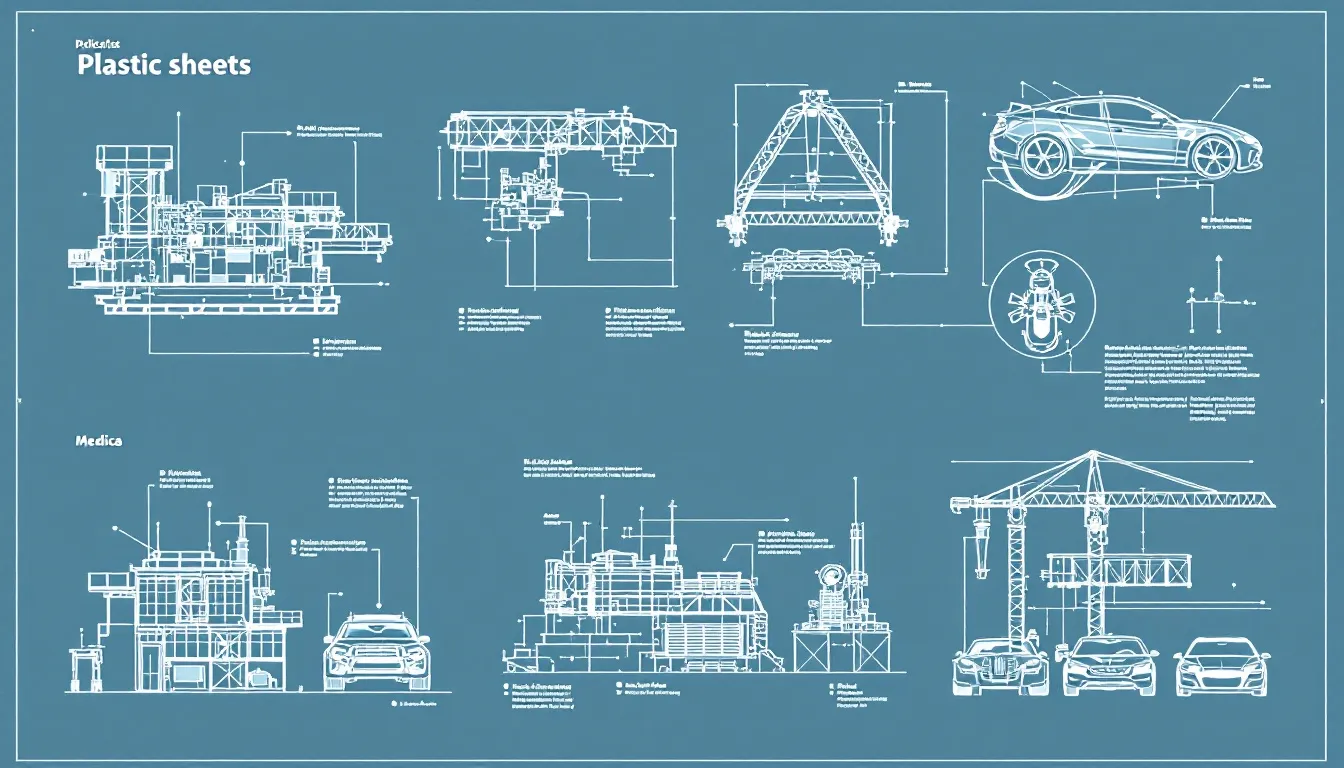
Plastic sheets are integral to a wide range of industries, from automotive to food packaging and medical devices. Their versatility and adaptability make them essential in manufacturing processes, providing solutions that meet specific industry requirements.
The following subsections explore some of the key applications of plastic sheets.
Automotive Industry
In the automotive industry, plastic sheets are widely used to manufacture various automotive parts and components. Extruded sheets are specifically utilized for dashboards, protective panels, and other interior elements.
Polypropylene, in particular, is highly valued for its strength and durability, making it an ideal choice for vehicle interiors and other high-stress applications.
Food Packaging
Plastic sheets, especially those made from PET, play a crucial role in food packaging, providing durable and safe solutions for storing and transporting food products. These plastic sheets can be produced from both virgin and recycled materials, enhancing their sustainability and reducing environmental impact.
Their clarity and strength make them ideal for forming trays, lids, and flexible packaging.

Medical Devices
The use of plastic sheets in medical devices is essential for ensuring product sterility and safety. These sheets are designed to withstand chemical exposure and are easy to clean, making them suitable for a variety of medical applications.
Their role in the production of medical devices highlights their importance in maintaining high standards of hygiene and effectiveness.
Factors to Consider When Choosing a Plastic Sheet Extruder Machine
Selecting the right plastic sheet extruder machine is crucial for optimizing production efficiency and product quality. Key factors to consider include the manufacturer’s reputation, customization options, and energy consumption.
These considerations ensure that the chosen machine meets specific production requirements and supports sustainable manufacturing practices.
Manufacturer Reputation
Choosing a reputable manufacturer is critical for ensuring the reliability and performance of plastic extrusion machines. Evaluating customer feedback and case studies can provide insights into a manufacturer’s service quality and reliability.
Well-regarded brands like Davis-Standard are known for their high-quality equipment and exceptional support, making them a preferred choice in the industry.
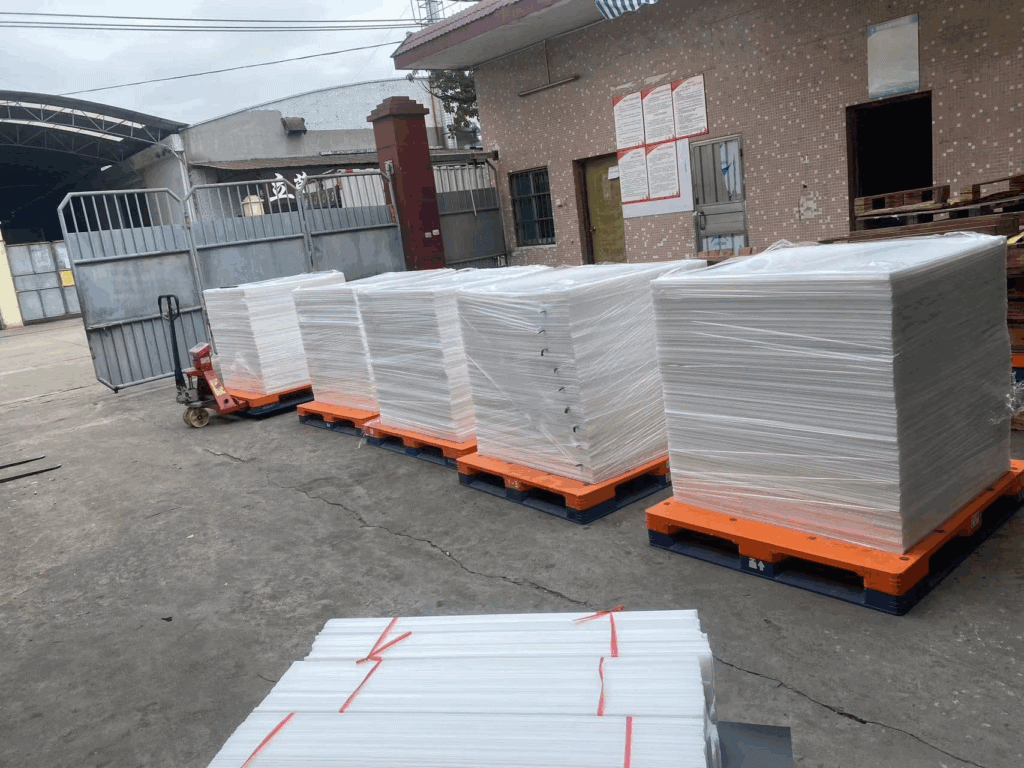
Customization Options
Customization options are essential for meeting specific production requirements in plastic sheet extrusion. Features such as adjustable sheet thickness, texture, and color allow manufacturers to produce sheets tailored to their needs.
Companies like Bixby International and Reifenhäuser Group offer customized sheet production lines, ensuring versatility and adaptability in various applications.
Energy Consumption
Energy efficiency is a critical factor in plastic sheet extrusion, influencing operational costs and environmental sustainability. Energy-efficient machines reduce the carbon footprint and promote greener production practices.
By choosing energy-efficient equipment, manufacturers can lower operational costs and contribute to sustainable manufacturing.
Summary
Plastic sheet extruder machines are indispensable in the manufacturing industry, offering versatility and efficiency across various applications. Understanding the key components, types, and materials used in these machines is essential for optimizing production processes and ensuring high-quality outputs. From feeding raw materials to shaping and cooling, each step in the extrusion process plays a crucial role in determining the final product’s quality and consistency.
Addressing common challenges and optimizing the extrusion process through equipment adjustments, process parameter tuning, and material selection improvements can significantly enhance production efficiency. When choosing a plastic sheet extruder machine, factors such as manufacturer reputation, customization options, and energy consumption should be carefully considered to meet specific production needs and support sustainable practices. By staying informed and making strategic decisions, manufacturers can achieve consistent product quality and operational excellence.
]]>
Sub-factory, Suzhou Yuda Factory

Sub-factory, Water Knowledge Factory
Sub-factory, Suzhou Dayu Factory
The Faygo Union League is pursuing global expansion in a measured manner.
The company is making progress in the area of technology and quality enhancement, and it is gradually gaining recognition from international clients. From Southeast Asia to the Middle East, from Northern Europe to South America, our equipment has been operating in different environments around the world and we have accumulated a lot of practical experience. This feedback from the field allows us to continuously optimize our products and improve our services.
We hope to work with our partners all over the world to learn and progress together and make the equipment manufacturing better. In the process, we will continue to work hard, with better products and more intimate service, and grow with you.
Faygo Union|Extruder Production Line
Extruder equipment includes PVC, HDPE, PPR, pipe lines, PVC profiles, WPC wood-plastic extrusion and plastic sheet equipment, PE nuclear power pipe production lines as well as a variety of ancillary auxiliary equipment, PE/PP film, PET bottle recycling lines and pelletizing lines.

1600mm nuclear tube production line
Supporting KraussMaffei, the world’s leading company in the extrusion industry.
Water Knowledge|High Speed Blowing Machine and Linear Blowing-Filling-Capping Machine
Linear Blowing-Filling-Capping integrated Machine
Linear High Speed Blowing Machine
The linear blowing- filling-capping machine developed by Suzhou Water Knowledge Machinery Co., Ltd, a subsidiary of Faygo Union, is capable of blowing PET embryos into bottles in a stable manner, accurately and quantitatively filling mineral water, beverages and so on, and then tightly screwing the cap to ensure hygiene.
The production capacity reaches 9000-16000BPH, creating a new production experience of “high quality, fast response and low cost” for customers.
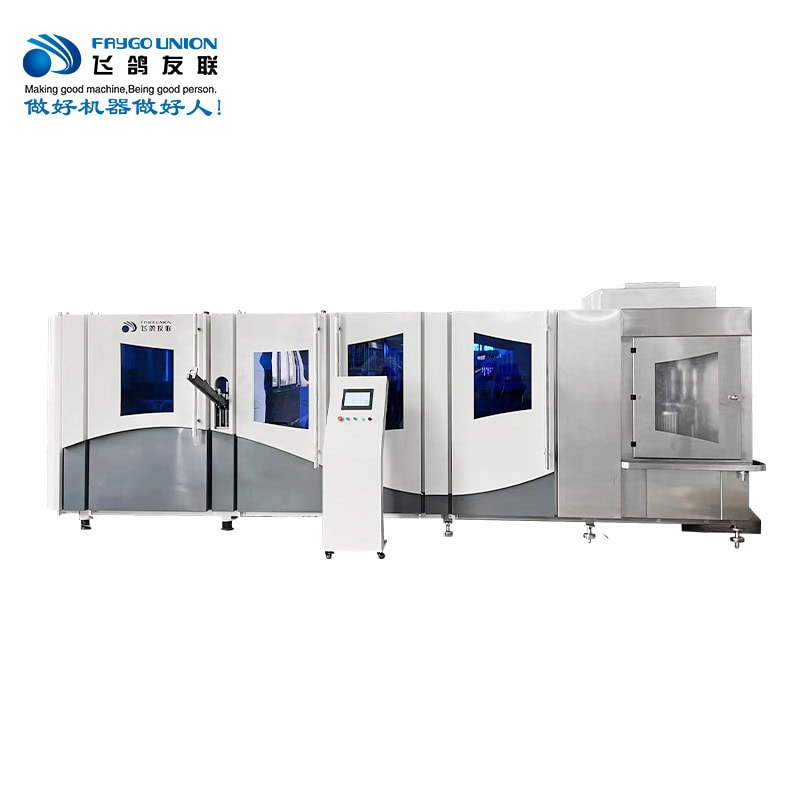
Suzhou Yuda|Suzhou Yuda Blow Molding Machine & Robots
Rotary Blowing Machine, Semi-automatic Blowing Machine
and Robotics Program
Suzhou Yuda Co., Ltd, a subsidiary of Faygo Union Group, has developed automatic blowing machines/semi-automatic blowing machines, and the company provides full-cycle services from equipment selection to after-sales maintenance. The products are widely used in drinking water, beverage, daily chemicals, pharmaceutical packaging and other fields, has served 300 + SME customers, and become the preferred supplier of blowing machine equipment for SMEs, and the stability of the equipment has been widely recognized by the market.
Suzhou Yuda Robotics Intelligent Warehousing Project, there are industrial intelligent delivery robots, latent, shift-loaded, and fetch, roller, food delivery robots, etc., all of which are available, providing one-stop intelligent robot solutions.
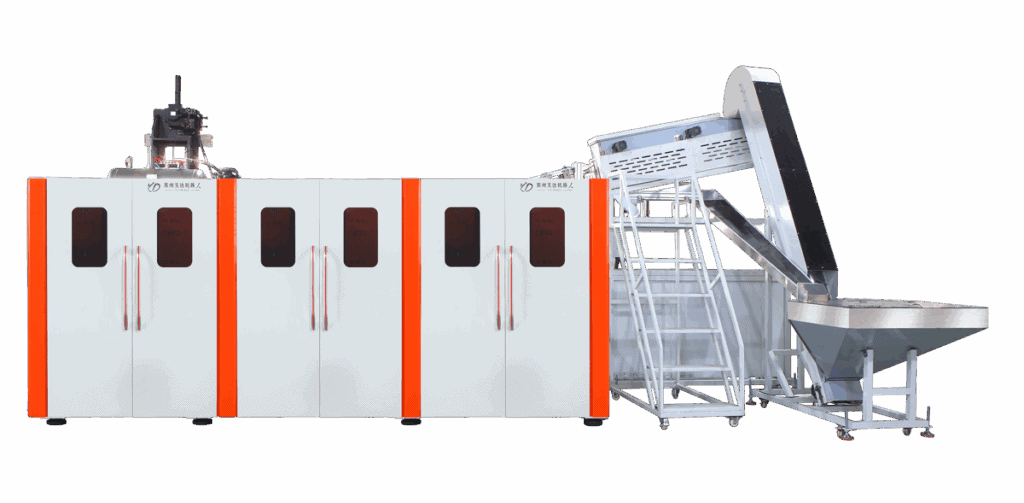
Suzhou Dayu|Blowing-Filling-Capping Machine
Rotary Blowing-Filling-Capping Integrated Machine
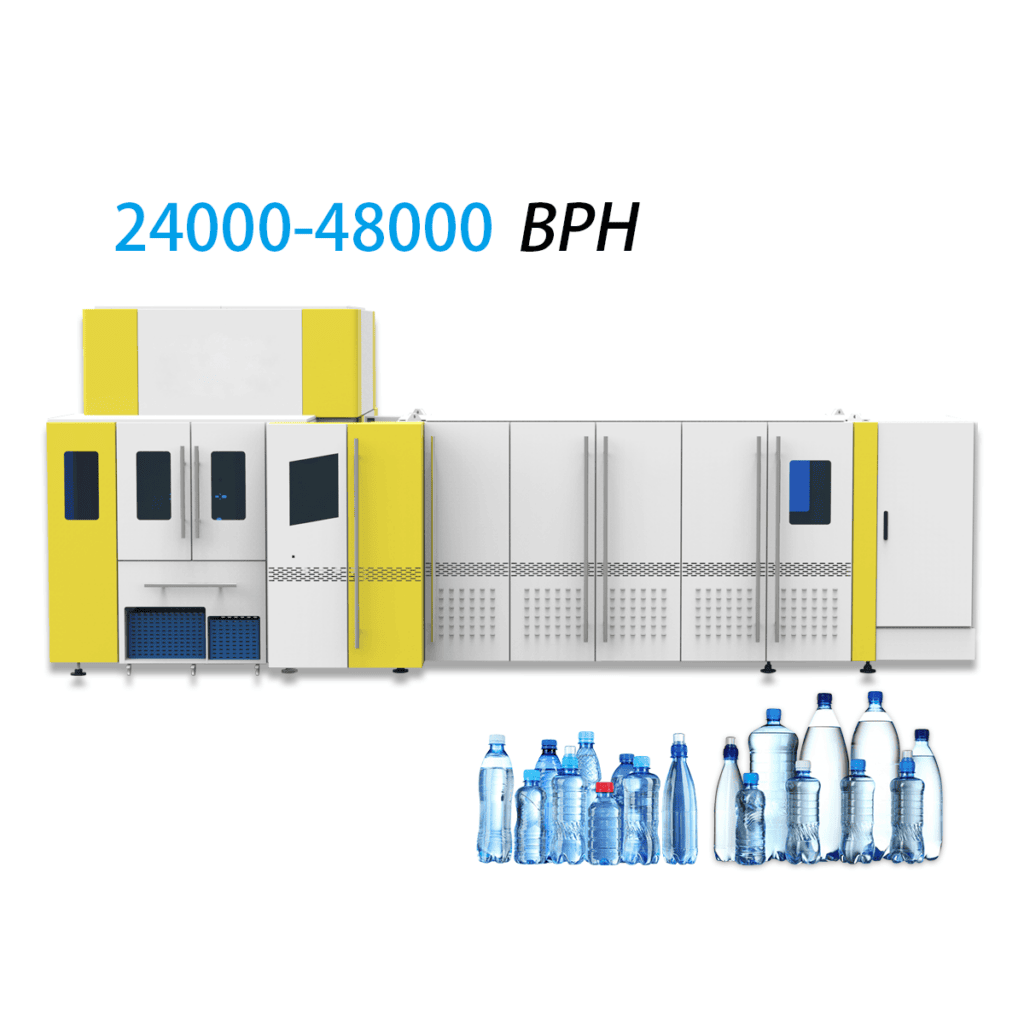
Faygo Union Group’s subsidiary, Suzhou DaYu Intelligent Equipment Co., Ltd. has developed a rotary blowing-filling- capping machine, with a capacity of 24,000BPH/36,000BPH, which can be used to manufacture PET drinking water and other products, and automated to realize the production of blowing, filling and capping, with advanced intelligence and high speed and hygiene.
Innovative gas path recovery system, exhaust gas pressurization for pre-blowing to reduce the amount of gas used; infrared heating furnace with ceramic plate energy storage technology to reduce energy consumption; water-cooled system to optimize the heat management, you can further energy saving.

We believe!
As long as we insist on technological innovation and serve our customers with heart,
The road to the future will be wider and wider.
In the joint efforts of all colleagues, we will be able to create more value for our customers and contribute to the development of the industry.
Contribute to the development of the industry.
Let us work together and look forward to a better tomorrow.
Jiangsu Faygo Union Machinery Co., Ltd.
COMPANY INTRODUXTION
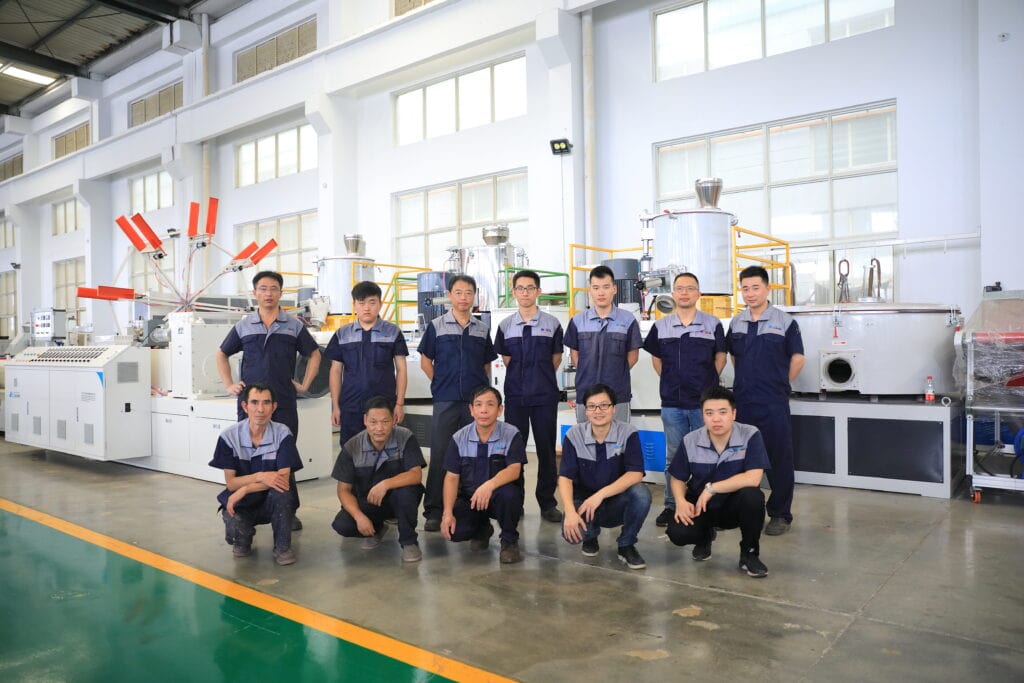
Jiangsu Faygo Union Machinery Co., Ltd. is a high-tech enterprise specializing in the research, manufacturing, production, and sales of plastic machinery equipment. It is a private science and technology enterprise in Jiangsu Province, a specialized and sophisticated enterprise in Jiangsu Province, and a gazelle enterprise. The subsidiaries of Faygo Union Group, Suzhou Yuda Robot Co., Ltd. and Suzhou Dayu Intelligent Equipment Co., Ltd., specialize in manufacturing blow molding machines, filling production lines, blow-fill-capping integrated machines, robotic automation, AGV, and other equipment. The company holds 15 national invention patents and 10 utility model patents.
● Plastic extrusion equipment: plastic pipe extrusion production lines, plastic profile extrusion production lines, plastic sheet and plate production lines, as well as various auxiliary equipment supporting them; PE film, PET bottle recycling production lines and granulation production lines; biodegradable granulators.

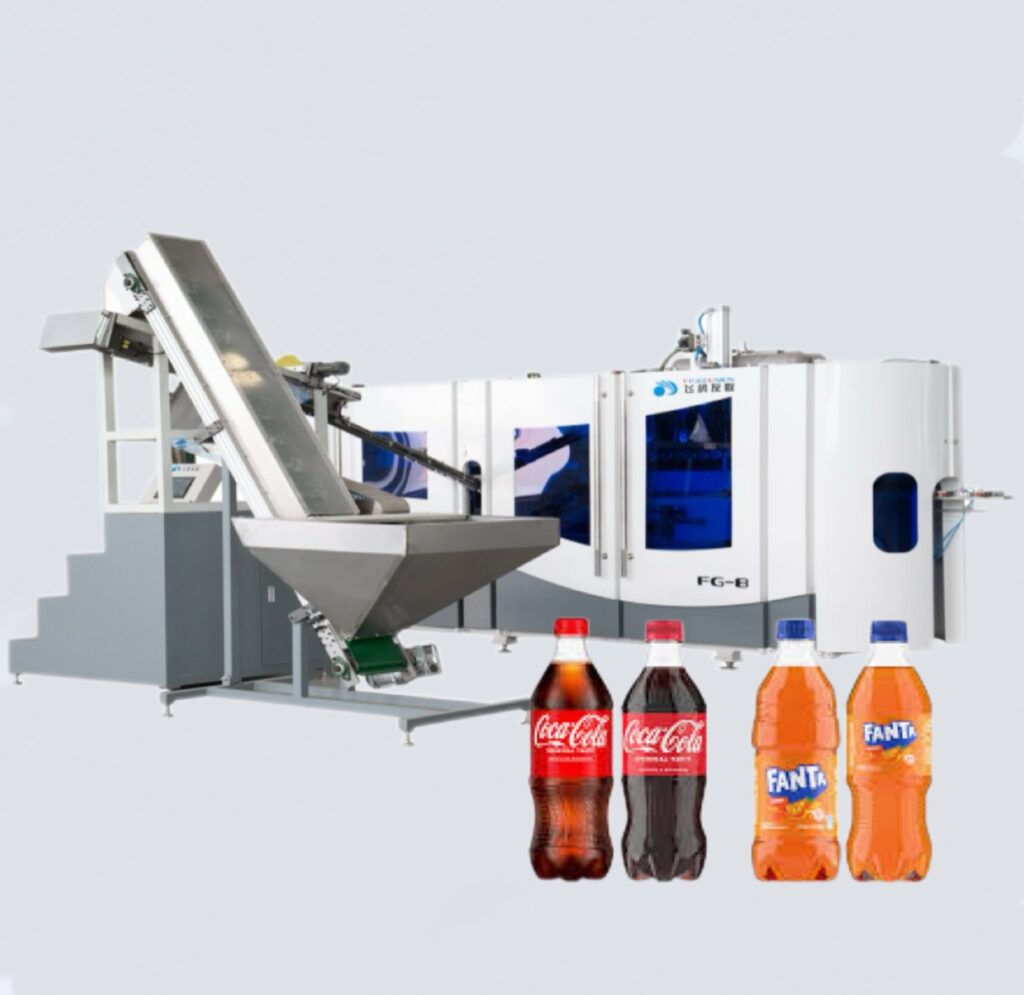
● Blow molding machines: linear high-speed blow molding machines, turnover and transfer blow molding machines, semi-automatic blow molding machines, linear blow-fill-crimp integrated machines, rotary blow-fill-crimp integrated machines.
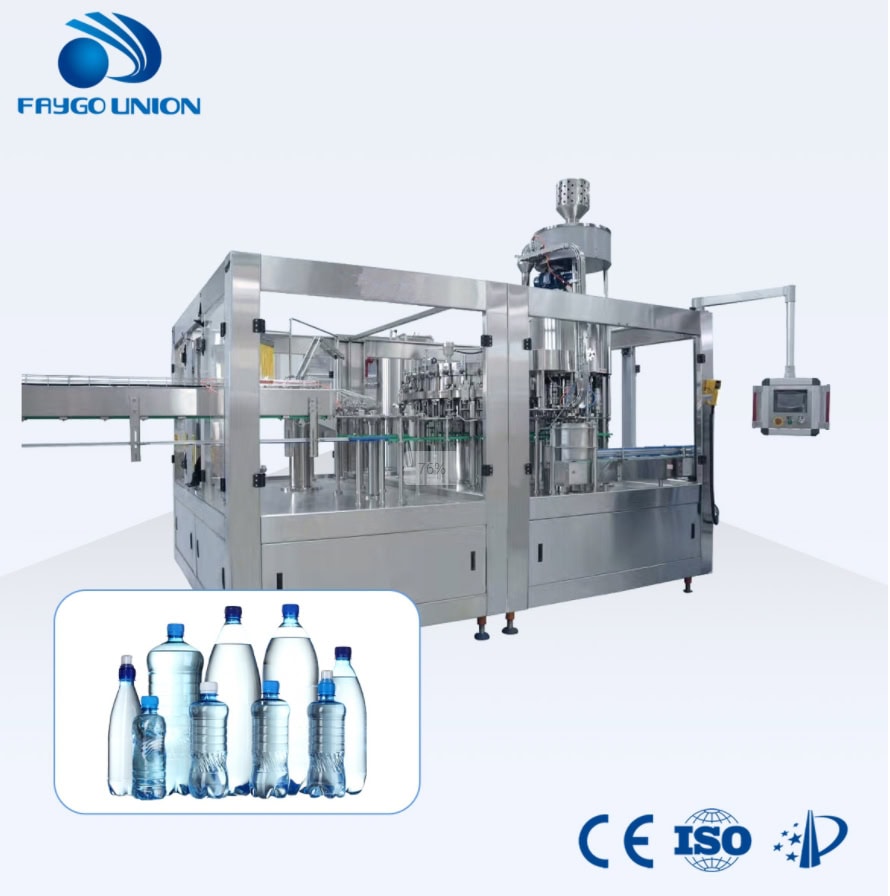
● Bottled water filling lines: Provide comprehensive bottled water filling line solutions and services to customers in countries around the world.
NEW INDUSTRIES, NEW FACTORIES
●Linear blow – fill – capping integrated machine
It is an automated production line equipment integrating three major functions of bottle blowing, filling and capping.
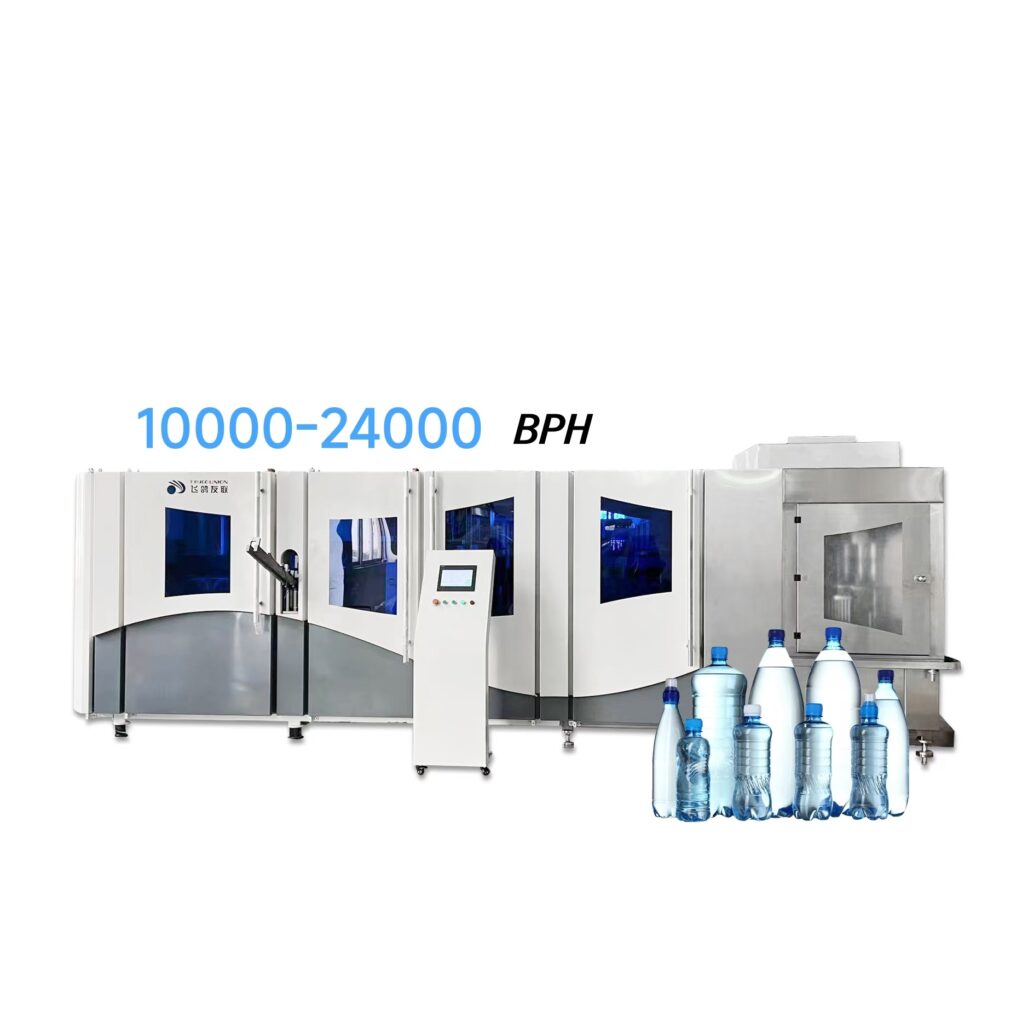
● Rotary blow-fill-capping all-in-one machine
It features high output. The servo synchronous control technology ensures seamless connection of each unit, greatly improving the overall line efficiency.
Suzhou Yuda Robotics Co., Ltd.
COMPANY INTRODUCTION
Suzhou Yuda Robot Co., Ltd. is a professional factory engaged in the research, manufacture and production of intelligent automation system, automatic and semi-automatic blowing machine production line. We have all kinds of speed models of automatic blowing machine, semi-automatic blowing machine production line and PET, PE, PC material of various types of bottles supporting the cutting machine, to and AGV robots, intelligent robotic arm, to meet the diverse needs of customers.

The company has always insisted on the concept of “good machine and good people”, attaching importance to the research and development of new technologies, and constantly improving and upgrading the level of quality management, “high quality products, favourable price, excellent after-sales service” is the company’s consistent commitment to our customers.
ENTERPRISE REAL SCENE
● Yuda Bottle Blowing Machine
Professional PET Bottle Blowing Machine Manufacturer
High-speed blow molding machines, semi-automatic blow molding machines, and fully automatic blow molding machines.
● Yuda Robot Provides one-stop intelligent robot solutions
Industrial Internet of Things, centralized control and management of workshops and factories, MES system, AGV; system integration of industrial robot welding, loading and unloading, grinding, etc.; intelligent welding production lines, intelligent warehousing and logistics transportation.
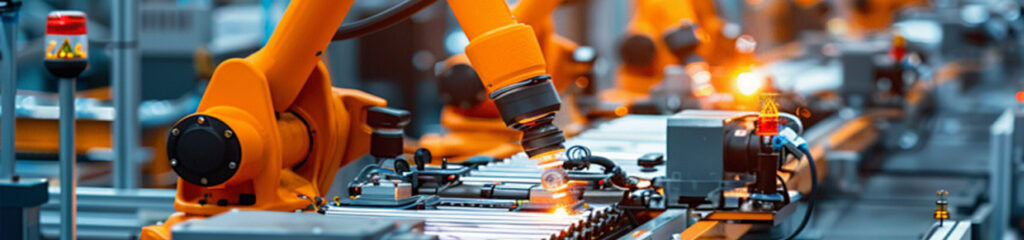
AGV can realize the automatic receiving, sending, transfer, stacking, storage, etc. of raw materials, parts, and finished products. It is applicable to end users in industries such as new energy, manufacturing, e-commerce, 3C, pharmaceuticals, food packaging, printing, and agriculture.
Suzhou Dayu Intelligent Equipment Co., Ltd.
COMPANY INTRODUCTION
Suzhou Dayu Intelligent Equipment Co., Ltd. was established in 2024. It is a manufacturing plant focusing on the research, development and production of high-end packaging machines. The company is located in Zhangjiagang Development Zone Industrial Park. The factory covers an area of more than 5,000m³ and integrates R&D center, production workshop and testing base. It is committed to providing global customers with intelligent and efficient liquid packaging overall solutions.

ENTERPRISE REAL SCENE
●Blow – fill – capping integrated machine
- Full 3D design, dynamic simulation testing
- Fast image recognition and detection technology
- High – efficiency and energy – saving preform heating system
- High – speed and high – precision bottle blowing process
- Newly designed small and medium – sized mold base bottle blowing station
- User – friendly human – machine operation interface
●PET bottled water production line
High-quality equipment, comprehensive services, and a strong turnkey service capability for the entire factory. Dayu Intelligent Equipment helps customers achieve efficient equipment operation, technological innovation and upgrading, easy bottle type replacement, and low-cost maintenance. So far, it has closely cooperated with well-known enterprises in more than 50 countries and regions around the world, working hand in hand.