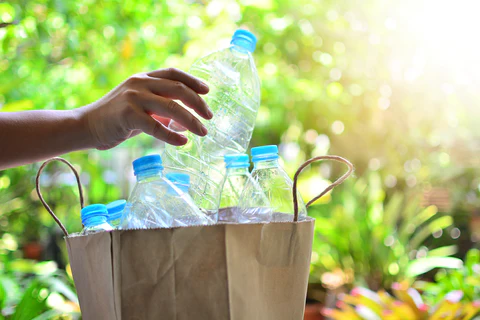
Introduction to Plastic Recycling
- Plastic recycling is a crucial process that helps reduce plastic waste and conserve resources by transforming waste plastics into valuable materials.
- The plastics recycling industry has grown significantly, with various technologies and machines being developed to improve recycling efficiency and quality.
- Recycling plastic packaging, such as plastic containers and bottles, is essential to reduce plastic pollution and promote a circular economy.
- Plastic recycling machines, including plastic recycling extruders, play a vital role in processing waste plastics into high-quality products.
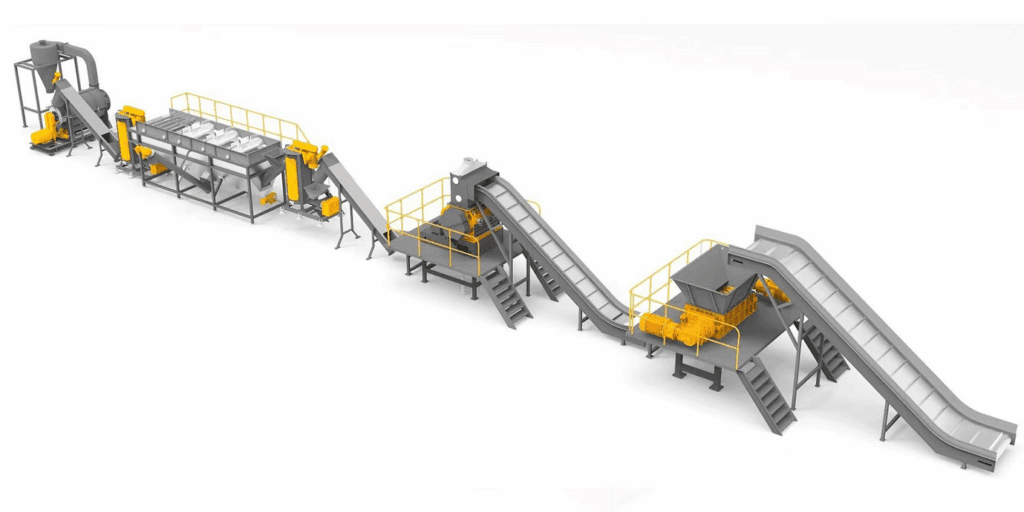
The Recycling Process
- The recycling process involves collecting and sorting recyclable materials, including plastic items, and processing them into raw materials.
- Material recovery facilities (MRFs) use conveyor belts and other equipment to sort and separate plastics from other materials.
- The sorted plastics are then washed and processed into different types of plastic, such as polyethylene terephthalate (PET) and high-density polyethylene (HDPE).
- Recycling facilities use various machines, including plastic recycling extruders, to produce high-quality recycled plastic products.
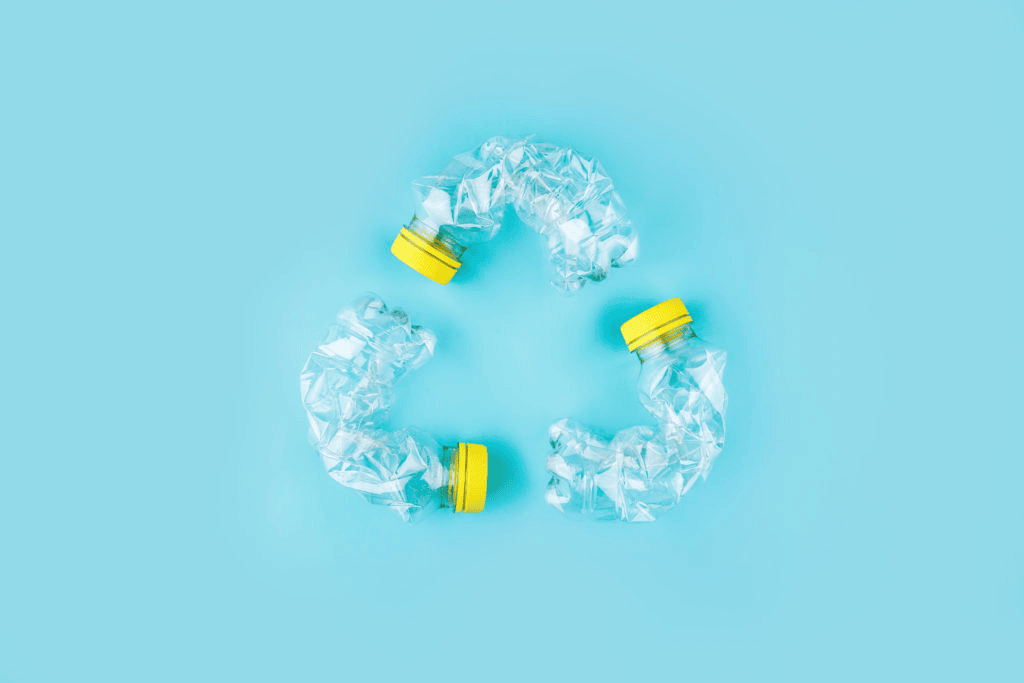
Types of Plastics
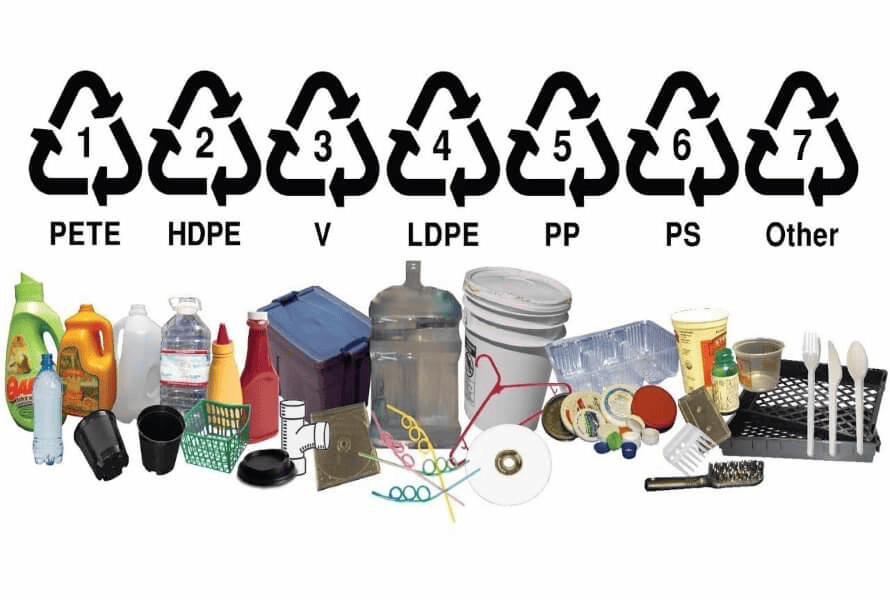
- There are several types of plastics, including PET, HDPE, PVC, and others, each with its own unique properties and recycling challenges.
- Some plastics, such as PET and HDPE, are commonly recycled and used to produce new products, such as bottles and containers.
- Other plastics, such as PVC, are rarely recycled due to the lack of efficient recycling technologies and high processing costs.
- Understanding the different types of plastics and their recycling processes is essential to develop effective recycling strategies.
Plastics Recycling Technologies
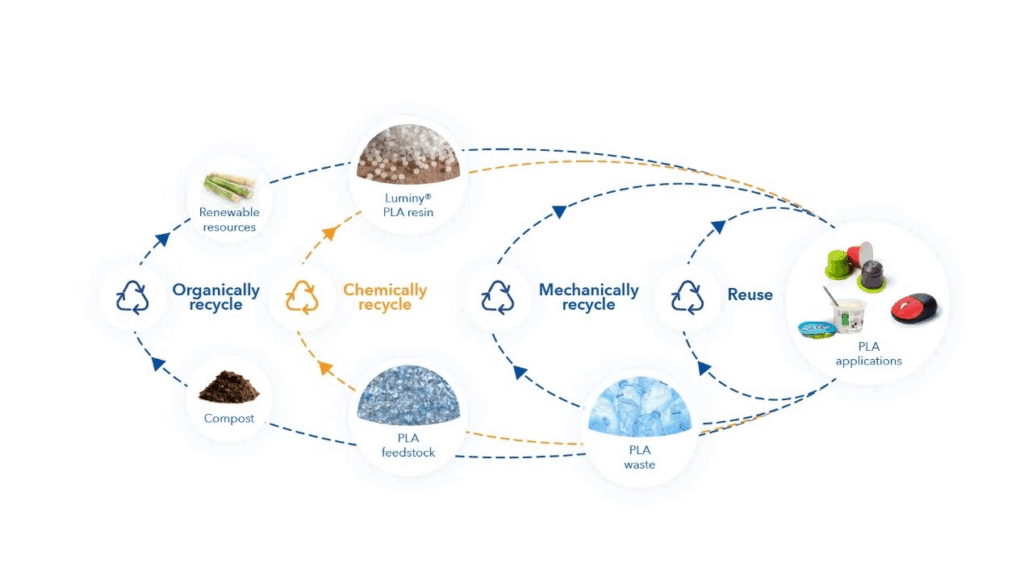
- Various plastics recycling technologies are available, including mechanical recycling, chemical recycling, and other processes.
- Mechanical recycling involves melting and reforming plastics into new products, while chemical recycling breaks down plastics into their raw materials.
- Advanced recycling technologies, such as plastic recycling extruders, can produce high-quality recycled plastics with minimal contamination.
- The choice of recycling technology depends on the type of plastic, the desired product quality, and the available equipment and resources.
Applications of Plastic Recycling Extruders
- Plastic recycling extruders are commonly used to produce high-quality recycled plastics for various applications, including packaging materials, containers, and other products.
- These machines can process different types of plastics, including PET, HDPE, and PVC, and produce a wide range of products, from plastic bags to plastic lumber.
- Plastic recycling extruders are also used to produce recycled plastics for use in construction, automotive, and other industries.
- The use of plastic recycling extruders can help reduce plastic waste, conserve resources, and promote a circular economy.
Benefits of Plastic Recycling
- Plastic recycling offers several benefits, including reducing plastic waste, conserving resources, and decreasing greenhouse gas emissions.
- Recycling plastic packaging, such as plastic bottles and containers, can help reduce plastic pollution and promote a sustainable environment.
- The use of recycled plastics can also reduce the demand for virgin plastic, decrease energy consumption, and lower production costs.
- Additionally, plastic recycling can create jobs, stimulate economic growth, and contribute to a more circular economy.

Conclusion
- In conclusion, plastic recycling is a vital process that can help reduce plastic waste, conserve resources, and promote a circular economy.
- The use of plastic recycling extruders and other recycling machines can produce high-quality recycled plastics for various applications.
- By understanding the different types of plastics, recycling technologies, and applications of plastic recycling extruders, businesses and individuals can make informed decisions about plastic recycling and contribute to a more sustainable environment.
- Ultimately, plastic recycling requires a collective effort from governments, industries, and individuals to reduce plastic waste, promote recycling, and create a more sustainable future.
The Reality of Plastic Bottle Recycling
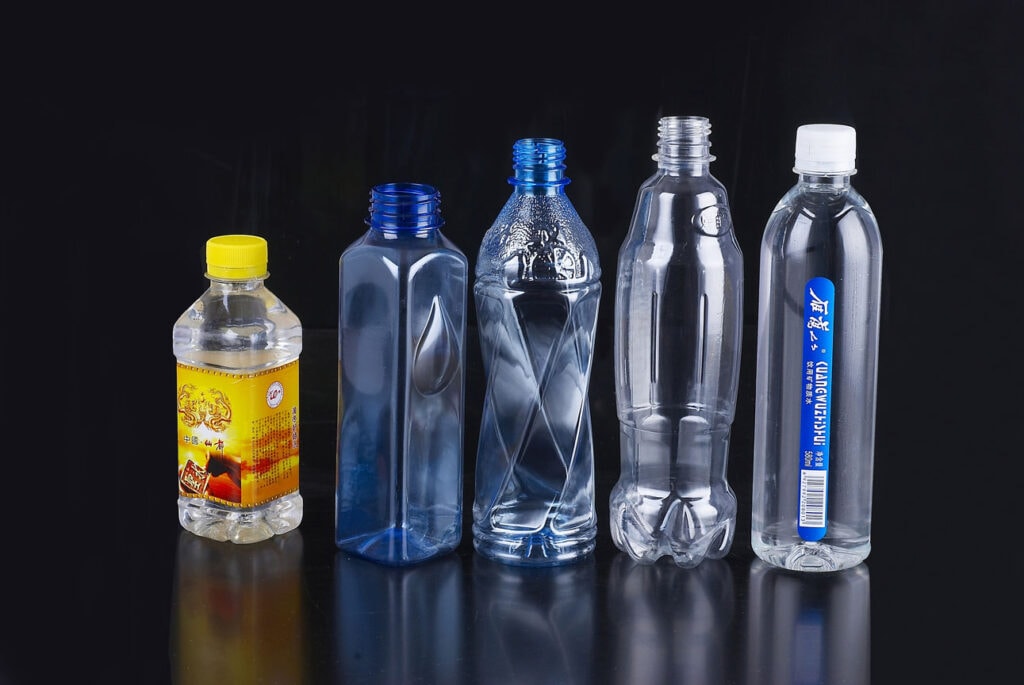
Most plastic bottles are made from polyethylene terephthalate (PET), a lightweight resin that is often marketed as recyclable. Despite PET’s recyclable status, the process is far from perfect, with “downcycling” being a common outcome rather than true recycling. Less than 30% of plastic bottles are recycled in the US, and many are not turned into new bottles but rather into lower-quality products. This widespread myth that our recyclable waste will be “cycled indefinitely” is just that—a myth.
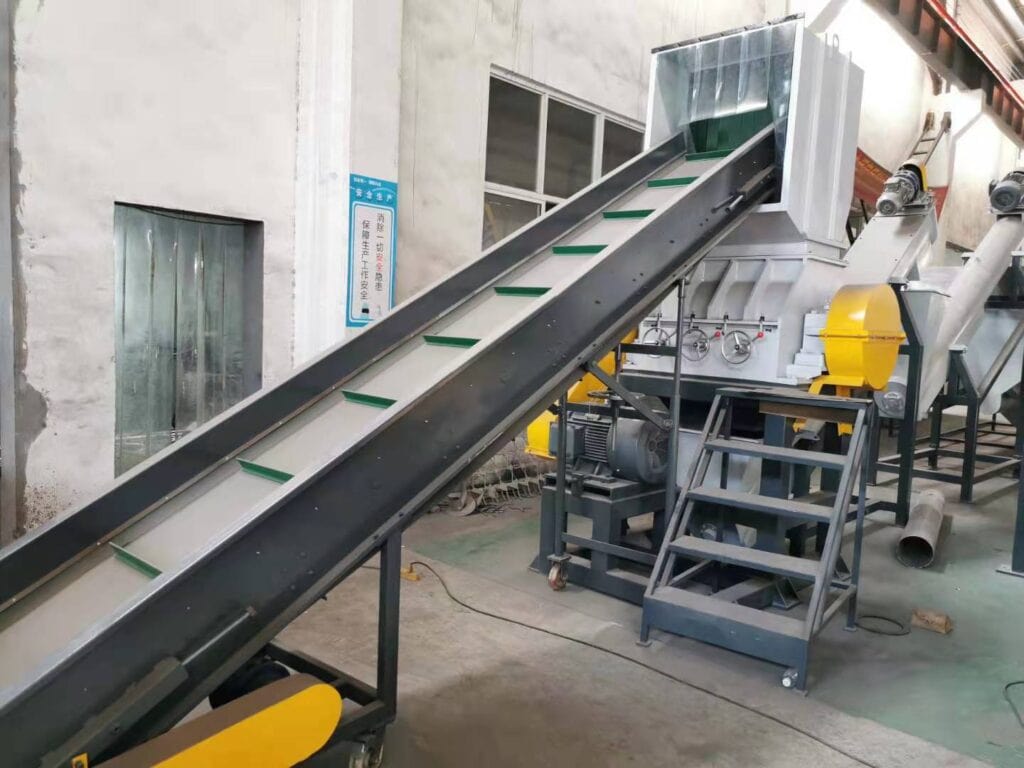
How to Recycle Plastic Bottles:To ensure your plastic bottles are properly recycled, follow these steps:
- Check the Resin ID Code: Look for the number on the bottom of the bottle to identify the type of plastic. PET bottles typically have the number “1” in the recycling triangle.
- Rinse the Bottle: Before recycling, rinse out any remaining liquid from the bottle to prevent contamination of the recycling stream.
- Remove the Cap and Label: These are often made from different types of plastic and need to be removed to avoid interference with the recycling process.
- Participate in Curbside Recycling Programs: Engage with local curbside recycling programs or drop your plastic bottles off at recycling centers that accept PET plastic.
- Recycle Plastic Bags and Wrap: Many recycling programs accept plastic bags and other types of plastic waste. Check with your local facility to confirm.
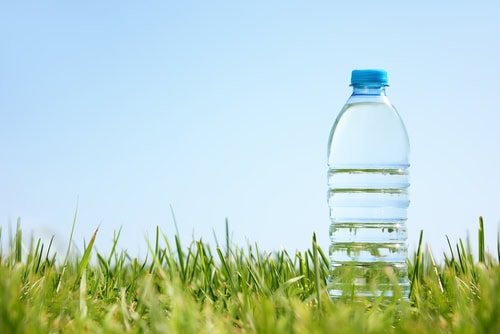
Benefits of Plastic Recycling:Recycling plastic bottles offers numerous environmental and economic benefits:
- Reducing Pollution: Recycling helps divert plastic from landfills and the environment, preventing it from polluting oceans and waterways.
- Conserving Resources: By recycling plastic, valuable resources like petroleum and natural gas are conserved, which are needed to make new plastic products.
- Creating Jobs: The recycling industry creates jobs in collection, sorting, processing, and remanufacturing, contributing to local economies.
- Lowering Carbon Footprint: Using recycled plastic reduces the need for new plastic production, which is energy-intensive and emits greenhouse gases.
What Can Be Recycled? The most common recyclable plastics include:
- PET (Polyethylene Terephthalate): Used for water bottles, soda bottles, and many food containers.
- HDPE (High-Density Polyethylene): Found in milk jugs, detergent bottles, and some plastic bags.
- PVC (Polyvinyl Chloride): Used in plumbing pipes and some toys.
- Glass and Metal: Recyclable and can be reused in new products without a loss in quality.
- Plastic Bags and Wrap: Some types of plastic bags and wraps can also be recycled, but it’s important to check with your local recycling program first.

The Lifecycle of a Plastic Bottle: The typical journey of a plastic bottle after it enters the recycling system involves several steps:
- Collection: Plastic bottles are collected through curbside programs or dropped off at recycling centers.
- Sorting: At the recycling center, plastics are sorted by type. Separating PET from other plastics is crucial for proper processing.
- Shredding and Reprocessing: The plastic is shredded into small pieces, washed, and processed into new materials. However, this process often degrades the plastic’s quality, leading to downcycling into products of lower value, like clothing or carpeting.
Reducing Plastic Waste: A Call to Action To make a real difference in reducing plastic waste, consider the following actions:
- Opt for Reusable Alternatives: Invest in reusable water bottles, shopping bags, and containers to reduce your plastic consumption.
- Participate in Local Recycling Programs: Engage with local recycling programs and advocate for improved recycling infrastructure.
- Support Companies Using Recycled Plastic: Choose products that incorporate recycled plastic in their manufacturing process.
- Educate Others: Spread awareness about the importance of reducing plastic waste and making more sustainable choices.
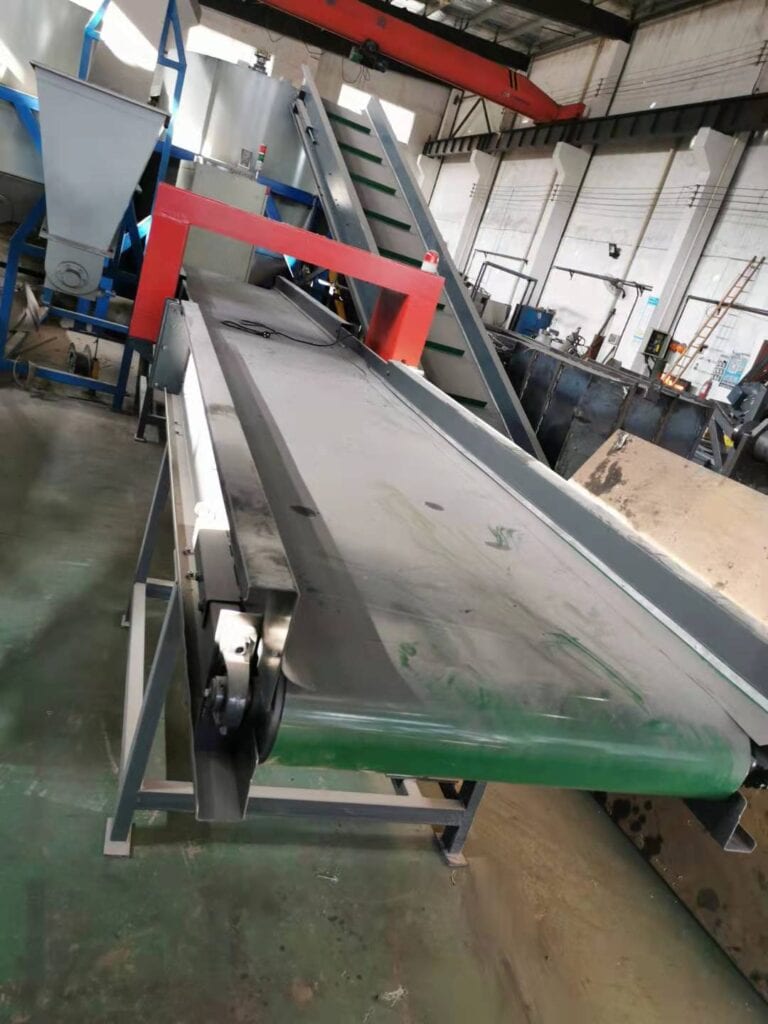
How You Can Help Improve Plastic Recycling As a consumer, you can take several steps to improve plastic recycling:
- Rinse Before Recycling: Clean plastic bottles to avoid contamination and improve the quality of recycled material.
- Choose Products with Minimal Packaging: Opt for products with minimal plastic packaging or those made from recycled materials.
- Use Recycling Bins Properly: Separate plastic from other materials to ensure it is processed correctly.
- Promote Recycling Initiatives: Support initiatives that encourage innovation in recycling technologies, such as closed-loop systems and advanced recycling machines.

Innovations in Plastic Recycling The recycling industry is witnessing advancements that could potentially improve plastic recycling efficiency. Technologies such as chemical recycling and circular economy initiatives aim to reduce reliance on downcycling and enhance the quality of recycled plastic. Companies leading in sustainable recycling practices are setting examples for the industry to follow.
Conclusion: Plastic bottle recycling is a critical step in reducing plastic waste and conserving natural resources. However, the reality is complex and often imperfect. By understanding the benefits and limitations of plastic bottle recycling, we can work towards a more sustainable future.
What can we do: To contribute to a more sustainable future, support advanced recycling technologies, such as Plastic Recycling Extrusion Pellet Machines, and make conscious decisions about your plastic use. Together, we can help reduce plastic waste and create a circular economy for plastic materials.
]]>