Key Takeaways
- Recycled plastic extruders convert waste plastics into reusable materials, playing a critical role in sustainability and reducing environmental waste.
- Key components, such as the hopper, barrel, and screws, are essential for the efficient operation of recycled plastic extruders, facilitating the transformation of plastics into high-quality products.
- Choosing the right recycled plastic extruder involves considering processing capacity, energy costs, and the specific types of plastics it can handle, ensuring optimal efficiency and effectiveness in recycling operations.
Understanding Recycled Plastic Extruders
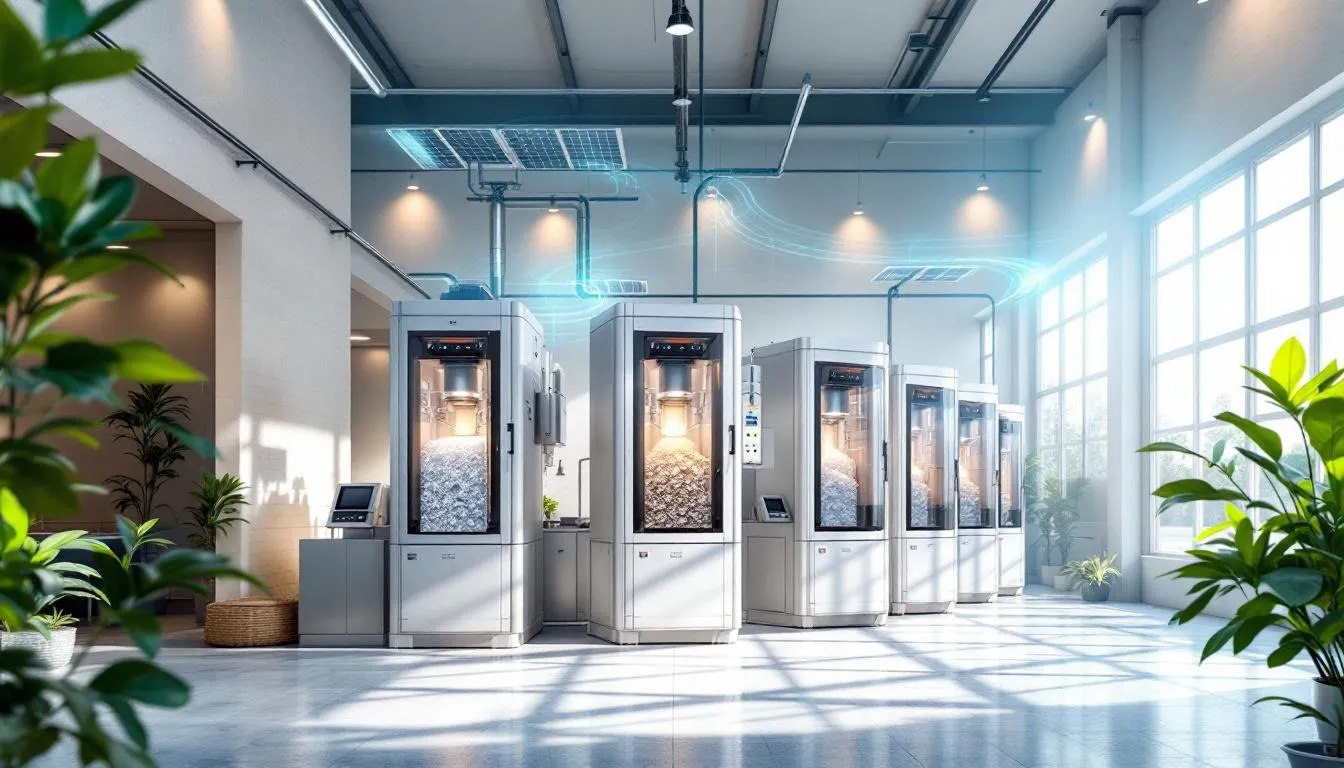
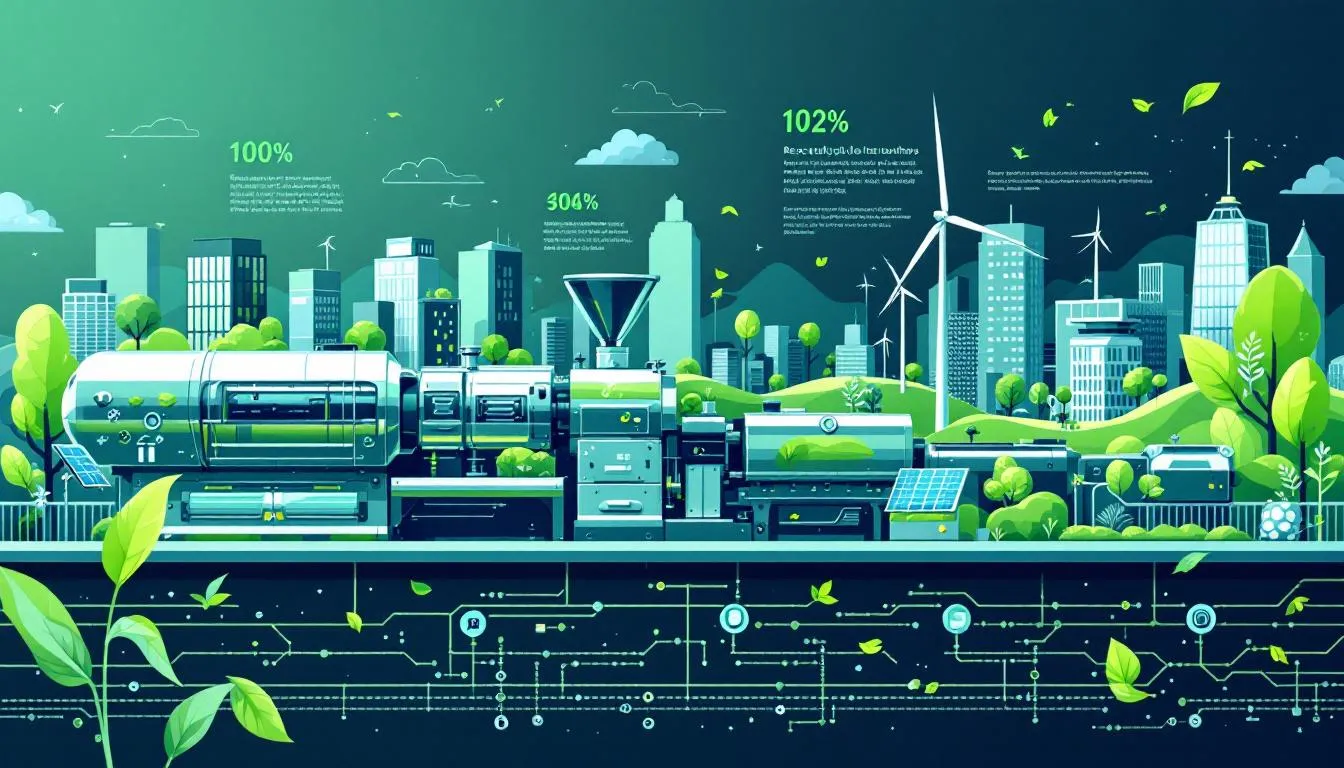
Recycled plastic extruders are pivotal in the fight against plastic waste. These plastic recycling machines transform discarded plastics into reusable materials, playing a vital role in supporting sustainability and cost-effectiveness. The process involves converting scrap plastic into high-quality pellets, which can then be used in various manufacturing processes, thereby reducing environmental waste.
Recycled plastic extruders work by heating, compressing, and shearing plastic, allowing it to be reshaped into new products. Repurposing plastic waste with these machines significantly reduces landfill contributions, tackling one of today’s major environmental challenges.
Plastic waste is first collected and sorted by type and quality. These sorted plastics are then fed into the extruder for transformation. This not only supports environmental sustainability but also showcases the potential of plastic recycling technologies in creating new products from what was once waste.
Key Components of a Recycled Plastic Extruder
Key components of a recycled plastic extruder include the hopper, which acts as the entry point for plastic feedstock. The barrel houses the screws and controls the temperature, ensuring the plastic is adequately melted for further processing.
Heaters provide the thermal energy needed to melt the plastic inside the barrel. The screws, considered the heart of the extruder, move, compress, and mix the plastic, ensuring it reaches a uniform molten state.
The molten plastic then reaches the die, which shapes it into its final form. A cooling system solidifies the melted plastic upon exiting the die, ensuring it retains the desired shape. These components are vital for efficiently transforming plastic waste into valuable products.
How Recycled Plastic Extruders Work
The operation of recycled plastic extruders starts with shredding the collected plastic waste, increasing its surface area for efficient melting. The shredded plastic is then heated within the extruder barrel, converting it into a molten state for further processing.
Advanced filtration systems remove contaminants from the molten plastic, ensuring high-quality end products that are manufactured. The molten plastic is then shaped through moulds, which define the final form, dimensions, and characteristics of the extruded product.
The extrusion process involves the following steps and outcomes:
- After shaping, the extruded plastic product is rapidly cooled to maintain its form.
- The process enables the creation of various products, including pellets and sheets, from recycled plastic.
- Once cooled, the solidified plastic can be cut or further processed for other applications.
This highlights the versatility and efficiency of this recycling method.
Benefits of Using Recycled Plastic Extruders
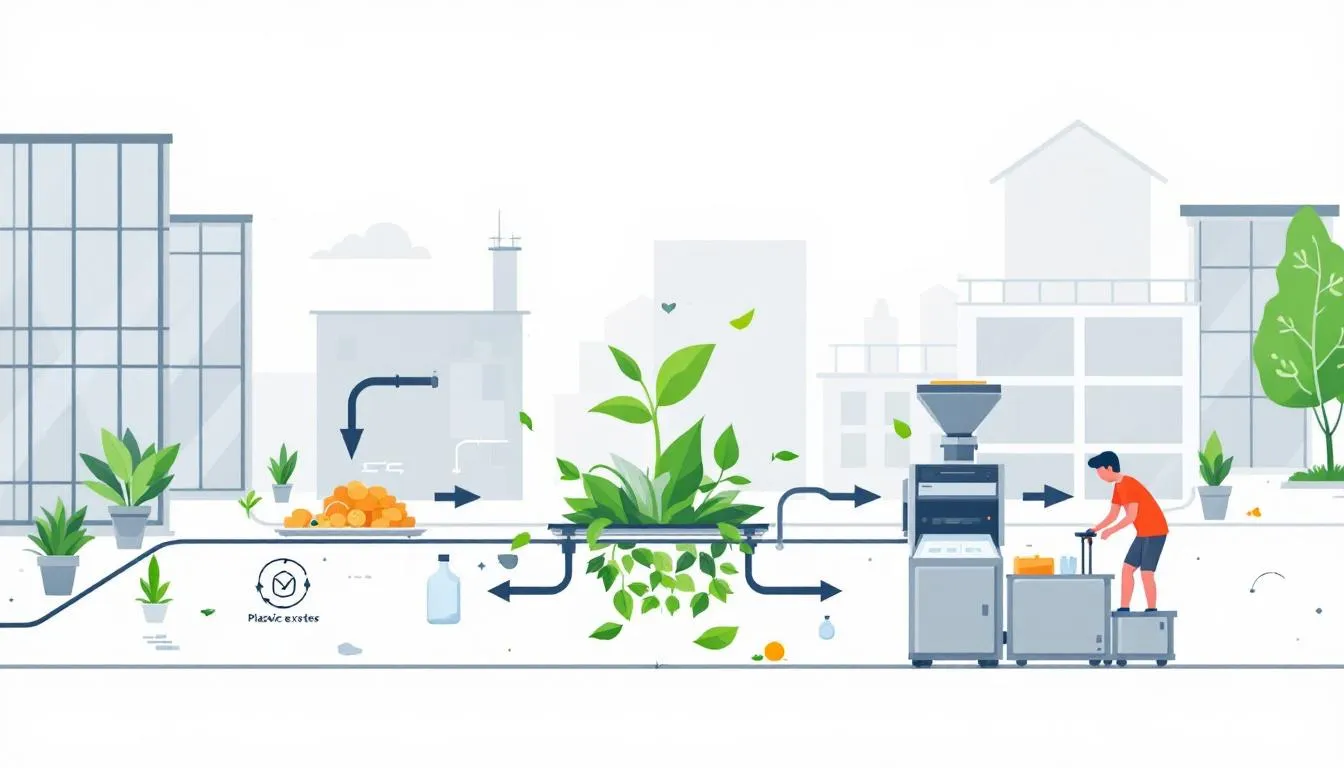
Recycled plastic extruders offer numerous benefits, making them indispensable in modern recycling processes:
- They help recycle materials, significantly reducing plastic pollution.
- Manufacturing recycled plastic products locally decreases transportation emissions, further reducing plastic pollution.
- US manufacturers adhere to strict environmental standards, minimizing pollution.
Modern plastic extrusion machinery is designed to optimize energy consumption, reducing greenhouse gas emissions. Recent legislative changes are promoting the use of recycled materials in plastic production, boosting demand for energy-efficient practices. Using recycled plastic extruders enhances material efficiency, resulting in less raw material waste during production.
These machines conserve resources and support sustainable practices by reducing waste and promoting energy efficiency. Their role in recycling processes is essential for creating a more sustainable and efficient future, highlighting the importance of environmental stewardship.
Applications of Recycled Plastic Extruders
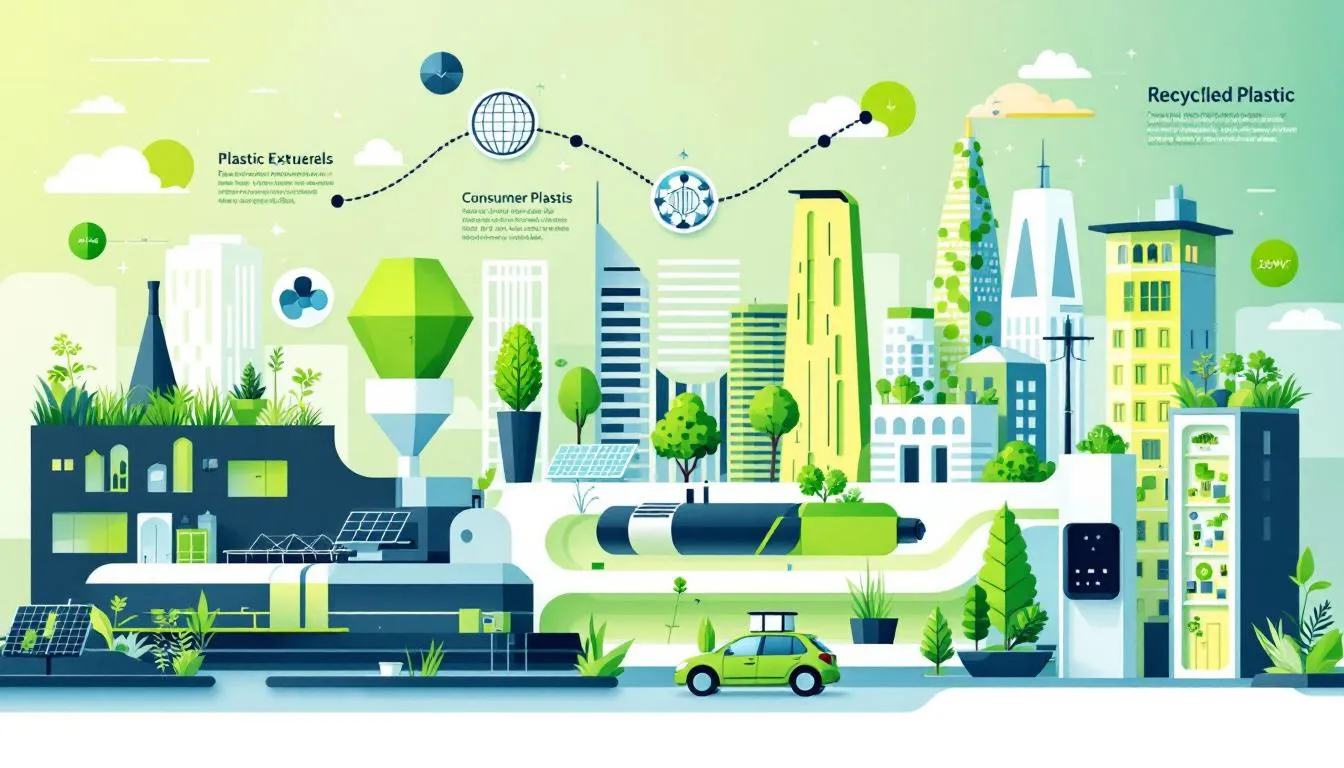
Recycled plastic extruders have a wide range of applications across various industries. In the automotive industry, they are used to create parts like door seals and bumper components, which need to withstand wear and environmental conditions. In the medical field, extruded plastic provides components like IV tubing and catheters that require sterility and chemical resistance.
Consumer packaging also benefits from plastic extrusion, resulting in lightweight and hygienic containers that help preserve product quality. In the construction industry, plastic extrusion is widely utilized for making durable plastic materials like PVC pipes and window frames. These applications demonstrate the versatility and durability of products created through plastic extrusion.
Household items such as storage containers and decorative trims are often produced using plastic extrusion. Innovative technologies like CPM Extricom Extrusion recycle PET waste into material suitable for food-grade applications, overcoming challenges like moisture content. The RingExtruder RE® from CPM offers enhanced control over the recycled product’s color, crucial for applications requiring aesthetic consistency. Additionally, polyethylene terephthalate is a key material in the production of these containers.
These examples highlight the extensive and impactful use of recycled plastic extruders in various sectors.
Choosing the Right Recycled Plastic Extruder for Your Needs
Choosing the right recycled plastic extruder ensures maximum efficiency and meets specific needs. Consider factors like intended use, processing capacity, and storage capacity of output bales. Machine throughput and capacity determine its efficiency, with options ranging from small-scale operations processing 20-50 kg per hour to large-scale operations handling up to 2,200 kg/h.
Key considerations include:
- Energy costs, representing around 10-20% of overall production expenses.
- Raw material costs, comprising 50-70% of total expenses.
- Ensuring the machine can process specific types of plastics with particular resin codes, such as PET, to align with your intended application. Raw materials play a crucial role in determining overall production efficiency.
For small-scale recycling machines, prioritize ease of use, security measures, and low noise levels. Evaluating these factors carefully helps businesses select the most appropriate and efficient extrusion machine for their recycling needs.
Maintenance Tips for Recycled Plastic Extruders
Regular maintenance ensures the longevity and efficiency of recycled plastic extruders. Key maintenance practices include:
- Inspecting and lubricating moving parts regularly to minimize wear and tear.
- Scheduling routine maintenance checks to identify potential issues before they escalate.
- Keeping detailed maintenance logs to track the extruder’s performance and servicing history.
To maintain optimal operating conditions and ensure consistent high-quality production, it is important to:
- Monitor temperature and pressure settings regularly.
- Inspect the screw and barrel for wear or damage.
- Assess output quality to detect deviations in product specifications.
To maintain the extruder properly:
- Clean the extruder thoroughly after each production run to prevent material contamination.
- Use compatible cleaning agents to help maintain the machine’s integrity.
- Identify abnormal noises or vibrations early, as they can indicate mechanical issues needing attention.
Following the manufacturer’s guidance for troubleshooting specific extruder problems ensures effective maintenance.
Cost Considerations for Recycled Plastic Extruders
Financial considerations are crucial when investing in recycled plastic extruders:
- Initial costs for small models can range from $10,000 to $30,000.
- Larger models can cost between $90,000 and $200,000.
- Choosing energy-efficient machinery can substantially reduce operational expenses and lessen environmental impacts, making them a wise long-term investment.
Electricity usage during shredding or crushing significantly affects operating costs. Maintenance costs typically amount to about 5-10% of the equipment’s cost each year, and labor costs should be considered if the extruder is not self-built.
Budget considerations are crucial when selecting recycling machines, as they represent a significant investment. Understanding and planning for these costs allows businesses to make informed decisions, balancing initial investment with long-term operational savings.
Case Studies: Successful Use of Recycled Plastic Extruders
Real-world examples of recycled plastic extruders in use can provide valuable insights and inspiration. For instance, Prad and Lala from Chennai, India, use their extrusion machine to make furniture, demonstrating practical and creative possibilities. Joop from Haute Plastique in Rotterdam creates sleek, aesthetically pleasing products from recycled materials, showcasing the machines’ potential.
Businesses worldwide are successfully using recycled plastic extruders to turn waste into valuable products. These case studies illustrate the transformative impact of these machines, highlighting their versatility and effectiveness in various business applications.
Summary
Recycled plastic extruders play a pivotal role in addressing plastic pollution by transforming waste into valuable products. Their benefits extend beyond environmental sustainability, offering energy efficiency and cost savings for businesses. The diverse applications of these machines across industries, from automotive to medical to consumer packaging, showcase their versatility and importance.
Proper maintenance and understanding cost considerations are essential for maximizing the efficiency and longevity of recycled plastic extruders. The success stories from around the world highlight the potential of these machines to revolutionize plastic recycling and contribute to a sustainable future.
As we continue to innovate and adopt sustainable practices, recycled plastic extruders will remain at the forefront of the fight against plastic pollution. Let’s embrace these technologies and work towards a greener, cleaner planet.
]]>