| Primary Keyword |
| PVC-O Extruders |
| Secondary Keyword |
| plastic pipe making machine |
| One-step method production |
| O-pvc pipe |
| Plastic Pipe Production |
| PVC-O |
| PVC-O Extrusion Line |
| PVC-O pipe making machine |
Are you fed up with pipe failures, increased maintenance expenditures, or reduced water flow? Maybe it’s the time to consider a new pipeline material. Don’t worry, PVC-O Extruders pipes offer incredible advantages in strength and long-term efficiency. Let’s explore O-pvc pipe, its process, potential advantages, durability, cost, drawbacks, and many more. So, stay connected!
1) What Is PVC-O?
“PVC-O or biaxially oriented polyvinyl chloride is a more advanced version of PVC pipe. It is produced with a more vigorous processing method than regular PVC pipe.”
Unlike PVC-U (unplasticized PVC), batch PVC-O undergoes a particular orientation method where the pipe is both lengthwise and crosswise stretched. This form of orientation helps to transform the chemically weaker versions of PVC molecules to a rigid and structured version that yields a stronger and flexible pipe.
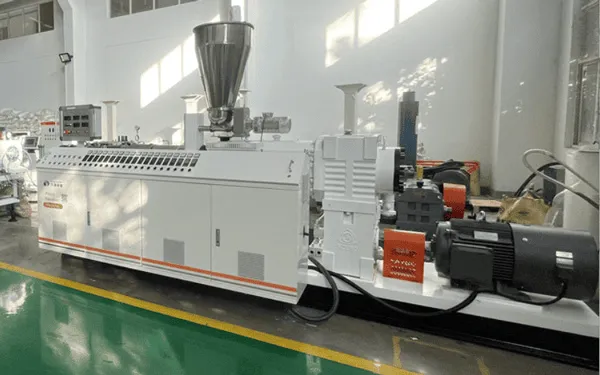
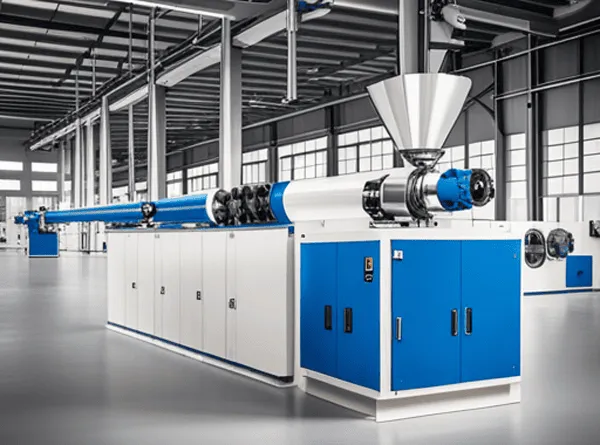
It all begins with a standard PVC-U pipe. This pipe is then subjected to reheating and advanced stretching with extruder (plastic pipe making machine) systems. The stretch is both axial (lengthwise) and radial (across the diameter). Well, these processes of stretching lead to enhancement in tensile strength, impact resistance, and pressure handling capabilities of the material.
The classification of PVC-O pipes follows the Minimum Required Strength (MRS) criteria, which sits in the range of 315 to 500 MPa. As with most materials, the MRS rating has a direct correlation to the strength and durability of the pipe—the higher the MRS, the stronger and tougher the pipe.
Crude examples such as the MRS 500 pipes show that they are remarkably strong and at the same time, lightweight, with impressive ratings on hydraulic performance.
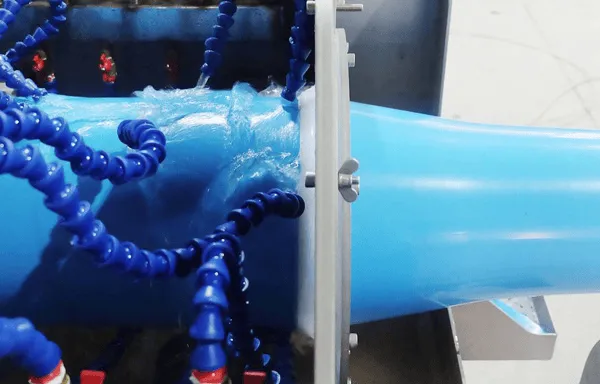
Lighter and stronger than traditional PE (polyethene) pipes, PVC-O pipes also boast a greater efficiency. Yes, they deliver almost double the strength with thinner walls, increasing flow capacity and enhancing ease of handling during installation. To summarise, modern pipe manufacturing owes its strength, flexibility, and long-term durability attributes to PVC-O.
2) The PVC-O Extrusion Process
Regular PVC-U pipes can be transformed into stronger and more flexible pipes known as PVC-O pipes through a well-controlled process. The process is called biaxial orientation, where a pipe is longitudinally and outwardly stretched to enhance the material’s inner structure, increasing its toughness and durability.
Upon orientation, rigidity is achieved, making the pipe more suitable for high pressures. The one-step and two-step methods are the two main categories for making PVC-O pipes.
In the One-step method production, pipes are extruded, stretched, and cooled in a single continuous line. This technique is compact, more efficient, and economical, ideal for small to medium-sized pipes.
The two-step process differs from the one-step setup by focusing on large-diameter pipes. Initially, a PVC-U pipe is formed and cooled, then reheated and stretched to enhance molecular alignment for quality control.
Modern extruders of PVC-O are equipped with high-performance features. These include high-torque screws and precision molds designed to form the base pipes. Once the pipes are formed, they are subjected to biaxial stretching—either mechanical or air-based—at controlled temperatures. This increases the pipe’s strength around 25%, yielding 31.5 MPa.
In addition, these systems are highly automated. Nowadays, most systems have PLC temperature, speed, and pressure controllers, which help maintain consistent pipe quality throughout plastic pipe production.
Regardless of the system applied, be it compact one-step setups or larger two-step systems, these processes ensure that PVC-O pipes have remarkable strength, exceptional flexibility, and extended service life.
3) Potential Advantages of PVC-O Pipes
PVC-O pipes are different from the conventional piping materials because they offer some significant advantages. Here is what sets them apart in terms of strength and performance:
Enhanced Mechanical Strength
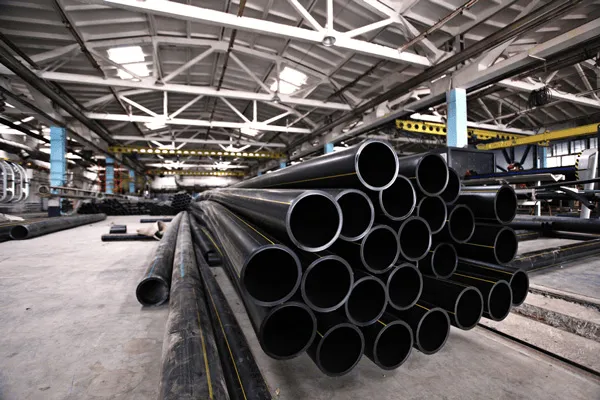
Compared to PVC-U pipes, PVC-O pipes offer much higher strength. The biaxial orientation process helps to increase tensile strength due to the tight molecular alignment in the pipe, enabling up to a 25% increase. It also helps the pipe maintain stronger internal pressure and makes the pipe lighter and thinner, which is suitable for water supply and irrigation networks.
Remarkable Impact and Fatigue Resistance
High impact resistance, even at cooler temperatures, is one of the key benefits of PVC-O pipes. Unlike standard pipes that face cracking or breaking upon impact, PVC-O pipes resist impact easily. Also, these pipes exhibit remarkable fatigue resistance. The ability to withstand repeated pressure cycles makes these pipes ideal for sustained usage in high-pressure systems.
Hydraulic and Flow Efficiency
These pipes utilise pressure differentials for the smooth internal surface in the piping system, along with thinner walls and high strength to enable water flow. They also maintain the outer diameter and aid in reducing friction, translating to less energy for pumping. All these factors enhance the flow rate while reducing the cost of operations over a period of time.
Durability Under Environmental Stress
PVC-O pipes withstand severe ground shifting, vibrations, and even temperature fluctuations. In addition to these, they also resist corrosion, UV radiation, and most chemicals found in soil and water. Well, these factors increase their reliability in outdoor and underground applications.
Also, these factors explain why choosing PVC-O is beneficial for building durable, economically smart, and resilient piping systems.
4) Sustainability & Lifecycle Benefits
PVC-O pipes also impacted the economy positively. Here’s a breakdown towards sustainability and economic efficiency:
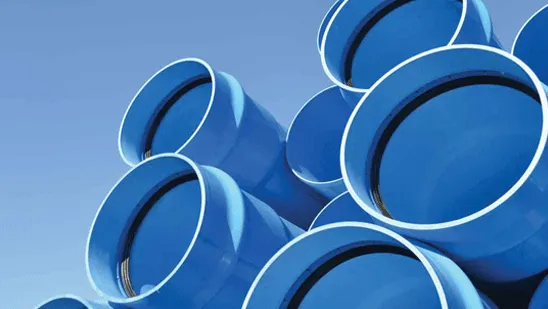
+ Reduced material utilisation: Due to biaxial orientation, PVC-O pipes result in an increased strength-to-weight ratio, resulting in thinner walls. This enhances material efficiency by up to 50% raw material in production.
+ Reduced weight: Compared to PE pipes and standard PVC-U, PVC-O pipes are 60% lighter. You will observe these practically while transportation and installation due to lower weight, lower fuel and energy consumption.
+ Reduced carbon emissions: Reduced weight, along with using fewer materials, results in reduced emissions at the manufacturing and delivery stages. During piping construction, the environmental footprint is lessened.
+ Reduced emissions during production: Modern PVC-O extruders with automated Programmable Logic Controller controls and air-based cooling systems replace water tanks with PLC controlling features. It results in decreased water and energy consumption during polyethene oxide manufacturing.
+ Minimal Installation Impact: The use of heavy lifting machines is reduced with the use of lightweight pipes, which minimises ground disruption and decreases fuel emissions on-site, beneficial for eco-sensitive regions.
+ Extended Service Life: The resistance of PVC-O pipes to corrosion, fatigue, and cracking is exceptional. Their strength over time translates into fewer repairs and replacements, and significantly less waste over decades of service.
+ Reduced total lifecycle cost: Although the starting cost of the equipment is high, it requires less maintenance. Therefore, it becomes cost-effective at the end of the day. Thus, the total ownership costs reduce over time.
+ Can be Recycled: PVC-O pipes can be recycled fully after their life cycle is completed and can be used to produce new plastic products, thus following the circular economy approach.
Overall, PVC-O pipes provide the infrastructure with endurance and operational efficiency while offering eco-conscious lifecycle costs.
5) Operational & Cost Advantages
The operational and cost advantages of PVC-O pipes are things worth considering. These cost-saving benefits are due to stronger and more efficient performance and handling, thereby decreasing overall project costs.
Quicker and Simpler Installation
The structure of PVC-O pipes makes them lightweight, which eases transportation and elevating onsite. Pipes of DN 250 mm can be lifted and positioned without machinery by workers. This leads to simplified and quicker installations, reduced staffing requirements, and compressed project timelines.
Lower Transport Costs
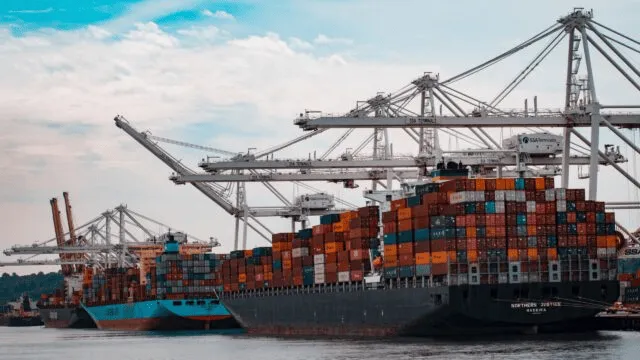
Moreover, their lower weight translates to higher pipe quantity per trip, thus reducing fuel use and delivery expenses, especially on long hauls.
Fewer Joints and Fittings
The flexibility and longer lengths of PVC-O pipes reduce the frequency of joints and fittings. This decreases material costs while simultaneously improving system reliability by minimising leak points.
Long-Term Cost Efficiency
The PVC-O extrusion line comes at a higher initial cost, but the pipes outperform standard PVC-U pipes in durability. A longer lifespan translates into fewer repairs and lower maintenance costs over time due to resistance against cracks, corrosion, and pressure changes.
Consistent Quality with Automation
Reduced operator error and more efficient operations result from fully automated modern extrusion systems that utilise high-torque screws, PLC controls, and precision molds. Well, such systems yield consistent production results, which minimises waste, adding further efficiency.
Better Value per Performance
For municipal and private infrastructure projects, PVC-O pipes prove to be more beneficial as they possess a value-to-cost ratio greater than conventional alternatives.
In brief, we can say that the advantages of PVC-O pipes extend from production and installation to lifetime operation.
6) Considerations & Potential Downsides
Alongside the benefits of PVC-O pipes, there are a few dark sides worth thinking about, which you should know before any real implementation.
! Increased Equipment Investment: The initial investment in PVC-O extrusion equipment is a considerable concern. As opposed to standard PVC-U extruders, this PVC-O pipe making machine, equipped with high-torque screws, precision molds, and automation systems custom designs are far more costly. For smaller market players, this is a type of hurdle.
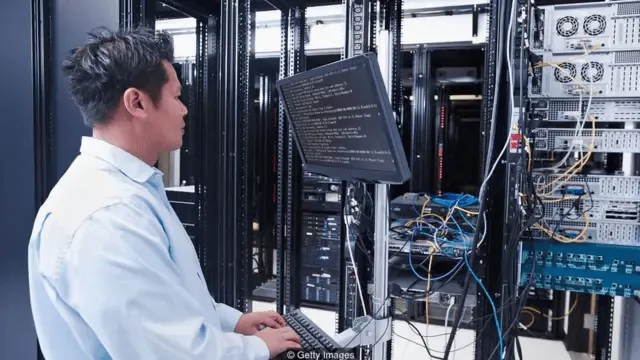
! Need for Skilled Personnel: Both the extrusion and orientation steps have technological complexities. Temperature controls, stretching ratio adjustment, and other automated systems require qualified engineers and skilled staff. Inadequate training can lead to poor outcomes in terms of pipe quality.
! Reduced Temperature Endurance: Pipes made of PVC-O are not the best suited for uses that involve high temperatures. Their accompanying mechanical strength can be compromised when subjected to heat for extended periods of time. So, in systems utilising hot water or fluids for industrial purposes, these pipes will not be a good fit.
! Sensitivity to Ultraviolet Radiation: Exposure to direct sunlight makes PVC-O, as with many other plastics, more prone to degradation. Pipes are best maintained by covering them with the appropriate UV protective materials or installing them underground.
Apart from the cited limitations, proper planning, training, and system design effectively mitigate the challenges posed, proving that PVC-O is a highly advantageous option in most scenarios.
7) Is Switching Worth It?
Absolutely! Switching to PVC-O is worth it if you are looking for long value, high performance, and decreased maintenance.
Unlike traditional PVC-U systems, the equipment’s upfront cost is distinctly higher; however, the advantages of PVC-O pipes, like greater strength, higher lifespan, lower operational costs due to lightweight construction, and ease of installation, far outweigh the investment. Moreover, they have lower energy requirements during pumping as well as significant benefits for high-pressure water and irrigation systems.
For manufacturers, modern PVC-O extruders guarantee uniform pipe quality, improved production efficiency, reduced scrap rates, and lower waste due to automated controls. Moreover, contractors and end users benefit from the reliability, safety, and sustained savings the product provides.
If the project you are undertaking requires sustainable and rugged piping, especially in rapidly growing infrastructure markets like India, switching to PVC-O is highly beneficial, as it ensures superior long-term ROI.
8) Conclusion & Recommendations
Alright! No hesitation to say that there is no stronger, more durable, or more efficient pipe than PVC-O for modern water distribution and irrigation systems. Although equipment costs may be higher, the value PVC-O pipes deliver in savings and performance over time far exceeds the initial investment.
For those looking to improve production lines or procure premium quality PVC-O products, collaborating with a reliable specialist is recommended. Faygo Union aid customers with thorough technical support and, more importantly, state-of-the-art extrusion systems. It enables the uninterrupted and economical production of pipes that fulfil the contemporary infrastructural requirements. You can contact us right now!